Quick Guide
Let's be real for a second. You've seen the pictures. Those insane mountains, the crazy blue lakes, the hobbit holes. New Zealand looks like a dream. But then you start thinking about the flight, the hotels, the activities... and that little voice in your head goes, "How much is this actually going to cost me?"
I get it. I had the same panic before my first trip. Scrolling through blogs that just said "it can be cheap or expensive" wasn't helpful. I needed real numbers. So, after spending months there and helping dozens of friends plan their trips, I'm breaking down the New Zealand tourism cost for you, with zero sugar-coating. We'll talk about where your money actually goes, the sneaky expenses nobody tells you about, and how to stretch your dollars without missing out.
The Big Picture: What's Your Daily Budget?
Forget the round numbers. Your New Zealand travel budget depends entirely on your style. Are you a hostel-hopping backpacker cooking pasta every night, or do you want a comfortable campervan with the occasional fancy meal? Here’s the raw breakdown most people actually experience.
Backpacker/Low Budget: NZD $80 - $120 per person, per day. This means dorm rooms, bus passes, self-catering, and maybe one paid activity every few days. It's totally doable, but requires planning.
Mid-Range Traveler: NZD $150 - $250 per person, per day. This is the sweet spot for most. You're looking at private rooms in motels or Airbnbs, renting a smaller car, eating a mix of self-catered and cafe meals, and doing several iconic activities (like a Milford Sound cruise or a glacier hike).
Luxury/Comfort: NZD $300+ per person, per day. Boutique lodges, premium rental cars or domestic flights, guided tours, and dining out for most meals. The sky's the limit, really.
My own trip hovered around the mid-range mark, and honestly, it felt right. I wasn't pinching pennies, but I also wasn't blowing my savings on a single helicopter ride.
Breaking Down the Cost to Travel New Zealand: Every Dollar Explained
Okay, let's get into the nitty-gritty. Where does the money vanish? I've split it into the big four: getting around, sleeping, eating, and playing.
1. Transportation: Your Biggest Variable
This is the make-or-break of your New Zealand tourism cost. The country is long and skinny, and distances are deceptive. That "quick drive" on the map can be 5 hours of winding roads.
Here’s a quick comparison of your main options. Prices are rough averages and can swing with season and demand.
A huge upfront cost and a project. You need time to buy, register, and sell. Can be a minefield if you don't know cars. I've seen people get stuck with a lemon.
| Transport Mode | Approx. Cost (for 2 weeks) | Best For | The Reality Check |
|---|---|---|---|
| Rental Car/Campervan | NZD $800 - $2,000+ | Freedom, flexibility, remote spots. | Add fuel (NZD $2.50+/liter), insurance (mandatory), and potential one-way fees. Campervans save on accommodation but are pricier to rent and fuel-guzzlers. |
| Bus Pass (InterCity, Stray) | NZD $500 - $1,000 | Solo travelers, tight budgets, no stress driving. | You're on a schedule. Reaching some trailheads or hidden gems is very difficult or requires expensive add-on tours. |
| Domestic Flights | NZD $150 - $400 per leg | Saving time (e.g., Auckland to Queenstown). | You miss everything in between. Fine for a short trip, but defeats the purpose of a road trip. |
| Buying a Used Car/Van | NZD $3,000 - $7,000 (sell at end) | Long trips (2+ months), groups. |
My advice? If you can drive, rent a car. The freedom is worth the cost to travel New Zealand. Book early, especially for automatics (they're rarer and pricier). And for heaven's sake, get the proper insurance. Gravel roads and tourist accidents are common. The official NZ Transport Agency website has crucial info on road rules and safety.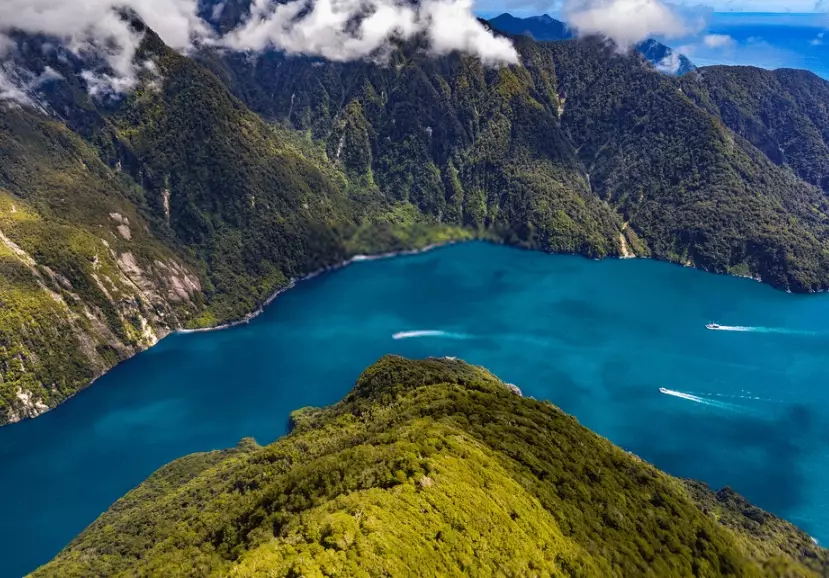
2. Accommodation: From Bunks to Boutiques
This is where your daily budget gets defined. New Zealand has fantastic holiday parks (with kitchens and often pools), which are a godsend for mid-range travelers.
- Hostel Dorm Bed: NZD $30 - $45 per night. YHA and BBH chains are reliable. Book ahead in summer.
- Private Room (Motel/Holiday Park): NZD $100 - $180 per night. Often includes a kitchenette. My go-to choice.
- Airbnb/Private Rental: NZD $120 - $250+ per night. Great for groups or longer stays. Can be cheaper than hotels.
- Hotel/Boutique Lodge: NZD $200 - $500+ per night. You're paying for location and service.
I found the quality of mid-range motels and holiday parks to be excellent. They're clean, functional, and often in stunning locations. Don't feel pressured to splurge on fancy hotels unless that's a priority for you.
3. Food & Drink: The Sustenance Budget
Eating out in New Zealand is not cheap. A main course at a decent pub will run you NZD $25 - $35. A flat white is NZD $5-6. But the grocery stores are your best friend.
Self-Catering is King: Countdown, Pak'nSave, and New World supermarkets are everywhere. You can eat very well on NZD $80 - $120 per week for groceries. The produce, meat, and dairy are top-notch.
Here's a typical day of food costs for me:
- Breakfast (self-made): Yogurt, muesli, fruit - NZD $4
- Lunch (cafe): Pie & coffee - NZD $12
- Dinner (self-cooked): Salmon, salad, veggies - NZD $15
- Snacks/Wine: NZD $10
Total: ~NZD $41. If I ate all meals out, that could easily triple. See the difference?
4. Activities & Adventures: The "Wow" Factor
This is the fun part, and the budget-buster. A New Zealand travel budget must account for activities, or you'll just be looking at the scenery from the car window (which is still amazing, but...).
So, how do you choose? I prioritize one or two "splurge" activities per week and fill the rest with free or cheap wonders. The Department of Conservation (DOC) is your bible for free hiking tracks, conservation areas, and basic but incredible campsites.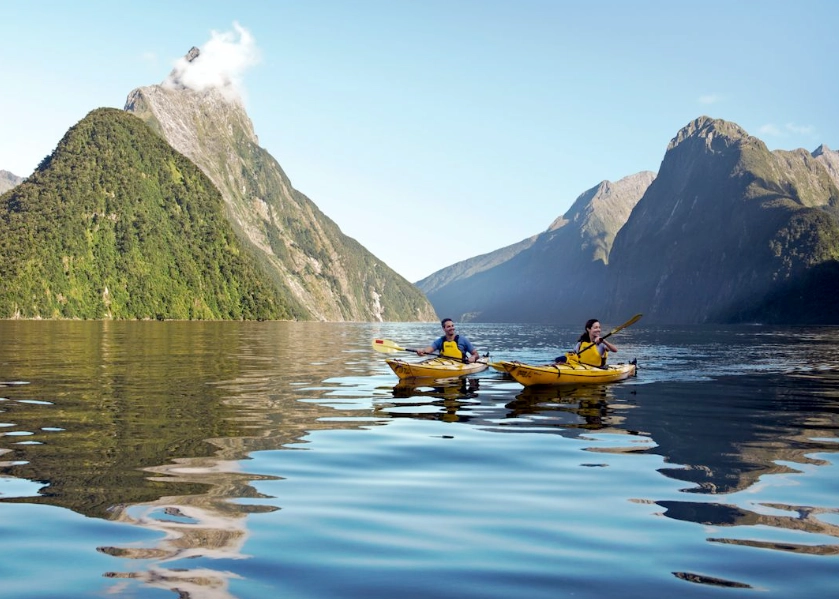
Top Free/Cheap Activities:
- Hiking ANY of the Great Walks (just the hut/camp fee, which is modest). The Tongariro Alpine Crossing is arguably the best one-day hike in the world.
- Visiting countless public gardens, beaches, and lakeshores.
- Exploring the glowworm caves in Waikato (free if you know where to look, otherwise a paid tour).
- Wine tasting in Marlborough or Central Otago (often free or a small fee waived with purchase).
Mid-Range Paid Activities (NZD $80 - $150):
- Milford Sound or Doubtful Sound day cruise (an absolute must-do).
- Hobbiton movie set tour (for fans, it's well done).
- Jet boat ride (a thrilling Kiwi invention).
- Visit to a wildlife sanctuary like Zealandia in Wellington.
Be ruthless. Pick what truly speaks to you. That helicopter ride over Mount Cook might be worth every penny for you, while I'd rather spend that money on a multi-day hike and nice meals.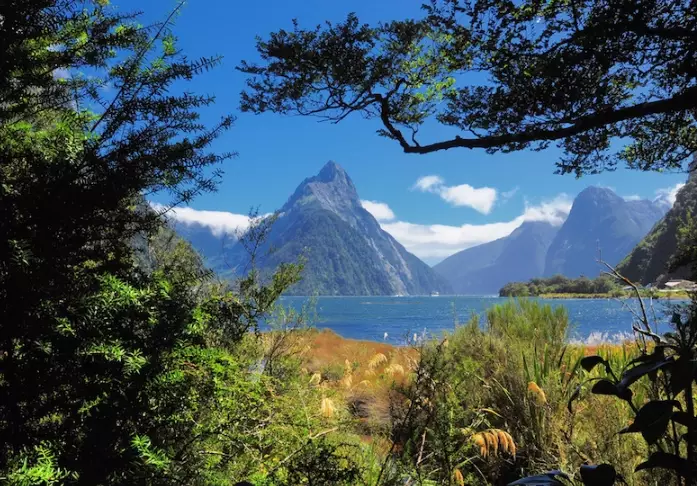
The Real Cost: A Sample Budget for Two Weeks
Let's make this concrete. Here’s a realistic mid-range budget for one person on a 14-day South Island road trip (the more popular island for scenery). This assumes you're sharing a car and room with one other person, so costs are per person.
- Flights (International): Varies wildly. From US West Coast, expect $1,200 - $1,800 return. Not included here as it's so variable.
- Car Rental (share for 14 days): NZD $700 (NZD $1,400 split)
- Fuel: NZD $300
- Accommodation (private motel rooms, share): NZD $1,050 (NZD $150/night avg, split)
- Food & Drink (mix of cooking/eating out): NZD $700
- Activities (2 big, 3 medium): NZD $600 (e.g., Milford Sound cruise, glacier heli-hike, jet boat, wildlife tour)
- Incidentals (parking, coffee, souvenirs): NZD $200
Total Estimated Cost (excluding int'l flights): NZD $3,550 per person.
That's roughly USD $2,150 or EUR €1,950. It sounds like a lot, but when you break it down day by day, it's that NZD $250 range we talked about. For a shorter trip or by staying in dorms and skipping the helicopter, you could slash this significantly.
Your Burning Questions About New Zealand Tourism Cost (Answered)
I get asked these all the time. Let's tackle them head-on.
Is New Zealand really that expensive for tourists?
Yes and no. It's more expensive than Southeast Asia or parts of South America, for sure. But compared to other developed English-speaking destinations like Australia, the UK, or parts of the USA, it's comparable. The difference is the travel style—it's a road trip destination, so transport costs are front and center. The key is planning. An unplanned trip will bleed money.
What's the single biggest mistake people make with their budget?
Underestimating transportation and activity costs. They budget for flights and hotels, then get shocked by the $100-a-day car rental with insurance and fuel, and the $400 glacier tour. These are the pillars of your New Zealand tourism cost.
Should I get a travel money card?
Probably. Credit/debit cards (especially Visa/Mastercard with no foreign transaction fees) are accepted almost everywhere, even for tiny purchases. Having a small amount of cash (NZD $100-200) is wise for farmers' markets or small campgrounds, but it's largely a cashless society now.
Is tipping expected?
No. Tipping is not part of the culture. In restaurants, rounding up or leaving small change for great service is appreciated but never expected. Don't feel pressured to add 15-20%. This actually helps your New Zealand travel budget.
When is the cheapest time to visit?
The shoulder seasons: April-May (autumn) and September-October (spring). The weather is still good, crowds are thinner, and prices for accommodation and cars drop. Winter (June-August) is cheap in the north but prime ski season in the south, so Queenstown gets pricey. Summer (Dec-Feb) is peak season and peak price.
Final Thoughts: Is It Worth the Cost?
Look, I'm not going to tell you it's a cheap holiday. It isn't. But let me ask you this: how often do you get to see landscapes that feel like another planet? Hike on active glaciers, sail through fjords, and experience Maori culture firsthand?
The cost to travel New Zealand is an investment in an experience that's genuinely unique. You're not paying for all-inclusive resorts; you're paying for access to some of the most pristine and dramatic natural environments on Earth.
My final, unfiltered advice? Save a bit more than you think you need. Prioritize the experiences that give you goosebumps. Cook most of your meals. Book your car and major accommodation early. And then go. The moment you're standing at the edge of Lake Tekapo under a sky full of stars (in a Dark Sky Reserve, no less), you won't be thinking about your bank account. You'll just be thinking, "Wow."
And that's priceless.
Comments
Join the discussion