Quick Navigation Guide
Let's cut to the chase. Is the Philippines friendly to tourists? Based on over a decade of travel writing and multiple trips across Luzon, Visayas, and Mindanao, my answer is a resounding, yet nuanced, yes. But that friendliness isn't a simple monolith. It's a complex blend of genuine warmth, logistical friction, and cultural openness that defines the Filipino travel experience. The famous hospitality is real, but your perception of "friendly" will depend heavily on what you prioritize: human interaction, seamless infrastructure, or raw adventure.
I remember landing in Manila for the first time, exhausted. A security guard at the airport, seeing my confused look at the taxi queue, didn't just point—he walked me 50 meters to the right booth, explained the fixed rate system, and made sure I was okay. That unsolicited help, a pattern I'd see everywhere from bustling Cebu to remote Siquijor, is the core of the Filipino welcome.
People Make the Place: The Heart of Filipino Friendliness
This is the Philippines' unbeatable advantage. The concept of "pakikisama" (smooth interpersonal relationships) and treating guests as blessings ("bisita") is ingrained.
You'll experience it through:
- Effortless Communication: As the world's third-largest English-speaking nation, the language barrier virtually doesn't exist. Your tricycle driver, the market vendor, the kid on the beach—all can converse. This removes a huge layer of travel anxiety.
- Proactive Helpfulness: It's rarely just giving directions. It's the family who invites you to share their picnic on the beach, the stranger who chases you down because you dropped a small bill, or the hotel staff who remembers your coffee preference on day two.
- Respectful Curiosity: You'll get questions about where you're from and your family. It's not intrusion; it's a form of engagement and showing interest in you as a person.
But here's a non-consensus point from an old hand: this very kindness can sometimes mask inefficiency. A "yes" might be given to avoid disappointing you, even if the request is impossible. Confirming a boat departure might get a smiling nod, but always double-check with a second source or by seeing the boat yourself.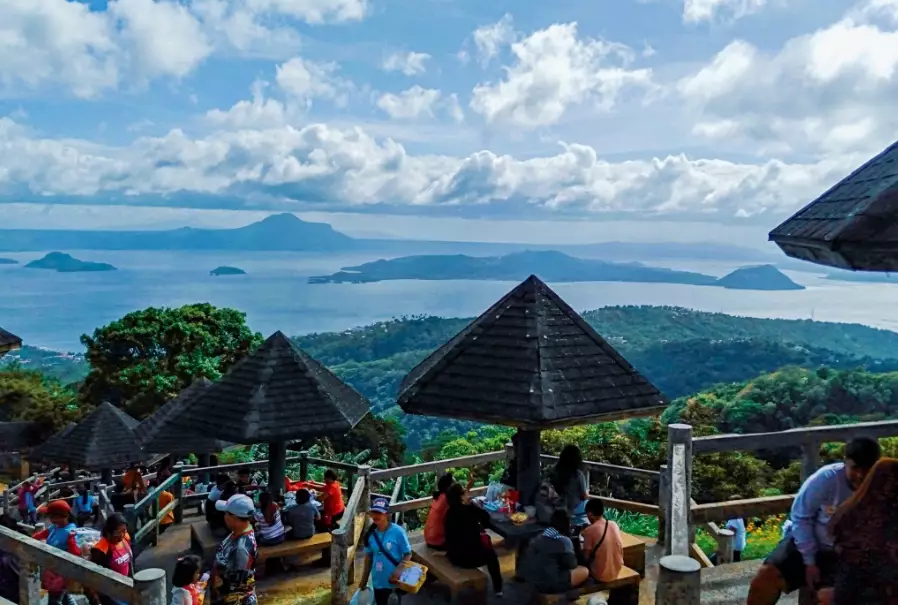
Safety: Navigating the Realities Beyond the Smiles
Friendliness and safety are intertwined for tourists. The Philippines often gets a bad rap due to politicized travel advisories. The ground reality is more segmented.
Where You Need to Be Smart (Like Anywhere)
Petty theft (pickpocketing, bag snatching) is the primary concern in crowded urban areas like Manila's Tondo, certain parts of Cebu City, or crowded festivals. Keep valuables hidden, don't flash expensive jewelry, and use a cross-body bag. Violent crime against tourists is exceptionally rare in tourist zones, but situational awareness is non-negotiable.
The Overlooked Real Risks
While everyone worries about crime, the more common travel disruptors are overlooked:
- Transport Safety: Road conditions and driving styles can be chaotic. Choose reputable bus companies (like Victory Liner, Philtranco). For ferries, avoid the oldest, most overcrowded boats and check weather advisories religiously. The Maritime Industry Authority (MARINA) publishes safety records.
- Regional Advisories: Some regions in Mindanao and the Sulu Archipelago have active travel warnings due to insurgent activity. These areas are far from typical tourist trails like Palawan or Boracay. Always consult your government's travel advisory for the latest.
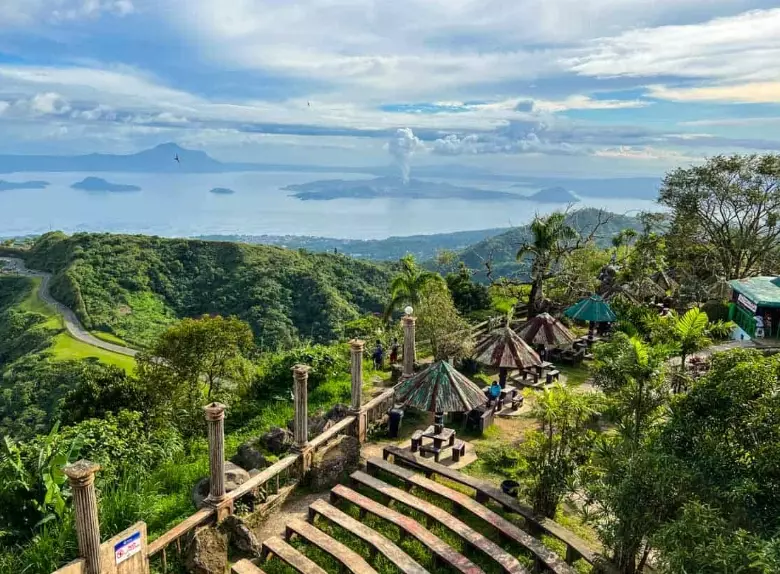
Logistics & Cost: The Practical Side of Friendliness
A destination can be friendly in spirit but frustrating in practice. How does the Philippines stack up?
Getting Around: This is the biggest challenge. Distances are vast, and travel is often a mix of planes, ferries, vans, and tricycles. It's not always efficient, but it's an adventure. Apps like Grab (Southeast Asia's Uber) work well in major cities. For inter-island travel, booking ferries a day in advance is wise. Flight networks are extensive and often affordable.
Costs: The Philippines is incredibly budget-friendly, which feels "friendly" to your wallet.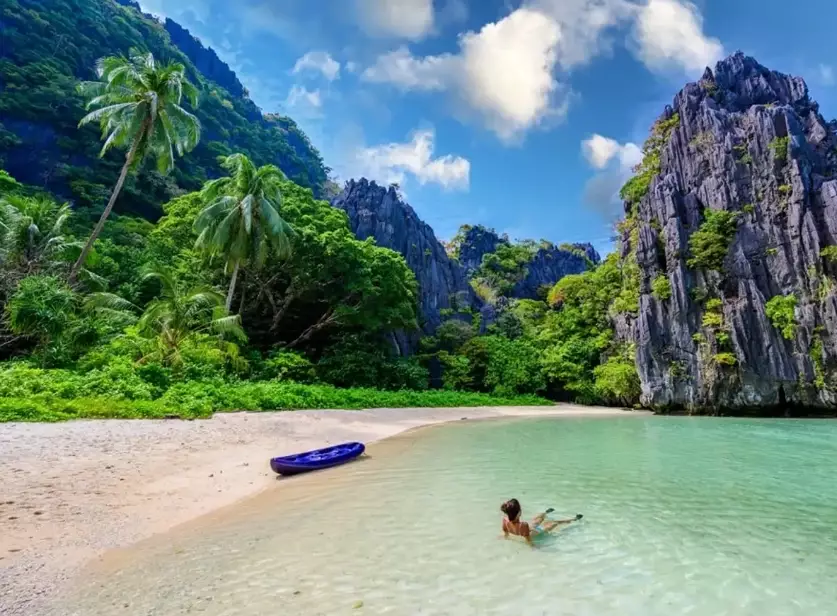
- Budget Meal (Carinderia): 50-150 PHP ($1-$3 USD)
- Mid-range Restaurant Meal: 300-700 PHP ($5-$12 USD)
- Hostel Bed (El Nido/Coron): 500-1000 PHP ($9-$18 USD)
- Mid-range Hotel (Cebu/Bohol): 2000-4000 PHP ($35-$70 USD)
- Long-distance Ferry (2GO Travel): 1500-3000 PHP ($27-$54 USD)
Accommodation & Food: From world-class resorts to family-run homestays, service is consistently warm. Filipino food is an underrated joy—don't just eat at hotel buffets. Try a carinderia (local eatery). Point at what looks good, ask what it is (they'll happily explain), and enjoy a meal for a couple of dollars. The interaction is part of the experience.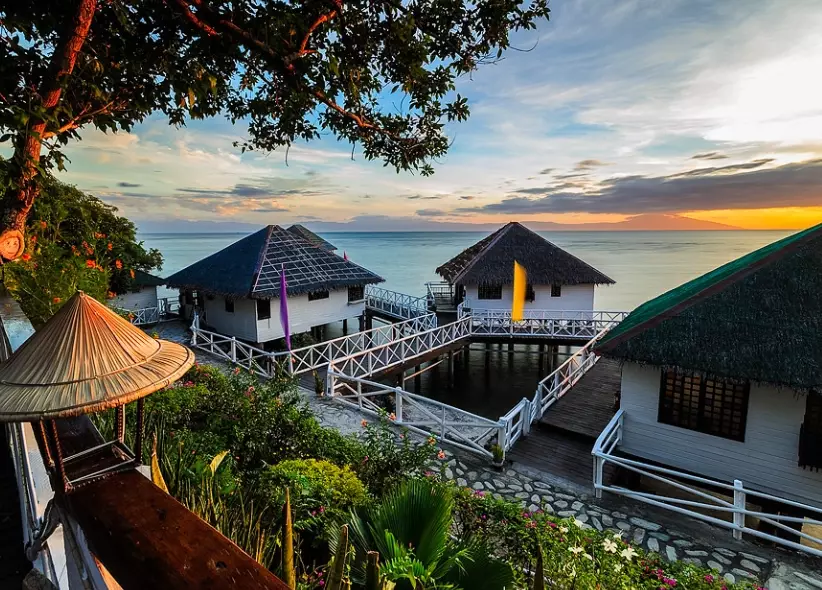
Cultural Nuances: How to Reciprocate the Friendliness
Friendliness is a two-way street. A few gestures go a long way:
- "Po" and "Opo": These are polite markers added to sentences when speaking to elders or those in authority. Using them shows respect and will be deeply appreciated.
- The Eyebrow Flash: A quick raise of the eyebrows is a common, non-verbal "yes" or "hello." Use it back.
- Patience is a Virtue: Things operate on "Filipino Time"—schedules can be fluid. Getting visibly frustrated defeats the purpose. Adapt to the pace.
- Respect Modesty: Especially outside beach resorts, dress modestly. Cover shoulders and knees when visiting churches or government buildings.
A personal misstep I made early on: I haggled too aggressively with a market vendor for a small souvenir. The few pesos I saved weren't worth the slight discomfort I created. A little friendly banter is fine, but remember the context—this is often their livelihood, not a game.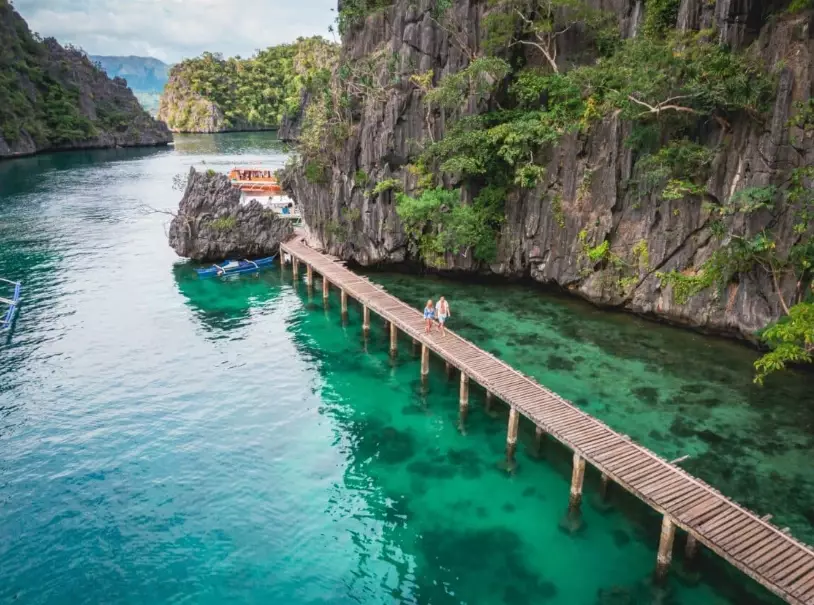
Your Questions Answered
So, is the Philippines friendly to tourists? If your measure is in human connection, warmth, and a willingness to help, it's one of the friendliest places on earth. If your measure is in flawless, efficient, predictable infrastructure, you'll find moments of friction. Embrace the former, prepare for the latter, and you'll discover a country whose greatest resource isn't its beaches or mountains—it's its people. That friendliness isn't a marketing slogan; it's the lived reality of traveling through the 7,641 islands.


Comments
Join the discussion