Let's cut to the chase. If you're flying from Los Angeles, San Francisco, or anywhere in the States, you're looking at a serious investment of time and money to get to Fiji. That 10+ hour flight means you want to get your timing right. So, what's the best time of year to visit Fiji from the USA?
The short, classic answer is Fiji's dry season, from May to October. You'll get sunny days, lower humidity, and minimal rain. But here's the thing—that's also when everyone else goes, and prices reflect that. The real answer is more nuanced and depends entirely on what you want from your trip: perfect weather on a budget, uncrowded beaches, epic diving conditions, or a family-friendly window.
I've been traveling to the South Pacific for over a decade, and I've seen visitors make the same mistake: they book during the "best" weather window without considering the crush of other tourists or the premium on every dollar. This guide will break down Fiji's seasons month-by-month, factor in the long haul from the US, and give you the insider knowledge to choose your ideal time.
Your Fiji Trip Planning Jumpstart
Understanding Fiji's Two Seasons: Dry vs. Wet
Fiji has a tropical climate, but it's not just a simple "hot and rainy" vs. "hot and dry" story. The shift between seasons dictates everything from flight prices from the US to the color of the lagoons.
The Dry Season (May to October): Peak Perfection?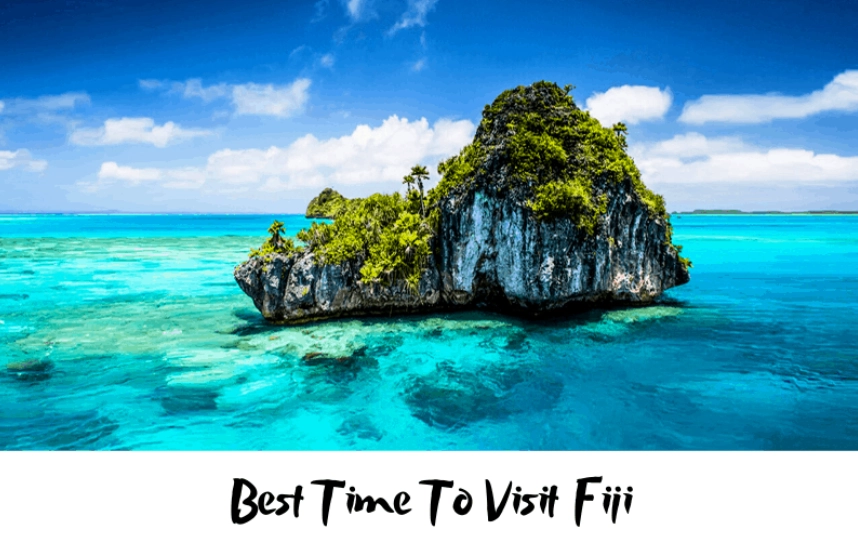
This is Fiji's winter, but don't pack a sweater. Temperatures are pleasantly warm, averaging 77-84°F (25-29°C). The southeast trade winds kick in, keeping humidity low and skies brilliantly clear. Rain is rare, especially on the western side (where popular spots like the Mamanuca and Yasawa islands are).
The Upside: It's reliably fantastic. This is why it's the peak tourist season. You can plan outdoor activities—sailing, hiking, island hopping—with near-certainty. The visibility for snorkeling and diving is at its absolute best, often exceeding 100 feet.
The Downside: It's peak for a reason. Everyone knows about it. Resorts, especially family-friendly ones, book up months in advance. Flight prices from the US (typically via LAX or SFO) are at their highest. You'll be sharing those picture-perfect beaches with more people. I once tried to book a specific overwater bungalow in August and was told it was gone nine months prior.
The Wet Season (November to April): Risk vs. Reward
This is Fiji's summer, characterized by warmer temps (80-88°F / 27-31°C), higher humidity, and afternoon tropical downpours. The key word is afternoon—mornings are often still sunny. This season also encompasses the cyclone season, which officially runs from November to April, with the highest risk from January to March.
The Upside: This is Fiji's secret (not so secret) bargain period. Resort rates can be 30-50% lower. The landscapes are explosively green and lush. There are far fewer tourists, giving you a more authentic and peaceful experience. The water is warmer, and the rain can bring a refreshing break from the heat. For surfers, this is when the big swells hit the south coast reefs.
The Downside: The cyclone risk is real, though major direct hits are statistically infrequent. You need to be flexible and purchase comprehensive travel insurance that covers weather disruptions. Some activities, like hiking to inland waterfalls, can be muddier or occasionally closed due to heavy rain. Humidity can be intense for some.
The Cyclone Reality Check: Don't let fear completely rule out the wet season. The Fiji Meteorological Service provides excellent updates. Resorts are well-practiced in cyclone procedures. The risk is a factor, not a guarantee. I've traveled in February and had a week of mostly glorious sunshine, with just two spectacular afternoon thunderstorms that cleared the air beautifully.
Fiji Month-by-Month: A Detailed Breakdown
This table breaks down what you can realistically expect each month, factoring in the long-haul journey from North America.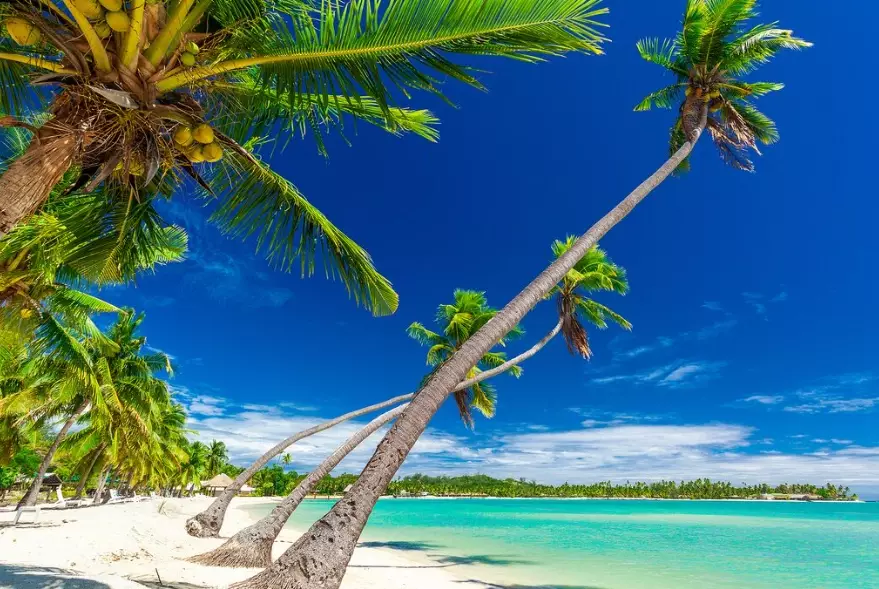
| Month | Season | Weather & Sea Conditions | Crowds & Prices from USA | Best For |
|---|---|---|---|---|
| January | Wet / Cyclone | Hot, humid, highest rainfall. Possible cyclones. Warm sea. | Very low crowds post-New Year. Some of the lowest prices of the year. | Budget travelers, surfers chasing south swells, those seeking solitude. |
| February | Wet / Cyclone | Similar to January. Peak cyclone risk period. | Low crowds and prices. Great for last-minute deals if you're flexible. | Adventurous travelers on a tight budget, surfers. |
| March | Wet / Cyclone | Rain begins to ease slightly late in the month. Still humid. | Low to moderate. Spring break from the US can cause a small spike. | Transition month for better weather deals. |
| April | Wet Season End | Noticeable reduction in rain. Humidity starts to drop. Great water temp. | Moderate. Easter holidays can increase regional travel. | A sweet spot—good weather emerging, lower prices than peak. |
| May | Dry Season Start | Excellent weather. Lower humidity. Clear, sunny days. | Crowds begin to build. Prices start rising but are better than mid-peak. | One of the best all-around months. Great weather, manageable crowds. |
| June | Dry | Cooler, dry, and sunny. Ideal "winter" weather. | Peak season begins. Prices high. Book well in advance. | Families starting summer break, honeymooners, divers. |
| July | Dry | Similar to June. Possibly the coolest month (still warm). | Peak crowds. Highest prices. Very busy. | Festival-goers (Bula Festival), travelers wanting guaranteed sun. |
| August | Dry | Consistently perfect dry season weather. | Peak crowds continue. Prices at their absolute highest. | Luxury travelers, special occasion trips. |
| September | Dry | Weather remains superb. Starts warming up slightly. | Still peak season, but begins to taper slightly late month. | Similar to August—ideal for all activities. |
| October | Dry Season End | Warmer, humidity returns. Chance of late-season showers. | Crowds thin out. Prices begin to drop towards the end. | Another great shoulder month. Good mix of weather and value. |
| November | Wet Season Start | Increasing humidity and rainfall. Sunny mornings common. | Low season begins. Prices drop significantly. | Budget-conscious travelers, early bird holiday deals. |
| December | Wet | Warm, humid, rainy. Cyclone risk increases. | Low early month, then spikes dramatically for Christmas/New Year. | Early December for pre-holiday deals. Late Dec for festive peak crowds. |
Beyond the Weather: Crowds, Prices & Your Travel Style
Don't just look at the weather chart. Think about your travel "personality."
The Budget Traveler: Your best windows are January to April and November. Flight and package deals from the US abound. Hostels on the mainland (Viti Levu) and smaller islands are very affordable. Use the savings to do more activities—like a 3-day Yasawa Islands cruise pass.
The Family with School Schedules: You're often locked into US summer (June-August) or holiday breaks. This is peak season, so book as early as humanly possible. June is slightly less chaotic than July/August. Look for resorts with kids' clubs that include meals.
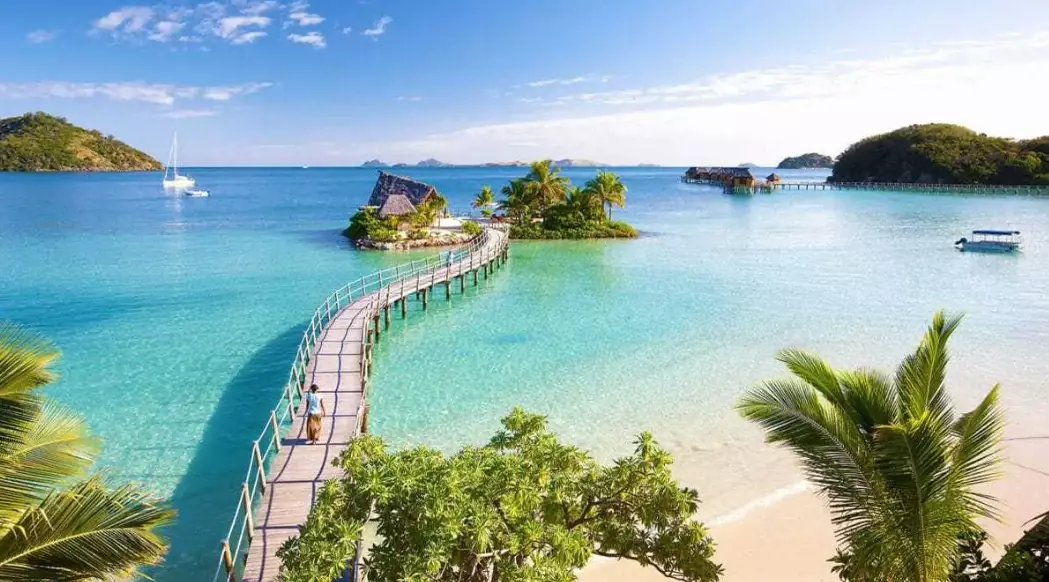
The Honeymooner or Luxury Seeker: You want perfection. May, late September, or October offer sublime weather but with slightly more breathing room and marginally better value than the July-August crush. This is the time for that overwater bure at places like Likuliku Lagoon Resort.
The Diver or Snorkeler: Water visibility is king. The dry season (May-Oct) is unbeatable, especially for the soft coral capital of the world in the Bligh Water and Somosomo Strait. Calm seas also make getting to dive sites easier. Manta Ray season in the Yasawas runs May-October.
The Surfer: You're chasing swell, not sun. Head to the Coral Coast or Tavarua in the wet season (Nov-Apr) when south and southwest swells light up the reefs. Cloudbreak doesn't care about a little rain.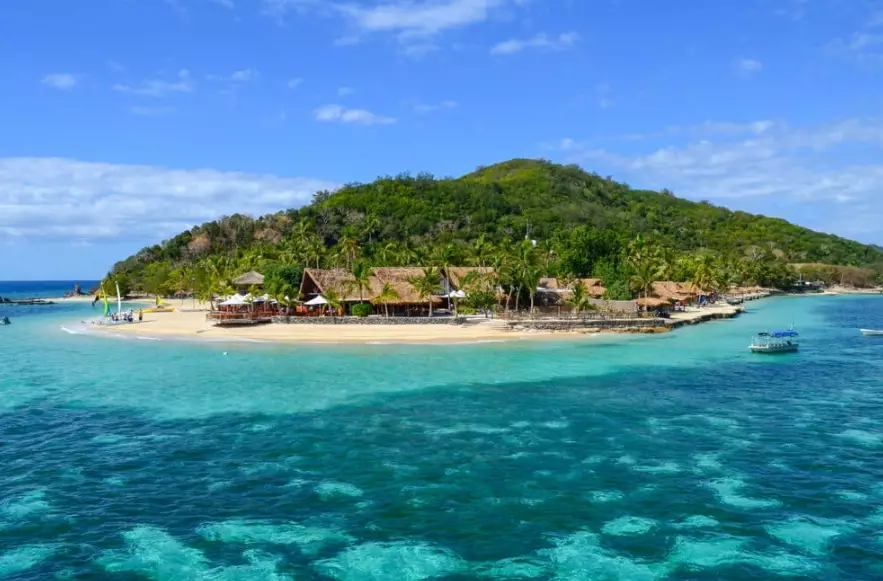
Putting It All Together: Two Sample Itineraries
Let's make this concrete. Here’s how timing shapes two very different trips from the US.
Scenario 1: The Dry Season Luxury Escape (Early June)
- Flights: Booked 9 months in advance from LAX to Nadi (NAN). Paid a premium for direct flights.
- Accommodation: 5 nights at a luxury adults-only resort in the Mamanucas (e.g., Tokoriki Island Resort). Overwater bure secured. Rates: ~$800-1000/night.
- Agenda: Guaranteed sun. Private beach picnics, scuba diving the reefs with 100ft visibility, a sunset cruise. All activities booked pre-arrival.
- Reality: The resort is full. Restaurants are bustling. You need dinner reservations. The experience is polished, predictable, and postcard-perfect.
Scenario 2: The Wet Season Adventure on a Budget (Late March)
- Flights: Found a sale fare from SFO to NAN with a stop in Hawaii. Booked 2 months out.
- Accommodation: Split time: 2 nights in a boutique hotel in Pacific Harbour (for river rafting), then a 5-night "Bula Pass" on the Awesome Adventures Fiji ferry, hopping between affordable backpacker resorts in the Yasawas. Average cost: ~$150-250/night.
- Agenda: Mornings for hiking and snorkeling. Afternoons might involve reading on a veranda during a tropical shower. Spontaneous decision to join a village visit. Used the savings to do the Navua River rafting and a shark dive.
- Reality: Lush, green scenery. Fewer tourists. A more relaxed, "go with the flow" vibe. One day was mostly overcast, but the water was bath-warm.

Fiji Travel Timing: Your Questions Answered
Is there a major difference in best time to visit from the US West Coast vs. East Coast?
Are last-minute deals to Fiji from the USA actually worth it?
 How should I handle travel insurance for Fiji, especially during cyclone season?
We're planning a multi-island trip. Does the best time vary between the Mamanucas, Yasawas, and Vanua Levu?
What's the one thing most people overlook when picking their travel dates?
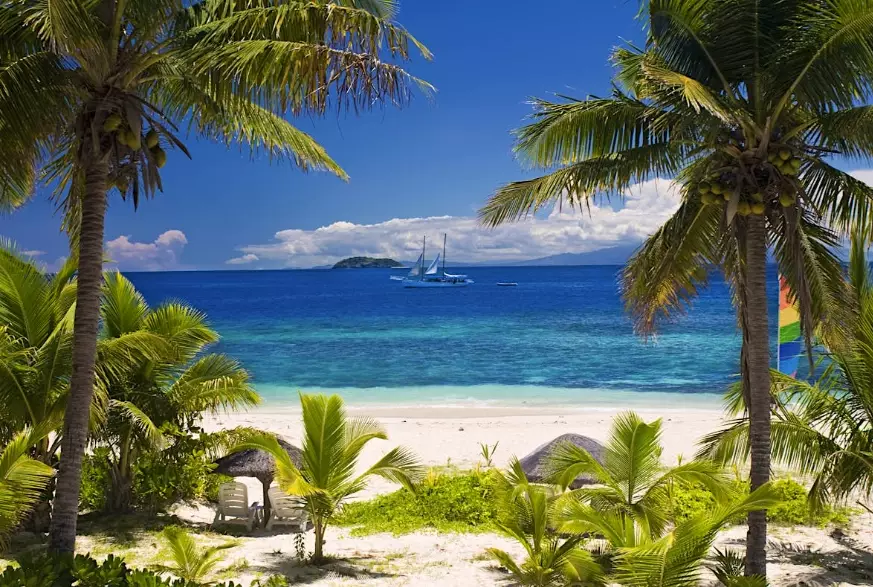 So, what's the final verdict? The absolute best time to visit Fiji from the USA for a balance of great weather, good value, and manageable crowds is during the shoulder months: May and October. You get dry season conditions without the peak season intensity.
But remember, "best" is personal. If your priority is budget and solitude, a well-insured trip in April or November could be your paradise. If guaranteed sunshine for a once-in-a-lifetime honeymoon is all that matters, then June or September is worth the splurge. Use this guide, be honest about what you value most, and you'll find your perfect Fijian window.



Comments
Join the discussion