Let's cut to the chase. Planning a month in New Zealand? You're probably staring at your savings and wondering if it's enough. I've been there—my first trip, I ended up overspending on adrenaline kicks in Queenstown. The truth is, a moderate traveler can expect to spend between NZD $3,000 and $5,000 per month, but that's just the start. This guide dives deep into the real costs, month by month, so you can budget without surprises.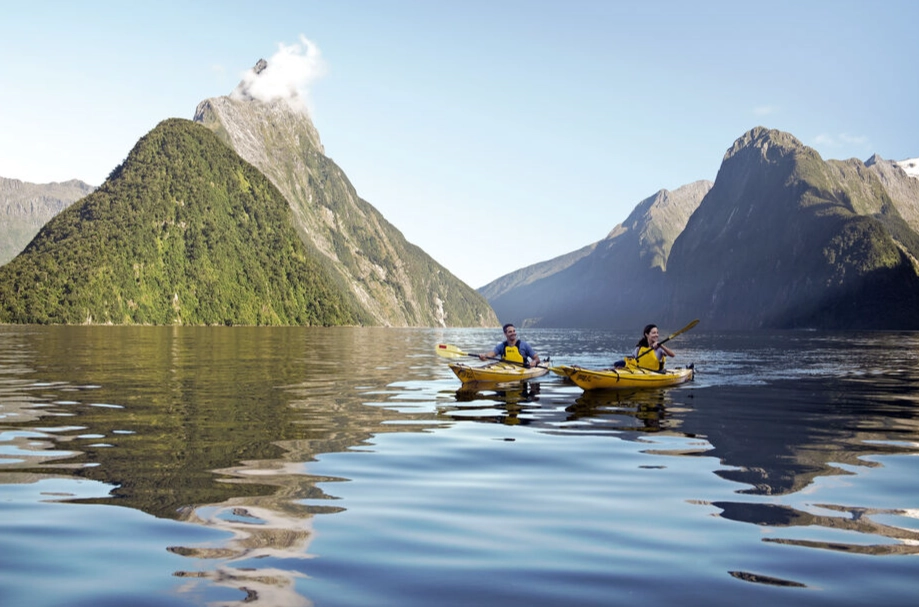
What's Inside This Guide
The Real Cost of a Month in New Zealand
Breaking down expenses is key. Most blogs give you averages, but I'll get specific. Think about it: where does your money actually go? Accommodation, food, transport, and activities—that's the core. Let's unpack each.
Accommodation Costs: From Hostels to Hotels
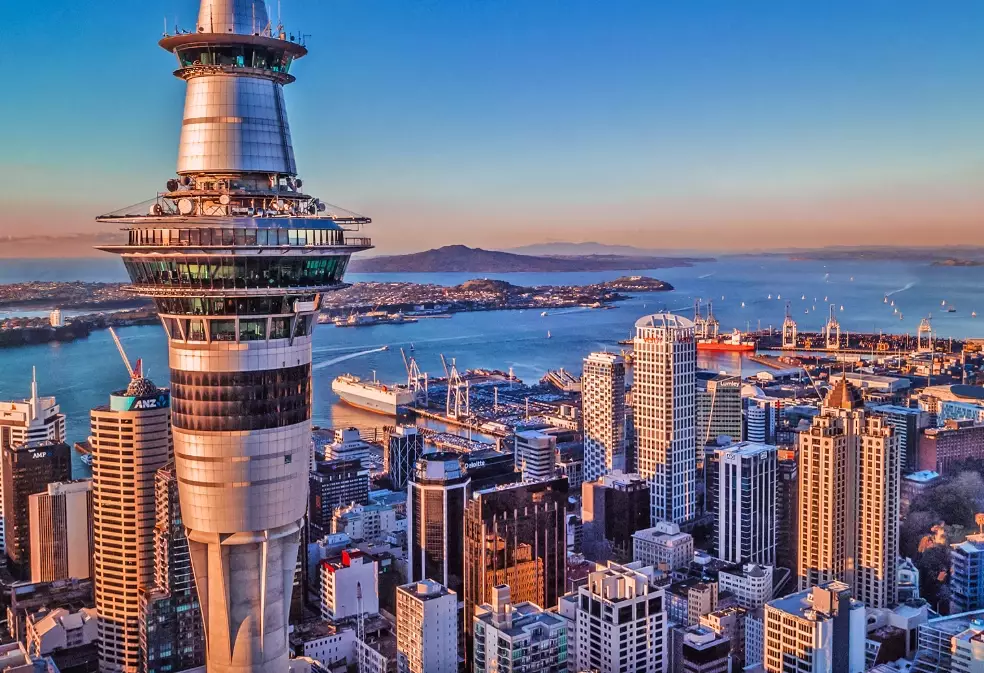
Accommodation eats up a big chunk. In cities like Auckland or Wellington, a dorm bed in a hostel runs NZD $30-$40 per night. Private rooms? More like $80-$120. I stayed at the YHA Wellington once—great location, but book early in summer. For a whole month, budget around $900-$1,500 for hostels, or $2,000-$3,000 for mid-range hotels. Campervans are popular; rentals start at NZD $80 per day, but include transport and lodging. Check sites like Campervan New Zealand for deals.
Food and Dining: Eating Out vs. Self-Catering
Food costs sneak up on you. A coffee in Christchurch is NZD $5, a burger at Fergburger in Queenstown (42 Shotover Street, open 6:30 AM to late) costs $15-$20. Dining out for dinner? $25-$40 per meal. But here's a tip: cook your own meals. Supermarkets like Countdown have decent prices—weekly groceries for one person cost about $80-$100. I saved heaps by making sandwiches for hikes. For a month, eating out daily might hit $1,200, while self-catering keeps it under $500.
Getting Around: Transport Expenses
Transport in New Zealand isn't cheap. Domestic flights between cities (e.g., Auckland to Christchurch) cost NZD $100-$200 one-way if booked early. Buses like InterCity offer passes; a month-long flexipass is around $500. Renting a car? Expect $40-$70 per day, plus fuel at NZD $2.20 per liter. I drove the South Island last year—fuel alone cost me $400 for the month. Public transport in cities is limited, so factor in rideshares or walking.
Activities and Attractions: What You'll Pay
This is where budgets blow up. Milford Sound cruise? NZD $80-$120. Hobbiton tour in Matamata (501 Buckland Road, tours daily 9 AM-5 PM): $84. Adventure activities like bungee jumping in Queenstown start at $200. But not everything costs a fortune—hiking the Tongariro Alpine Crossing is free, just need transport. For a month, if you do one paid activity every few days, budget $800-$1,500. Prioritize; I skipped some tours and don't regret it.
Pro tip: Many visitors underestimate activity costs. Book online in advance for discounts, and look for combo passes like the Department of Conservation's Great Walks bookings for cheaper access.
Smart Ways to Stretch Your Budget
You don't have to break the bank. I learned this the hard way. First, travel in shoulder seasons—April or November—when prices drop. Second, use loyalty programs for accommodation; I saved 10% with YHA membership. Third, cook more. Fourth, consider hitchhiking for short distances (common and safe in rural areas). Fifth, use free camping spots listed on the NZMCA website. Sixth, skip the fancy restaurants; food trucks offer great meals for half the price.
Another thing: avoid peak tourist traps. For example, instead of paid winery tours in Marlborough, visit cellar doors that offer free tastings. I did that and spent NZD $20 on wine samples instead of $100 on a tour.
Monthly Cost Variations by Season
Costs swing with seasons. Summer (December-February) is peak—accommodation prices jump 20-30%, and activities book out fast. Winter (June-August) is cheaper for lodging, but some roads close, and you'll spend more on indoor activities. Let's compare.
| Expense Category | Summer (NZD per month) | Winter (NZD per month) |
|---|---|---|
| Accommodation | $1,200 - $1,800 | $900 - $1,400 |
| Food | $600 - $1,000 | $500 - $900 |
| Transport | $700 - $1,200 | $600 - $1,100 |
| Activities | $1,000 - $1,600 | $800 - $1,300 |
| Total Range | $3,500 - $5,600 | $2,800 - $4,700 |
See the difference? Winter travel can save you up to NZD $1,000 a month. But remember, weather affects accessibility—some hikes like the Routeburn Track might be closed. Check the Department of Conservation website for updates.
Budget Scenarios for Different Travel Styles
Your travel style shapes costs. Here are three real-world examples based on my experience and data from Tourism New Zealand reports.
Backpacker Budget (Shoestring Travel)
This is for dorm beds, bus travel, and minimal paid activities. Monthly cost: NZD $2,500-$3,500. Breakdown: accommodation $900, food $400 (mostly cooking), transport $600 (bus pass), activities $600. You'll miss some luxuries, but it's doable. I met backpackers who camped free and spent under $2,000.
Family Travel (Moderate Comfort)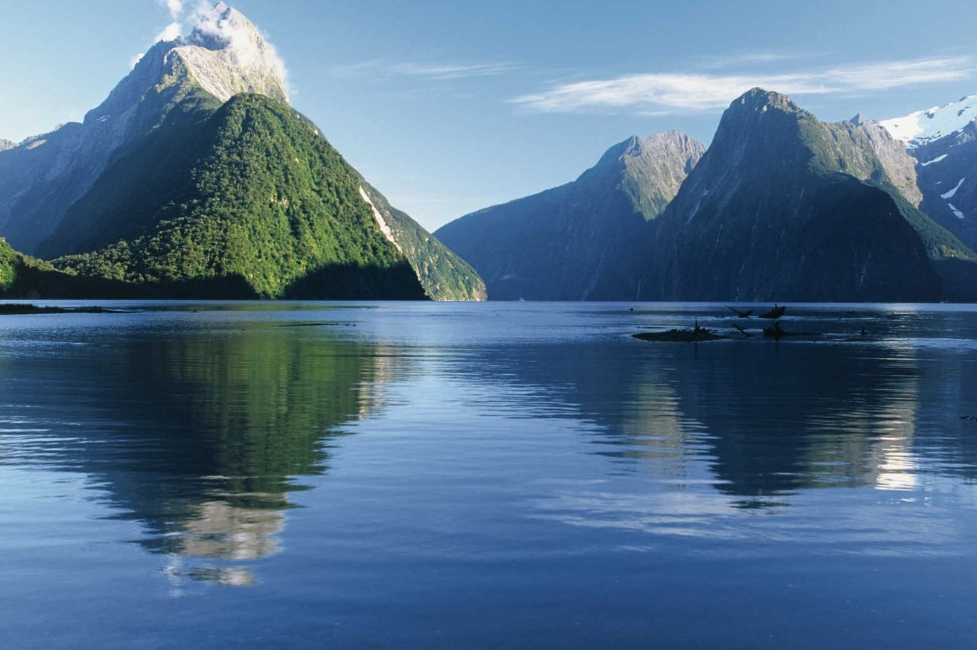
For a family of four, staying in holiday parks or Airbnb. Monthly cost: NZD $6,000-$9,000. Accommodation $2,500, food $1,200, transport $1,500 (rental car), activities $2,000. Kids' discounts help; many attractions offer family passes. Book self-contained units to save on meals.
Luxury Travel (High-End Experience)
Think lodges, fine dining, and guided tours. Monthly cost: NZD $10,000+. Accommodation $4,000, food $2,000, transport $2,000 (private transfers), activities $3,000. It's lavish, but you get convenience. I splurged once on a helicopter tour—worth it for the views, but not for everyone.
Notice how activities vary the most? That's where you control your budget.
Frequently Asked Questions
 What's the biggest budget mistake first-time visitors make when planning a month in New Zealand?
Wrapping up, New Zealand tourism cost per month isn't fixed—it's about choices. From my trips, I've seen budgets range from NZD $2,000 to over $10,000. Start with a plan, track your spending, and be flexible. Use resources like the official New Zealand tourism website for updates. Remember, the goal is to enjoy the landscapes without financial stress. So, crunch those numbers, pack your bags, and get ready for an adventure that fits your wallet.


Comments
Join the discussion