So you've decided on Iceland. Good choice. The photos of waterfalls, black sand beaches, and glaciers sold you. But now you're staring at a map, wondering how to string it all together without missing the good stuff or driving yourself into the ground. That's where a solid Iceland tourism itinerary comes in. Forget the generic lists. Let's build a trip that actually works, focusing on the iconic Ring Road (Route 1) – the single best way to see the country's staggering variety.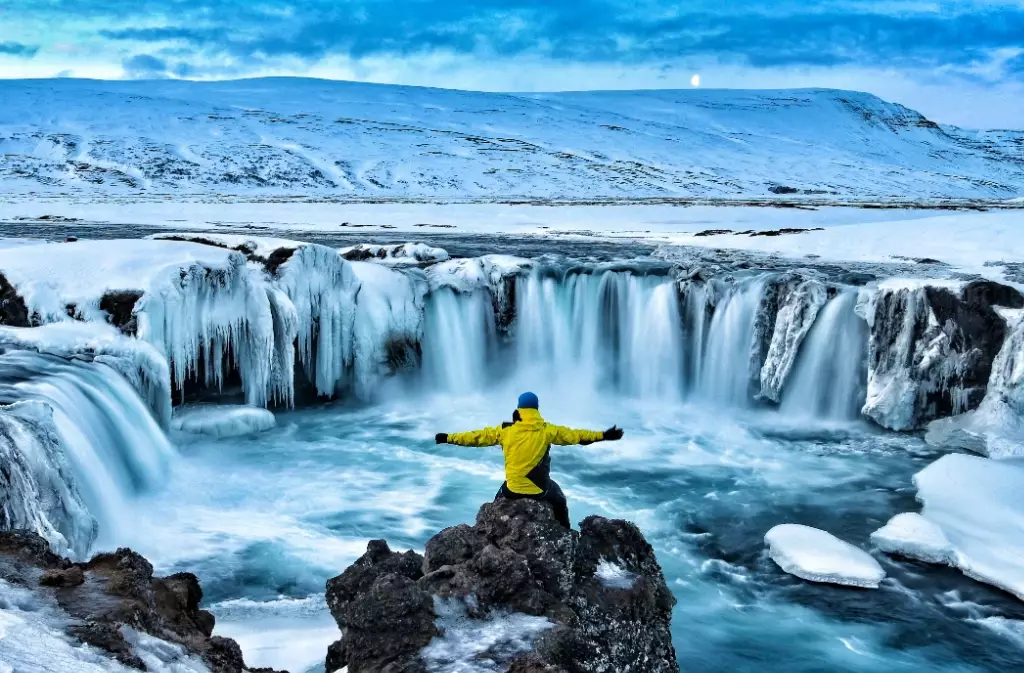
Your Iceland Adventure at a Glance
How to Plan Your Iceland Itinerary: A Step-by-Step Guide
Don't just copy an itinerary. Understand the logic. Your Iceland trip hinges on three things: time, wheels, and weather.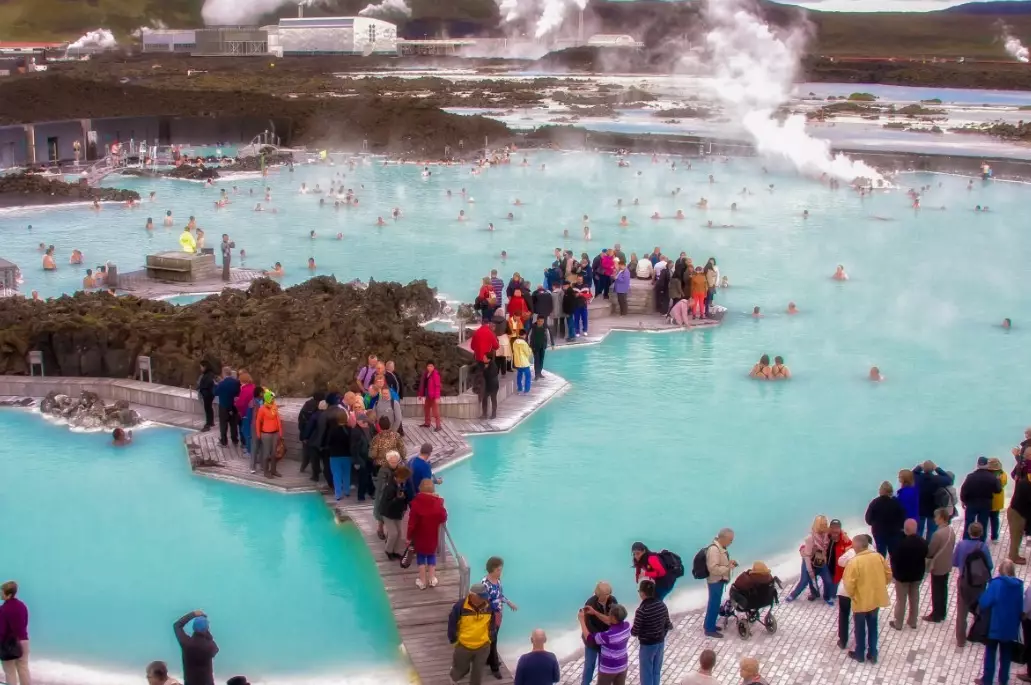
First, be realistic about time. The Ring Road is roughly 1300 km (800 miles). Google Maps will tell you that's about 16 hours of driving. It lies. You will stop every 20 minutes for a photo. In winter, driving is slower. A 7-day Ring Road trip is a sprint. You'll see the highlights but spend 4-6 hours driving most days. If you have 10-14 days, you can breathe, add detours like the Westfjords or the Snæfellsnes Peninsula, and actually hike.
Second, your vehicle is your lifeline. For a summer Ring Road trip, a standard 2WD car is technically sufficient as the road is paved. But I always recommend a small 4WD (like a Suzuki Vitara or Dacia Duster). Why? It gives you access to rougher F-roads leading to epic spots like Landmannalaugar or some highland viewpoints, and it's safer in sudden wind or rain. In winter (Oct-Apr), a 4WD is non-negotiable. Book your car early – months in advance. Use a comparison site like Northbound or directly with companies like Blue Car Rental or Lotus.
Third, let the weather guide you, not rule you. You'll hear "If you don't like the weather in Iceland, wait five minutes." It's true. Don't rigidly lock activities to specific days. Have a flexible mindset. Book accommodation with free cancellation if you can. The official Icelandic Met Office (Vedur.is) and Road.is are your best friends for real-time conditions.
Budget Reality Check: Let's be honest, Iceland isn't cheap. For a 7-day Ring Road trip for two in summer, expect:
- Rental Car (compact 4WD): $700-$1000
- Accommodation (guesthouses/rooms): $150-$250/night = $1050-$1750
- Food (mix of grocery & casual dining): $80-$120/day for two = $560-$840
- Fuel: ~$250-$350
- Activities (one paid tour like a glacier hike or lagoon boat): $200-$300 per person.
Total (excluding flights): Roughly $3000-$4500 for two. You can camp to slash costs dramatically.
The Ultimate 7-Day Iceland Ring Road Itinerary
This is a fast-paced, highlights-focused loop starting and ending in Reykjavik/Keflavik. It assumes you land early on Day 1.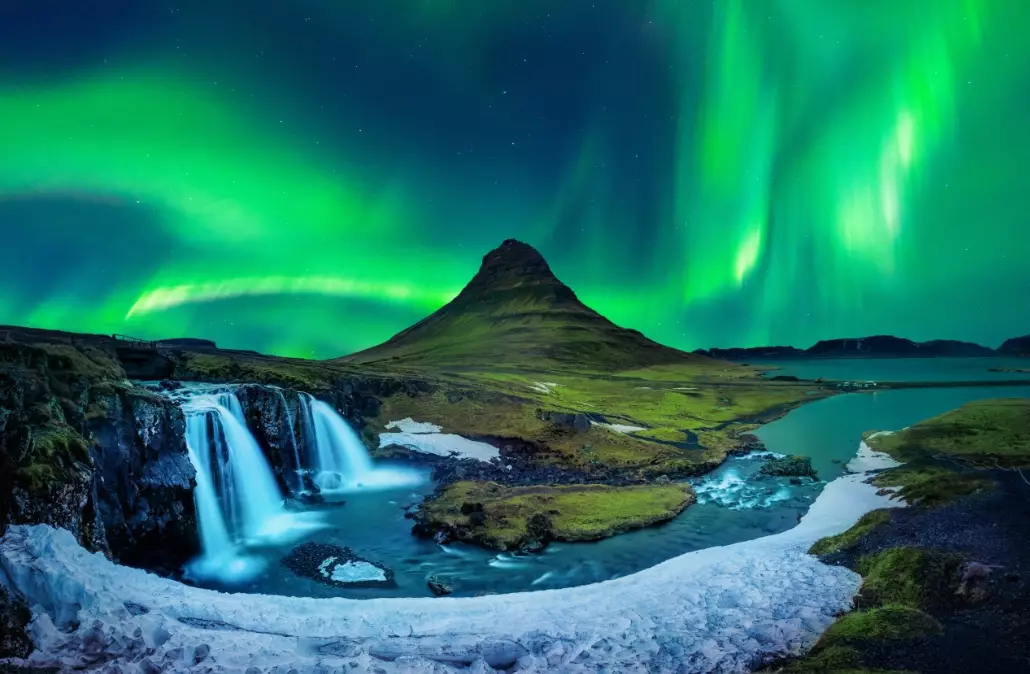
| Day | Route & Key Stops | Driving Time | Overnight |
|---|---|---|---|
| 1 | Keflavik → Thingvellir → Geysir → Gullfoss → Hella | ~3-4 hrs | Hella/Selfoss area |
| 2 | Hella → Seljalandsfoss → Skógafoss → Vik → Reynisfjara | ~2-3 hrs | Vik |
| 3 | Vik → Fjaðrárgljúfur → Skaftafell → Jökulsárlón → Höfn | ~3-4 hrs | Höfn |
| 4 | Höfn → Eastfjords (Stokksnes) → Egilsstaðir | ~4-5 hrs | Egilsstaðir |
| 5 | Egilsstaðir → Dettifoss → Lake Mývatn → Goðafoss → Akureyri | ~4-5 hrs | Akureyri |
| 6 | Akureyri → Whale Watching → Tröllaskagi → Blönduós | ~3-4 hrs | Blönduós / Near |
| 7 | Blönduós → Reykjavik (Explore) → Keflavik | ~2-3 hrs | Departure |
Day 1: Arrival & The Golden Circle
Land at Keflavik (KEF). Get your car. Skip Reykjavik for now – head straight to the Golden Circle. It's the classic intro.
Thingvellir National Park (Þingvellir): About a 50-minute drive. This is where you can literally walk between tectonic plates (North American and Eurasian). Parking is 750 ISK (about $5). Spend an hour walking the Almannagjá gorge. The visitor center has great exhibits but isn't essential if you're tight.
Geysir Geothermal Area: 45 minutes further. It's free to enter. The big geyser, Geysir, is mostly dormant, but its neighbor Strokkur erupts every 5-10 minutes, shooting water 20 meters high. It never gets old.
Gullfoss: A 10-minute drive. This massive two-tiered waterfall is powerful. There's an upper and lower viewing platform. It's free, but parking is included in the general area fee if you came via the main lot.
Instead of driving back to Reykjavik, continue east to spend the night around Hella or Selfoss. This sets you up perfectly for the South Coast tomorrow. Dinner tip: Try the pizza at Mika in Selfoss – a local favorite after a long day.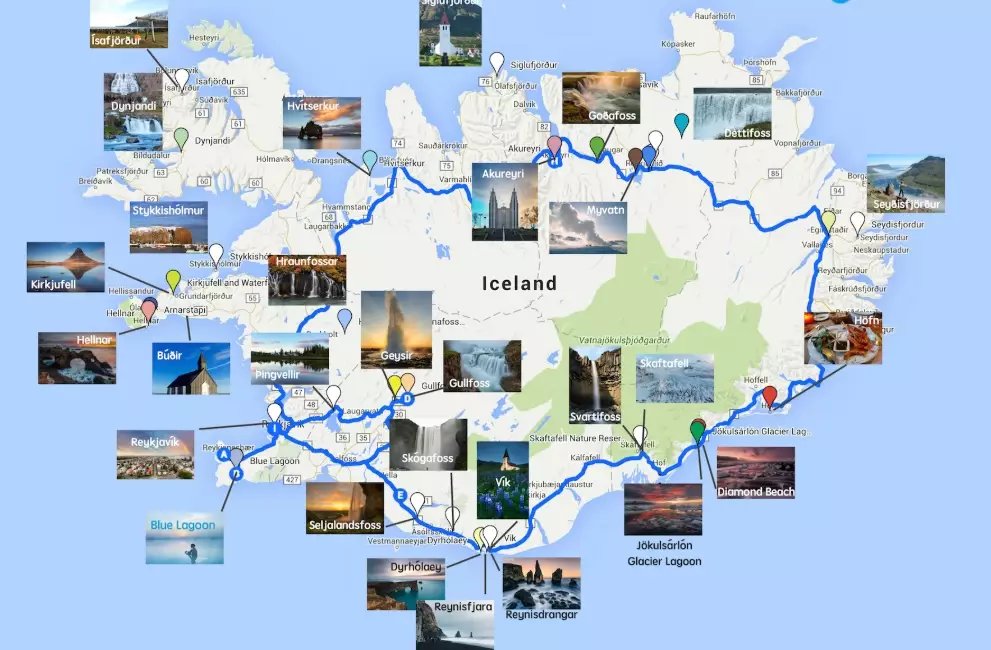
Day 2: South Coast Waterfalls & Black Sand
This is where Iceland's scenery starts to feel unreal.
Seljalandsfoss: From Hella, it's a 30-minute drive. You can walk behind this slender waterfall. You will get wet. Waterproofs are mandatory. Parking: 800 ISK.
Skógafoss: Another 25 minutes east. A huge, powerful wall of water. You can climb the steep staircase on the right for a breathtaking top-down view. Free parking.
Vik í Mýrdal: A charming village about 30 minutes further. It's a good spot for a lunch break (try the soup at Halldorskaffi) and to stock up on supplies. The woolen goods at the Icewear store are pricey but quality.
Reynisfjara Black Sand Beach: Just west of Vik. This is the famous beach with basalt columns and towering sea stacks. Heed the warnings: Never turn your back on the ocean. "Sneaker waves" are deadly serious. Stay far back from the waterline.
Overnight in Vik. Accommodation books up fast. Consider guesthouses like Guesthouse Carina or the more modern Hotel Vik í Mýrdal.
Day 3: Glaciers and Lagoons
A day of ice.
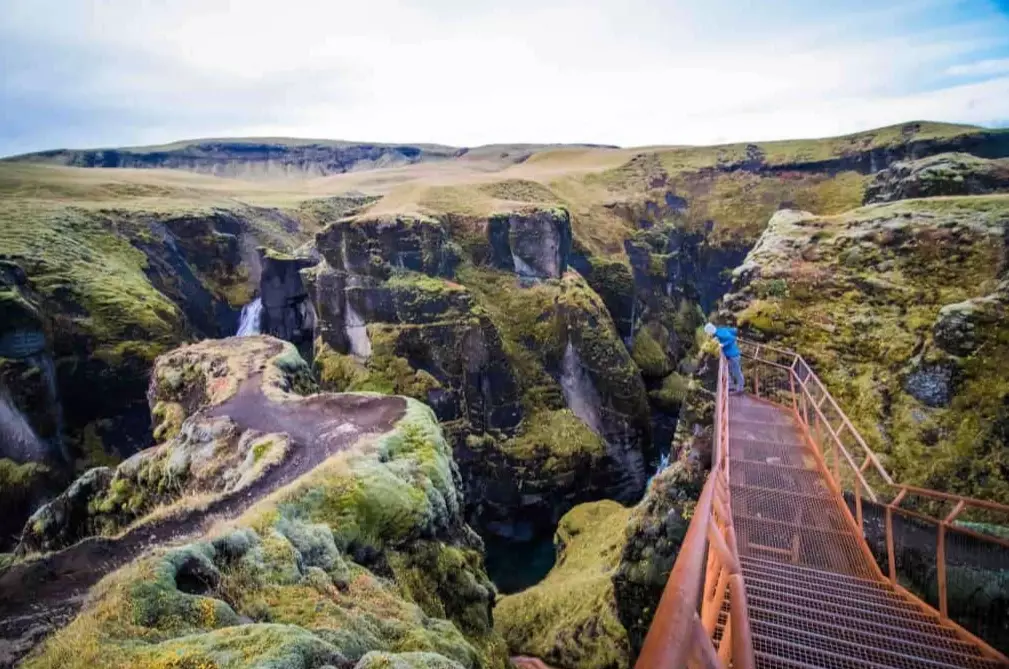
From Vik, drive past the vast sand plains. Stop briefly at the canyon Fjaðrárgljúfur (check if the walking path is open – it sometimes closes for preservation).
Skaftafell: Part of Vatnajökull National Park. This is the prime spot for a guided glacier hike. You must go with a guide (companies like Glacier Guides or Icelandic Mountain Guides). Book this in advance. If hiking isn't your thing, the walk to Svartifoss (the black waterfall framed by basalt) is about 1.5 hours round-trip.
Jökulsárlón Glacier Lagoon: A 45-minute drive. It's surreal. Icebergs calve from the glacier and float out to sea. You can take an amphibian boat tour (about 1 hour, bookable on-site or ahead) to get closer. Across the road is Diamond Beach, where ice chunks wash up on black sand. Magical.
Spend the night in Höfn, known for its langoustine. Try a lobster roll at Pakkhús Restaurant.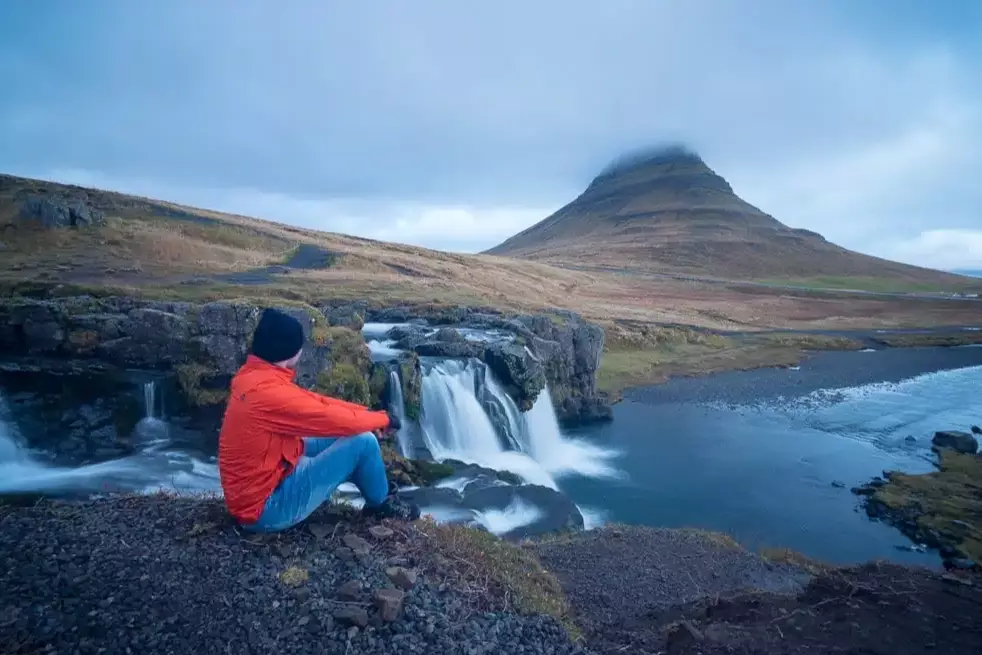
Day 4: The Eastfjords & Authentic Towns
Today is about the winding, dramatic coastal roads. Before leaving Höfn, consider a quick detour to Stokksnes peninsula for that iconic Vestrahorn mountain shot (there's a small fee to enter the Viking village area).
The drive to Egilsstaðir is long and winding, but stunning. Stop in villages like Djúpivogur. The pace is slower here. You'll feel far from the tourist crowds.
Overnight in Egilsstaðir. It's a functional town, a good base. If you have extra time and a capable 4WD, the remote wilderness area of Borgarfjörður Eystri (puffin capital in summer) is a stunning detour.
Day 5: North Iceland's Power
North Iceland feels raw and volcanic.
Detour to the mighty Dettifoss (Europe's most powerful waterfall). You can approach from the east (Route 864, rougher road) or west (Route 862, better paved). The west side has better views in my opinion.
The Lake Mývatn area is a geothermal wonderland. Don't miss:
- Hverir or Hverarönd: A bubbling, steaming mud pot area. Smells like sulfur, looks like Mars.
- Mývatn Nature Baths: The north's cheaper, less crowded answer to the Blue Lagoon. Soak here. Entry is about $40.
- Grjótagjá: A small lava cave with a geothermal spring (from Game of Thrones). You can't bathe, just look.
On your way to Akureyri, stop at Goðafoss, the "Waterfall of the Gods." It's wide and beautiful.
Overnight in Akureyri, Iceland's "second city." It's lovely. Walk up to the iconic church, Akureyrarkirkja. Dinner recommendation: Strikið for a nice meal with a view.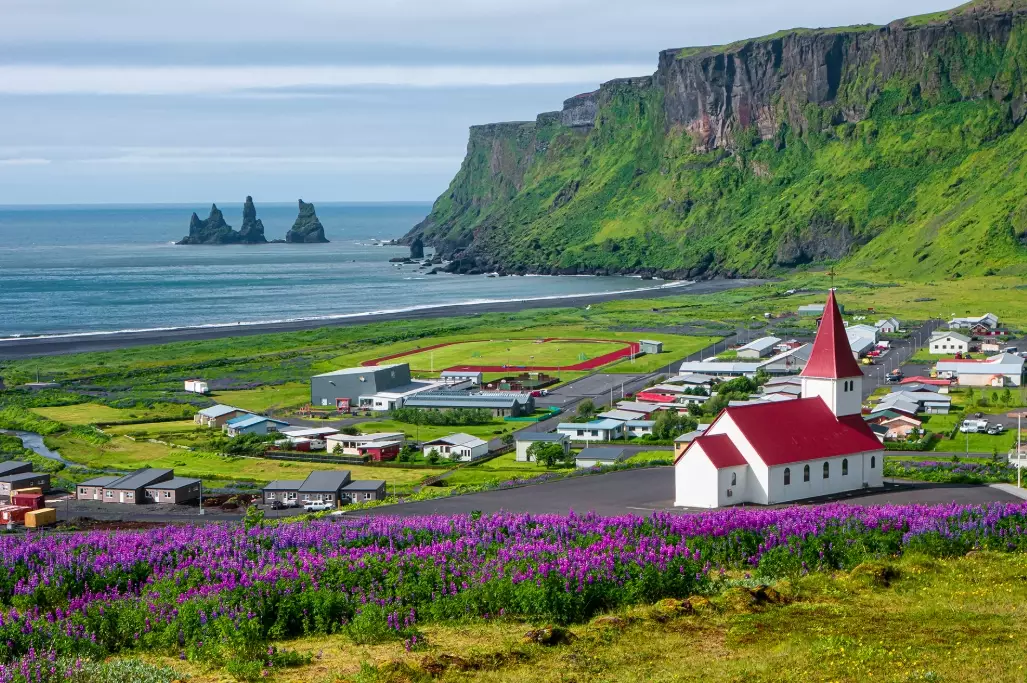
Day 6: Whale Watching & Peninsulas
Morning in Akureyri: Take a whale watching tour from the old harbor. Companies like North Sailing run reliable tours. Seeing humpbacks in Eyjafjörður fjord is common.
Afternoon: Drive the Tröllaskagi Peninsula (Troll Peninsula). Take Route 82 then 76, not the tunnel. This coastal road through mountains and tiny fishing villages like Siglufjörður is spectacular. The tunnels are single-lane with passing bays, so take it slow.
Overnight somewhere along the route, like Blönduós or nearby. It breaks up the long drive back to Reykjavik.
Day 7: Reykjavik & Departure
The final drive to Reykjavik is about 2-3 hours. If you have time before your flight:
- Explore Reykjavik: Walk the colorful shopping street Laugavegur, see the Sun Voyager sculpture, and check out Hallgrímskirkja church (you can pay to go up the tower).
- Consider the Blue Lagoon or the newer Sky Lagoon on your way to Keflavik airport. Both require pre-booking a timed slot. Sky Lagoon's "Ritual" is a fantastic experience. The Blue Lagoon is iconic but can feel crowded.
Drop your car at Keflavik airport and fly out.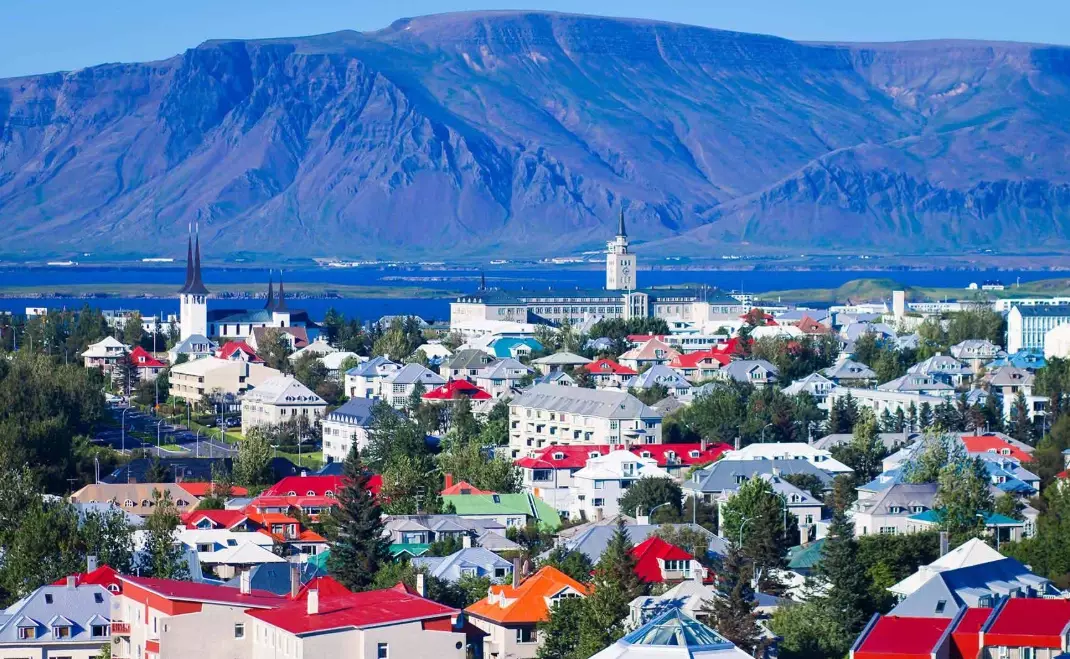
The Nuts and Bolts: Practical Iceland Travel Info
What is the Best Time to Visit Iceland?
It depends on what you want.
- Summer (June-August): Midnight sun, all roads/F-roads open, green landscapes, best for hiking and full Ring Road access. Most crowded and expensive.
- Shoulder Seasons (May & Sept): My personal favorite. Fewer crowds, decent weather, lower prices. You have a good chance at seeing Northern Lights in late Sept. Some highland roads may be closed.
- Winter (Oct-Apr): For Northern Lights, ice caves, and dramatic snowy landscapes. Short days (4-7 hours of daylight), challenging driving, and many secondary roads closed. Not ideal for a first-time Ring Road trip unless you're very confident in winter driving.
How to Get Around Iceland?
Car rental is king for flexibility. As said, book early. Get full gravel sand and ash insurance (SAAP). It's worth it.
Campervans are hugely popular. They solve your transport and accommodation in one. Great for summer. In winter, you need a specially equipped, heated van and to stay at campsites with facilities.
Guided tours or buses are an option if you don't want to drive. Companies like Trek Iceland offer Ring Road tours. You lose spontaneity but gain local insight and don't stress about conditions.
Fuel: Fill up whenever you see a station in remote areas (Eastfjords, North). Use a credit card with a PIN at automated pumps.
Packing Non-Negotiables: Waterproof jacket AND pants, insulated layer (fleece/down), hiking boots with good grip, swimsuit (for hot pots!), quick-dry towel, power bank, reusable water bottle (tap water is delicious), and a sleep mask for summer.
Iceland Itinerary FAQs: The Stuff You Actually Worry About
Is 7 days enough for an Iceland Ring Road itinerary?
It's the minimum to complete the loop without feeling like you're only seeing things from your car window. You'll cover the major sights, but it's fast-paced. If your goal is to truly experience places—like doing a long hike in Skaftafell, exploring the Eastfjords properly, or relaxing in the Mývatn baths—add at least 3 more days. A 10-day Iceland itinerary is the sweet spot for most.
Can I see the Northern Lights on this summer itinerary?
No. The Northern Lights require dark, clear skies. From late April to mid-August, it's essentially never dark enough in Iceland. For aurora hunting, plan your trip between September and March. Even then, it's a natural phenomenon, not a guarantee. Check the aurora forecast on the Vedur.is website.
 Is it safe to drive the Ring Road in winter?
It can be done, but it's not a beginner's road trip. You must be prepared for blizzards, black ice, whiteouts, and sudden road closures. A 4x4 is mandatory. You'll have very limited daylight (5-6 hours), which drastically changes the itinerary. Many travelers in winter focus on the South Coast (to Jökulsárlón) and the Reykjanes/Snæfellsnes peninsulas instead of the full Ring Road. Always check Road.is and Vedur.is multiple times a day.
Do I need to book all my accommodation in advance?
For summer and the shoulder seasons, absolutely yes. Especially in key stops like Vik, Höfn, and Akureyri. Places sell out months ahead. In winter, you have more flexibility, but booking ahead still gets you better prices and choices. Using a platform like Booking.com with free cancellation gives you flexibility if your plans shift due to weather.
What's the one mistake most first-timers make on their Iceland itinerary?
Overpacking their days. They see the driving times on Google and think, "Oh, only 4 hours, we can add five more stops." Factor in at least 50% more time for stops, photos, weather, and just absorbing the view. That 4-hour drive becomes a 6-7 hour day easily. The magic of Iceland is often in the unplanned pull-over, not just rushing to the next tick on the list.

Comments
Join the discussion