Let's cut through the vague estimates. You're here because you want a clear, honest picture of what a trip to Spain will cost you. I've been traveling there for over a decade, from backpacking on a shoestring to treating myself to nicer stays, and I've made every budgeting mistake so you don't have to. The good news? Spain offers incredible value, but the final cost swings wildly based on your choices.
Forget the "Spain is cheap" blanket statement. It's more accurate to say it's strategically affordable. You can easily spend €50 or €250 per person per day. The difference lies in the details: that midday menu del día versus a Michelin-starred dinner, a regional train versus a last-minute high-speed AVE ticket, a pension in a smaller town versus a hotel on Barcelona's Passeig de Gràcia.
What's in This Guide?
The Daily Cost Breakdown: Where Your Money Goes
To build your Spain travel budget, you need to understand the four main pillars. Prices are per person, and I'm using 2024 averages from major cities (Madrid, Barcelona, Seville) and popular regions. Smaller towns are often 20-30% cheaper.
Accommodation: Your Biggest Variable
This is the budget killer or saver. The golden rule: book early, especially for popular destinations. A room in Granada during the Feria de Abril can triple in price if you wait.
- Budget (Hostels & Pensions): €20-€40/night for a dorm bed or basic private room with shared bath. Look for places with kitchens to save on food.
- Mid-Range (Hotels & Apartments): €80-€150/night for a comfortable 3-star hotel or a well-located Airbnb apartment. This is the sweet spot for most travelers.
- Luxury: €200+/night. Think historic paradors, boutique design hotels, or 5-star chains.
My personal slip-up? I once booked a "great deal" in Madrid without realizing it was a 45-minute metro ride from the center. The €30 nightly savings were eaten up by time and transport tickets. Location matters.
Food & Drink: The Joyful Expense
You can eat like a king on a modest budget if you know the local rhythms.
The Magic of 'Menu del Día'
This is Spain's greatest budget travel hack. From Monday to Friday, most local restaurants offer a fixed-price lunch menu for €12-€20. It typically includes a starter (like salad or soup), a main course (often fish or meat), dessert or coffee, bread, and a drink (water, wine, or beer). The quality is usually excellent. Skipping this for a la carte lunches is the most common mistake I see tourists make.
Breakfast (desayuno) is light and cheap: coffee and a pastry for €3-€5. Dinner (cena) is later and can be tapas-hopping or a sit-down meal. A good tapas crawl with a couple of drinks can cost €15-€25. A nice restaurant dinner might be €30-€50 per person without drinks.
Transportation: Getting Around Spain
Spain has fantastic infrastructure. Internal flights can be cheap with budget airlines, but don't overlook trains and buses.
- Local Transport: City metro/bus tickets are €1.50-€2.50 per ride. A 10-trip pass ("T10" in Barcelona, "Metrobús" in Madrid) offers significant savings.
- Long-Distance Trains: Renfe's AVE high-speed trains are comfortable but pricey. A Madrid-Barcelona ticket booked last minute can be €120+. Book at least a month ahead on Renfe's website for fares as low as €40-€60. Regional trains (Media Distancia) are slower but much cheaper.
- Buses: Companies like ALSA and Avanza are the most affordable option for long distances. A Madrid-Seville bus takes 6 hours but can cost under €30.
- Car Rental: Ranges from €25-€60 per day, plus fuel (around €1.50/liter) and tolls (e.g., the AP-7 highway from Barcelona to Valencia can cost over €20).
Activities & Attractions
Many of Spain's best experiences are free: wandering the Gothic Quarter, soaking in the atmosphere of a plaza mayor, hiking in national parks. But some key attractions cost money.
- Major Sites: Alhambra in Granada (€19), Sagrada Familia in Barcelona (€26-€30), Prado Museum in Madrid (€15).
- Money-Saving Tip: Many museums offer free entry during specific hours (e.g., Prado: 6-8 PM Mon-Sat, 5-7 PM Sun). Plan around these.
- Flamenco Show: A tourist tablao can cost €40-€60 with a drink. Seek out smaller, authentic "peñas" for a more genuine and cheaper experience (€10-€20).
Realistic Budget Scenarios: Backpacker to Luxury
Let's put it all together. These are per person, per day estimates, excluding international flights.
| Travel Style | Accommodation | Food & Drink | Transport & Activities | Total Daily Range |
|---|---|---|---|---|
| Budget Traveler | €20-€30 (hostel dorm) | €20-€25 (menu del día, tapas, self-cooked meal) | €10-€15 (local transport, free walks, 1 paid site) | €50 - €70 |
| Mid-Range Traveler | €80-€120 (private room/hotel) | €35-€50 (mix of menu del día & nice dinners) | €20-€35 (inter-city transport, key attractions) | €135 - €205 |
| Luxury Traveler | €200+ | €80+ | €50+ (tours, premium seats) | €330+ |
A week for a mid-range couple? You're looking at roughly €2,000-€2,800 total, depending on how much you move around and splurge.
Navigating Transportation Costs in Spain
This deserves its own deep dive because it's where you can save or splurge massively.
Train vs. Bus vs. Plane: For distances under 300km, the bus is often the best value. Between 300-600km, the train is ideal if booked in advance. Over 600km, check flight prices, but factor in airport transfer time and cost.
The Renfe Pass Trap: Eurail/Interrail passes for Spain exist, but you often still need to pay a reservation fee for high-speed trains. Do the math. For a fixed itinerary, point-to-point tickets booked early are usually cheaper.
Driving: Renting a car is fantastic for exploring rural Andalusia, Galicia, or the Pyrenees. But in cities like Barcelona or Madrid, it's a costly hassle (parking can be €25-€30/day). Pick up and drop off outside major hubs.
How to Save Money Without Missing Out
Being smart isn't about deprivation. It's about redirecting funds.
- Travel Shoulder Season: April-May and September-October have great weather, fewer crowds, and lower prices than July-August.
- Stay Central but Not in the Core: In Madrid, look at neighborhoods like Chamberí or La Latina instead of right next to Puerta del Sol. You'll get better value and a more local feel.
- Embrace the Vermut Culture: Pre-dinner drinks (vermouth) often come with free tapas in cities like Granada and Madrid. It's a cheap and social way to eat.
- Buy Wine & Cheese from Supermarkets: Have a picnic in a park. A great bottle of Spanish wine can cost €5-€8 in a store versus €20+ in a restaurant.
- Walk, Walk, Walk: Spanish cities are made for walking. You'll discover more and save on transport.
A 7-Day Sample Itinerary & Cost Estimate
Let's make this concrete. A classic first-timer route: Madrid, Seville, and Granada for a mid-range traveler.
Day 1-3: Madrid. Fly into Madrid. 3 nights in a 3-star hotel near Anton Martin metro (€110/night). Visit the Prado (free hour), Royal Palace (€12), wander Retiro Park. Take the train to Toledo for a day trip (€20 round-trip regional train). Food: Mix of menu del días and one nice dinner out.
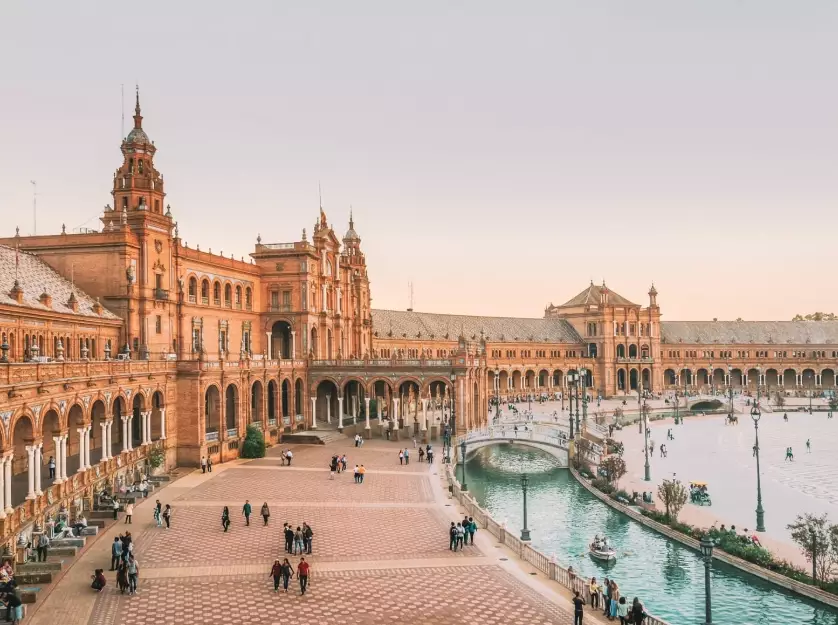
Day 4-5: Seville. Take the AVE train from Madrid to Seville (booked 6 weeks ahead, €45). 2 nights in a boutique hotel in Santa Cruz (€130/night). Visit the Cathedral & Giralda (€11), Alcazar (€13.50). See a flamenco show at a local peña (€15).
Day 6-7: Granada. Bus from Seville to Granada (3.5 hours, €25). 2 nights in a pension with Alhambra views (€90/night). Critical: Book Alhambra tickets online weeks in advance (€19). Enjoy free tapas with drinks in the Albayzín. Fly out from Granada (GRX) or take a bus back to Madrid.
Rough Total Cost (per person, excluding int'l flight): €1,100 - €1,400. This covers mid-range hotels, advance train tickets, key attractions, and good food.




Comments
Join the discussion