Let's cut to the chase. Yes, Iceland is expensive. But "expensive" is a relative term that scares people off without giving them the real numbers. The truth is, with smart planning, a trip to Iceland is absolutely within reach for most travelers. The shock often comes from poor planning, not the destination itself. I've visited in both summer and winter, made my share of budget mistakes, and learned how to stretch every krona. This guide isn't about cutting every corner; it's about understanding where your money goes and making informed choices so you can experience Iceland's magic without a financial hangover.
What You'll Find in This Guide
The Iceland Cost Myth vs. Reality
Everyone says Iceland is the most expensive country on Earth. It's not. According to Numbeo's cost of living data, it often ranks behind Switzerland, Norway, and even parts of the US like New York City. The perception is worse than the reality. Where people get burned is on three things: impulse buys, last-minute bookings, and underestimating transportation.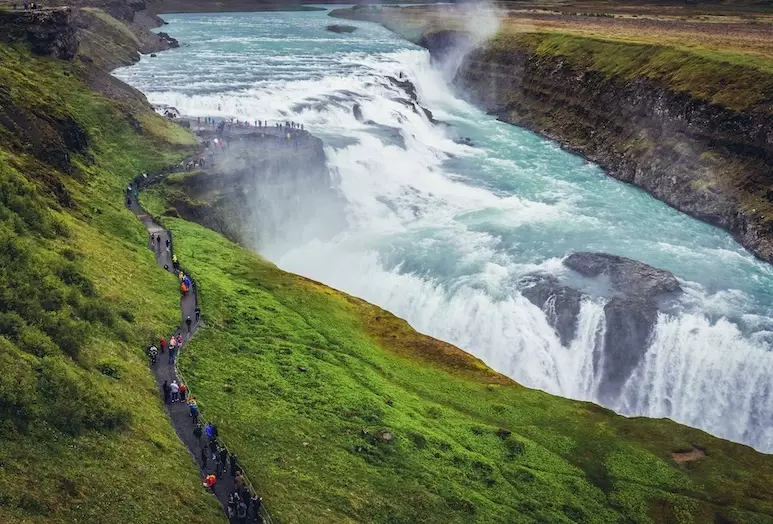
You won't find a $5 hostel bed or a $2 street food meal. But you also don't have to eat at a fancy Reykjavík bistro every night. The landscape is your main attraction, and it's largely free. The cost isn't a barrier; it's a parameter for your planning.
The Core Insight: Your biggest expense won't be food or even lodging if you're smart. It will be transportation and guided activities. For a self-drive trip (the best way to see Iceland), the car rental, gas, and insurance can easily eat up 40-50% of your total budget. That's the number one thing most first-timers miscalculate.
A Detailed Cost Breakdown for Every Category
Let's get into the nitty-gritty. All prices are in USD for mid-2024, based on average costs for a traveler, not a luxury seeker or an extreme budget backpacker. Assume 1 USD ≈ 140 ISK.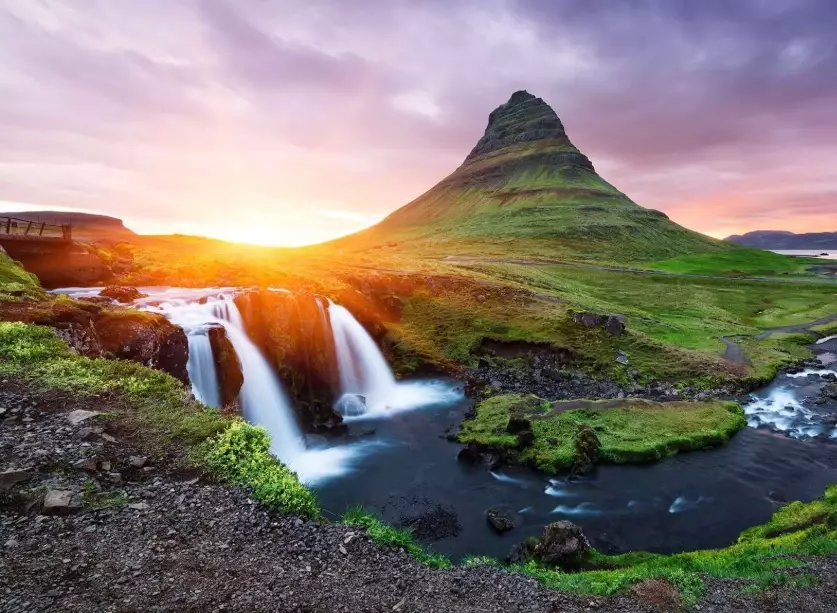
Transportation: Your Make-or-Break Cost
This is it. The big one.
- Car Rental: A small 2WD (like a Toyota Yaris) in summer averages $70-$100 per day. A 4x4 SUV (essential for F-roads or winter) jumps to $120-$200+ per day. Winter prices can be higher due to demand and required winter tires. I used Blue Car Rental on my last trip – transparent pricing, includes a second driver and WiFi. Avoid the airport kiosks of unknown brands offering "too good to be true" rates; their insurance add-ons are predatory.
- Gasoline/Petrol: This hurts. Prices fluctuate but expect roughly $2.20-$2.50 per liter. A full tank for a small car costs about $100. The Ring Road is 1,332 km (828 miles). Doing the full loop in a small car will cost $250-$350 in fuel alone.
- Insurance: DO NOT SKIP THIS. Gravel Protection (GP) and Sand & Ash Protection (SAAP) are non-negotiable in Iceland. Wind can whip gravel into your car, and ash storms happen. Rejecting this insurance can lead to a $2000+ bill for a cracked windshield. Good rental companies include it or offer it as a sensible package. Budget $15-$25 extra per day for proper coverage.
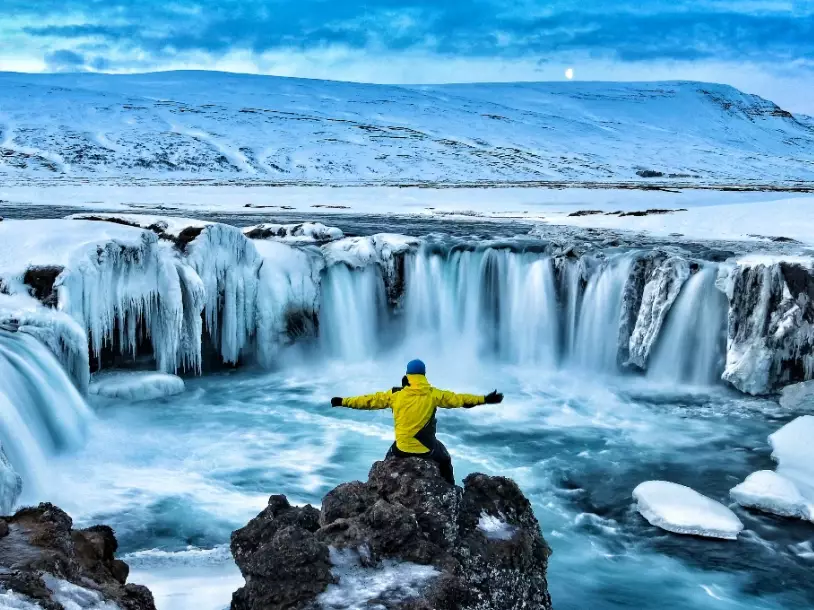
Pro Tip: Book your car rental at least 4-6 months in advance for summer travel. Prices double as you get closer. Use a comparison site like Northbound to see all reputable companies at once.
Accommodation: From Hostels to Farm Stays
Forget about chain hotel points. Iceland's charm is in its guesthouses.
- Hostel Dorm Bed: $40-$60 per night. Yes, for a dorm. Reykjavík is most expensive.
- Guesthouse/Farmstay Double Room (shared bath): The sweet spot. $120-$180 per night. You get local hospitality, often a kitchen, and incredible locations. I stayed at Guesthouse Hof 1 near Jökulsárlón – basic, clean, friendly, and right in the middle of the south coast action.
- Hotel/Hotel-Style Guesthouse (private bath): $200-$350+ per night.
- Camping: The budget king at $15-$25 per person per night at official campsites. You need your own gear, and summer weather is still unpredictable.
Food & Drink: How to Eat Without Going Broke
A sit-down restaurant meal with a main and a drink will run $35-$50 per person, easily. The key is balance.
- Reykjavík Restaurant Example: Íslenski barinn (The Icelandic Bar). Great for trying local dishes. A platter of lamb, fermented shark, and dried fish costs around $45. A classic lamb soup costs $25. Worth it for one experience.
- Lunch Saver: Gas stations! Seriously. N1 and Olís have surprisingly good, affordable soups, sandwiches, and even burgers for $12-$18. Their hot dogs ($5) are a national treasure.
- Supermarket Shopping: Bonus (the pink pig) is the cheapest. Kronan is also good. For a week of breakfasts, lunches, and some dinners for two, expect to spend $150-$200. Buy skyr, bread, cheese, cold cuts, fruit, pasta, and sauce.
- Alcohol: Buy any alcohol you want to drink at home at the Duty-Free store in Keflavik Airport upon arrival. It's 30-50% cheaper than the state-run Vínbúðin stores in town. A bottle of wine in a restaurant starts at $50.
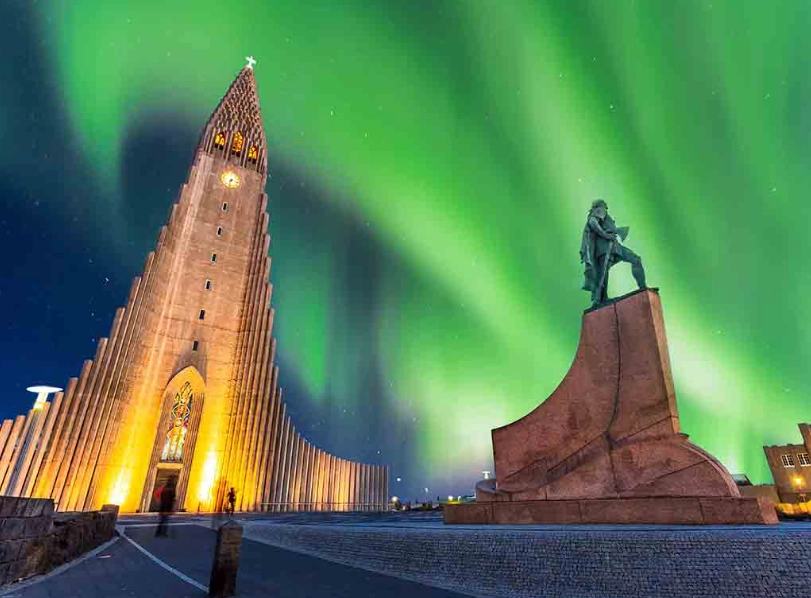
Activities & Attractions: Planning Your Splurges
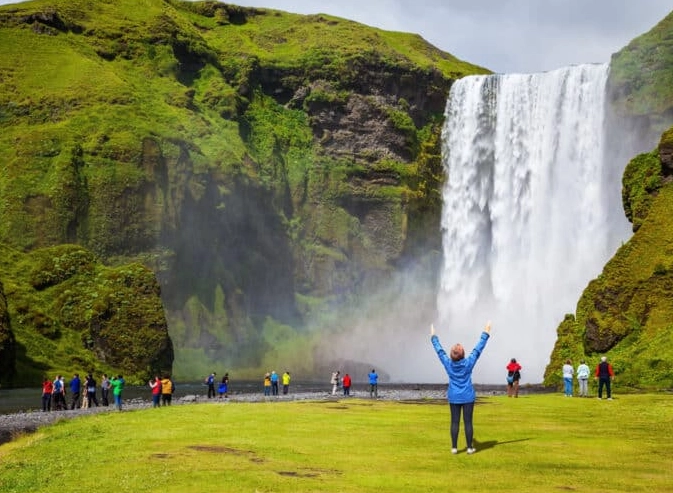
This is where you customize your budget. Many of the best things are free: waterfalls (Seljalandsfoss, Skógafoss), black sand beaches (Reynisfjara), hiking trails, and hot springs like Reykjadalur.
| Activity | Approx. Cost (per person) | Notes |
|---|---|---|
| Blue Lagoon (Comfort Package) | $70-$90 | Book weeks ahead. Sky Lagoon ($60-$80) in Reykjavík is a great, often less crowded alternative. |
| Glacier Hike (Sólheimajökull) | $120-$150 | 3-hour guided tour. A must-do. Don't try this alone. |
| Ice Cave Tour (Winter, from Jökulsárlón) | $150-$200 | Seasonal (Nov-Mar). Unforgettable. |
| Whale Watching (from Reykjavík or Húsavík) | $80-$110 | Húsavík is the "whale watching capital." |
| Silfra Fissure Snorkeling/Diving | $150-$300 | Swim between tectonic plates. Cold but unique. |
What's a Realistic Daily Budget in Iceland?
Forget the "$50 a day" blog posts. Here are three realistic tiers for a couple or two people traveling together, excluding international flights and assuming costs are split.
| Budget Style | Daily Budget (for two) | What It Gets You |
|---|---|---|
| Economy / Camping | $150-$220 | Camping or hostel dorm, 2WD rental, all meals self-cooked, few paid tours, lots of free hikes and sights. |
| Comfort / Standard (Most Realistic) | $300-$450 | Guesthouse double room (shared bath), 2WD or 4x4 rental, mix of supermarket lunches and 1 restaurant meal, 1-2 major paid tours per week, gas. |
| Luxury / Convenience | $600-$1000+ | Hotels/private bath guesthouses, 4x4 rental, restaurant meals, multiple guided tours, Blue Lagoon, no spending stress. |
The Comfort/Standard range is what most people should plan for. It allows for a genuine, enjoyable Icelandic experience without constant financial anxiety.
Sample 7-Day Ring Road Itinerary Cost
Let's put it all together for a classic 7-day South Coast & Golden Circle trip for two people in summer, using the "Comfort" style.
- Car Rental (Compact 2WD, full insurance): $85/day x 7 = $595
- Gas (for ~1200km): $280
- Accommodation (6 nights in guesthouses): $150/night avg x 6 = $900
- Food (mix of cooking & eating out): $80/day x 7 = $560
- Activities (1 Glacier Hike, Sky Lagoon): $150 + $70 = $220 (per person, so $440 for two)
Estimated Total for Two: $595 + $280 + $900 + $560 + $440 = $2,775
Per Person Cost: $1,387 for 7 days, excluding flights. That's roughly $200 per person per day. This is a realistic, actionable number you can use to start saving.
Pro Money-Saving Hacks (Beyond the Usual Tips)
Everyone tells you to book in advance and shop at Bonus. Here are some less obvious ones.
- Travel in the Shoulder Seasons (May or September). Prices for cars and accommodation drop 20-30% compared to peak July/August. The weather is still decent, and there are fewer crowds.
- Book Accommodations with Breakfast Included. It's often a better value than you think. A good guesthouse breakfast (eggs, bread, cheese, meat, skyr, coffee) can fuel you until a late lunch, saving you time and money.
- Use the App "Aurora" for Fuel. It shows real-time gas prices at every station in Iceland. The difference between the cheapest and most expensive station on your route can be $10-$15 per tank.
- Bring a Reusable Water Bottle and Coffee Cup. Tap water is pristine and free. Cafes often give a small discount for your own cup. It adds up.
- The Real Budget Killer is Snacks. That $4 chocolate bar and $5 soda at every gas station stop will quietly add $100 to your trip. Buy snacks in bulk at a supermarket on day one.



Comments
Join the discussion