Let's cut to the chase. You're planning a trip to New Zealand, staring at a map of two stunning islands, and the big question hits: how many days do you actually need? The internet is full of glossy brochures telling you to "see it all," but as someone who's planned trips there for over a decade and watched countless travelers make the same mistakes, I'm here to give you the real, unvarnished truth. The short answer? You need a minimum of 10 days to get a meaningful taste, but 14 to 21 days is where the magic happens. Anything less, and you'll spend more time in transit than experiencing the country's soul.
New Zealand isn't a small theme park you can dash through. It's a country built for slow travel, where the journey between point A and point B is often the highlight. Trying to cram both islands into a week is the single biggest error I see. You'll end up exhausted, missing the subtle beauty, and probably blowing your budget on rushed domestic flights. This guide won't just give you a number; it will give you the framework to build your own perfect trip, whether you have a week or a month.
Your New Zealand Trip at a Glance
What Really Decides How Long You Need?
Forget one-size-fits-all advice. Your ideal trip length depends entirely on your travel DNA. Ask yourself these questions honestly.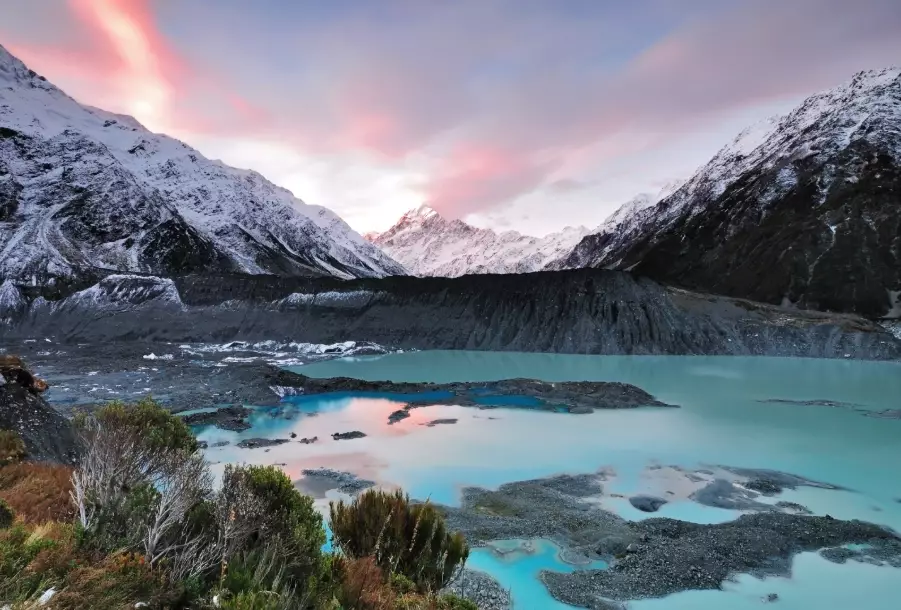
Your Travel Style: Are you a checklist warrior who needs to hit every major landmark, or a slow traveler who prefers to soak in a few places deeply? The former needs more days. The latter can have a richer experience in fewer days by focusing on one region.
Your Interests: New Zealand caters to wildly different passions. A dedicated hiker (or "tramper," as they say here) aiming for Great Walks like the Milford or Routeburn Track needs to block out 3-4 days per trek, plus recovery and travel time. A wine enthusiast exploring Marlborough or Central Otago might want 2-3 days just for cellar doors. Adrenaline junkies in Queenstown need buffer days for weather-related activity cancellations—common for skydiving or heli-hikes.
Your Budget: More days cost more money, but rushing costs more per day. A frantic 10-day trip with multiple domestic flights and last-minute bookings will have a higher daily cost than a relaxed 3-week road trip with pre-booked campervan or car rentals. Time is a currency here.
The Season: Summer (Dec-Feb) offers long days and stable weather, perfect for packing more in. Winter (Jun-Aug) means shorter days, especially in the south, and potential road closures (like the Crown Range Road near Queenstown), so you need to plan less distance per day. Shoulder seasons (spring/autumn) are a sweet spot.
The Non-Consensus View: Most guides tell you to "see both islands." I'll argue that for trips under 12 days, picking one island is the smarter, happier choice. The flight between Auckland and Christchurch eats half a day with airport hassle. Choosing one island allows for a circular road trip, less packing/unpacking, and a deeper connection to the landscape. A focused 10-day South Island road trip often delivers more wow moments than a frantic 14-day two-island dash.
From 7 Days to 3 Weeks: Sample Trip Plans
Here are concrete templates. Think of these as skeletons—you'll add the muscle based on your interests.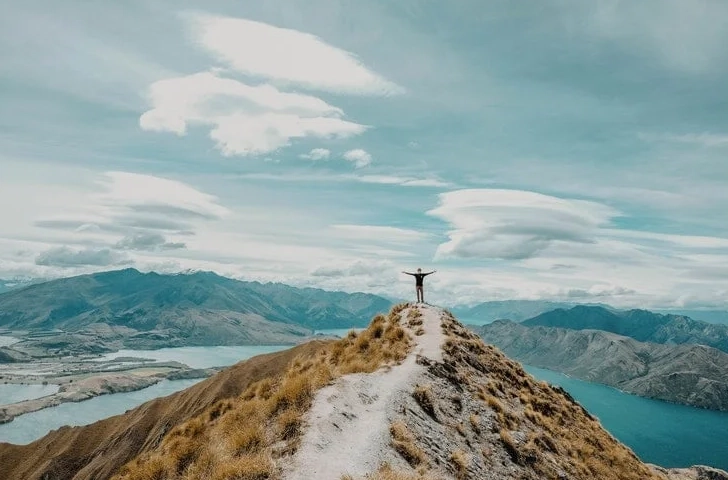
| Timeframe | Recommended Focus | Sample Route & Key Stops | Realistic Pace & Notes |
|---|---|---|---|
| 7 Days | One Island, One Region | North Island Cultural & Volcanic: Auckland (1 night) → Rotorua (2 nights) → Tongariro Day or Waitomo Caves → Wellington (2 nights). South Island Highlights Taster: Christchurch (1 night) → Tekapo/Pukaki (1 night) → Wanaka (2 nights) → Queenstown (2 nights). |
Fast-paced. You'll be moving every 1-2 days. Accept you're on a sampler platter. Not recommended for first-timers wanting the "classic" NZ postcard. |
| 10-14 Days | One Island In-Depth | South Island Classic Loop: Christchurch → Tekapo/Pukaki (1 night) → Mount Cook (1 night) → Wanaka (2 nights) → Queenstown (3 nights) → Te Anau (1 night) → Milford Sound day → Central Otago/Dunedin (1 night) → back to Christchurch. North Island Explorer: Auckland → Bay of Islands (2 nights) → Coromandel (2 nights) → Rotorua (2 nights) → Taupo/Tongariro (2 nights) → Wellington (2 nights). |
The golden range for most. Allows 2-3 nights in major hubs for day trips and activities without constant repacking. You can drive scenic routes like the Milford Road without a brutal schedule. |
| 15-21 Days | Two Islands Comprehensive | Grand Tour: Auckland (2) → Bay of Islands (2) → fly to Christchurch → Tekapo (1) → Mount Cook (1) → Wanaka (2) → Queenstown (3) → Te Anau/Milford (2) → Central Otago (1) → Christchurch fly to Wellington (2) → Rotorua (2) → Coromandel or Hobbiton (1) → Auckland (1). | Comfortable pace to cover major highlights of both islands. Includes 1-2 internal flights to save time. You can add a multi-day Great Walk if you plan far ahead. |
| 21+ Days | Deep Immersion | All of the above, plus detours to Stewart Island, the remote West Coast glaciers (Fox & Franz Josef), the Abel Tasman National Park by kayak, the forgotten highways of Northland, or a full 4-day Milford Track hike. | Luxury of time. You can wait out bad weather for key activities, stay in off-the-beaten-path towns, and truly travel slowly. This is how NZ is meant to be experienced. |
How to Build Your Day-by-Day Plan
Let's get specific. Here’s how a perfect day in two key hubs might look, to help you visualize pacing.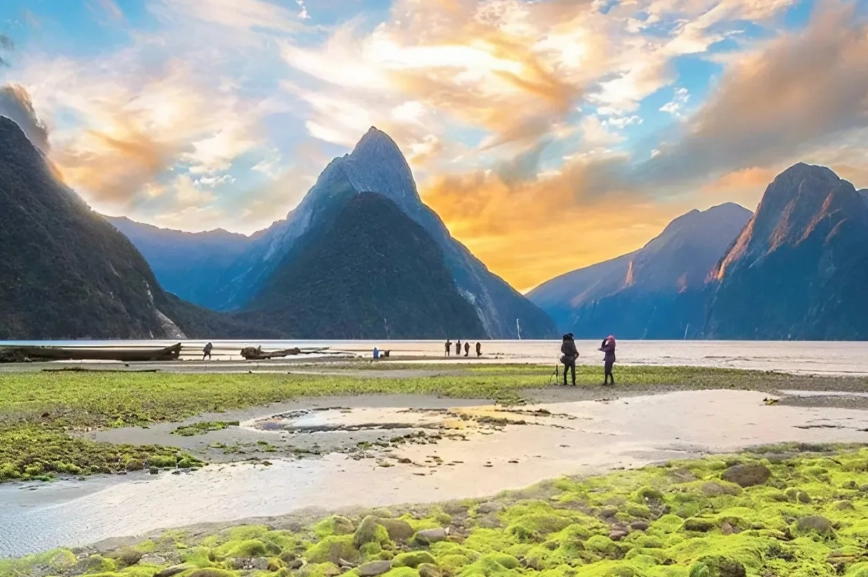
A Detailed Day in Queenstown (South Island)
You need at least 3 full days here. Don't treat it as a one-night stop.
Morning (Choose One): Book a morning shotover jet boat ride (approx. NZD $159, 1 hour) for adrenaline, or take the gondola to the Skyline (NZD $46, open 10am-9pm) for views and the luge. The latter is cheesy but genuinely fun. A local secret? Skip the crowded Fergburger at noon—go for a late-night burger after 9 pm, the line is shorter.
Afternoon: Drive 45 minutes to Glenorchy. The road itself is the attraction. Walk the Dart River/Routeburn track trailheads for an hour. No cost, just pure beauty. If you've booked a Milford Sound tour, most full-day buses leave around 7 am and return by 7 pm—it's a full, exhausting, but unforgettable day.
Evening: Dine at a restaurant like the Botswana Butchery (pricey but superb) or a casual pub like The Cow for pizza. Queenstown's dining is world-class but books out in peak season.
A Detailed Day in Rotorua (North Island)
This is your geothermal and Maori culture base. Allocate 2 full days.
Morning: Visit Wai-O-Tapu Thermal Wonderland (NZD $32.50, opens 8:30am, 30 min drive from town). Be there for the 10:15 am Lady Knox Geyser eruption—it's a bit staged but impressive. The colors are unreal. Book online to skip queues.
Afternoon: Choose between the Te Puia cultural center (NZD $70, includes geysers and kiwi bird house) or the Redwoods Treewalk (NZD $35 for day, $45 for night lights). For a free activity, hike in the Redwoods Forest (Whakarewarewa) among the giant California redwoods.
Evening: Attend a traditional hangi and cultural performance. Tamaki Maori Village is highly rated but book weeks ahead. It's touristy, but the food and storytelling are authentic and moving.
Booking Flights, Accommodation & Transport
This is where trips are made or broken.
Flights: Use Auckland (AKL) for North Island starts, Christchurch (CHC) for South Island starts. For two-island trips, consider an open-jaw ticket: into Auckland, out of Christchurch (or vice versa). This saves backtracking. Check Air New Zealand's official website for domestic deals, but also compare Jetstar for main routes.
Transport: For 2+ people, renting a car is almost always cheaper and far more flexible than buses. Book early, especially for automatics and campervans. I recommend rental companies like Apex or Go Rentals for good service and fair policies. Get full insurance—NZ roads are narrow and gravel driveways are common. Driving times on Google Maps are accurate—don't try to beat them.
Accommodation: A mix works best. Here’s a quick list of types and what to expect:
- Motels: The Kiwi classic. Often family-run, with kitchenettes. Great value. Look for ones with recent renovations. Expect NZD $120-$180/night for two.
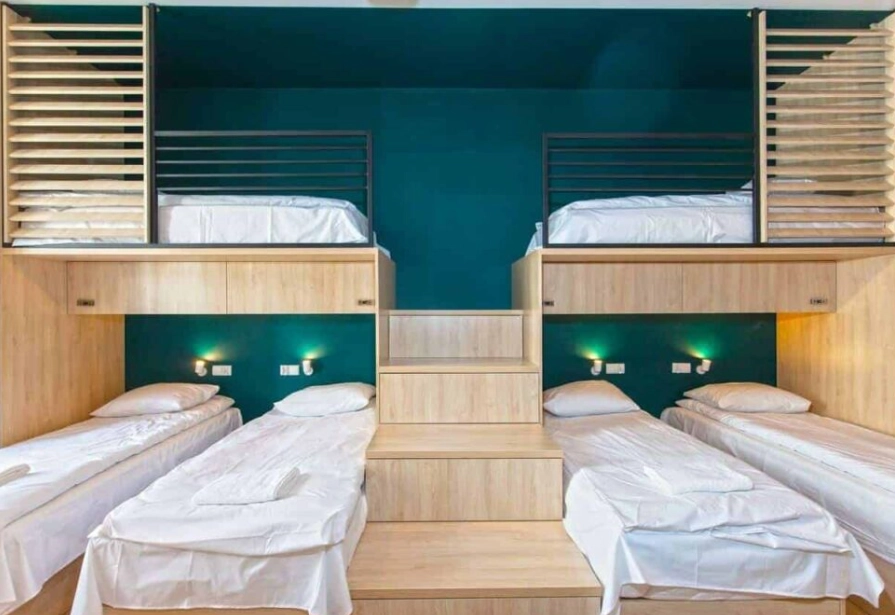
- Holiday Parks & Campgrounds: For campervans or tents. Facilities are excellent. Top 10 Holiday Parks is a reliable chain. Powered site: ~NZD $50-$70/night.
- B&Bs and Lodges: For splurges. Places like The Church in Tekapo or Eagles Nest in Russell offer unique experiences. NZD $250+/night.
- Major Hotel Chains: In cities (Auckland, Wellington, Christchurch). Book direct for best rates.
My personal strategy? Book the first 2 nights and the last night firmly. Keep the middle flexible if you can, so you can stay longer in places you love. In peak season (Dec-Jan), book everything.
What Will Your Trip Really Cost?
Let's talk numbers for a mid-range traveler, per person, in NZD.
- Accommodation: $120 - $180 per night (motel/B&B double room share)
- Rental Car/Campervan: $60 - $120 per day (fuel extra, approx. $30-$50/day)
- Food: $70 - $100 per day (mix of self-catering and one nice meal out)
- Activities: This is the wild card. A Milford Sound cruise: $120. A bungy jump: $200+ A wine tour: $150. Budget at least $100 per day if you're doing one big thing.
- Inter-Island Flight: $80 - $150 one-way if booked in advance.
So, for a comfortable 14-day trip for two, sharing costs, a realistic total budget is NZD $7,000 - $9,000 (approx. USD $4,200 - $5,400). You can do it cheaper by camping and hiking, or spend far more on luxury lodges and helicopter flights.
Your New Zealand Travel Questions, Solved
So, how many days do you need to visit New Zealand? It's not just a number. It's a balance between your dreams and the reality of the map. Give it the time it deserves. Whether it's 10 focused days or a leisurely month, planning with realistic pacing is the key to unlocking the magic. Don't just visit New Zealand; experience it.

Comments
Join the discussion