Ask ten people about the best African safaris, and you'll get twelve different answers. The Serengeti! The Okavango! Kruger! It's overwhelming. Having planned and guided trips across the continent for over a decade, let me tell you, the "best" safari isn't a place—it's the one that matches your dream. Your budget, your tolerance for dust, the animals you're desperate to see, even how you feel about camping. This guide cuts through the glossy brochures. We'll compare the heavyweights, expose the hidden costs nobody talks about, and give you the straight talk you need to plan a trip that actually lives up to the hype.
Your Safari Journey Starts Here
East vs. South: The Safari Heavyweights Compared
Think of it as two different leagues. East Africa (Tanzania, Kenya) is the classic, dramatic savanna experience—think The Lion King. Vast, open plains, massive herds, and the iconic Great Migration. Southern Africa (Botswana, South Africa, Zambia, Zimbabwe) is more intimate and varied, blending waterways (the Okavango Delta), thick bush, and easier self-drive options.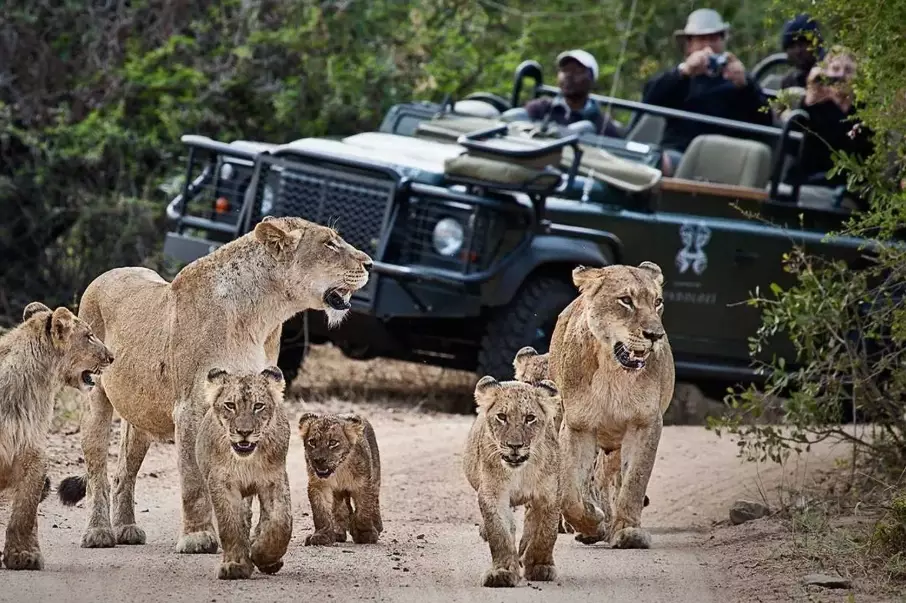
| Destination | Best For | Peak Season | Budget Vibe (Per person, per day) | Signature Experience |
|---|---|---|---|---|
| Tanzania (Serengeti, Ngorongoro) | The Great Migration, vast landscapes, big cat density. | Jun-Oct (Dry season for river crossings). | Mid-Range to Luxury ($400-$1000+). Budget options limited inside parks. | Witnessing a river crossing in the Northern Serengeti. |
| Kenya (Masai Mara) | Concentrated wildlife, cultural visits (Maasai villages), shorter travel times from Nairobi. | Jul-Oct (Migration in the Mara). | Wide range. Budget camping ($150) to ultra-luxury ($1500+). | Balloon safaris over the Mara plains at sunrise. |
| Botswana (Okavango Delta, Chobe) | Water-based safaris (mokoro canoes), extreme exclusivity & low-impact tourism. | May-Oct (Delta is flooded, animals concentrate). | Premium. Focus on high-cost, low-volume ($600-$1500+). True budget travel is very hard here. | Gliding silently past elephants in a mokoro. |
| South Africa (Kruger & Private Reserves) | First-timers, self-drive flexibility, malaria-free options (e.g., Madikwe), fantastic infrastructure. | May-Sep (Dry, cooler winter). | Huge range. Self-drive camping ($50) to all-inclusive luxury lodges ($800+). | Night drives in a private reserve to see elusive leopards & hyenas. |
| Zambia (South Luangwa, Lower Zambezi) | Walking safaris (they pioneered them), adventurous feel, less crowded. | Jun-Oct. | Mid-Range to Luxury ($300-$800). | Tracking animals on foot with an expert guide—heart-pounding and immersive. |
My non-consensus take? Everyone obsesses over the Great Migration, but if you're not there during the river crossings (a narrow, chaotic window), the experience in the Serengeti or Mara isn't that different from other great parks in the dry season. Sometimes, the pressure to "see the migration" leads to disappointment. For a first safari, South Africa's Kruger region or Kenya's Mara often offer more reliable, concentrated, and logistically easier wins.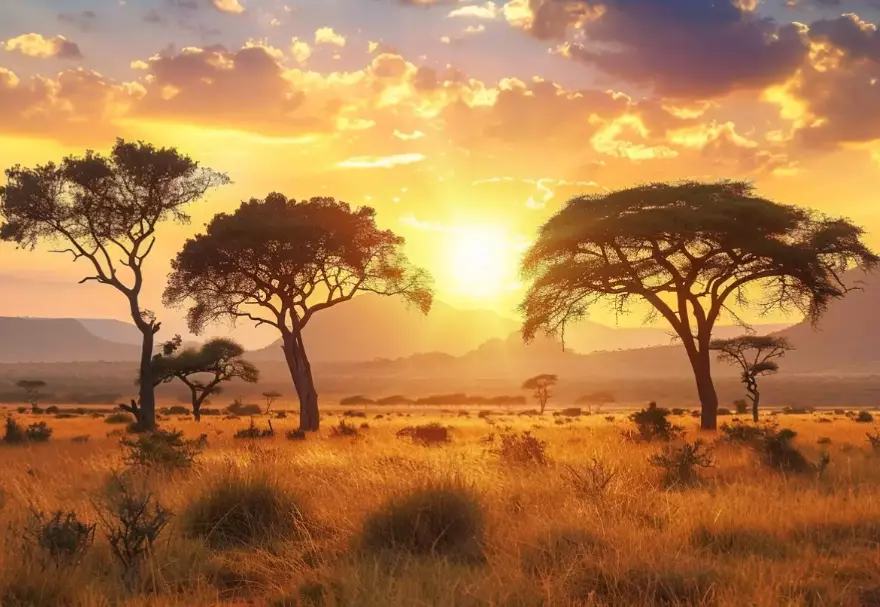
Your Safari Planning Blueprint: Budget, Time & Gear
Demystifying the Real Cost of a Safari
Let's talk numbers, because sticker shock is real. A safari cost isn't one number; it's a stack of layers.
- The Base Package: This covers lodge/camp, meals, game drives, and park fees. Budget camping: $150-$350/day. Mid-range lodge: $400-$700/day. Luxury: $800-$2000+/day.
- The Sneaky Extras: This is where budgets blow up. International flights ($1000-$2000 from US/EU). Internal flights in Africa, especially in Botswana or between Tanzanian parks, can add $500-$1000 per person. Tipping is expected—budget $20-$50 per day for your guide and camp staff collectively.
- Park Fees: They vary wildly. Ngorongoro Crater is ~$70 per person per day. Serengeti is ~$80. Botswana's daily fees are lower, but built into expensive lodge rates. South Africa's Kruger entry is under $30.
I once had a client meticulously plan a $5,000 lodge budget but forgot to budget for internal flights and tips, adding an unexpected $1,500. Don't be that person.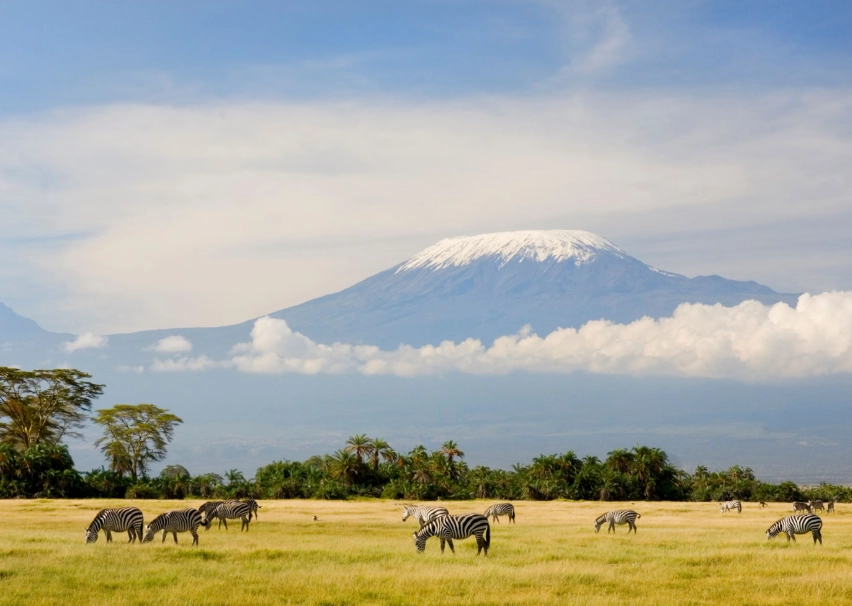
How Many Days Do You Really Need?
Fewer than 7 nights total is a mistake. You lose days to travel, and wildlife viewing is a game of probability. More days = more chances.
The Non-Negotiable Packing List (Beyond the Camera)
You know about neutral colors. Here's what blogs forget:
- Binoculars (10x42): Your most important tool after your eyes. Don't cheap out. Sharing is frustrating.
- A Warm Layer & Beanie: Morning game drives in open vehicles are cold, even in Africa. A fleece and light gloves are lifesavers.
- Power Bank & Universal Adapter: Many camps have limited charging hours in the main area.
- Small USD Bills ($1, $5, $10): For tipping and incidental purchases. Crisp, post-2006 bills.
Top Parks & Sample Itineraries Decoded
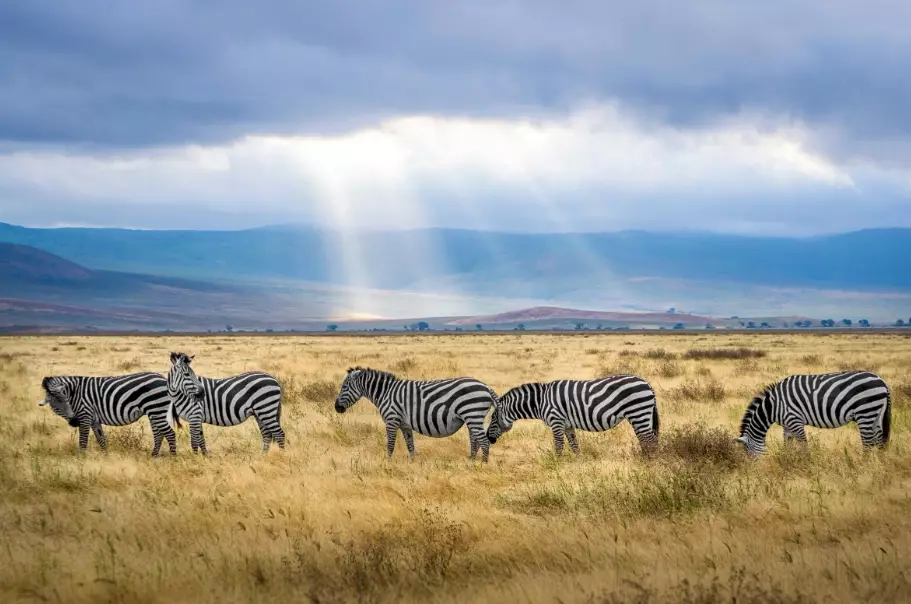
1. The Classic Great Migration Circuit (Tanzania)
Ideal for: Those wanting the epic, textbook safari.
Core Parks: Serengeti National Park (Central & North), Ngorongoro Conservation Area.
Gateway: Kilimanjaro International Airport (JRO). Fly to Arusha.
Sample 7-Night Flow: 2 nights Arusha (adjust) → 1 night Lake Manyara (optional) → 2 nights Central Serengeti (great year-round game) → 2 nights Northern Serengeti (for Jul-Oct river crossings) → 1 night Ngorongoro Crater (full day crater tour) → back to Arusha.
Key Logistics: You'll need a driver/guide and a 4x4 vehicle. Road transfers between parks are long and bumpy (6-8 hours). Consider domestic flights between Serengeti zones to save time.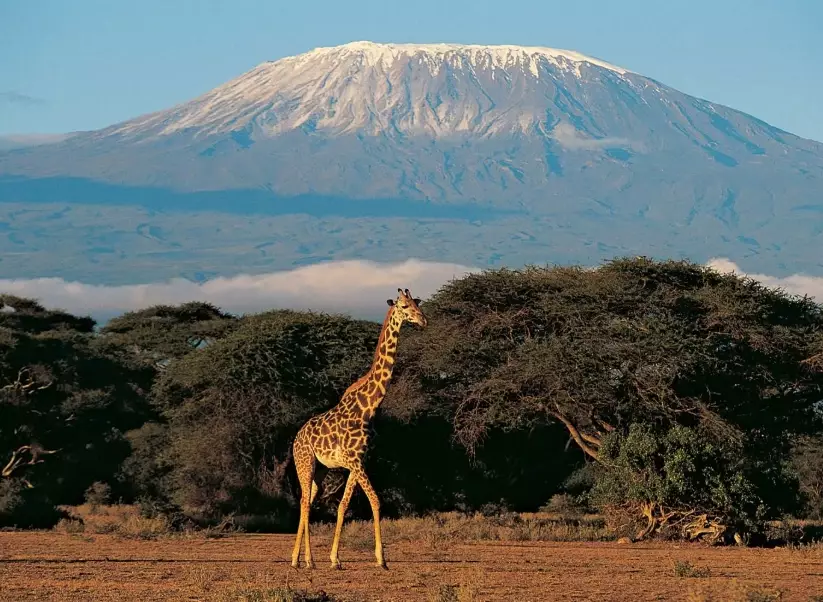
2. Luxury & Diversity in Botswana
Ideal for: Discerning travelers wanting exclusive, eco-focused experiences.
Core Areas: Okavango Delta (Moremi Game Reserve & private concessions), Chobe National Park (riverfront).
Gateway: Maun (MUB) for the Delta, Victoria Falls (VFA/LVI) for Chobe.
Sample 7-Night Flow: 2 nights Chobe (riverboat safaris) → short flight → 3 nights Okavango Delta (mokoro + game drives in a private concession) → short flight → 2 nights Linyanti/Savuti region (predator hotspot) → depart.
Key Logistics: This is a fly-in safari. You MUST book through an operator who coordinates the small charter flights between remote bush airstrips. Trying to DIY this is virtually impossible.
3. The Accessible All-Rounder (South Africa)
Ideal for: First-timers, families, self-drivers, those with limited time.
Core Areas: Kruger National Park (public rest camps) & adjacent Private Game Reserves (Sabi Sands, Timbavati).
Gateway: Johannesburg (JNB), then 1hr flight to Skukuza (SZK) or Hoedspruit (HDS), or a 5-6 hour drive.
Sample 7-Night Flow: 2 nights in a Private Reserve (Sabi Sands for guaranteed leopard sightings) → transfer → 3 nights in Kruger (self-driving or guided drives from a rest camp like Skukuza or Lower Sabie) → 2 nights in scenic Blyde River Canyon → back to Johannesburg.
Key Logistics: The private reserves offer guided drives on open vehicles with off-road access. Kruger public parks allow self-driving on paved/gravel roads. Combining both gives you the best of both worlds.
I remember a single afternoon in the Serengeti's Seronera region: we found a leopard in a tree, a lion pride on a kill, and a cheetah surveying the plains. That's the magic of being in the right ecosystem with enough time.
Booking Logistics & The Expert Move
Booking a safari is not like booking a beach holiday. Here's the hierarchy:
- Find a Reputable, Africa-Specialist Tour Operator. Not a general travel agent. Look for companies with direct partnerships on the ground. They know which camps have the best guides, how to sequence flights, and can secure permits. They get better rates than you can online. Reference: The African Travel and Tourism Association (ATTA) is a good place to find vetted operators.
- Communicate Your True Priorities. Be brutally honest: "My non-negotiable is seeing a rhino," or "I need a camp with a pool for the kids," or "I get bored easily, so I want lots of activity variety." This helps them tailor the trip.
- Book Early. For peak season (Jul-Oct), book 12-18 months in advance for the top lodges. 9-12 months is comfortable for other times.
- Get Travel Insurance. Not just any insurance—get a policy that covers emergency medical evacuation from remote areas. It's crucial.
Safari Questions Answered (No Fluff)
The best African safari is the one you come back from not just with photos, but with stories—the chill of a morning mist, the smell of rain on dry earth, the silent communication between a guide and a tracker. It's about placing yourself in the right landscape, with enough time, and the right people to guide you. Do the research, set a realistic budget, and then let the continent work its magic.
Comments
Join the discussion