Key Takeaways
So, you're dreaming of those turquoise waters, swaying palms, and the famous Bula smile. But then a nagging thought hits you: is Fiji very expensive? I had the exact same worry before my first trip. The short, honest answer? It can be. But it absolutely doesn't have to break the bank. The real cost of a Fiji trip is a sliding scale, stretching from barebones backpacking to ultra-luxury overwater bungalows. The "expensiveness" entirely depends on where you stay, what you eat, how you get around, and which islands you choose to visit.
Let's cut through the glossy brochure prices. I've spent time hopping between the main island and the outer islands, staying in everything from a basic dorm to a mid-range resort. This guide isn't about scare tactics or unrealistic budgeting. It's a straightforward breakdown of what you'll actually spend, peppered with some hard-earned tips on where to save and where it's worth splurging.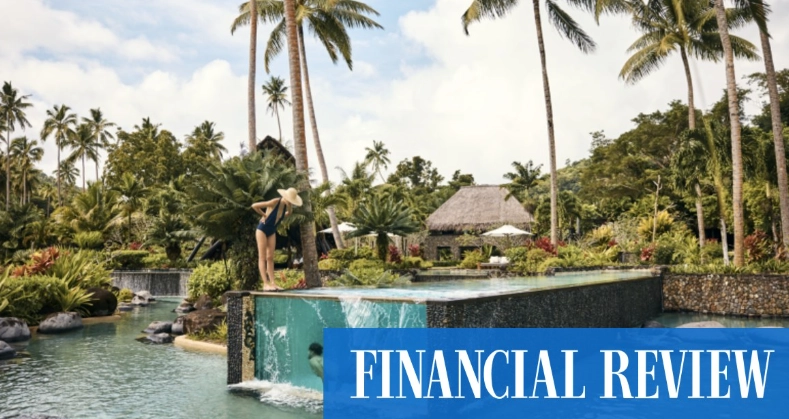
The Big Four: Where Your Money Actually Goes in Fiji
To really understand the cost, you need to dissect the main budget categories. Forget a single daily number; let's get granular.
1. Accommodation: From Dorms to Dream Villas
This is your biggest variable. The range is staggering.
On the budget end, you have backpacker hostels and guesthouses, primarily around Nadi. A dorm bed can go for as low as FJ$25-$40 (approx. $11-$18 USD) per night. A basic private room in a guesthouse might set you back FJ$80-$150 ($35-$65 USD). They're simple, often fan-cooled, but clean and social. I stayed at one near Sigatoka that was run by a lovely family—basic but unforgettable for the hospitality.
Then you hit the mid-range. This is where most travelers land. We're talking about the three-to-four-star resorts, both on the mainland and the islands. Expect to pay between FJ$250 to FJ$600 per night ($110-$260 USD) for a double room. These often include breakfast and have a pool, a restaurant, and activities. The value here is decent, but you'll feel the pinch if you're staying for two weeks.
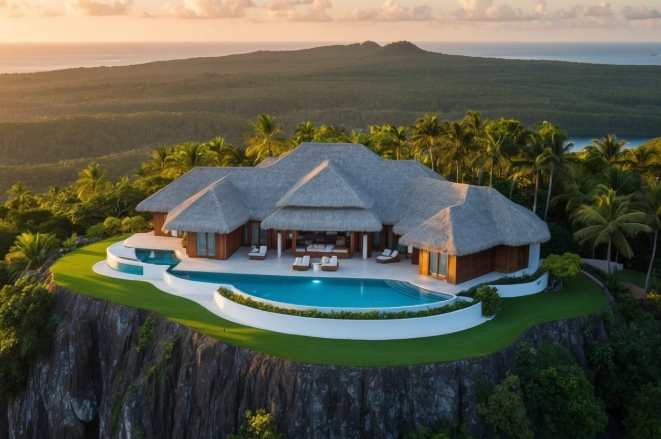
Now, the luxury tier. This is what often fuels the perception that Fiji is very expensive. Private island resorts, overwater bures (bungalows), and internationally branded luxury hotels. Prices start around FJ$800 and soar well into the thousands per night. You're paying for exclusivity, design, gourmet dining, and that iconic "castaway" feel. Are they worth it? For a special occasion, maybe. For a budget-conscious traveler, they're a different universe.
2. Food & Drink: Coconut vs. Kitchen
Your eating strategy dramatically impacts your budget. Let's break it down.
Eating Local & Cooking: This is the key to affordability. In towns like Nadi, Lautoka, or Suva, you'll find bustling markets with incredibly cheap local produce. A heap of bananas, pineapples, and papayas might cost you FJ$10. "Curry houses" and small, local restaurants (look for where the taxi drivers eat) serve massive plates of curry, rice, and dal for FJ$8-$15. A loaf of bread is cheap. If your accommodation has a kitchen, use it.
Resort Dining: This is the budget killer. At island resorts, you are often a captive audience. A main course at a resort restaurant can easily be FJ$40-$70 ($17-$30 USD). A cocktail? FJ$20-$30. Three meals a day here adds up frighteningly fast. Many resorts offer mandatory meal plans (like Full Board or All-Inclusive), which can seem pricey upfront but actually provide cost certainty and value if you plan on eating and drinking on-site.
Mid-Range Restaurants: In tourist areas like Denarau or Coral Coast, you'll find nice, independent restaurants. A good pizza, pasta, or fresh fish dish will likely be in the FJ$30-$50 range. It's more expensive than local joints, but the quality and setting are usually better.
3. Transport: Ferries, Flights, and Bumpy Rides
Getting around Fiji is an adventure and a cost. Internal flights on carriers like Fiji Airways or Northern Air are the fastest way to the outer islands but also the most expensive. A one-way flight from Nadi to Savusavu can be over FJ$300.
For most travelers, the ferry is the workhorse. Companies like South Sea Cruises and Awesome Adventures run regular services to the Mamanucas and Yasawas. A ferry ticket to a popular island like Beachcomber or Mantaray Island can range from FJ$80 to FJ$150 one-way. It's not cheap, but it's scenic and part of the experience.
On the main island, buses are incredibly cheap and a fantastic way to meet locals. A several-hour journey along the Coral Coast might cost FJ$10. Taxis are affordable for short trips in towns—always agree on a price before getting in. Renting a car gives freedom but costs around FJ$100-$150 per day, plus fuel.
See the pattern? The further you go from Nadi, the more you pay to get there and move around.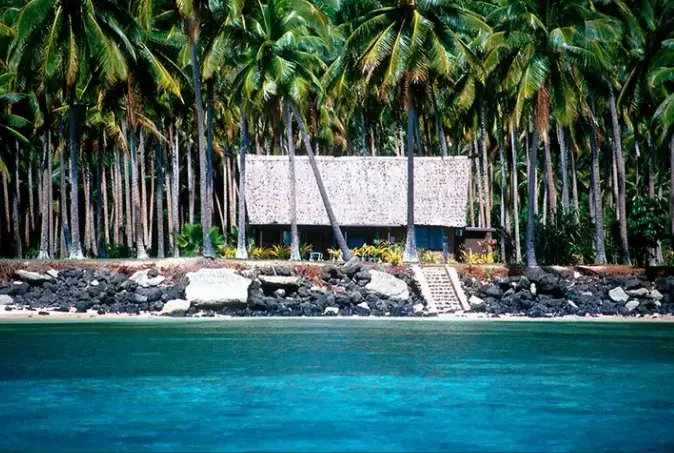
4. Activities & Tours: The Fun Tax
Many of Fiji's best experiences are free: snorkeling off a beach, hiking, village visits (often involving a small, respectful gift or "sevusevu"), and just relaxing.
Paid activities include guided scuba diving (a two-tank dive can be FJ$250-$350), jet ski tours, surfing lessons, and day trips to places like the Malamala Beach Club. These are comparable to prices in other tropical destinations. You don't need to do a paid tour every day to have a fulfilling trip.
A Side-by-Side Look: Mainland vs. Outer Islands
This table illustrates the core cost dichotomy, which is the heart of answering is Fiji very expensive.
| Cost Category | Mainland (Viti Levu - Nadi/Suva/Coastal Areas) | Outer Islands (Mamanucas/Yasawas) |
|---|---|---|
| Budget Accommodation | Widely available. Hostels, motels, guesthouses. (FJ$25-$150/night) | Very limited. A few basic backpacker places. (FJ$50-$120 for a dorm) |
| Mid-Range Accommodation | Plentiful options on Coral Coast & Denarau. (FJ$200-$450/night) | The standard offering. Most resorts are in this bracket. (FJ$300-$600/night) |
| Food (Local/Economy) | Markets, curry houses, food trucks. Meals from FJ$8-$15. | Almost non-existent. You eat at your resort or the one next door. |
| Food (Resort/Restaurant) | Available, with a range of prices. Mains FJ$30-$60. | Your only option. Mains FJ$40-$80. Meal plans common. |
| Transport (To/From) | International airport hub. Cheap local buses. | Expensive ferry or flight required. |
| General Vibe | Lively, working Fiji. More cultural immersion. | Secluded, resort-focused, picture-postcard views. |
| Overall Cost Feel | Moderate to Affordable. You can control spending. | Moderate to Expensive. Costs are largely fixed and higher. |
Looking at this, you can see the choice is clear. Want to minimize cost? Base yourself on the mainland and do day trips. Want the iconic island paradise? You'll pay a premium for it. So, is Fiji very expensive? It's entirely up to your itinerary.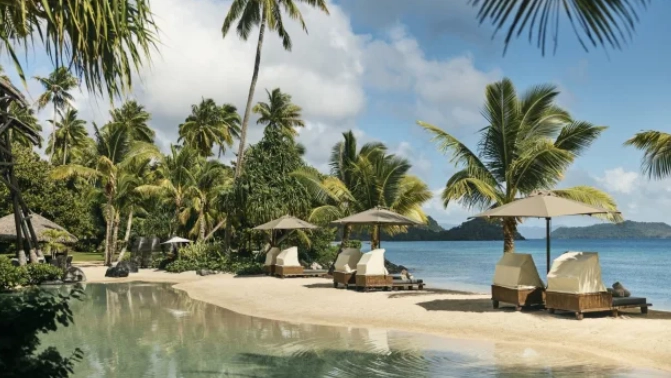
Actionable Budgeting: How to Save Serious Money in Fiji
Okay, enough analysis. Here's what you can actually do to keep costs down, based on what worked for me and other travelers.
- Travel in a Pair or Group: This is huge. Room costs are often for double occupancy, and taxi/rental car costs can be split.
- Embrace the Shoulder Seasons: Avoid peak times (June-Sept, Dec-Jan). February to April and November can have great weather and better deals. Check the Fiji Meteorological Service for climate trends.
- Book Accommodation Directly: Sometimes. It's worth emailing the resort or guesthouse after checking aggregator sites. They might offer a free transfer or a meal credit.
- Pack Smart: Sunscreen, insect repellent, and basic meds are extremely expensive in Fiji. Bring ample supplies.
- Learn a Few Fijian Phrases & Be Respectful: A friendly "Bula!" and "Vinaka" (thank you) goes a long way. Being a respectful guest can sometimes lead to better service or even small gestures from locals.
- Limit Alcohol: This is a major expense. Enjoy the local Fiji Bitter or Bounty Rum, but maybe not ten a day. Have a "sundowner" instead of drinking all afternoon.
- Consider a Package Deal: For resort stays, especially all-inclusive ones, packages that include flights, transfers, meals, and activities can offer significant savings over booking everything separately.
Common Questions About Fiji's Costs (The Stuff You're Really Wondering)

The Final Verdict: It's About Choices, Not Just Cost
Asking is Fiji very expensive is the right first question. But the better question is: What kind of Fiji experience do I want, and what am I willing to pay for it?
If your dream is two weeks in an overwater villa with gourmet dining and spa treatments, then yes, prepare for a premium price tag. But if your dream is to experience warm Fijian culture, explore lush landscapes, and snorkel on vibrant reefs, that is entirely achievable on a moderate budget by focusing your time on the main island, eating locally, and using public transport.
My personal feeling? The perception that Fiji is prohibitively expensive stops a lot of people. That's a shame. With some planning and a willingness to step slightly off the resort path (even just for meals), the magic of Fiji is accessible. The smiles are free. The sunsets are free. The feeling of warm water on your skin is free.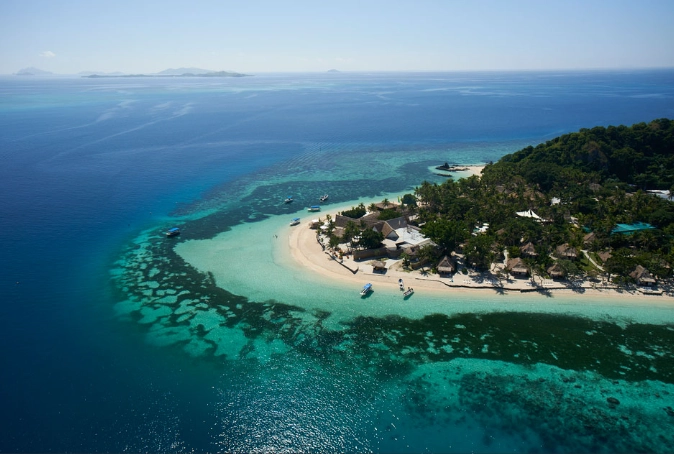
Don't let the fear of high costs deter you. Just go in with your eyes open, prioritize what matters to you, and tailor your trip accordingly. You can have an incredible time without mortgaging your house—you just need to know where the money goes. And now, you do.

Comments
Join the discussion