Let's cut to the chase. You're dreaming of tapas in Seville, Gaudí's architecture in Barcelona, or sunbathing in Costa del Sol, but a nagging voice in your head asks: Is Spain okay to travel to right now? Is it safe? Too crowded? A budget-buster? The short, direct answer is yes, Spain is overwhelmingly safe and welcoming for tourists. But that simple "yes" doesn't help you plan. The real question isn't just about safety—it's about having a smooth, enjoyable, and smart trip in the current landscape of 2024. Having traveled there extensively over the past decade and keeping a close eye on local updates, I can tell you the situation is positive, but with a few crucial nuances most generic travel blogs miss.
What You'll Find in This Guide
How Safe is Spain Right Now? A Realistic Look
Spain consistently ranks as one of the safest countries in the world for travelers. The U.S. Department of State gives it a Level 2: Exercise Increased Caution advisory, primarily due to the global risk of terrorism, which is comparable to most of Western Europe. For the average tourist, violent crime is exceptionally rare. Your main concerns are practical, not existential.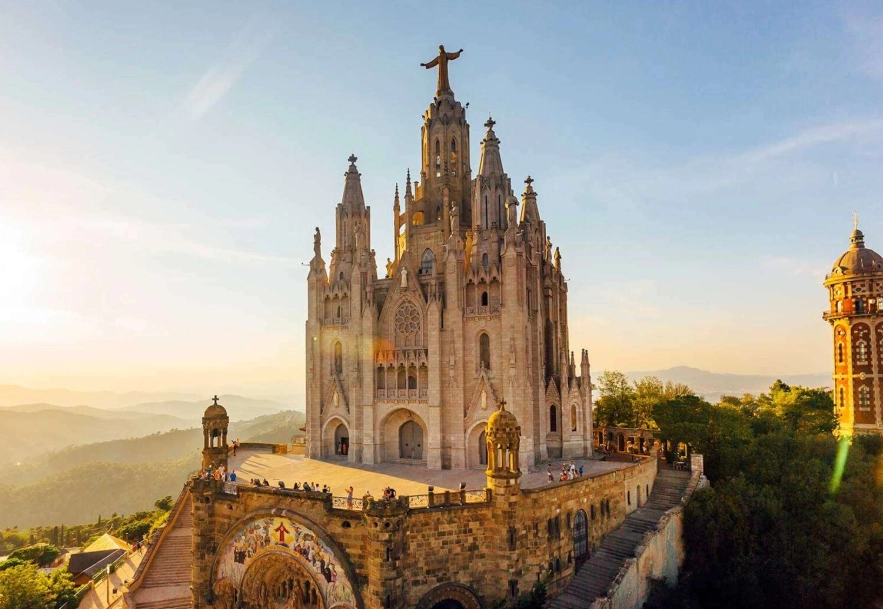
The Real Safety Issues in Spain (Ranked by Likelihood)
1. Petty Theft & Pickpocketing: This is the number one issue, full stop. It's not a Spain problem; it's a major tourist hub problem. Barcelona's Las Ramblas, Madrid's Puerta del Sol, and Seville's Santa Cruz district are prime hunting grounds. A friend recently had his wallet lifted from a zipped backpack on a crowded metro in Barcelona—he felt the tug but it was too late.
2. Heat Exhaustion & Sunburn: Especially in summer, temperatures in southern cities like Seville and Córdoba can soar past 40°C (104°F). Many tourists underestimate this, try to cram in too much daytime activity, and end up sick.
3. Scams: The "mustard spill" scam, the "found gold ring" scam, or overly aggressive menu touts in certain parts of Barcelona and Madrid. They're annoying, not dangerous.
4. Political Demonstrations: Large, peaceful protests do occur, mainly in city centers. They can disrupt traffic and metro service. Just steer clear.
Personal Safety Tips That Go Beyond the Basics
Everyone says "be aware of your surroundings." Here's what that actually means on the ground:
- Your Phone is a Target: Don't leave it on the café table. The most common theft I've seen is a snatch-and-grab from an outdoor terrace. Thieves on scooters are fast.
- The Zipper Trick is Overrated: Putting a lock on your backpack zipper screams "valuables inside" and makes you a mark. Instead, wear your daypack on your front in packed areas like markets or festivals. It feels dorky but works.
- Carry a Decoy Wallet: Keep a small amount of cash and an expired card in an old wallet. If you're pressured, hand that over. Your real cards and bulk cash stay in a hidden money belt or a secured inner pocket.
- Know the Emergency Number: It's 112 throughout Spain and all of the EU. They have English-speaking operators.
When is the Best (and Worst) Time to Visit Spain?
"Best" depends entirely on what you hate. Crowds? Heat? Rain? Let's break it down by season.
| Season | Pros | Cons | Best For |
|---|---|---|---|
| Spring (Apr-May) | Perfect weather (15-25°C). Wildflowers bloom. Easter Semana Santa processions are spectacular. | Can be busy around Easter. Prices rise. | Sightseeing, hiking, photography, cultural festivals. |
| Summer (Jun-Aug) | Long days, vibrant nightlife, beach weather. All attractions open. | Extreme heat inland. Peak crowds & prices. Overtourism in Barcelona. | Coastal resorts, islands, nightlife. Avoid inland cities. |
| Fall (Sep-Oct) | My personal favorite. Warm sea, pleasant land temps. Grape harvest season. Crowds thin. | Some uncertainty with late Oct weather. Shorter days. | Wine tourism, city breaks, hiking, beach combo trips. |
| Winter (Nov-Mar) | Lowest prices and crowds (except Christmas). Skiing in the Pyrenees/Sierra Nevada. Mild south. | Colder, rainier north. Some rural attractions have limited hours. | Budget travel, skiing, cultural trips to Madrid/Andalusia, avoiding crowds. |
The biggest mistake I see? Americans trying to do a "Madrid-Toledo-Seville-Córdoba-Granada" loop in July. You will suffer. The heat is debilitating. If you must go in summer, base yourself on the coast (Costa Brava, Valencia, Málaga) and do short, air-conditioned trips inland.
How Much Does a Trip to Spain Cost Now? (2024 Reality)
Spain is still a fantastic value compared to its northern European neighbors, but inflation has hit. Here’s a realistic daily budget per person, assuming you're not on a shoestring but also not splurging on 5-star hotels every night.
Budget Traveler: €60-80/day
- Hostel dorm: €25-35
- Supermarket meals & cheap menu del día: €20
- Public transport & limited attractions: €15-25
Mid-Range Traveler: €100-180/day
- Private room in a 3-star hotel or nice Airbnb: €70-120
- Eating out for lunch & dinner (tapas, local restaurants): €40-50
- Attractions, taxis, some guided tours: €20-40
Luxury Traveler: €250+/day
- 4/5-star hotel or boutique property: €150+
- Fine dining & premium experiences: €80+
- Private tours, premium transport: €50+
Money-Saving Tip Most Miss: The "Menu del Día" (Menu of the Day). From Monday to Friday, most local restaurants offer a 2-3 course lunch with a drink for €12-€18. It's the best value meal you'll find, often featuring the chef's freshest ingredients. Eat your big meal at lunch, have a light tapas dinner, and watch your food budget halve.
A 10-Day Spain Itinerary That Actually Works
This is a balanced, geographically sensible route for first-timers, optimized for spring or fall. It avoids crazy backtracking.
Days 1-3: Madrid
Land, recover, and dive into the capital's energy. Don't just do the Prado Museum. Spend an evening in the Lavapiés neighborhood for authentic, multi-cultural tapas. Take a day trip to Toledo (30-min high-speed train), a stunning medieval city. Skip the long bus tours—the train is faster and cheaper.
Days 4-6: Seville (via High-Speed Train)
The AVE train gets you from Madrid to Seville in under 2.5 hours. Book in advance for the best fares on Renfe's website. In Seville, book your Alcázar tickets online for a specific time slot to avoid the brutal queue. Get lost in the Santa Cruz neighborhood in the early morning before the crowds hit. See a flamenco show in the Triana district—look for smaller, more intimate "tablaos" rather than the big, expensive dinner shows.
Days 7-8: Granada
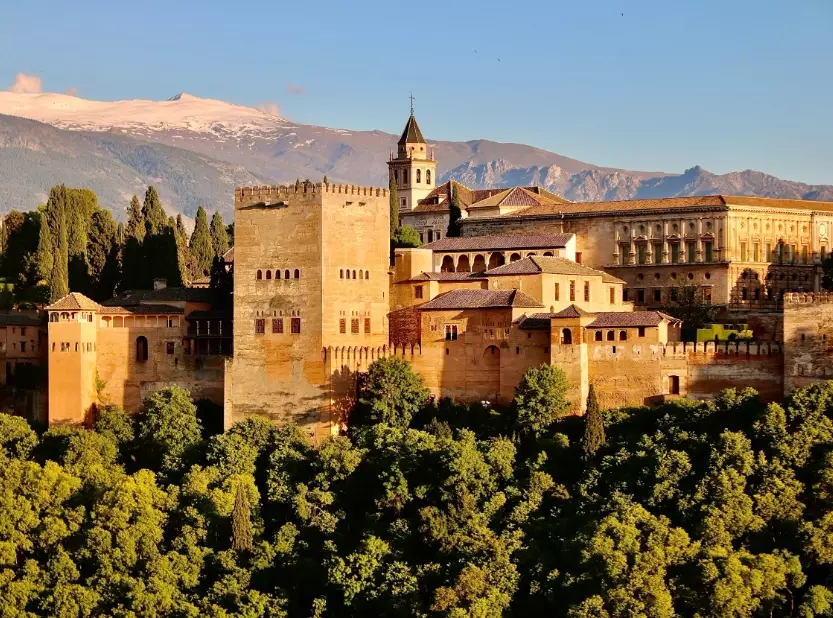
A 3-hour bus or train from Seville. This is for the Alhambra. Book your Alhambra tickets online months in advance, especially for the Nasrid Palaces time slot. This is non-negotiable. They sell out. The Albaicín neighborhood at sunset, facing the Alhambra, is magic.
Days 9-10: Barcelona (Fly from Granada)
A short flight is better than a 7+ hour train. In Barcelona, buy the Hola BCN! transport card for unlimited metro/bus rides. For Sagrada Família and Park Güell, again, pre-book everything online. To escape the crowds, head to the Gràcia neighborhood for dinner—it feels like a village within the city.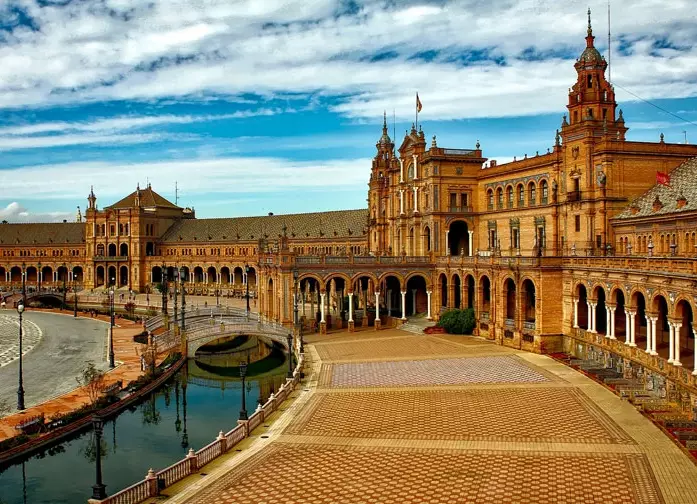
Your Spain Travel Questions, Answered
So, is Spain okay to travel to right now? Absolutely. It's a vibrant, safe, and endlessly rewarding destination. The key is moving beyond the simple yes/no and planning with the current realities in mind: book major attractions far ahead, respect the climate (especially the heat), be smart about petty theft, and embrace the local rhythm. Do that, and you're set for an incredible Spanish adventure.



Comments
Join the discussion