You see the headlines: "Record number of visitors to Iceland." The graphs show peaks in summer, dips in winter. But if you're planning a trip, raw Iceland tourism statistics can feel abstract. What do these numbers mean for your hotel search, your rental car budget, or your chance of having a waterfall to yourself? I've been tracking these figures for years, and the real story isn't just in the totals—it's in the patterns that reveal how to have a better, smarter, and often cheaper Icelandic adventure.
Let's cut through the noise. The latest data from sources like the Icelandic Tourist Board and Statistics Iceland shows tourism has not just recovered but evolved post-pandemic. Visitor numbers are strong, but where they go and when they travel is shifting. Understanding these shifts is your secret weapon.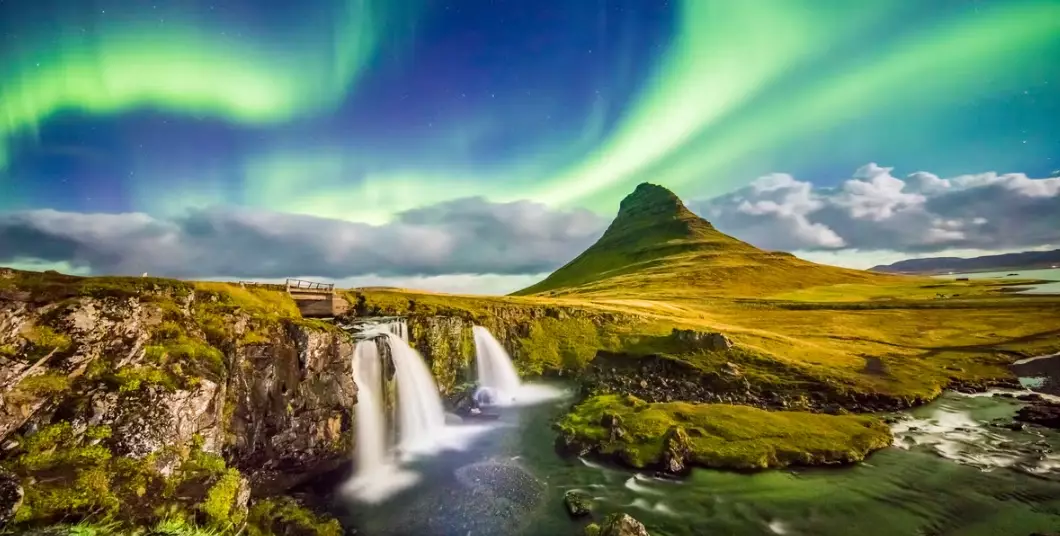
What You'll Find in This Guide
How Iceland Tourism Statistics Shape Your Travel Experience
Think of tourism data as a crowd forecast. It tells you the pressure points. The most cited figure is annual foreign visitor arrivals. Before the pandemic, this number soared past 2 million. After a reset, we're back in that ballpark. But that single number hides the critical details.
The distribution across months creates the infamous "peak season" (June-August) and the emerging "shoulder seasons" (May, September, October). In peak season, official stats might show 4-5 times more visitors than in deep winter. This translates directly to:
- Price: Rental car rates can double. A mid-range hotel in Reykjavik that costs $180 per night in January might command $350 in July.
- Availability: The most popular tours—like the Blue Lagoon, Glacier Hikes, or Inside the Volcano—sell out weeks, sometimes months, in advance.
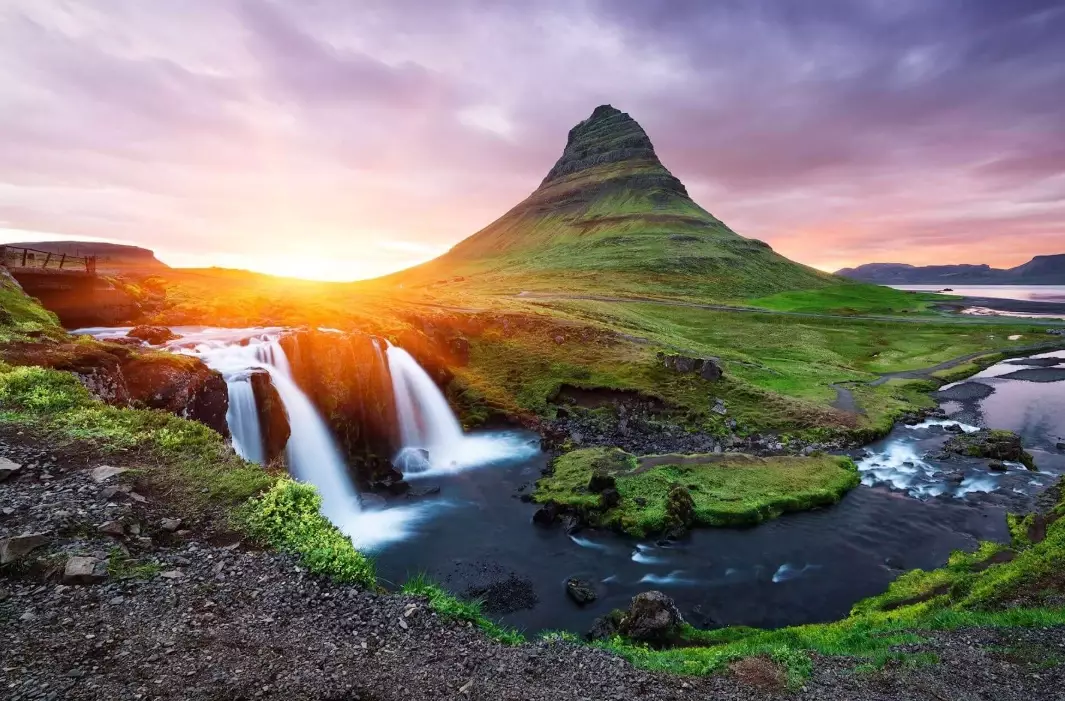
- Atmosphere: Stops like Seljalandsfoss waterfall or the Diamond Beach transform from contemplative natural sites into bustling hubs. Parking becomes a competitive sport.
Here's a subtle mistake I see even experienced planners make: they look at the high summer stats and decide to go in April or October, thinking it's "off-season." While better than July, these months have become hugely popular for chasing Northern Lights or avoiding peak prices. The real "shoulder" now is more like late April/early May and late September. True low season with minimal crowds? That's November (excluding the days around New Year's) and January through March, outside of school holidays.
Regional breakdowns are another goldmine. Over 80% of visitors spend time in the Capital Region (Reykjavik) and the South. This statistic is why the Golden Circle and South Coast feel busy. Conversely, data shows far fewer travelers venture to the Westfjords or the Eastfjords. If your priority is solitude and raw landscape, those percentages are your guide. A week in the Westfjords, where visitor numbers are a fraction of the south's, feels like a different country.
What Do the Latest Iceland Tourism Numbers Tell Us?
Let's get specific. Looking at the most recent monthly data from the Icelandic Tourist Board, a clear pattern emerges. The table below isn't just numbers; it's a blueprint for planning.
| Month | Relative Visitor Volume | Key Driver & Traveler Experience |
|---|---|---|
| June - August | Peak (Very High) | Midnight sun, hiking, all roads open. Expect high prices, booked-out tours, and crowds at major sites. Book everything 3-6 months ahead. |
| May & September | High (Shoulder) | Long daylight, good road conditions (usually), balance of summer activities and start/end of Northern Lights. A sweet spot for many, but still busy. |
| April & October | Moderate-High | Northern Lights peak, unpredictable weather. Spring thaw or autumn storms. Fewer crowds than summer, but not the quietest. |
| November - March | Low (Winter) | Northern Lights, ice caves, winter landscapes. Short daylight hours. Lowest prices and crowds, but some roads/attractions are closed. Requires flexible planning. |
Another trend the stats reveal is the shift in accommodation. The percentage of visitors using hotels vs. guesthouses vs. Airbnb has fluctuated. Post-pandemic, there's a stronger demand for self-contained options and rural guesthouses. This tells you two things: competition for charming rural hotels is fierce, and the market is adjusting. You might find better value in a newer guesthouse in a small town than a generic city-center hotel.
Flight data is also part of the puzzle. The increase in direct flights from North America and Europe outside of the traditional summer months has fueled the growth of the shoulder and winter seasons. You can find decent flight deals in February, something that was rarer a decade ago.
Nationalities and Spending: Reading Between the Lines
Breakdowns by visitor nationality (US, UK, Germany, France are typically top) aren't just trivia. They influence the services offered. A high number of North American visitors means English is universally spoken and service expectations are aligned. Spending statistics show where money goes: a large portion is on accommodation and transport (car rentals), then food, then activities. This is why saving on your car or lodging has the biggest impact on your total Iceland travel cost.
One data point many miss is the average length of stay. It's often around 5-7 nights. This means most people are not doing the full Ring Road. They're doing Reykjavik, the Golden Circle, and the South Coast. If you have 10 days and want to go to Snæfellsnes or the East, you'll naturally be moving against the statistical grain and into quieter territory.
How to Use Iceland Tourism Data to Plan Your Trip
So, you have the stats. Now, how do you build a trip that uses them to your advantage?
Step 1: Pick Your Season Based on Priorities, Not Just Climate.
Do you hate crowds more than you hate cold? Winter stats are your friend. Is your dream to hike in the Highlands? You're locked into summer (July-August) when the interior roads (F-roads) are open. Use the monthly distribution table as your first filter.
Step 2: Book the Pressure Points First.
The statistics scream that demand concentrates on specific resources. Your booking timeline should be:
1. Flights & Rental Car (Especially for summer or if you need an automatic/4x4).
2. Accommodation in High-Demand Areas (Anywhere on the South Coast, Reykjavik center, Mývatn area in summer). Rural guesthouses have few rooms; they sell out.
3. Specific, Non-Negotiable Tours (Think: specific glacier guide, volcano helicopter tour, Blue Lagoon at a specific time).
For a summer trip, start this process 6 months out. For shoulder season, 4 months. For winter, you can be more flexible, but 2-3 months is still safe for the best options.
Step 3: Design an Itinerary Against the Flow.
Since the data shows most visitors follow a similar path (Reykjavik → Golden Circle → South Coast), you can gain space by tweaking this.
- Start your day early. Be at the first major site by 8:30 AM. Most tour buses arrive between 10 AM and 2 PM.
- Consider reversing the order. Do the South Coast first, then the Golden Circle, or vice-versa, depending on where you're staying.
- Incorporate a "low-stat" region. Even adding two days in the Snæfellsnes Peninsula or the Westfjords dramatically changes the crowd density. The stats for these areas are lower for a reason—they're further out—but that's precisely their advantage.
Step 4: Budget with the Stats in Mind.
Know that your two biggest costs—car and bed—are directly tied to the visitor volume charts. A winter trip can cut your car rental cost by 40-50% and your accommodation by 30% compared to July. That saving could pay for extra tours or a fancier meal. Conversely, budget 20-30% more for a summer trip than a guidebook published pre-2020 might suggest.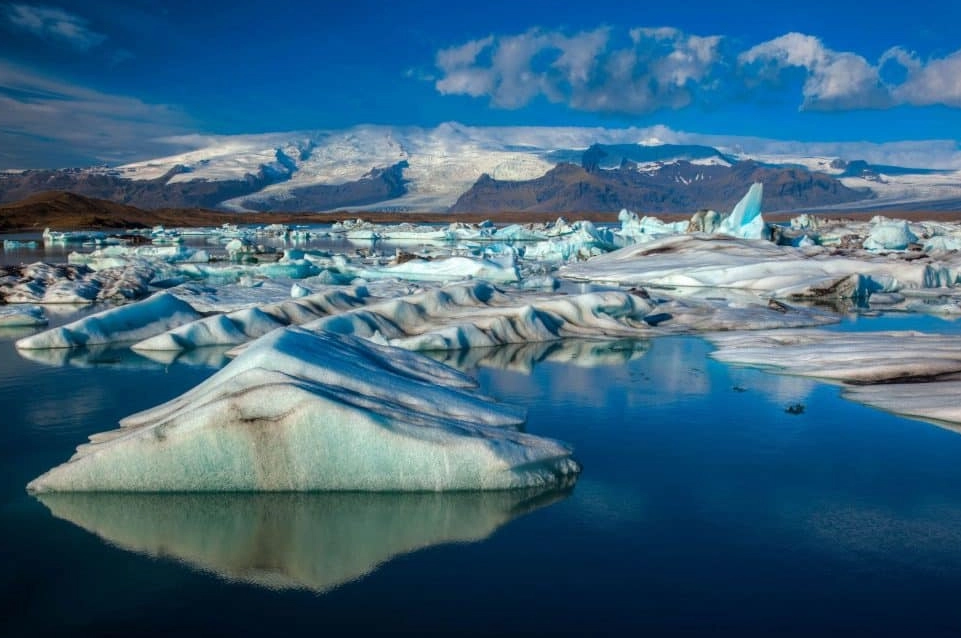
Your Iceland Travel Stats Questions, Answered
I'm looking at Iceland tourism statistics and see July is the peak. Should I avoid it completely?
Not necessarily, but you must go in with a strategy. If your dream is to hike in Landmannalaugar or Þórsmörk, July and August are your only windows. The key is aggressive planning. Book everything the moment your dates are firm. Embrace early mornings (6-10 AM) and late evenings (7 PM onward) for popular sites. Also, immediately head to less-hyped spots. Everyone goes to Skógafoss; the waterfall 10 minutes down the road, Kvernufoss, sees a fraction of the visitors. Use the peak season stats as a map of where not to be at noon.
The data shows winter has the fewest visitors. Is it a good time for a first-time visit?
It depends on your travel personality. Winter offers magical experiences like ice caves and auroras you can't get in summer, plus lower costs and crowds. However, you trade off daylight (4-7 hours), reliable access to all parts of the country (storms happen), and some activities. For a first-timer who wants to "see everything" on a classic itinerary, the limited daylight can feel restrictive. I'd recommend winter more for a second visit, or for a first-timer who is flexible, enjoys cozy atmospheres, and prioritizes unique phenomena over ticking off a long list of sites.
How reliable are the "average cost" figures derived from tourism statistics?
Take them as a directional guide, not a precise budget. Official spending stats give an average daily spend, but this blends backpackers camping and luxury travelers. It also averages high-season and low-season prices. A more useful method is to use the stats to identify your big-ticket items (car, lodging), then price them out for your exact travel dates on rental and booking sites. That will give you a fixed cost base. Then add a realistic daily average for food and fuel (which are less seasonal). For food, assume $25-40 per person per meal at a modest restaurant, and $2.30 per liter for petrol. This bottom-up approach is far more accurate than relying on a top-down average.
The statistics indicate a rise in year-round travel. Does this mean the shoulder seasons are disappearing?
They're compressing, not disappearing. What used to be a quiet period in May is now quite busy. The edges are getting sharper. The absolute quietest times now are the weeks immediately after New Year's (early to mid-January) and late October into early November, just before the Northern Lights season fully ramps up. The classic "shoulder" benefits of good weather and fewer people are now concentrated into shorter, more unpredictable windows. My advice? If you target May or September, you still get better prices and slightly smaller crowds than summer, but expect it to feel like a popular destination, not a hidden secret.
 Ultimately, Iceland tourism statistics are more than just big numbers for annual reports. They're a live feed of traveler behavior. By understanding where the crowds are, when they arrive, and how much they spend, you can make informed choices that lead to a more authentic, enjoyable, and financially sensible trip. Don't just look at the graphs—read the story they tell about hotel prices, empty trails, and the perfect time to find your own quiet corner of this incredible island.



Comments
Join the discussion