Let's get this out of the way first: there is no single "best" month to visit Iceland. Anyone who gives you a one-word answer is oversimplifying. The real answer is, it depends entirely on what you want from your trip. Are you chasing the midnight sun or the northern lights? Do you prioritize lower prices over perfect weather? Is your dream to explore the highlands or simply drive the Ring Road without a care?
I've been traveling to Iceland for over a decade, guiding friends and planning my own trips. I've seen tourists make the same mistake—booking a summer trip to see the northern lights (impossible) or a winter trip for easy highland access (roads are closed). This guide will cut through the generic advice. We'll walk through each month, not just with temperatures, but with the tangible experiences, costs, and crowds you'll actually encounter.
Your Quick Guide to Iceland's Seasons
Iceland Month-by-Month: The Full Breakdown
Forget just "good" or "bad." Here’s the real deal on what each month offers, the hidden challenges, and who it's truly for.
| Month | Weather & Daylight | Key Highlights | The Downsides | Best For... |
|---|---|---|---|---|
| January | Cold (avg -2°C to 2°C). 4-5 hours of daylight. | Prime northern lights. Low prices. Frozen waterfalls like Gullfoss. Few tourists. | Very limited daylight for sightseeing. Stormy weather can ground tours. | Budget aurora hunters, photographers seeking dramatic winter scenes. |
| February | Similar to Jan. Daylight increases to 7-8 hours. | Still great for auroras. Winter Festival activities. Ice cave tours are prime. | Still cold and unpredictable. Not all roads are open. | Those wanting slightly more daylight than Jan but similar winter perks. |
| March | Transitional. -1°C to 3°C. 11-13 hours of light. | A sweet spot. Decent chance for auroras & longer days. Shoulder season prices. | "Shoulder" can mean all seasons in one day—rain, snow, sun. | Travelers wanting a bit of everything: potential lights and decent exploring time. |
| April | Spring-ish. 1°C to 6°C. 14-16 hours of light. | Puffins start arriving! Snow melts in lowlands. Prices still reasonable. | Highlands still snowbound. Can be muddy. Aurora season effectively ends. | Bird watchers and those who dislike extreme cold but want lower crowds. |
| May | Mild. 4°C to 9°C. 18-20 hours of light. Land turns green. | Beautiful spring greenery. Most roads (except highlands) accessible. Midnight sun begins late May. | Not for northern lights. Can still be windy and wet. | Hikers and road trippers who want good conditions without peak summer crowds. |
| June | Pleasant. 8°C to 12°C. 21+ hours of light (midnight sun). | Peak midnight sun. All highland roads start opening. Puffins everywhere. Festivals. | Peak season begins. Higher prices for flights & accommodation. Car rentals scarce. | Photographers chasing endless golden hour, festival-goers, highland explorers. |
| July | Warmest. 10°C to 14°C. Still midnight sun. | Peak of everything: weather, accessibility, festivals. Highlands fully open. | Peak crowds and peak prices. Book everything 6+ months ahead. | Travelers who don't mind crowds and cost for the guarantee of best accessibility. |
| August | Similar to July. Daylight starts decreasing (16-18 hrs by month's end). | Last month for reliable highland access. Whale watching is excellent. Berries ripe for picking. | Still expensive and busy. Weather can start to turn moody late in the month. | Families (school holidays), whale watchers, last-chance highland visitors. |
| September | Autumn crisp. 6°C to 10°C. 12-14 hours of light. | My personal favorite. Crowds thin, prices drop, auroras return late month. Fall colors. | Highland roads close early-mid Sept. Weather is a gamble. | Value-seekers who want a shot at both fall colors and auroras. |
| October | Cooler. 3°C to 7°C. 9-11 hours of light. | Strong aurora activity. Stunning autumn landscapes. Good hotel deals. | Daylight shrinks fast. Increasing chance of snowstorms. | Aurora chasers who want more daylight than deep winter. |
| November | Winter returns. -1°C to 3°C. 5-7 hours of light. | Solid winter wonderland feel. Ice caves tours start. Low season prices return. | Very short days. Some tourist services in rural areas start closing for winter. | Those seeking a pure winter experience on a tighter budget. |
| December | Dark and festive. -3°C to 2°C. 4-5 hours of light. | Christmas & New Year celebrations. Northern lights. Cosy atmosphere. | Minimal daylight. Potential for major travel disruptions due to storms. | Holiday seekers wanting a unique Christmas atmosphere. |
See how it's not linear? July isn't "better" than March—it's just different. A common mistake is underestimating the wind. A 5°C day with a 40 km/h wind feels far colder than a calm -5°C day. Always pack a windproof layer, regardless of the month.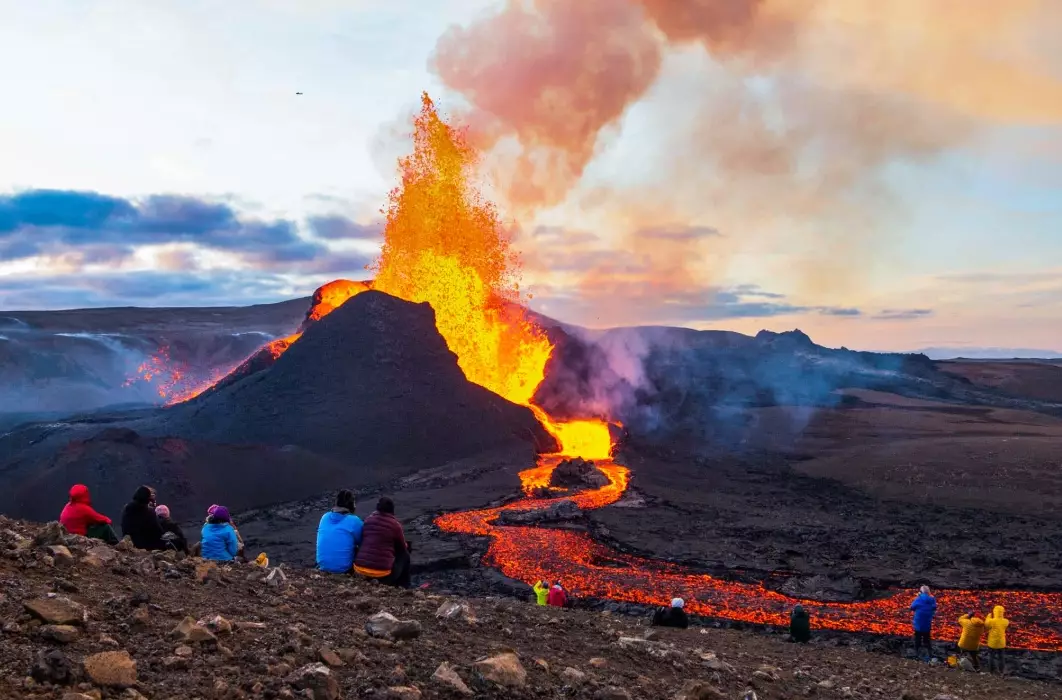
Beyond the Table: The Nuances of Crowds and Cost
The table shows peaks, but let's get specific. "Peak season" means Reykjavik's main street, Laugavegur, is bustling, and you'll need reservations for popular restaurants like Dill or Matur og Drykkur weeks in advance. A 4x4 rental that costs $80/day in March can easily hit $200/day in July. In shoulder months (April-May, Sept-Oct), you might snag a room at the Fosshotel Glacier Lagoon for half its summer rate.
Conversely, in January, you'll have the black sand beach of Reynisfjara almost to yourself—but you'll have to rush to see it between sunrise at 11:00 AM and sunset around 3:30 PM.
The Great Debate: Iceland Summer vs Winter Travel
Most people's decision boils down to these two extremes. Let's pit them head-to-head on the things you actually care about.
Summer (June-August) in a Nutshell
The Vibe: Lively, energetic, endless possibility.
Top Experience: Hiking the Laugavegur Trail (requires advance hut booking) or driving the F-roads into the colorful highlands of Landmannalaugar.
Biggest Misconception: That it will be warm. Pack for a cool, windy spring. Shorts are rarely useful.
Reality Check: The midnight sun can disrupt sleep. Bring a good eye mask. Also, because it's never dark, you cannot see the northern lights.
Winter (November-March) in a Nutshell
The Vibe: Cosy, dramatic, introspective.
Top Experience: Standing under the swirling green ribbons of the aurora borealis or exploring a naturally formed ice cave in a glacier outlet.
Biggest Misconception: That it's too cold or dark to do anything. You adapt. You sightsee from ~10am-4pm, then hunt for auroras after dinner.
Reality Check: The real challenge isn't the cold—it's the weather volatility. A storm can close the Ring Road for a day. Always build buffer days into a winter itinerary. Renting a capable 4x4 is non-negotiable, not for off-roading, but for safety on icy roads.
So, which side wins? If your dream is defined by specific activities like highland trekking or midnight sun photography, summer is your only choice. If you're driven by atmosphere, lower costs, and the celestial dance of the aurora, winter calls. For maximum flexibility with a taste of both worlds, target the shoulder months hard.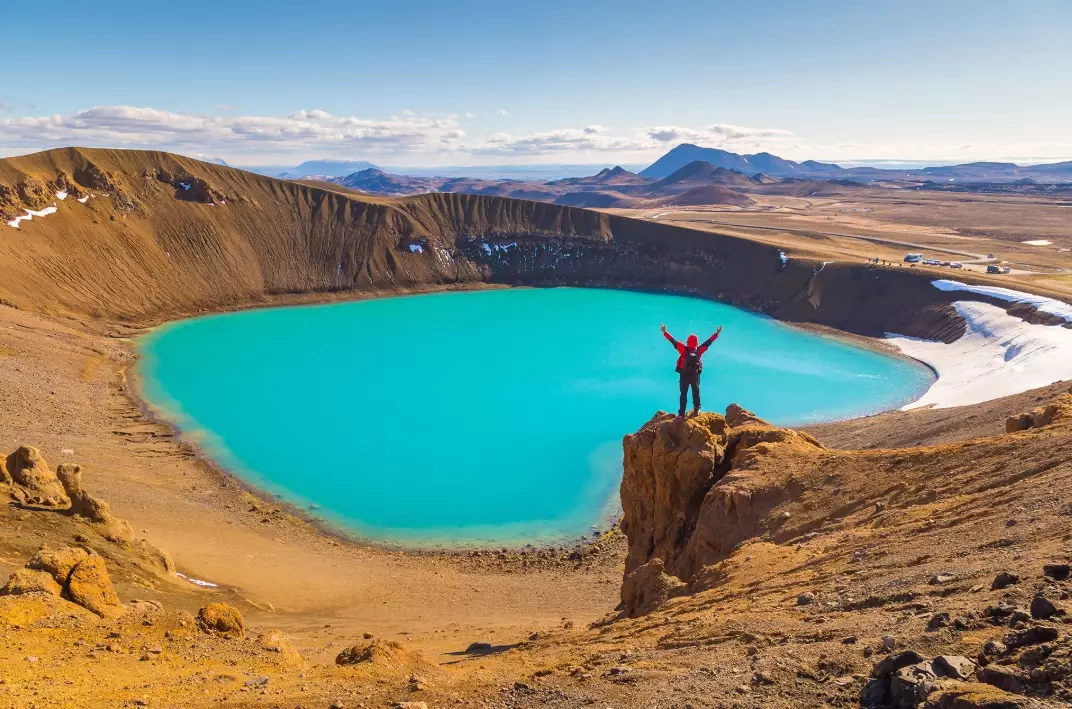
Your Iceland Timing Questions Answered
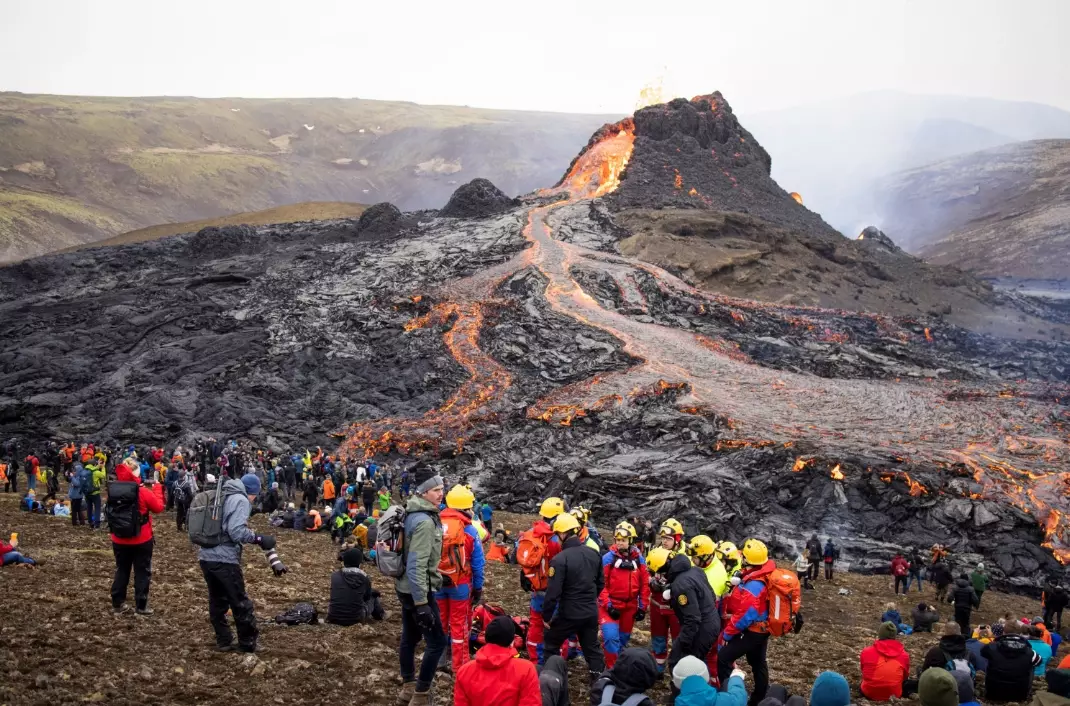 Choosing your month is the first and most important step in planning your Iceland adventure. It sets the stage for everything else—your budget, your packing list, and the very experiences that will define your trip. Don't just pick a month because it's "popular." Pick it because it aligns with the Iceland you want to meet. Whether that's the relentless energy of the midnight sun or the silent magic of a winter's night under the aurora, there's a perfect time waiting for you.
Comments
Join the discussion