You've seen the photos. Turquoise water, overwater bungalows, mountains that look like they're from a movie. Then you start looking at flights and hotels, and your jaw drops. A week in Tahiti can easily cost more than a month backpacking through Southeast Asia. So what gives? Why is Tahiti, and French Polynesia in general, so outrageously expensive?
The short answer: it's a perfect storm of geography, economics, and a deliberate choice to position itself as a high-end destination. It's not just one thing; it's everything, from the fuel in the plane to the lettuce on your plate. But understanding the "why" is the first step to figuring out how to manage the cost. I've been there, felt the sticker shock, and also found the loopholes. Let's break it down, from the unavoidable realities to the smart strategies that can save you thousands.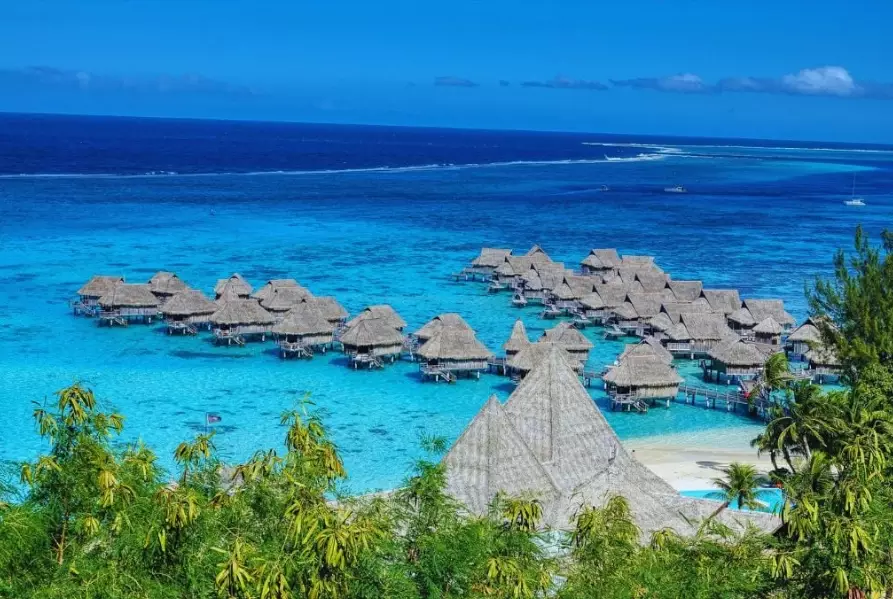
What You'll Find in This Guide
The Geography & Logistics Tax: You're Flying to the Middle of Nowhere
Let's start with the most fundamental reason. Tahiti is isolated. I mean, really isolated. It's in the middle of the South Pacific Ocean. The nearest major landmass is... well, there isn't one. This creates a massive logistical hurdle for everything.
Airfare: The Biggest Single Expense
There are no budget airlines servicing Papeete (PPT). The routes are long-haul and operated by a handful of carriers like Air Tahiti Nui, Air France, United, and LATAM. Limited competition means prices stay high. Flights from the US West Coast (LAX) can range from $1,200 to $2,500+ round-trip in economy, depending on the season. From Europe, you're easily looking at €1,500+.
And here's a mistake I see all the time: people only budget for the flight to Tahiti. If you want to visit other islands like Bora Bora or Moorea, you need to book inter-island flights with Air Tahiti. A round-trip from Papeete to Bora Bora can add another $300 to $500 per person. That's a huge secondary cost most first-time planners miss.
Cargo Costs Trickle Down to Everything
Every bottle of wine, every piece of lumber for construction, every car, and a huge percentage of the food is shipped or flown in. According to reports from the French Polynesian Institute of Statistics, the territory imports over 80% of its consumed goods. Fuel prices are also high. These massive supply chain costs are baked into the price of everything you'll buy there—your hotel room, your restaurant meal, your bottle of sunscreen.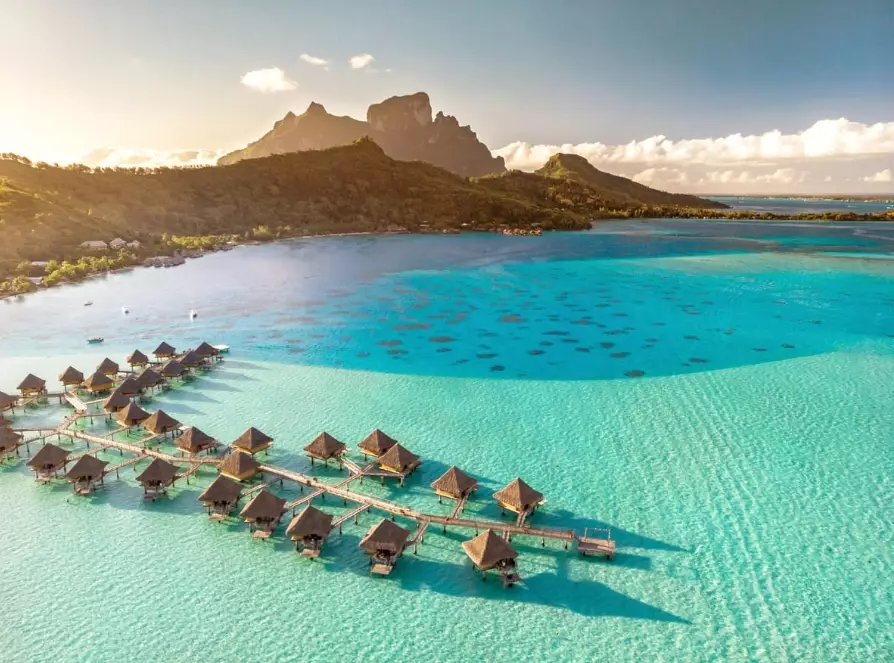
Personal Anecdote: I remember going to a supermarket in Papeete out of curiosity. A standard head of lettuce was about $8. A small bag of chips was $6. A decent bottle of French wine started at $25—for the cheap stuff. It was a stark reminder that I wasn't just on an island; I was on a remote, supply-chain-challenged island.
The "Imported Everything" Premium and High Local Wages
This isn't a developing nation with low labor costs. As an overseas collectivity of France, French Polynesia operates under French labor laws and social systems. This means higher minimum wages and better worker protections compared to many other tropical destinations. That's a good thing for locals, but it significantly increases operational costs for hotels, restaurants, and tour companies.
Combine high wages with the cost of imported materials, and you get eye-watering prices for services. A simple 60-minute massage at a resort? Expect $150-$250. A boat tour for snorkeling? $100-$200 per person. The cost of doing business is just sky-high.
The Deliberate Luxury-First Tourism Model
French Polynesia has made a conscious decision not to compete on volume. They target low numbers of high-spending tourists rather than mass tourism. This strategy preserves the environment (which is fantastic) but limits affordable accommodation options.
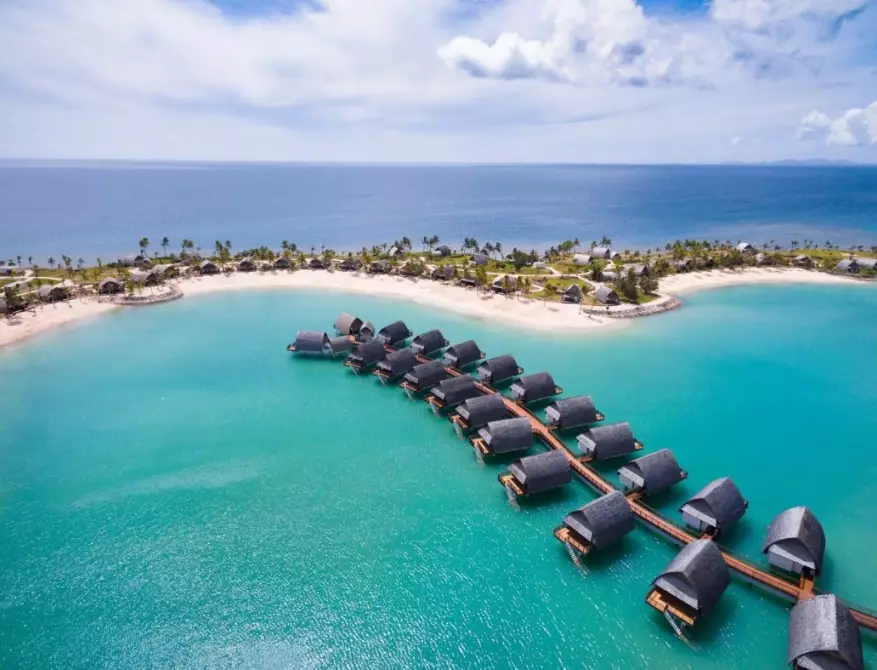
The iconic overwater bungalow is the poster child of this. Resorts like the St. Regis Bora Bora, Four Seasons, and Conrad Bora Bora Nui are engineering marvels built over delicate lagoons. The construction and maintenance are astronomically expensive, and that cost is passed directly to guests. A night in one of these can easily exceed $1,500, often much more.
The focus on luxury means the mid-range and budget infrastructure is underdeveloped. There are family-run pensions (guesthouses) and a few smaller hotels, but they are fewer and often book up quickly.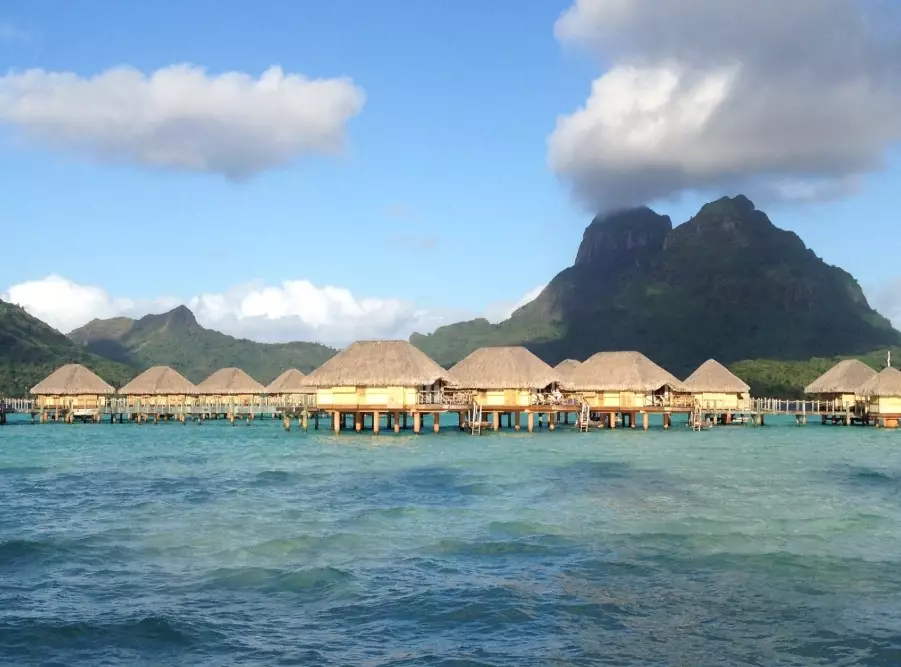
A Realistic Tahiti Trip Cost Breakdown (Per Person)
Let's put concrete numbers to the dream. This is for a 7-night trip for one person, staying in mid-range to upscale accommodations (not the top luxury), including inter-island travel. These are averages; you can go way higher or, with effort, a bit lower.
| Expense Category | Estimated Cost (USD) | Notes & Details |
|---|---|---|
| International Flights | $1,400 - $2,200 | From LAX/SFO. Much higher from Europe or East Coast USA. |
| Inter-Island Flights | $300 - $600 | Papeete to Bora Bora round-trip. Consider multi-island passes. |
| Accommodation (7 nights) | $1,500 - $4,000+ | Vast range: Pension ($150/night) to Resort Bungalow ($600+/night). |
| Food & Drink | $700 - $1,500 | $50/day for basics, $100+/day for resort/restaurant dining. |
| Activities & Tours | $300 - $1,000 | Lagoon tour, snorkeling, 4x4 safari, cultural shows. |
| Transport & Misc | $200 - $400 | Transfers, taxi, scooter rental, souvenirs. |
| Estimated Total | $4,400 - $9,700+ | Per person. For a couple, double accommodation cost. |
Seeing that total number is sobering. A couple's trip can quickly approach $10,000-$15,000. This is why it's a once-in-a-lifetime or major splurge destination for most people.
How to Save Real Money on Your Tahiti Vacation
It's not hopeless. You can't make it "cheap," but you can make it less painfully expensive with smart planning. Here are the tactics that actually work.
1. Travel in the Shoulder or Low Season
The high season is June-August and around Christmas/New Year. Prices peak. Consider April-May or September-October. You might get a brief rain shower, but you'll save 20-30% on flights and hotels. Avoid November (higher rain chance).
2. Rethink the Overwater Bungalow
I know, it's the dream. But staying in a garden or beachfront room at the same resort can be 30-50% cheaper. Book one night in an overwater bungalow as a splurge, not your whole stay. Even better, stay at a local pension on a motu (small islet) for an authentic, affordable experience. I stayed at a pension on Maupiti, and the hospitality and home-cooked meals were unforgettable—at a fraction of the resort price.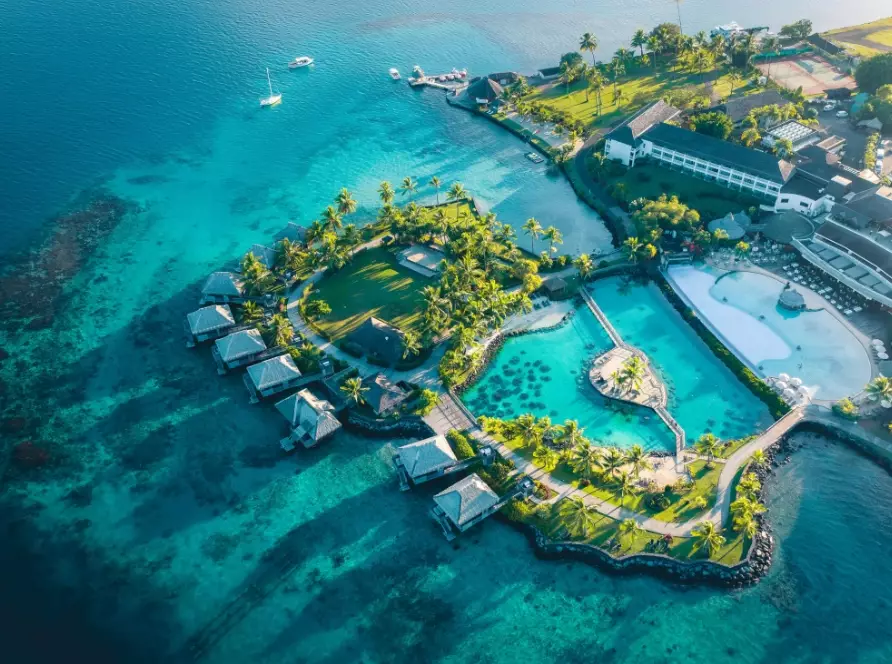
3. Master the Food Budget
This is where you have the most control. Book accommodation with a kitchenette. Visit the local markets (like the Marché de Papeete) and supermarkets (Carrefour, Champion) to buy fresh fish, fruits, and baguettes for lunches and some dinners. Eat out for special meals. Resort food is exorbitant; a burger and fries can be $35.
4. Be Strategic with Flights and Inter-Island Travel
Set fare alerts and be flexible with dates. Look into Air Tahiti's multi-island passes (like the Bora Bora-Tahaa-Raiatea pass) if you're visiting several islands—they offer fixed, often better rates. For inter-island travel, consider the ferry between Tahiti and Moorea. It's cheap, frequent, and takes about 45 minutes.
5. Focus on Free Activities
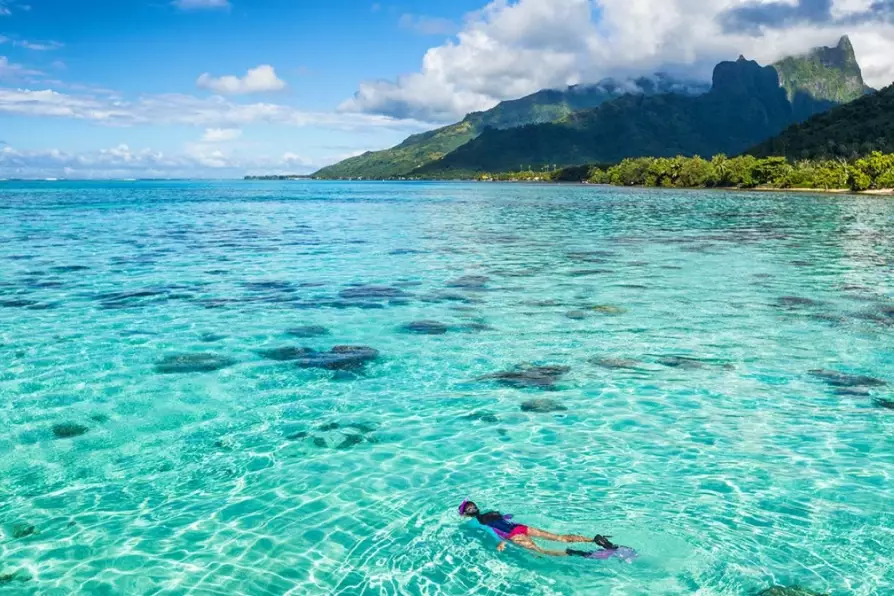
The best things in Tahiti are often free. Snorkeling right off many public beaches or your pension's dock. Hiking to waterfalls and lookouts (like the Belvédère in Moorea). Exploring small villages and meeting locals. Don't feel pressured to book a paid tour every single day.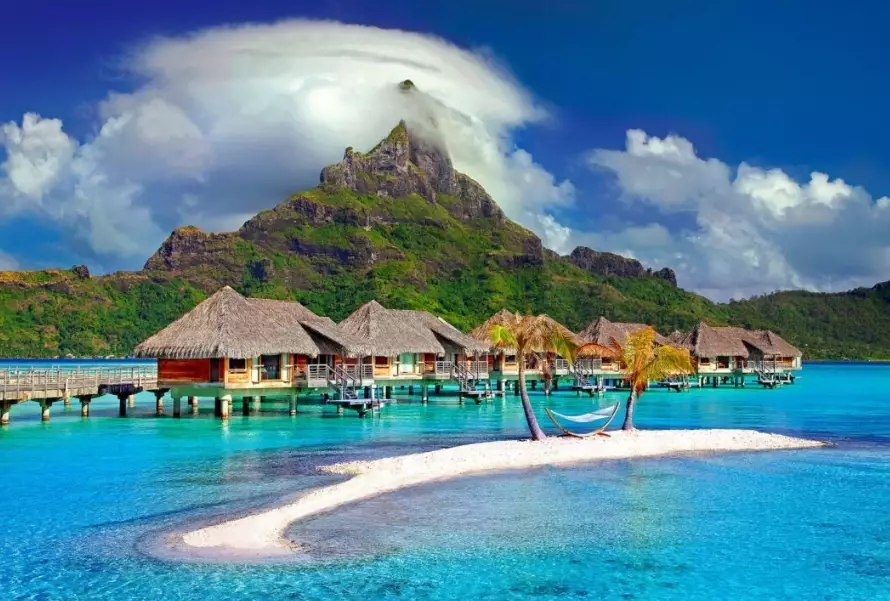
Your Tahiti Cost Questions Answered
 Are there any package deals that actually save money?
So, why is Tahiti so expensive? It's geography, it's policy, it's economics, and it's choice. The cost is a barrier, but it's also part of what has kept the islands so breathtakingly beautiful and culturally rich. By understanding where the money goes—into long flights, imported goods, high-quality labor, and environmental preservation—you can better appreciate the value and, more importantly, plan a trip that fits your budget without sacrificing the magic. Start saving, start planning, and use these tips to bring your dream within reach.
Comments
Join the discussion