Let's be honest. The idea of visiting Antarctica is intoxicating. Pristine ice, towering glaciers, penguins waddling by – it's the ultimate adventure. I get it. But after following the industry for years and speaking with researchers who've spent seasons on the ice, a more complicated picture emerges. The glossy brochures and Instagram posts rarely show the full story. Beneath the surface of this booming industry lie significant environmental costs, ethical quandaries, and risks that every potential visitor should understand before booking that ticket.
What's Inside This Guide
The Silent Environmental Toll on a Fragile Ecosystem
Antarctica isn't just cold; it's fragile. Recovery from any disturbance takes decades, if not centuries. Tourism, even the well-intentioned kind, applies constant, low-grade pressure.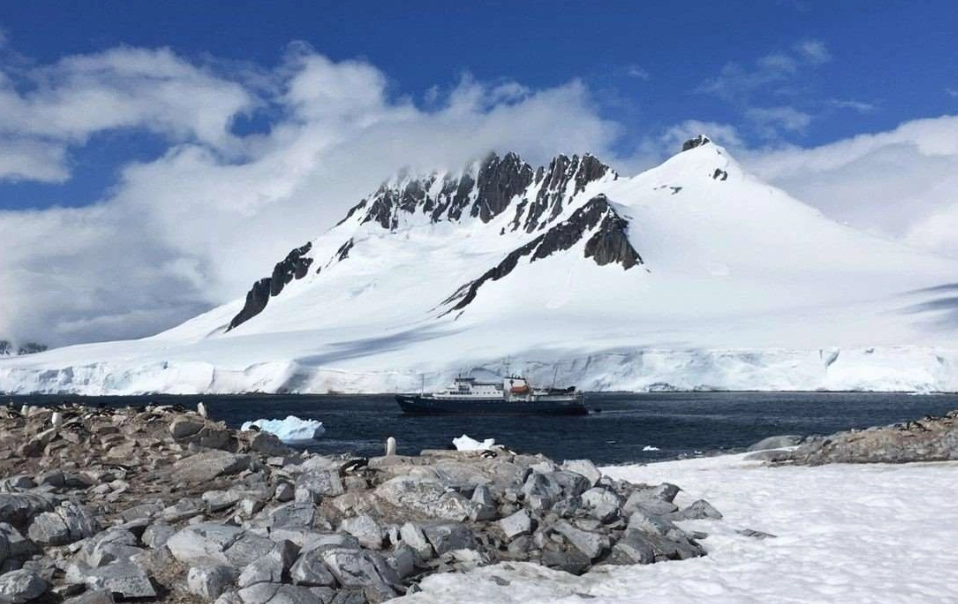
Wildlife Disturbance Isn't Always Dramatic
We think of disturbance as a ship hitting a whale. It's more subtle. A penguin colony at a popular landing site like Port Lockroy or Neko Harbour experiences it daily. Penguins have to divert their path to the sea, using extra energy. A study cited by The Antarctic Treaty Secretariat showed that even at regulated distances, penguin heart rates elevate when tourists are present. Over a season, this wasted energy can impact breeding success. It's death by a thousand cuts, not one big event.
Seals hauled out on ice are another story. I've seen photos where tourists, trying for a close-up, have crept far too close to a sleeping Weddell seal. The animal might startle, plunge into the water, and use precious fat reserves. In a place where every calorie counts for survival, our desire for a perfect photo has a real metabolic cost for them.
The Invisible Threat: Microplastics and Invasive Species
Your ship sheds microfibers. Your boots, even after rigorous cleaning protocols, can carry microscopic seeds, spores, or soil particles from previous ports. The International Association of Antarctica Tour Operators (IAATO) has strict biosecurity measures, but the risk is never zero. A non-native plant establishing itself could devastate the simple moss and lichen communities. Research stations have struggled with this for years; tourism multiplies the points of entry.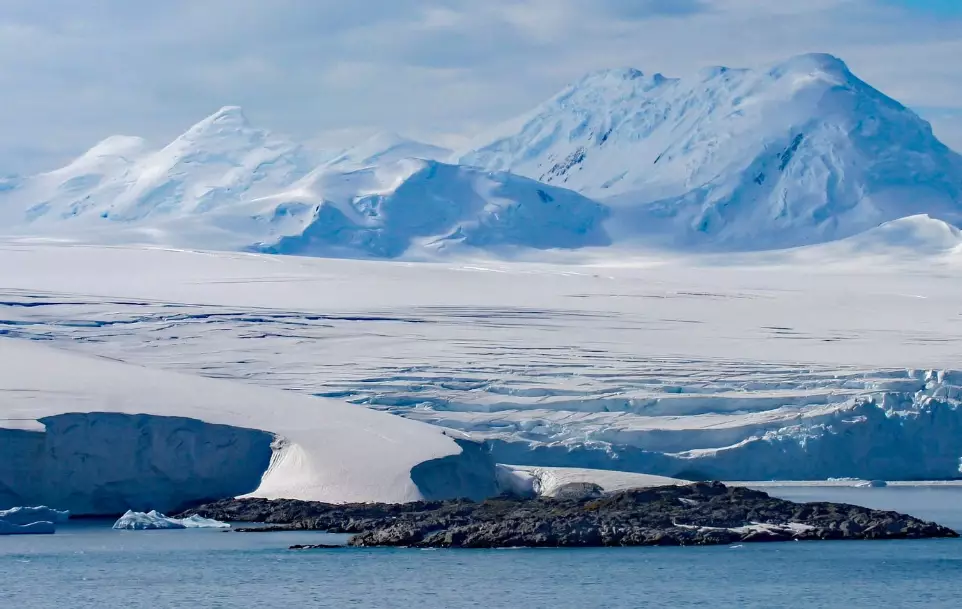
Carbon Footprint: The Elephant in the Room
Let's talk about the flight to Ushuaia, then the 2,000-kilometer ship journey across the Drake Passage, burning heavy fuel oil. The carbon footprint per tourist is staggering. Offsetting schemes exist, but many experts view them as a band-aid. You're traveling to see a place acutely threatened by the climate crisis, in a manner that directly contributes to it. The irony is thick enough to cut with an ice axe.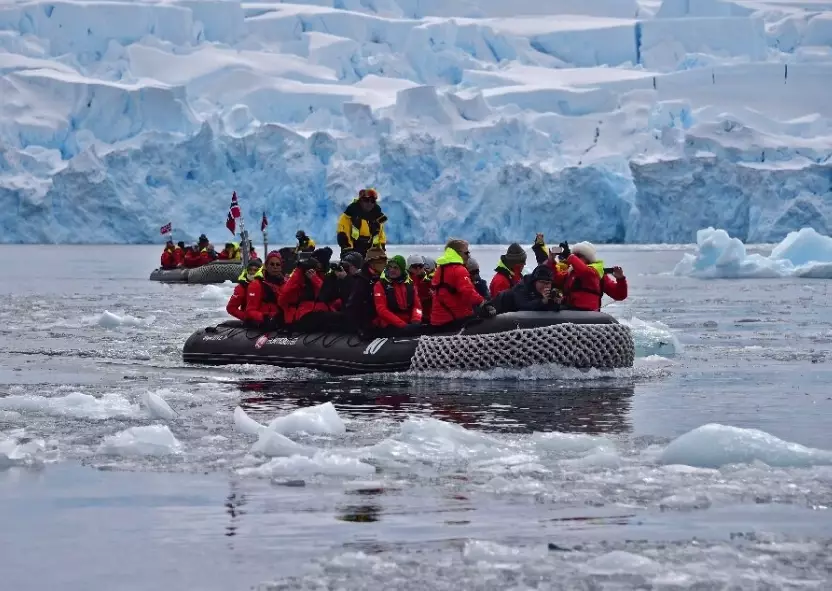
Disruption to Vital Scientific Research
Antarctica is a giant natural laboratory. Tourism often operates in the same prime coastal areas where critical science happens.
Imagine you're a geologist trying to take uncontaminated sediment samples near a popular landing beach. Now, a hundred visitors trek through your study area, however carefully. The site is compromised. Or consider sensitive acoustic equipment deployed to study whale communication, picking up the constant hum of Zodiac engines instead.
There's also a hidden resource drain. National Antarctic programs, like those from the British Antarctic Survey (BAS) or the United States Antarctic Program (USAP), sometimes have to divert personnel and logistics to assist with tourist emergencies—a medevac, a ship in distress. This pulls them away from their core scientific mission. It's not their job, but the humanitarian imperative means they have no choice.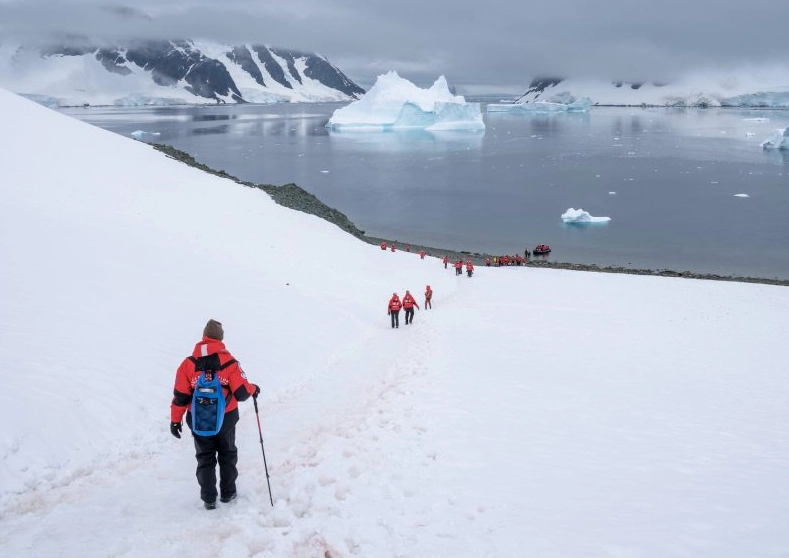
The Overlooked Safety and Logistics Nightmare
Antarctica doesn't care about your luxury cruise. The weather changes in minutes. Medical facilities are days away.
I recall a conversation with a former expedition doctor. Their biggest fear wasn't a broken leg; it was a cardiac event or a severe appendicitis. The evacuation chain is long, complex, and terrifyingly expensive, often requiring coordination with a nearby national program's aircraft. While IAATO members are required to have robust plans, the remoteness adds a layer of risk no other destination matches.
Then there's the sheer pressure on iconic sites. On a sunny day in January, you might have three ships scheduled for Paulet Island, each with 100 passengers. The landing areas are small. This creates a rushed, queue-like experience for tourists and concentrated pressure on the wildlife. It's the antithesis of the "remote wilderness" experience sold in the brochure.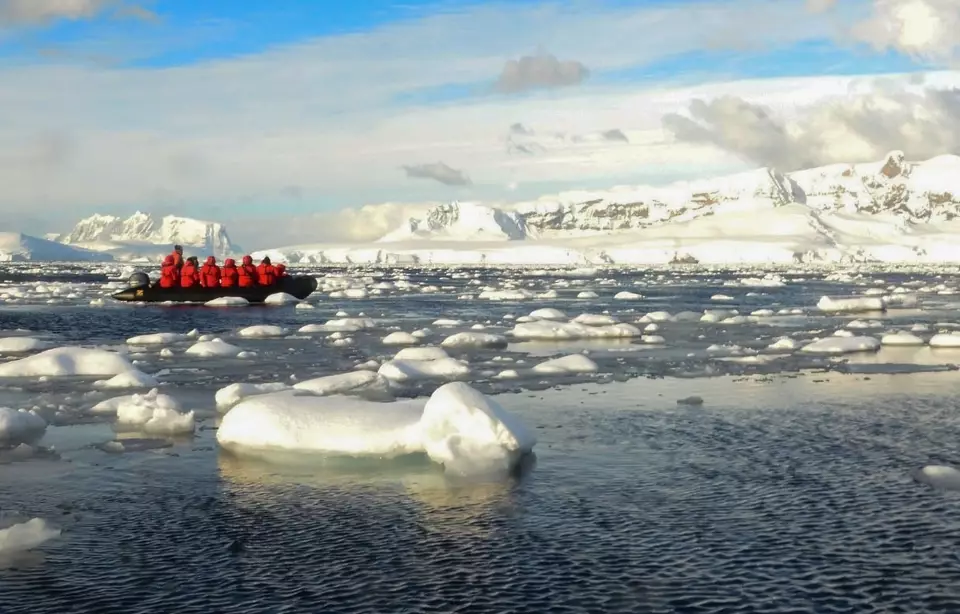
The Regulation Gap and the "Last Chance" Paradox
IAATO does commendable work in self-regulation. But it's a membership body. Not all operators are members, and enforcement relies on peer pressure and reputation. The Antarctic Treaty System is built on consensus, making new, binding regulations slow and politically difficult.
This leads to a dangerous trend: the "Last Chance Tourism" mindset. "See it before it melts!" This marketing angle drives a different kind of visitor—one motivated by urgency rather than deep understanding, potentially less inclined to follow strict protocols. It commodifies the disappearance of the ice, turning a climate tragedy into a sales pitch.
Furthermore, the economic argument that "tourism fosters conservation advocates" is shaky. Does a two-week cruise truly create lifelong stewards, or does it simply create consumers of a rare experience? The evidence is mixed at best.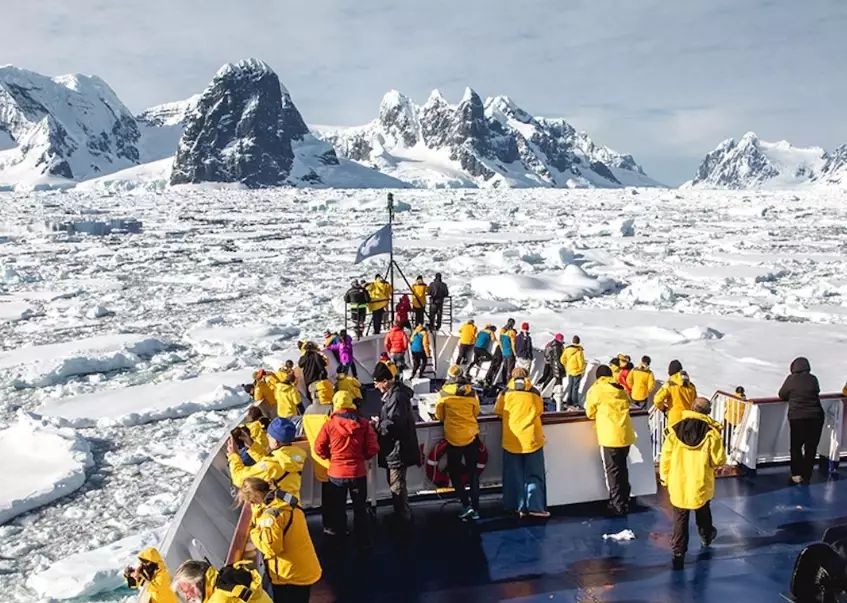


Comments
Join the discussion