In This Guide
So, you're dreaming of koalas, the Sydney Opera House, and the Great Barrier Reef. Then the thought hits you – is Australia expensive for tourists? It's the first question that pops up for most travelers, and honestly, it's a good one. The short answer is yes, Australia can be pricey. But before you scrap your plans, the real answer is more like "it depends entirely on how you travel." I've been there, done that, and honestly, some things made me wince at the price, while others were surprisingly reasonable.
Let's cut through the generic advice. Saying "Australia is expensive" is like saying "cars are fast" – it's true, but it doesn't help you choose between a sedan and a sports car. Your trip's cost hinges on your choices: city vs. outback, hostels vs. hotels, fancy restaurants vs. supermarket picnics. This guide isn't about scaring you with big numbers. It's about giving you the real, nitty-gritty cost breakdown so you can plan a trip that fits your wallet, whether you're a backpacker counting every dollar or someone looking for a comfortable holiday.
The Core Truth: Australia has a high standard of living and high minimum wages, which translates to higher costs for services (like dining out, tours, and taxis) compared to Southeast Asia or parts of Europe. However, with smart planning, you can absolutely manage these costs without sacrificing the experience.
The Big Picture: Where Your Money Really Goes
To understand if Australia is expensive for tourists, you need to break it down. The major cost centers are pretty consistent: getting there, sleeping, moving around, eating, and playing. The weight of each category changes based on your style.
For a mid-range traveler, accommodation and internal flights (if you're covering a lot of ground) will likely be your biggest expenses. For budget travelers, food and activities become the daily battleground. Let's get specific.
Accommodation: From Hostel Bunks to Harbour Views
This is often the biggest shock. Hotel prices in major cities, especially Sydney and Melbourne, can be steep. But there's a massive range.
$140 - $220 AUD per night
| City | Budget (Hostel/Dorm) | Mid-Range (Private Room/3-star Hotel) | High-End (4-5 star Hotel/Central Apt) |
|---|---|---|---|
| Sydney | $35 - $55 AUD per night (dorm) | $150 - $250 AUD per night | $300+ AUD per night |
| Melbourne | $30 - $50 AUD per night (dorm) | $120 - $200 AUD per night | $280+ AUD per night |
| Brisbane/Gold Coast | $28 - $45 AUD per night (dorm) | $130 - $200 AUD per night | $250+ AUD per night |
| Adelaide/Perth | $25 - $40 AUD per night (dorm) | $120 - $180 AUD per night | $230+ AUD per night |
| Regional Areas/Hostels | $25 - $40 AUD per night (dorm) | $100 - $160 AUD per night (motel) | Limited options |
See what I mean? The range is huge. My personal take? The mid-range hotel market in Sydney feels overpriced for what you often get. You might pay a lot for a fairly standard room unless you book well in advance. A huge money-saver is considering accommodations slightly outside the absolute city center but near good public transport links.
Pro Tip: Don't underestimate serviced apartments or Airbnb-style rentals (where available and legal) for longer stays or groups. Having a kitchen can save you a fortune on meals. Also, check university colleges – some rent out rooms during student holidays at great rates.
Transport: Flights, Wheels, and City Passes
Australia is massive. This fact alone can make your trip expensive if you don't plan your route wisely.
Getting In: International flights vary wildly. From North America or Europe, yes, it's a major expense. But from Asia, you can often find surprisingly good deals. Use flight comparison tools and be flexible with dates.
Getting Around: This is the kicker.
- Domestic Flights: Essential for crossing large distances (e.g., Sydney to Perth, Melbourne to Cairns). Carriers like Jetstar, Virgin Australia, and Rex offer competitive fares, but book early! A last-minute flight can cost more than your international ticket. I've seen Sydney-Melbourne flights for $70 AUD one way if booked months ahead, and over $300 for the same route a week out.
- Trains & Buses: Scenic but slow and often not cheaper than flights for long distances. The Indian Pacific or The Ghan are incredible luxury experiences, but they are priced as such – think thousands, not hundreds.
- Car/Campervan Rental: A fantastic way to see the country, especially regional coasts or the Red Centre. Daily rates can seem okay ($50-$80 AUD/day for a small car), but watch for one-way fees, insurance excess, and the current price of fuel, which fluctuates. A campervan solves your accommodation and transport in one go, but rental costs are higher.
- City Public Transport: Generally excellent and affordable in major cities. Get an Opal card (Sydney), Myki (Melbourne), or Go Card (Brisbane). Daily caps mean you can travel all day for around $15-$18 AUD. This is one area where Australia is quite reasonable for tourists.
I rented a car to drive the Great Ocean Road. While the rental itself was fine, filling up the tank felt painful compared to back home. That said, the freedom was worth every cent. You just have to budget for it.
Food & Drink: The Cafe Culture vs. The Supermarket Save
Australian cafe culture is world-class. A flat white is a religion. And this is where you can spend a lot, or very little.
Quick Cost Snapshot:
- Coffee: $4.50 - $6 AUD. Non-negotiable and usually excellent.
- Cafe Breakfast/Brunch: $18 - $28 AUD for something like avocado toast or eggs Benedict. Portions are usually generous.
- Pub Counter Meal ("Parma" or Burger & Chips): $22 - $30 AUD. A classic, filling option.
- Restaurant Main Course (Mid-range): $28 - $40 AUD.
- Beer at a Pub: $8 - $12 AUD for a schooner/middy.
- Bottle of Wine from a Bottle Shop: $15 - $25 AUD for something very drinkable.
- Supermarket Groceries: Comparable to other Western countries. A loaf of bread ~$3 AUD, pasta ~$2 AUD, chicken breast ~$12 AUD/kg.
So, is Australia expensive for tourists when it comes to food? Eating out for every meal will blow your budget fast. The secret? Mix it up. Do a fantastic brunch one day, then hit the supermarket for picnic supplies the next. Most hostels and many apartments have BBQs – a national pastime. Buying your own meat, salad, and bread is incredibly cheap and social. Also, look for Asian eateries in city suburbs – you can get a massive, delicious bowl of pho or laksa for under $15 AUD.
And tap water is perfectly safe to drink everywhere. Carry a bottle.
Activities & Tours: The "Wow" Factor Costs
This is the heart of your trip, and yes, the big-ticket items are significant investments.
- Great Barrier Reef Day Trip (from Cairns/Port Douglas): $200 - $350+ AUD. The price varies by boat size, distance to the reef, and inclusions (like scuba diving). It's not cheap, but it's a world wonder. Check for eco-certified operators.
- Uluru (Ayers Rock) Park Pass: $38 AUD for a 3-day pass (per adult). Tours (like sunrise viewing, guided walks) are extra.
- Sydney Harbour Bridge Climb: $250 - $400+ AUD. Iconic, but you're paying for the permit and safety. A cheaper alternative is to walk across the bridge for free and visit the Pylon Lookout ($19 AUD).
- Museum/Gallery Entry: Many state museums (like the Melbourne Museum, Australian Museum in Sydney) have free general entry or suggested donations. Art galleries often have free permanent collections.
- National Parks Fees: Many have entry fees per vehicle (e.g., $13-$17 AUD). If you're visiting several, a multi-park pass (state-based) can save money.
The good news? Some of the best things are free: hiking in the Blue Mountains (just pay for the train), wandering Bondi to Coogee coastal walk, exploring Melbourne's laneways, or stargazing in the outback.
City-by-City Reality Check
Costs aren't uniform. Your experience of how expensive Australia is for tourists will change with the postcode.
Sydney: The Glamorous (and Pricy) Gateway
Sydney tops the charts. Harbour-side accommodation, dining with a view, and iconic attractions command premium prices. It's where you'll feel the pinch most. A simple sit-down lunch in Circular Quay can cost double what it would in a suburban cafe. My advice? Enjoy the free sights (Opera House exterior, Botanical Gardens, ferries as transport) and save your splurge for one special harbour dinner or a show.
Melbourne: Slightly More Manageable
Melbourne feels a touch more accessible. Its culture is in the streets, laneways, and parks – which are free. Coffee and food are still top-tier but with more affordable, hidden-gem options in suburbs like Fitzroy or Footscray. Trams in the city centre are free, which is a fantastic perk.
Brisbane, Adelaide, Perth: The Sunshine (and Value) States
These cities often offer better value for accommodation and eating out. The pace is different, and you might find your dollar stretches further. Perth, being so isolated, can have higher costs for some imported goods, but local produce and wine are fantastic.
Regional & Rural Areas: A Mixed Bag
In tourist hotspots like Queenstown (NZ's neighbour) or popular wine regions (Barossa, Margaret River), prices match the demand. In smaller towns, accommodation might be basic but cheaper, though sometimes limited choice can keep prices up. Fuel and groceries can be more expensive due to transport costs.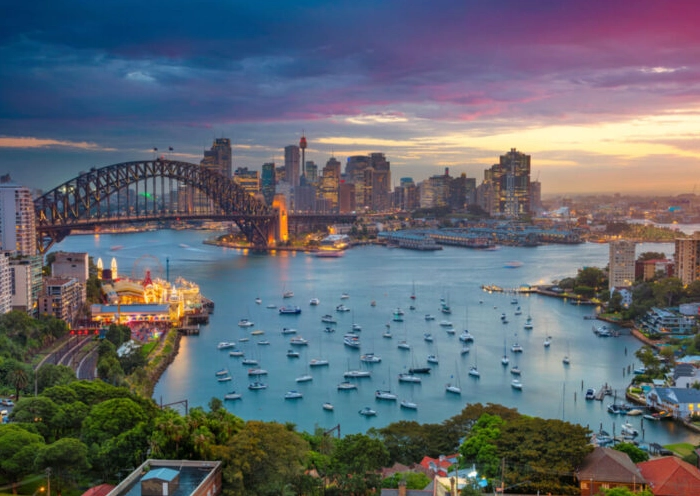
Smart Strategies to Beat the High Costs
Okay, so Australia can be expensive. Here's how to tackle it head-on.
1. Travel in the Shoulder Seasons. Avoid peak Aussie summer holidays (mid-Dec to late Jan) and Easter. February-April and October-November often have great weather and lower prices for flights and hotels.
2. Book Flights and Major Accommodation Early. This is the single biggest factor. Last-minute deals in Australia are rare for the good stuff.
3. Cook Some Meals. I can't stress this enough. Even making your own breakfast and lunch saves $30-$50 per person per day. A picnic dinner is an experience in itself.
4. Use Public Transport. It's efficient and cost-capped. Avoid taxis and ride-shares for everyday travel.
5. Prioritize Your Splurges. Decide what's non-negotiable for you. Is it the reef trip? A fancy Sydney hotel? A wine tour? Budget for that, and offset costs elsewhere.
6. Look for Free Entertainment. Beaches, hikes, city festivals, free walking tours (tip-based), public art, and botanic gardens are all over. Australia's natural beauty is its greatest free asset.
7. Consider a Working Holiday Visa. If you're eligible and between 18-30 (or 35 for some countries), this is the ultimate way to fund an extended trip. It changes the question from "Is Australia expensive for tourists?" to "How can I earn and travel?"
Answering Your Burning Questions (FAQs)
Let's tackle the specific stuff people google.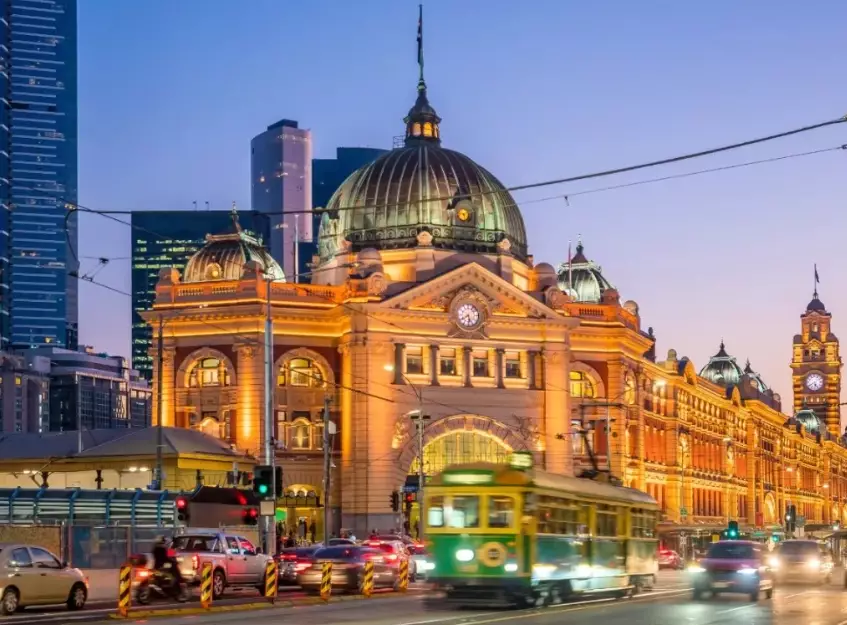
Is $5000 AUD enough for 2 weeks in Australia?
For two people? It's tight but possible with a strict budget (hostels/motels, cooking most meals, limited internal flights, careful activity choices). For one person? Absolutely doable for a comfortable mid-range trip, excluding international flights. You could enjoy nice meals, a few tours, and decent accommodation if you plan well.
What's the daily budget I should plan for?
- Budget Traveler: $80 - $120 AUD per day (hostel dorm, self-catering, public transport, mostly free activities).
- Mid-Range Traveler: $150 - $250 AUD per day (private room/hotel, mix of eating out and self-catering, some tours, domestic flights).
- High-End Traveler: $300+ AUD per day (hotels, restaurants, premium tours, flights).
Is food and drink ridiculously expensive?
Not ridiculously, but noticeably. A restaurant meal and a couple of drinks can easily hit $50-$70 per person. The shock comes from comparing it to cheaper destinations. Coffee and bakery items are fairly priced for the quality.
Should I tip in Australia?
No, not obligatory. Wages are decent. Tipping is appreciated for exceptional service (rounding up the bill or 5-10% at a fancy restaurant), but it's not expected like in the US. Don't feel pressured.
Are there any hidden costs?
Watch for: Bank ATM fees (use bank-owned ATMs), foreign transaction fees on your cards (get a travel card), mobile data (buy a local SIM like Telstra, Optus, or Vodafone), and that one-way rental car fee I mentioned.
The Verdict: Is Australia Expensive for Tourists?
Here's my final, honest take. Australia is a premium destination. You're not going to find Thailand or Vietnam prices here. The baseline cost of living is high, and that flows through to tourism.
But "expensive" is relative.
Compared to a backpacking trip through Central America? Yes, very. Compared to a city break in London, New York, or Tokyo? It's actually quite comparable, and in some ways (like city transport, free natural attractions) it can be better value.
The real question isn't just "Is Australia expensive for tourists?" It's "What am I willing to spend for this specific experience?" You're paying for incredible safety, stunning and diverse landscapes, fantastic infrastructure, world-class food and wine, and unique wildlife.
With research, early booking, and a balanced approach (splurging here, saving there), a trip to Australia is absolutely achievable for most budgets. It requires more planning than a spontaneous Euro-trip, but the payoff is immense. Don't let the fear of cost put you off. Just go in with your eyes open, your budget planned, and get ready for an amazing time.
Start by checking flight prices, then look at accommodation in your desired cities. Those two numbers will give you the skeleton of your budget. Then fill in the rest with the strategies we talked about. You've got this.



Comments
Join the discussion