You've seen the photos. Perfect beaches, water in fifty shades of blue, smiles as warm as the sun. Fiji delivers on that promise, but its true beauty isn't just a single snapshot—it's a diverse collection of islands, each with a different personality. The mistake most first-timers make is treating Fiji as one big resort. It's not. Choosing where to go dictates your entire experience. This guide cuts through the glossy brochures to show you the most beautiful places in Fiji, how to get to them, what they really cost, and how to avoid spending your entire holiday in transit.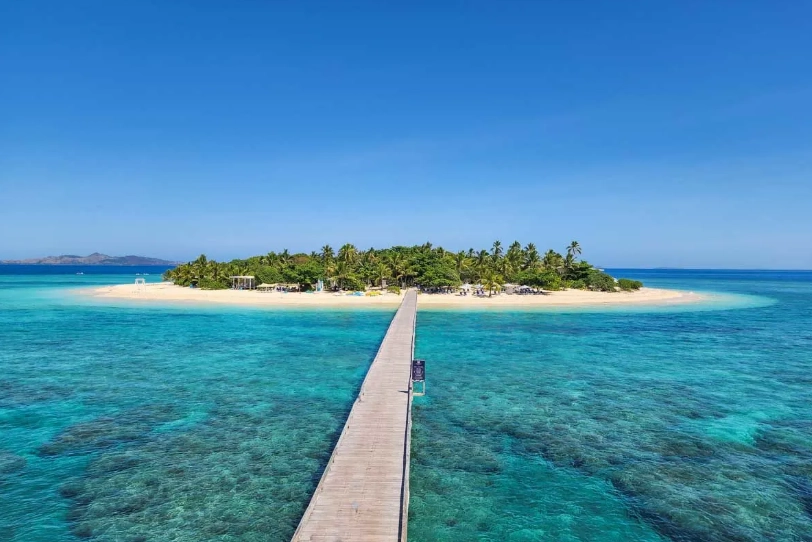
Your Fiji Beauty Trail Map
The Mamanuca Islands: Iconic Beauty & Easy Access
This is the Fiji of your dreams, closest to the international airport in Nadi. A chain of about 20 islands, the Mamanucas offer that classic desert-island look with effortless convenience. The water is exceptionally clear, the sand powdery, and the coral reefs vibrant. It's perfect if you have limited time or want a mix of relaxation and activity.
Monuriki Island is famous as the filming location for the movie Cast Away. It's uninhabited, so visits are via day trip. You won't find Tom Hanks' volleyball, but you will find a stunning crescent beach and great snorkeling just offshore. Tours typically depart from Denarau or Mana Island.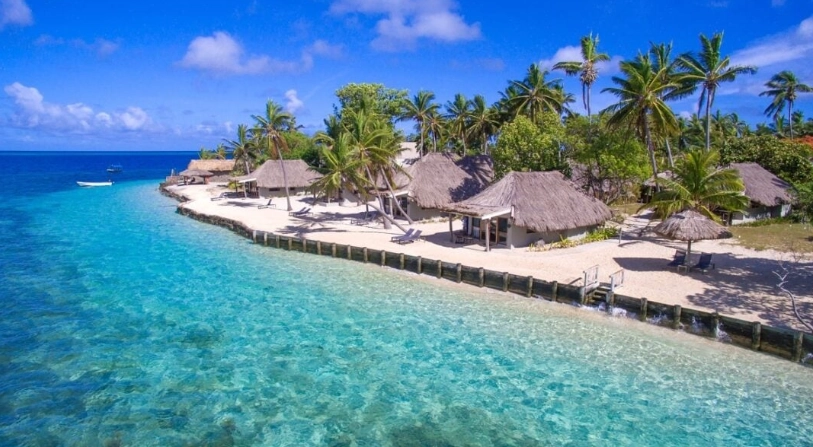
Getting to the Mamanucas:
By boat: Regular high-speed catamarans (like South Sea Cruises) run from Denarau Port. The ride to islands like Mana or Malolo takes 45-90 minutes. A return ticket costs roughly FJD $120-$180 per adult.
By seaplane/helicopter: The splurge option. You get breathtaking aerial views of the reefs. A scenic flight or transfer can cost from FJD $300 one way.
Day trips: If you're based on the main island (Viti Levu), day cruises to places like the Malamala Beach Club (the world's first island beach club) or Monuriki are hugely popular. Expect to pay FJD $200-$300 per person inclusive of transfers, food, and drinks.
While islands like Mana and Malolo have multiple resorts, don't overlook smaller gems. Modriki Island (a protected sanctuary) offers incredible snorkeling in a sheltered lagoon. The key here is to book activities early—the best spots get busy.
The Yasawa Islands: Dramatic Landscapes & Village Life
North of the Mamanucas, the Yasawa chain is wilder, more rugged, and culturally immersive. Think sharp volcanic peaks, long stretches of untouched beach, and traditional villages that welcome visitors. This is where you go to disconnect.
The beauty here is raw. Blue Lagoon (near Nacula Island) isn't just a resort name—the water really is an intense, luminous blue. Sawa-i-Lau is famous for its limestone caves where you can swim in an ethereal underground pool. Access is usually included in tours or via a small fee (around FJD $20) paid to the local village, which manages the site.
Transport is different. The Yasawa Flyer catamaran (run by Awesome Adventures Fiji) is the backbone of travel here, departing daily from Denarau. It's a hop-on, hop-off service connecting resorts. A trip to the northern Yasawas can take 4-5 hours by boat. For a faster route, consider a chartered flight to an island airstrip like on Turtle Island.
Staying in the Yasawas often involves participating in village visits. It's respectful to bring a small gift (like kava, known locally as yaqona) for the chief. Resorts range from budget-friendly (like Barefoot Manta) to ultra-luxury private islands.
Viti Levu: Mainland Beauty Beyond Nadi
Most people land at Nadi and leave. Big mistake. Viti Levu, the main island, holds some of Fiji's most accessible and diverse beautiful spots, often overlooked.
The Coral Coast
Stretching for about 80 km south of Nadi, this is where the road meets the reef. It's not about isolated islands, but about long drives with ocean views, cultural sites, and soft adventure. Sigatoka Sand Dunes National Park is a stark, beautiful contrast—wind-sculpted dunes up to 60 meters high, managed by the National Trust of Fiji. Entrance is a minimal fee (about FJD $10), and guided walks are worth it to learn about the archaeological sites.
Pacific Harbour & Beqa Lagoon
Known as Fiji's adventure capital, the beauty here is underwater. Beqa Lagoon is one of the world's top soft coral dive sites, famous for the Shark Reef Marine Reserve. Even if you don't dive, the lagoon's colors from above are stunning. Pacific Harbour is also the gateway to white-water rafting on the Upper Navua River, a journey through a pristine gorge.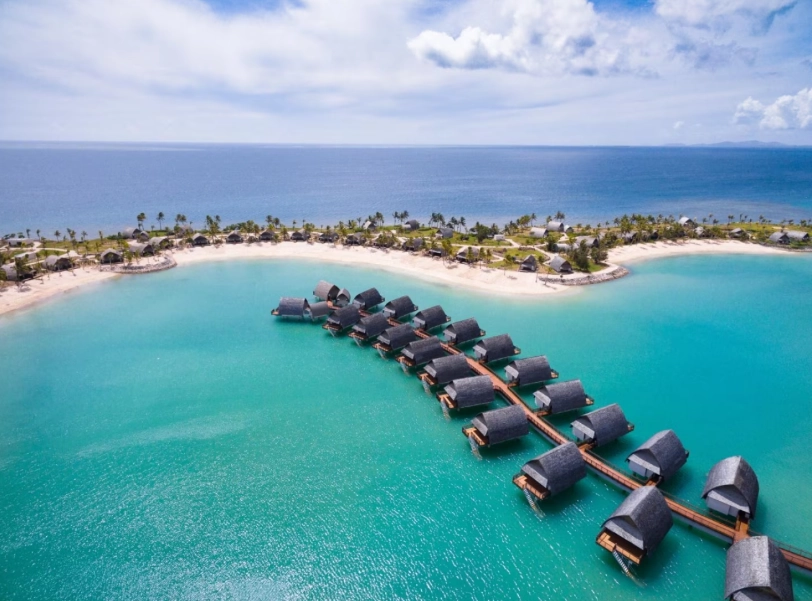
The Nausori Highlands
Want to escape the coast? An hour's drive inland from Suva brings you to cool, misty highlands with waterfalls and traditional villages. Colo-i-Suva Forest Park is a rainforest reserve with a series of swimming holes and hiking trails. It's a completely different, lush side of Fiji's beauty. Entrance is around FJD $10 per person.
Vanua Levu & Taveuni: The Garden Island's Untamed Charm
For the committed traveler, Fiji's second and third largest islands offer profound rewards. This is where you find the Bouma National Heritage Park on Taveuni and the massive Great Sea Reef (Cakaulevu) off Vanua Levu's coast.
Taveuni's beauty is in its waterfalls and rainforests. The hike to Tavoro Waterfalls (Bouma Falls) is a must-do, with three tiers of falls and natural pools to swim in. Park entry and guide fees support the local community. On the island's south coast, the Lavena Coastal Walk is a 5km trek ending at a gorgeous waterfall plunging directly into the sea.
Vanua Levu is more laid-back. The town of Savusavu is a charming yachting hub with hot springs. The real draw is the Rainbow Reef near the Somosomo Strait, renowned for the Great White Wall—a sheer drop covered in white soft coral. Diving or snorkeling here requires planning and is generally done from liveaboards or resorts in the area.
Getting here requires a domestic flight from Nadi or Suva to Savusavu or Taveuni. Flights are regular but add to the cost and itinerary complexity. It's best for a second Fiji trip or a longer, more exploratory holiday.
How to Plan Your Fiji Islands Trip
Choosing the most beautiful place depends entirely on your trip style, budget, and time. Here’s a blunt breakdown to help you decide.
| Your Trip Profile | Best Island Group | Why It Fits | Key Logistics |
|---|---|---|---|
| First-time, short trip (4-7 days) | The Mamanucas | Maximum “wow” factor with minimal travel time from Nadi. All amenities. | Easy boat transfer. Many all-inclusive resorts. Perfect for honeymoons or pure relaxation. |
| Adventure & culture on a moderate budget | The Yasawas | Stunning landscapes, village visits, great diving/snorkeling. Less commercial. | Book the Yasawa Flyer pass. Mix of budget and mid-range accommodation. Allow more time for travel. |
| Mainland exploration, self-drive, families | Viti Levu (Coral Coast/Pacific Harbour) | No inter-island transfers needed. Diverse activities (culture, adventure, beaches). More affordable. | Rent a car. Stay at 2-3 different spots along the coast. Use as a base for day trips to Mamanucas. |
| Serious divers, nature lovers, off-path explorers | Taveuni & Vanua Levu | World-class diving (Rainbow Reef, Beqa Lagoon), epic rainforests, fewer tourists. | Requires domestic flights. More planning needed. Best for 10+ day trips. |
A practical 5-day sample itinerary for a first-timer could look like this: Land in Nadi, transfer directly to Denarau Port for a 1-hour boat to a Mamanuca Island resort. Spend three full days there snorkeling, doing a day trip to Monuriki, and relaxing. On the final full day, return to the main island and stay at a Coral Coast resort to experience a different vibe and visit the Sigatoka Sand Dunes before your flight out.
Booking inter-island transport independently can be fiddly. Companies like South Sea Cruises and Awesome Adventures Fiji have reliable schedules. For authoritative travel advisories and general info, always check the Fiji Tourism website.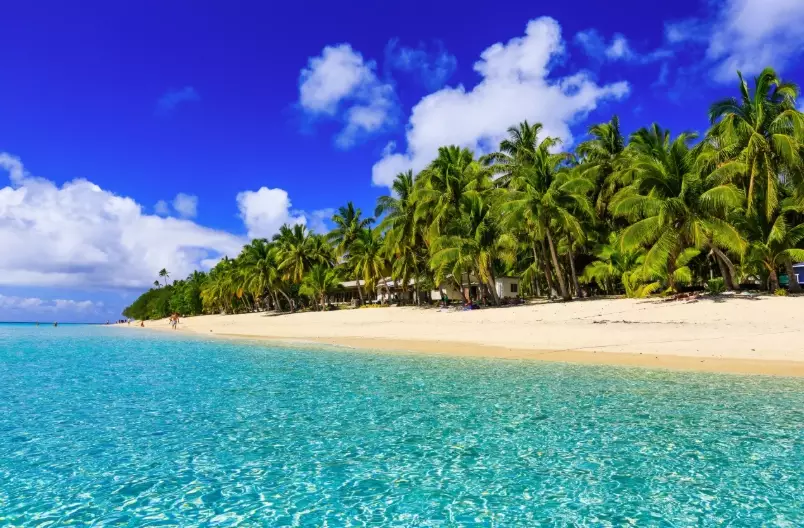
Your Fiji Beauty Questions Answered
 Are the "most beautiful" spots in Fiji also the most crowded?
Comments
Join the discussion