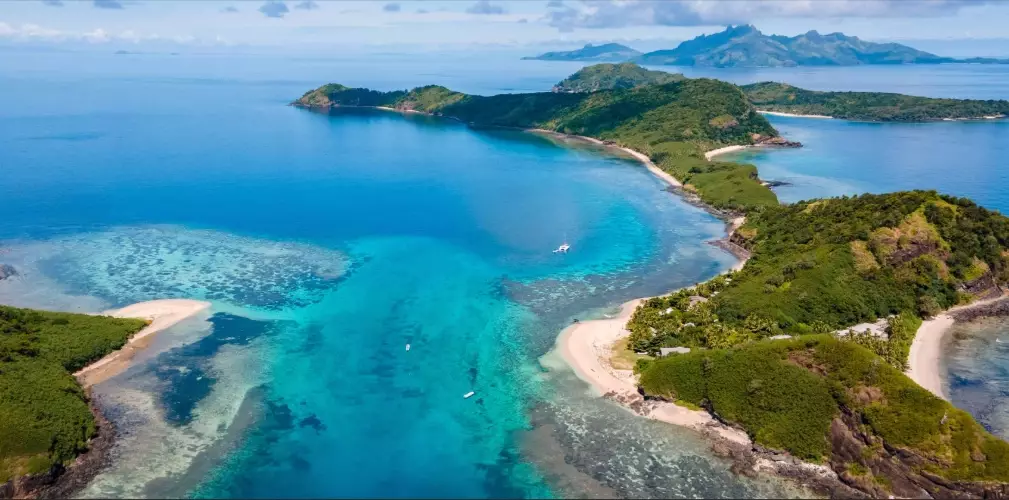
If you're an American traveler staring at a map of the South Pacific, Fiji almost certainly pops up as a dream destination. But is it just a postcard fantasy, or is Fiji genuinely good for tourists from the USA? The short answer is a resounding yes, but with some important nuances that can make or break your trip. Having spent considerable time island-hopping there, I can tell you Fiji offers a unique blend of ease and adventure that's particularly well-suited to American visitors, from families to solo explorers. English is the official language, the US dollar is strong against the Fijian dollar, and the famous "Bula" hospitality is real. However, the biggest mistake first-timers make is treating Fiji as a single destination—it's an archipelago of over 300 islands, and your experience hinges entirely on picking the right one for your travel style.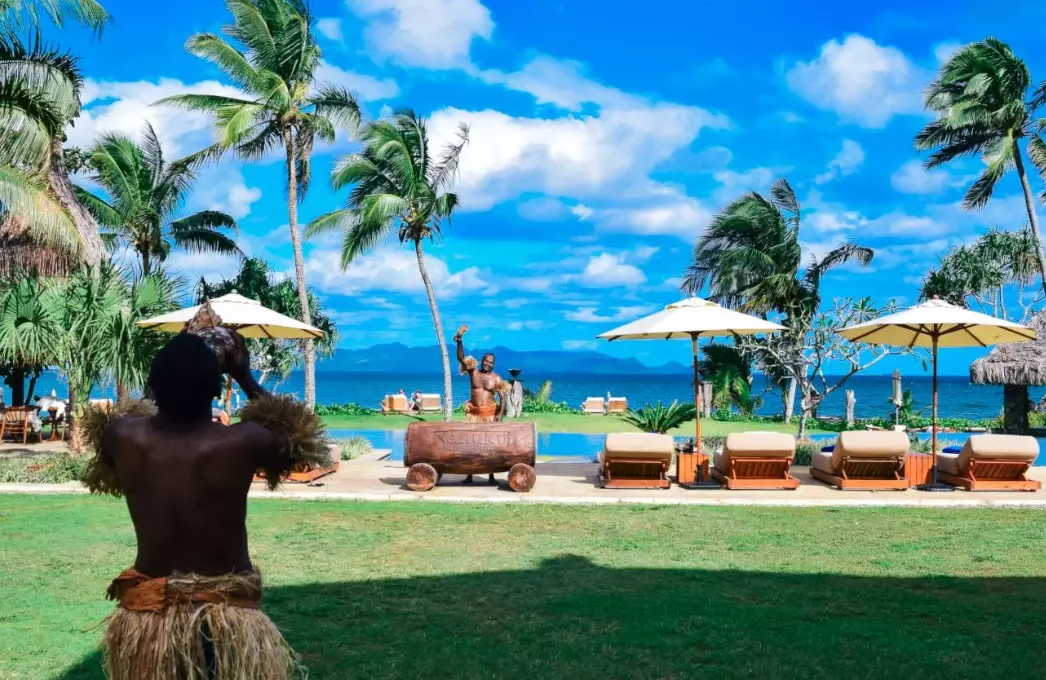
Your Quick Fiji Travel Guide
Why Fiji is a Great Fit for American Travelers
Let's cut through the marketing. Fiji works for Americans because it removes many of the classic international travel headaches.
Safety and Communication are top of mind for many. According to the U.S. Department of State, Fiji is a Level 1 destination, advising normal precautions—the same rating as countries like France or the UK. Violent crime against tourists is rare. Petty theft exists, like anywhere, but common sense goes a long way. More importantly, you can always ask for directions, clarify a menu, or resolve an issue because everyone speaks English. This isn't just in resorts; it's nationwide.
The travel logistics are surprisingly straightforward. Fiji Airways operates direct flights from Los Angeles (LAX) and San Francisco (SFO) to Nadi International Airport (NAN). The flight is long (about 10-11 hours), but it's a single hop across the date line—you "lose" a day flying west but gain it back on the return. Once you land, the main tourism infrastructure is concentrated, making initial transfers easy.
Cost Reality Check: Fiji isn't a budget backpacker haven like Southeast Asia, but it's not uniformly expensive either. Think of costs in tiers. A domestic beer in a local shop? About FJ$5 (roughly $2.20 USD). A gourmet dinner at a resort? Easily $80 USD per person. The smart move is to mix experiences. Stay a few nights at a resort for the pampering, then switch to a locally-run boutique hotel or guesthouse on an outer island. Your wallet and your cultural experience will thank you.
Finally, there's the cultural fit. Fijians are genuinely warm and love sharing their culture. The ritual of kava drinking (yaqona) is a social cornerstone. As an American guest, participating respectfully is a quick way to connect. Remember, it's a ceremonial drink, not a party shot. The clap before and after you drink matters.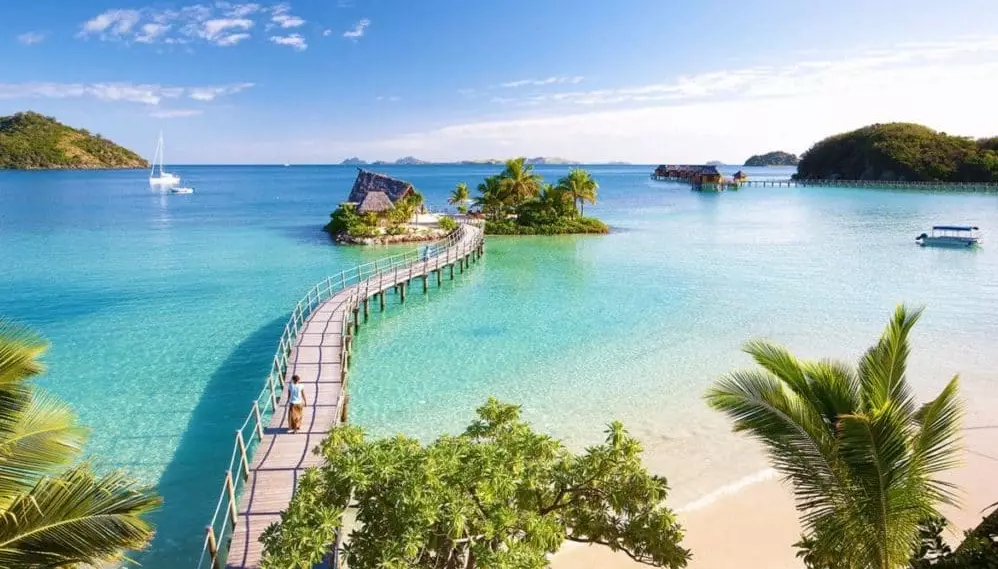
Top Islands & Regions: Picking Your Fiji Base
This is the most critical decision. Picking the wrong island chain is the number one reason some tourists leave disappointed. Here’s a breakdown of the main hubs.
| Region | Best For | Travel Style & Vibe | Sample Stay & Cost (Per Night) |
|---|---|---|---|
| Viti Levu (Main Island) - Denarau & Coral Coast | First-timers, families, short stops, convenience. | Resort-heavy, manicured, easy. All amenities nearby. Less "remote paradise" feel. | Hilton Fiji Beach Resort & Spa, Denarau. Address: Denarau Island, Nadi. Large pools, kids' club, multiple restaurants. $$$ ($350-$500 USD). |
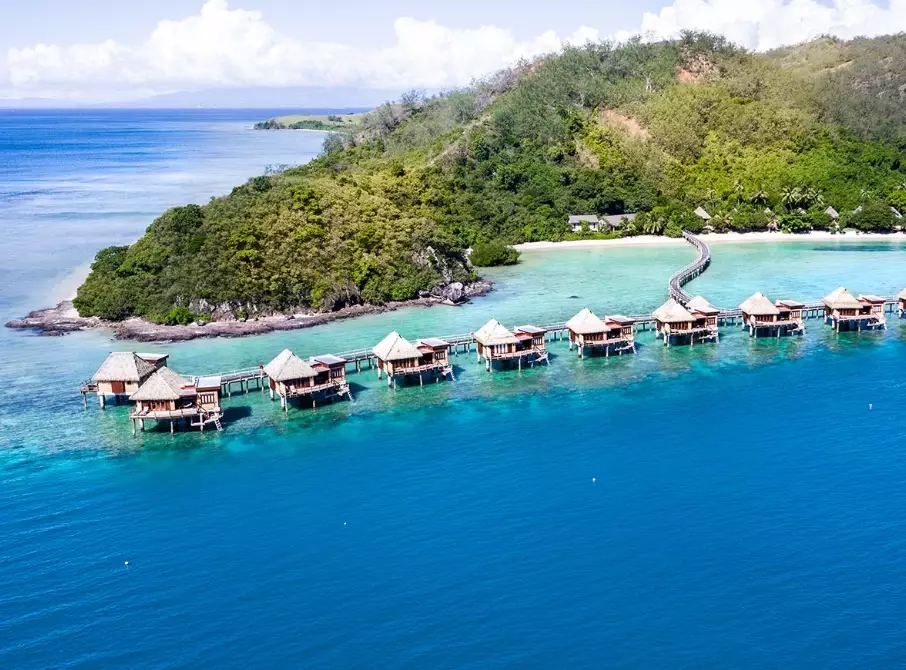
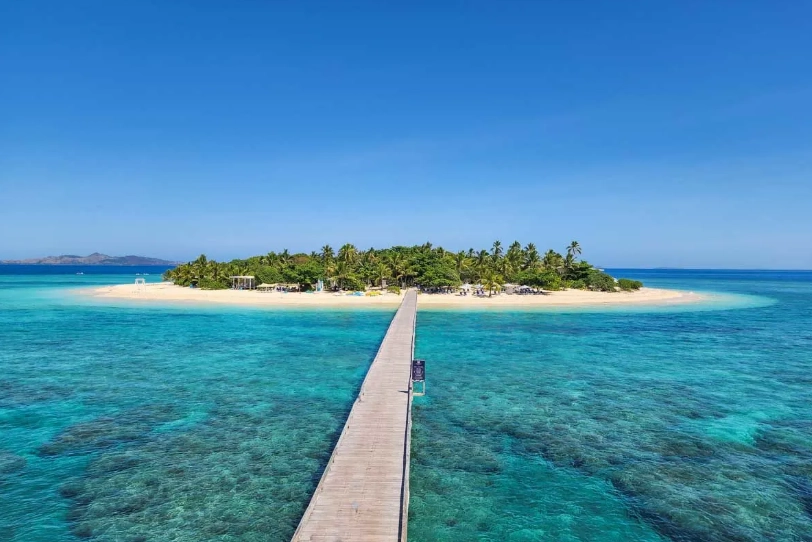
| Mamanuca Islands | Postcard seekers, beach lovers, surfers, party vibe. | Iconic turquoise water, easily accessible from Nadi (fast catamaran or seaplane). Can feel busy. | Malolo Island Resort. Family-friendly, great snorkeling off the beach. $$-$$$ ($250-$450 USD). Boat transfer from Port Denarau included. |
| Yasawa Islands | Adventure, authenticity, backpackers, stunning landscapes. | More rugged, dramatic hills, fewer day-trippers. Requires longer boat ride (3-5 hrs) or flight. | Blue Lagoon Beach Resort, Nacula Island. Famous lagoon, relaxed, great for diving. $$ ($200-$300 USD). |
| Vanua Levu & Taveuni | Experienced travelers, divers, eco-tourists, solitude. | "The Garden Island," lush rainforests, world-class dive sites (Rainbow Reef). Less developed tourism. | Makaira Resort, Taveuni. Small, focused on fishing and diving. $$$ ($400-$600 USD). Requires domestic flight from Nadi. |
My personal take? If you have under a week, split time between Denarau (for ease) and the Mamanucas (for that classic Fiji water). With 10 days or more, push out to the Yasawas. The 4-hour Yasawa Flyer boat ride is part of the adventure—you see the island chain unfold.
Don't Skip the Main Island's Interior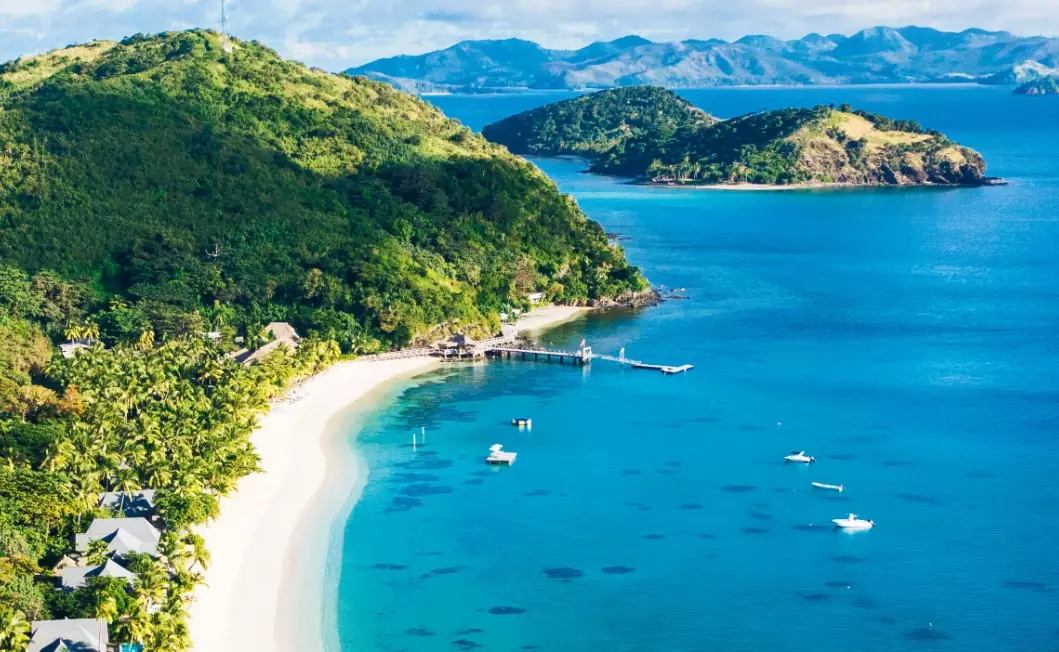
Everyone rushes to the coast. A mistake. A day trip to the Sigatoka River and the Naihehe Cave offers a profound cultural history lesson. Or visit the Garden of the Sleeping Giant (address: Wailoko Rd, Viti Levu) near Nadi. This botanical garden, founded by Raymond Burr, is a peaceful escape. Entrance is about FJ$20 USD. It's open daily from 9 am to 5 pm. A taxi from Nadi costs around FJ$25-30 one way.
A Realistic 7-Day Fiji Itinerary from the US
Here’s a balanced plan that mixes relaxation, culture, and adventure, assuming you fly into Nadi (NAN).
Day 1-2: Land and Unwind on the Main Island. Fly into Nadi. Fight jet lag by staying at a resort on Denarau or the Coral Coast. Do nothing but sleep, swim, and adjust. On Day 2, take a half-day trip to the Sleeping Giant Garden or a local village for a kava ceremony.
Day 3-5: Island Time in the Mamanucas. Catch the morning South Sea Cruises ferry from Port Denarau to your chosen Mamanuca island (like Malolo or Mana). These 45-60 minute rides are smooth. Spend three days snorkeling, maybe trying a surfing lesson, or visiting the famous Cloud 9 floating platform. Book activities through your resort.
Day 6: Back to Base and Last-Minute Culture. Return to Nadi in the morning. Check into a hotel near the airport for your early flight. Use the afternoon to explore the vibrant Nadi Market (be mindful of your belongings) and pick up souvenirs. Have a final Fijian feast at Nadina Authentic Fijian Restaurant (Address: Port Denarau). Try the Kokoda (Fijian ceviche) and a lovo platter. Mains run FJ$30-50.
Day 7: Departure. Nadi Airport is small and efficient. Be there 3 hours before your international flight.
Practical Tips: Visa, Money, and Packing
Visa: U.S. passport holders get a 4-month visa on arrival. Just ensure your passport is valid for six months beyond your stay.
Money: The Fijian Dollar (FJD). $1 USD ≈ $2.25 FJD (check current rates). ATMs are widely available in Nadi and Suva. Credit cards are accepted at most resorts and larger restaurants, but carry cash for small shops, markets, and taxis. Notify your bank of travel.
Packing Beyond Swimwear: A reusable water bottle (tap water in major hotels is generally treated, but check). Sturdy sandals and water shoes for rocky beaches. A conservative outfit (covering shoulders and knees) for village visits. A high-SPF, reef-safe sunscreen. The sun is intense. A power adapter (Fiji uses Type I plugs, same as Australia). Most resorts have universal outlets, but an adapter is cheap insurance.
Your Fiji Questions, Honestly Answered
 We're a family with young kids. Is Fiji more "honeymoon" or family-friendly?
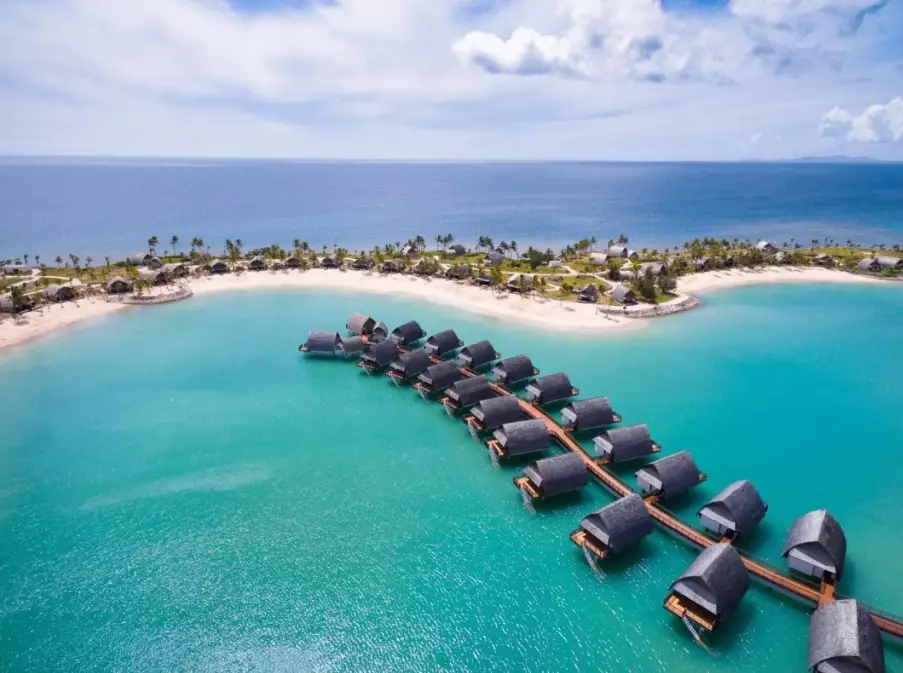 So, is Fiji good for tourists from the USA? Absolutely. It delivers the paradise visuals you're dreaming of, but its real strength is the seamless blend of exotic escape and manageable travel logistics. You get adventure without chaos, and luxury that feels connected to place. The key is to look beyond the brochure, choose your islands wisely, and embrace the pace. Your "Bula" welcome awaits.

Comments
Join the discussion