Let's cut to the chase. Is it safe to travel to Mexico right now? The short answer is: it's complicated, but overwhelmingly yes for the prepared traveler. The long answer—the one that actually helps you—requires ditching the sensational headlines and looking at the reality on the ground. Mexico isn't a monolith; safety in a walled resort in Cancun is a world away from navigating certain neighborhoods in border cities. I've traveled extensively throughout Mexico for over a decade, from bustling cities to remote villages. The key isn't blanket fear or naive optimism, but informed, situational awareness. Most tourists have fantastic, trouble-free trips. This guide will show you how to be one of them.
What You’ll Find in This Guide
The Real Safety Picture in Mexico: Beyond the Headlines
First, acknowledge the elephant in the room. Yes, parts of Mexico have severe security challenges related to organized crime. The U.S. Department of State issues travel advisories that range from "Exercise Normal Precautions" (Level 1) to "Do Not Travel" (Level 4) for different states. It's crucial to check these, but also to understand what they mean.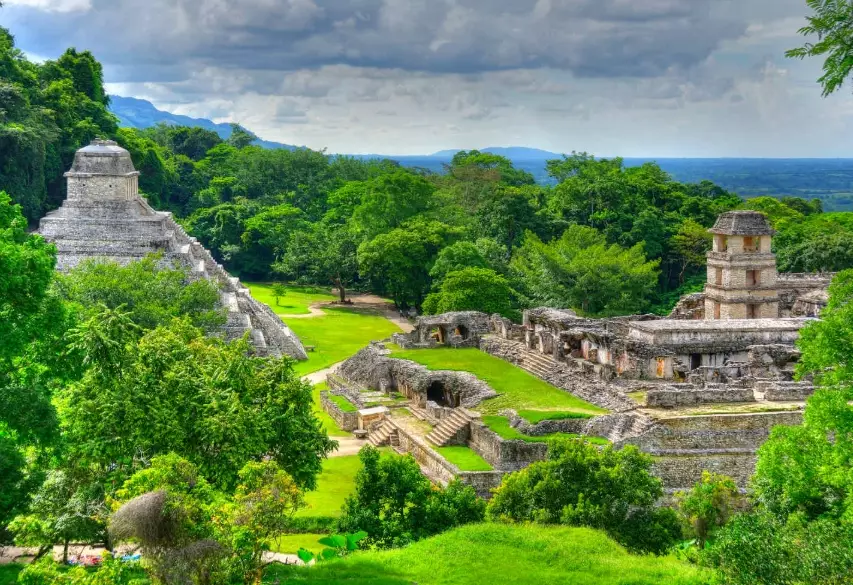
The vast majority of violent crime is targeted—involving rival cartels or local disputes. Tourists are not the intended targets. However, you can be affected by being in the wrong place at the wrong time, or by petty crime which is far more common. Think pickpocketing in crowded markets, taxi scams, or bag snatching. This isn't unique to Mexico; it happens in Paris, Rome, and Barcelona too.
The biggest mistake I see? Travelers treating all of Mexico as one uniform destination. Safety varies dramatically by region.
| Region / State Examples | General Safety Context for Tourists | Primary Tourist Areas Affected |
|---|---|---|
| Quintana Roo (Cancun, Tulum, Playa del Carmen) | Generally safe in resort zones and main tourist corridors. Petty theft and scams are the main concerns. Isolated incidents occur, but millions visit safely yearly. | Hotel zones, archeological sites, beaches. |
| Baja California Sur (Los Cabos, La Paz) | Considered very safe for tourists. These areas have a heavy security presence focused on protecting the tourism economy. | Resorts, marinas, downtown tourist districts. |
| Mexico City (CDMX) | A massive, generally safe metropolis. Safety can change block by block. Polanco, Condesa, Roma, Coyoacán are very walkable. Use caution in certain areas, especially at night. | Neighborhoods (colonias) vary widely. |
| Certain Northern & Pacific States (e.g., Sinaloa, Michoacán, Guerrero) | Have "Do Not Travel" or "Reconsider Travel" advisories due to high levels of organized crime and violence. Tourist infrastructure may be limited. | Often not primary tourist destinations. Some coastal areas may have pockets of resort security. |
The takeaway? You mitigate risk first by choosing your destination wisely. Going to a Level 4 state for a beach holiday doesn't make sense when there are safer, equally beautiful alternatives.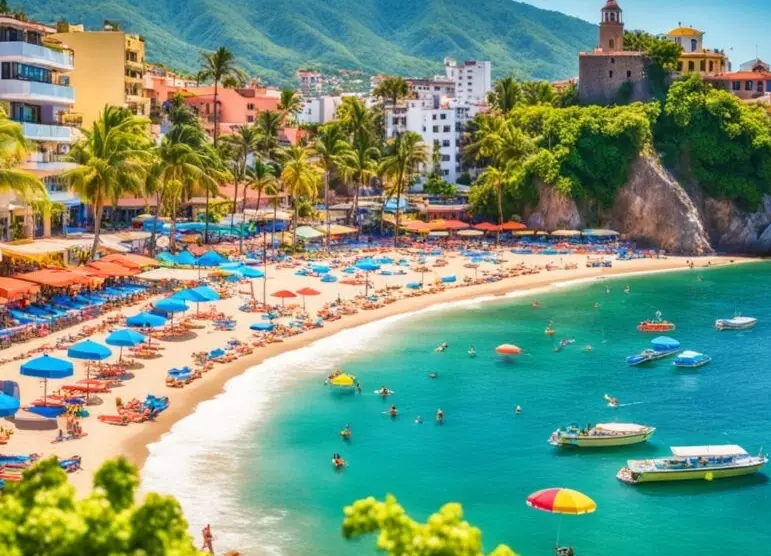
Pro Tip: Always cross-reference the official U.S. State Department Travel Advisories with recent, on-the-ground reports from reputable travel bloggers or expat forums. The advisories are essential for the big picture, but forums can give you the day-to-day feel of a place.
How to Stay Safe in Mexico: A Practical Checklist
Safety isn't passive; it's a series of smart choices. Here’s what I do on every trip, distilled into actionable steps.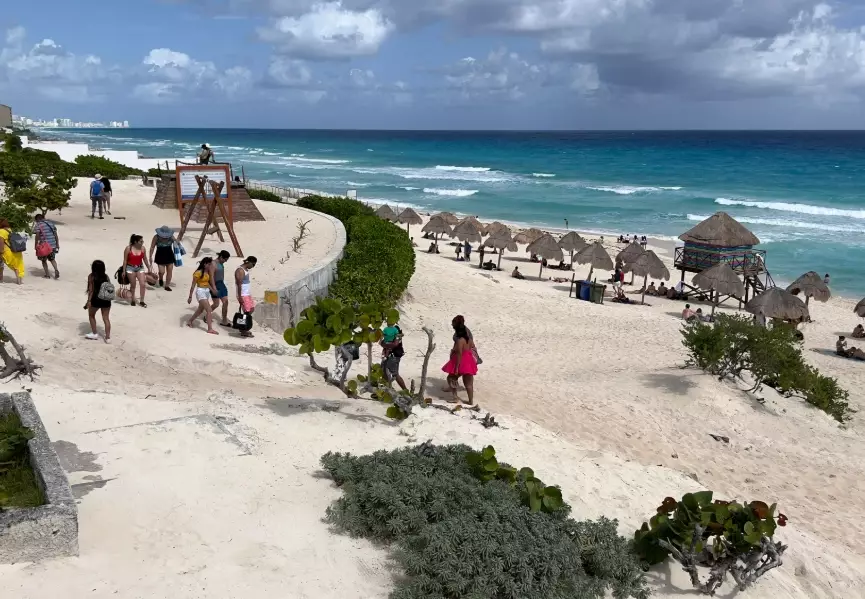
Before You Go: The Foundation
Research Like It's Your Job: Don't just skim a blog post. Look up the specific neighborhoods (colonias) of your hotel. Use Google Street View. Read the latest hotel reviews on TripAdvisor—guests often mention safety concerns or great locations.
Register with Your Embassy: The U.S. has the STEP program, other countries have similar. It takes 5 minutes. If there's a natural disaster or civil unrest, they know to look for you. I've never needed it, but it's like travel insurance—you're glad it's there.
Get the Right Insurance: I mentioned it in the FAQ, but it bears repeating. Medical evacuation is astronomically expensive. A good policy is non-negotiable.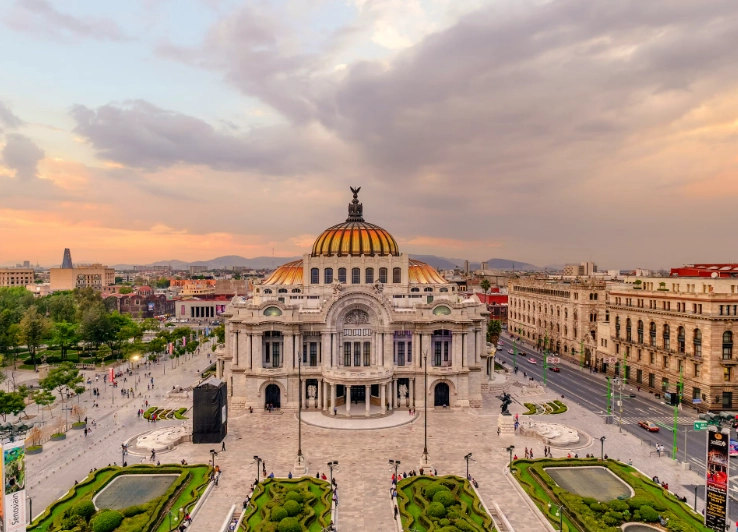
On the Ground: Transportation & Accommodation
Transportation is Your Biggest Daily Decision. Hailing a random taxi off the street, especially in cities, is the number one vulnerability point I observe. In Mexico City, I only use Uber or official sitio (taxi stand) cabs where the driver's info is logged. In resort areas, pre-arrange transfers through your hotel or a known company. If you must take a street taxi, agree on the price before getting in—and have small bills to pay exactly that amount.
Renting a Car? It can be a great way to explore. Stick to toll highways (cuotas), which are better maintained and patrolled. Never drive at night in rural areas. Park in secure, paid lots.
Choosing Where to Stay: A slightly more expensive hotel in a better neighborhood is a safety investment. Look for places with 24-hour reception, secure door locks, and in-room safes. Read reviews specifically mentioning "safe area."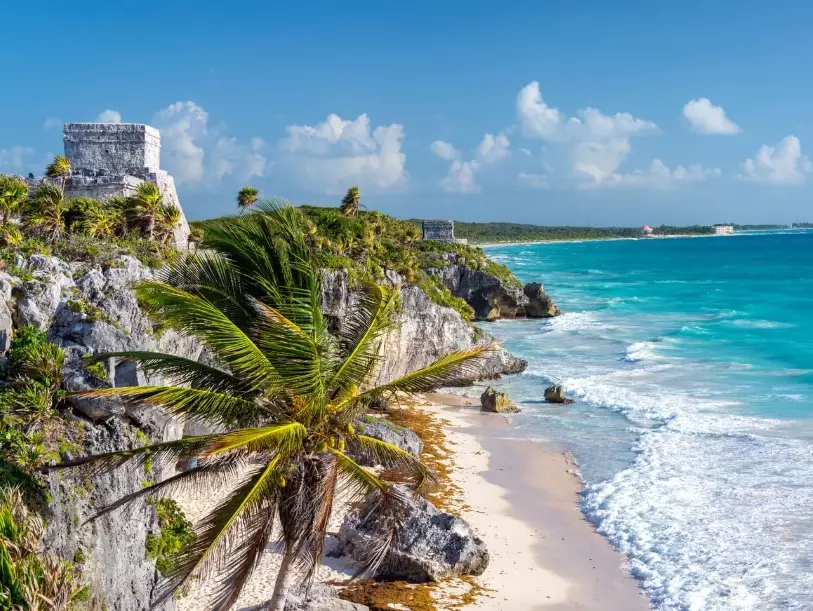
Daily Habits: Blending In & Managing Risk
- The Phone/Wallet Rule: Never put your phone or wallet on a cafe table. A common scam is a distraction while an accomplice swipes it. Keep them in a front pocket or a cross-body bag with a zipper you can hold onto.
- Nighttime Moves: Plan your evenings. Know how you're getting back before you go out for dinner. Well-lit, busy streets are your friend. If your gut says a street looks sketchy, it probably is—turn around.
- Cash Strategy: Carry only what you need for the day. Leave your primary debit card and extra cash in the hotel safe. Use ATMs inside banks during business hours, not free-standing ones on the street at night.
- The "Demonstrative" Tourist: Avoid looking like the most lucrative target. Leave the flashy watch and jewelry at home. Walk with purpose, even if you're lost. Pull out a map discreetly, not in the middle of a crowded square.
These aren't paranoid measures. They're the habits of someone who travels frequently and wants to avoid hassle. They become second nature.
What Are the Safest Places to Visit in Mexico?
Based on consistent traveler feedback, low advisory levels, and my own experience, these areas are consistently rated as safe and welcoming for tourists. They have established infrastructure and a vested interest in protecting visitors.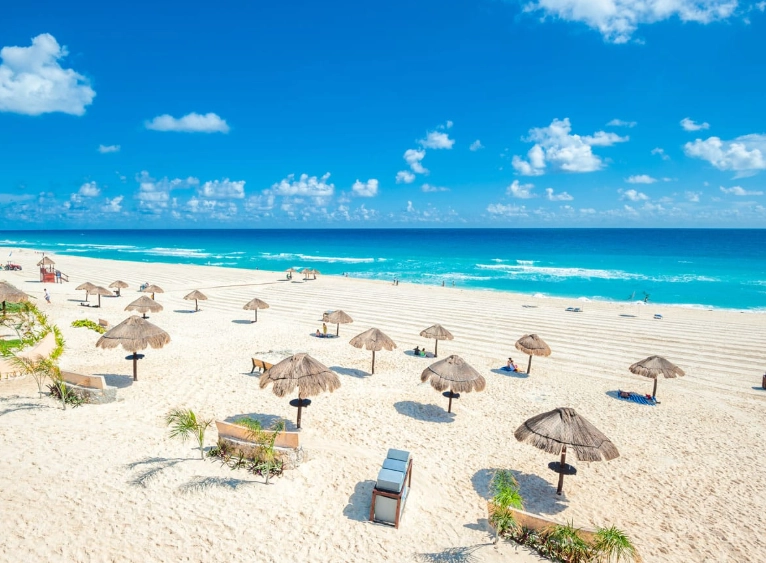
1. The Yucatán Peninsula (Quintana Roo & Yucatán State): This is Mexico's tourism engine for a reason. The corridor from Cancun down to Tulum is built for visitors. You have to work hard to get into real trouble here. Safety concerns are almost exclusively petty: taxi overcharges, beach vendors, and the occasional pickpocket in crowded Chichen Itza. The further south you go into less-developed parts of Quintana Roo or into Campeche, the more general travel precautions apply.
2. Los Cabos (Baja California Sur): Another highly managed resort destination. The corridor between San José del Cabo and Cabo San Lucas is secure. The crime you hear about rarely touches the tourist zones. It's a great choice for a low-hassle, resort-focused trip.
3. Puerto Vallarta (Jalisco): The Romantic Zone and Marina are extremely walkable and feel safe day and night. The city has a strong expat community and a laid-back vibe. Like anywhere, don't wander into unfamiliar residential areas at night, but the core tourist area is solid.
4. Mexico City's Top Neighborhoods: Don't write off one of the world's great cities. Polanco, Condesa, Roma, Coyoacán, and San Miguel Chapultepec are vibrant, cultured, and as safe as any major European capital's nice neighborhoods. You'll see families out late, people walking dogs, and couples dining alfresco. Use common metro sense and trusted transport.
Choosing one of these destinations dramatically stacks the safety odds in your favor from the start.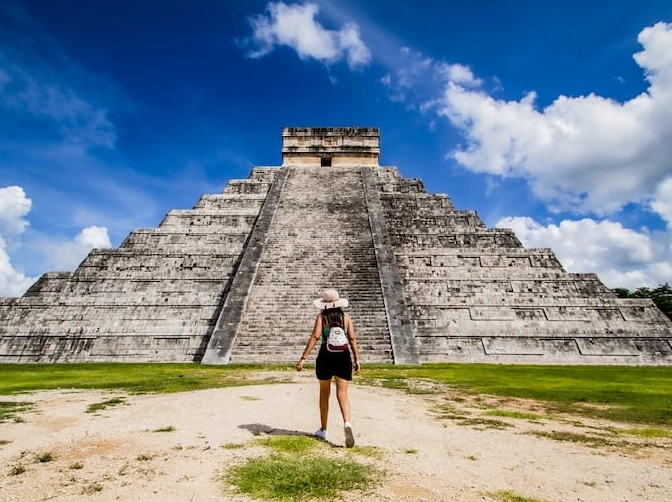
Your Mexico Safety Questions, Answered
Is it safe for solo travelers to use public transportation in Mexico?
Are resorts in Cancun and the Riviera Maya completely safe zones?
What should I do if I'm stopped by police in Mexico?
Is travel insurance really necessary for Mexico?
So, is it safe to travel to Mexico right now? For the vast majority of travelers heading to the main tourist destinations, practicing basic situational awareness, the answer is a confident yes. The rewards—incredible food, warm people, stunning landscapes, and deep culture—far outweigh the manageable risks. Don't let fear dictate your travels. Let preparation and smart choices guide you instead. Do your homework, make a plan, and go enjoy one of the world's most vibrant countries.

Comments
Join the discussion