Let's cut to the chase. Your student accommodation in Australia isn't just a place to sleep. It's your base for exploring, your study sanctuary, your social hub, and often, your biggest monthly expense. Getting it right matters more than you might think. I've seen students thrive in the right spot and struggle miserably in the wrong one.
The market is competitive, especially in cities like Sydney, Melbourne, and Brisbane. But with the right strategy, you can find something that fits your budget and lifestyle.
What You'll Find in This Guide
The 5 Main Types of Student Accommodation in Australia
You've got options. Each has a different vibe, price tag, and level of hassle.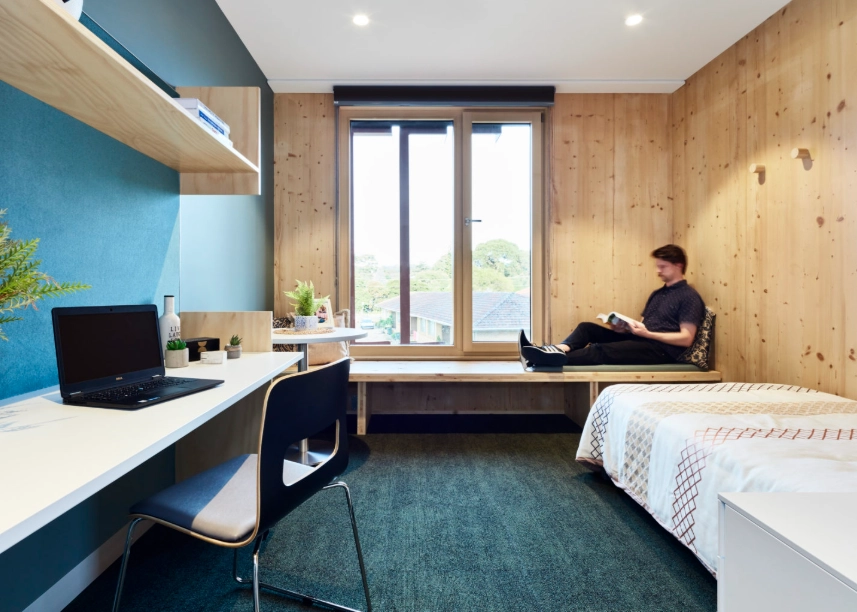
1. University-Managed Accommodation (Colleges & Halls of Residence)
This is the classic on-campus experience. Think structured living, meal plans, tutors, and heaps of social events. It's fantastic for first-years or international students wanting a soft landing.
The good: Everything's included (utilities, wifi, food), instant social circle, academic support, usually furnished, and super close to classes.
The not-so-good: It can be expensive (meal plans bump up the cost), less independence, shared bathrooms are common, and applications are fiercely competitive. Apply the day applications open, seriously.
2. Purpose-Built Student Accommodation (PBSA)
These are private, modern apartment buildings designed just for students. Think UniLodge, Iglu, Scape, or Atira. They're often located near multiple universities in major cities.
The good: All-inclusive bills, great facilities (gyms, cinemas, study rooms), security, furnished rooms, and a built-in student community. It's a plug-and-play option.
The not-so-good: Can be pricier than a share house, leases are often fixed-term (6-12 months), and rooms can be small. You're paying for convenience.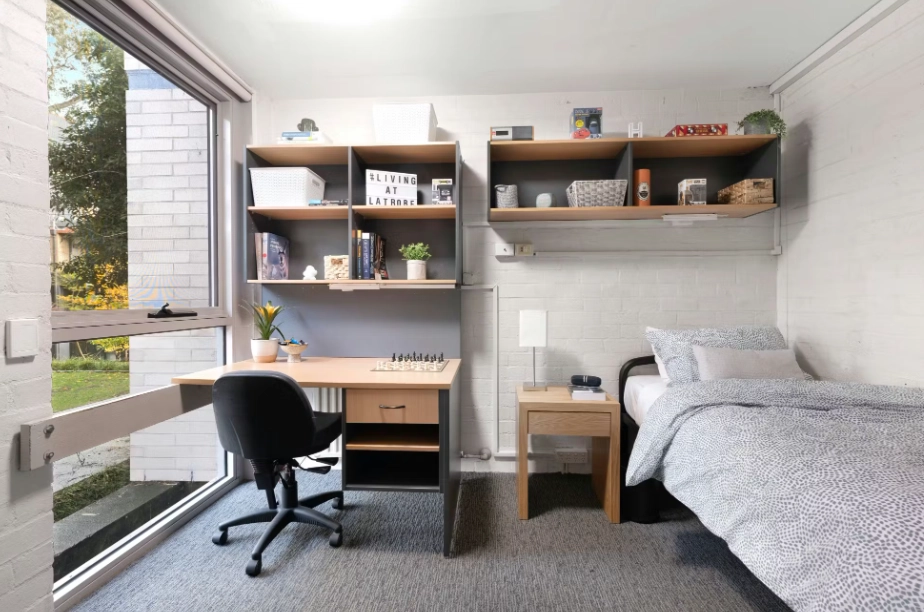
3. Share Houses / Flat Shares
The most common option for students after their first year. You rent a room in a private house or apartment with other people (students or young professionals). You find these on Flatmates.com.au or Facebook groups.
The good: Usually the cheapest weekly rent, more freedom, a taste of "real" Australian living, and potential for a bigger space.
The not-so-good: You have to manage bills, furnish common areas, and your experience hinges 100% on your housemates. I can't stress this enough. Bad housemates make life hell. You also need to deal with a landlord or real estate agent directly.
4. Homestay
Living with a local Australian family. Usually includes a room and meals. Often arranged through your university or a homestay agency.
The good: Cultural immersion, English language practice, a supportive family environment, and no utility hassles.
The not-so-good: Less independence, house rules, potentially longer commute, and it can feel isolating if you're not a good fit with the family.
5. Renting an Entire Apartment
Going solo or with a partner. You lease the whole place through a real estate agent.
The good: Total privacy and control.
The not-so-good: Very expensive, requires a strong rental application (proof of income, references), and you're responsible for all furniture and bills. Not recommended for most students due to cost and commitment.
My take: For your first semester, aim for University Accommodation or PBSA. It removes so much stress. Use that time to make friends and learn the city. Then, in your second year, team up with people you trust and look for a share house. That's the sweet spot for cost and experience.
Real Cost Breakdown: What You'll Actually Pay
Talking about "weekly rent" is misleading. You need to budget for the upfront costs and ongoing extras. Here's a realistic look (prices are in AUD and are approximate averages for major cities; regional areas are cheaper).
| Accommodation Type | Weekly Rent Range (AUD) | Key Upfront Costs | What's Usually Included |
|---|---|---|---|
| University Halls | $350 - $650 | Application fee, bond (4 weeks), rent in advance | Meals, utilities, wifi, furniture, some cleaning |
| PBSA | $300 - $550 | Bond (4 weeks), rent in advance, sometimes a service fee | Utilities, wifi, furniture, gym/amenities |
| Share House Room | $180 - $350 | Bond (4 weeks), rent in advance (2 weeks) | Maybe just the room. You pay share of electricity, gas, water, internet. |
| Homestay | $280 - $350 | Placement fee, rent in advance | Meals, utilities, furniture |
See the trap? A $250/week share house room seems cheap. But moving in requires $1,500+ upfront ($1,000 bond + $500 rent in advance). Then you need money for the first month's bills, groceries, and transport.
Biggest mistake I see: Students max out their budget on rent alone, forgetting about setup costs and weekly living expenses. Always have a buffer of at least $2,000 for moving-in costs.
How to Find a Place: A Step-by-Step Game Plan
For University & PBSA
Start early. Like, 4-5 months before semester starts.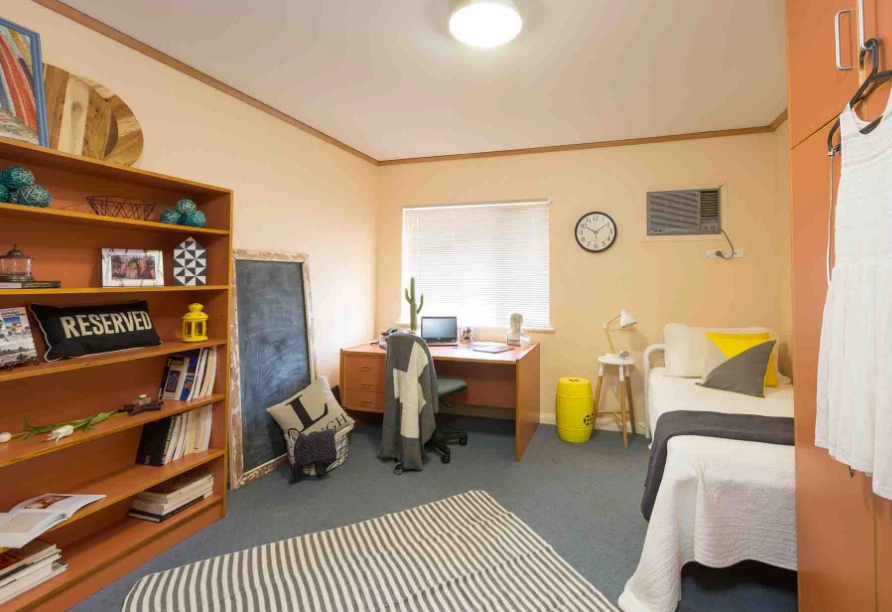
- Go directly to your university's accommodation portal.
- Research major PBSA providers' websites for your city.
- Book a virtual tour if you're overseas.
- Submit your application ASAP – it's often first-come, first-served.
For Share Houses & Private Rentals
This is a hunt. You need to be in the country.
- Primary Resources: Flatmates.com.au and Facebook groups (search "[City] Sharehouse" or "[City] Accommodation").
- For whole apartments: Domain or realestate.com.au.
- Prepare a short, friendly intro about yourself. Mention if you're clean, quiet, a student, etc. People choose housemates, not just tenants.
- Attend inspections. Be punctual, ask questions, and express your interest on the spot.
The Critical Step Everyone Rushes: Before You Sign
Never, ever sign a contract without doing this.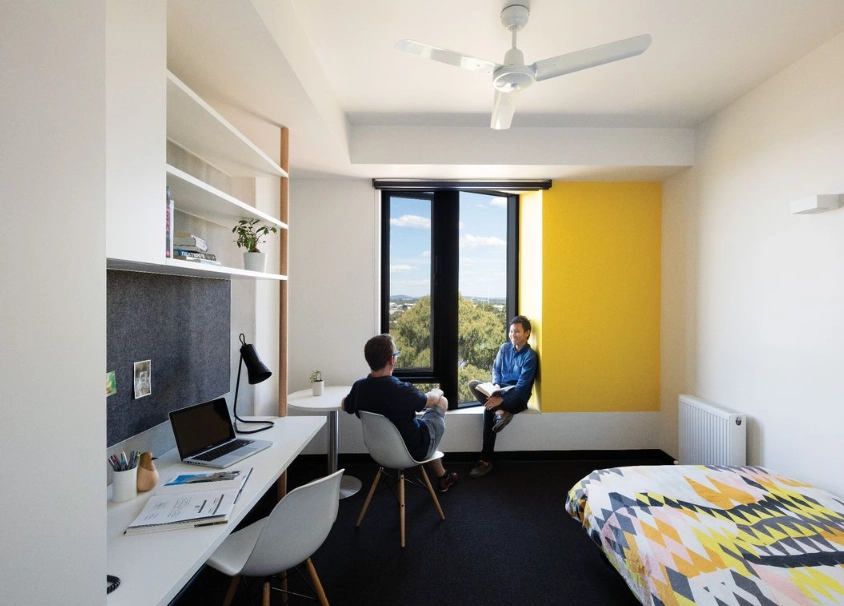
The Condition Report. When you pay your bond, you'll get a report detailing the property's condition. Photograph everything. Every mark on the wall, the inside of the oven, the blinds, the shower seal. Date-stamp the photos and email them to yourself and the agent. This is your only proof to get your full bond back later.
Read the lease. Know the notice period, rules about guests, and who pays for what repairs.
In share houses: Have a housemate agreement. Discuss cleaning, bills, guests, and food sharing. It's awkward but prevents 90% of arguments.
Quick City-Specific Tips
Sydney: Most expensive. Look along train lines, not just near the uni. Suburbs like Newtown, Redfern, Strathfield are popular but pricey. Consider going further west for better value.
Melbourne: More inner-suburb options. Brunswick, Carlton, Fitzroy are student hubs but competitive. Trams make many areas accessible.
Brisbane: Generally more affordable. South Bank, West End, St Lucia are close to universities. The ferry is a great transport option.
Adelaide & Perth: Lower costs. You can often find great value closer to campus.
Your Questions, Answered
Finding the right place takes work, but it sets the tone for your entire Australian experience. Be organised, start early, budget realistically, and don't be afraid to ask lots of questions. Good luck with the hunt!





Comments
Join the discussion