Let's get straight to the point. The question "Is Mexico safe?" is the wrong one. It's too broad, too binary. A better question is, "How can I travel safely in the parts of Mexico I want to visit?" The safety landscape here isn't monolithic; it's a complex mosaic that changes block by block, state by state. I've spent over a decade traveling here, from bustling cities to sleepy pueblos. The reality is that millions of tourists visit Mexico safely every year, but they do so with their eyes open and a bit of savvy. Your safety hinges less on the country and more on your destination choices and daily habits.
Quick Navigation: What You'll Find Here
Is Mexico Safe for Tourists? The Nuanced Reality
Think of Mexico's safety like its weather. It's sunny and calm on the Riviera Maya, but there might be a storm hundreds of miles away. The U.S. Department of State's travel advisories are a crucial starting point, but they often paint with a broad brush. For example, as of this writing, states like Yucat\u00e1n and Campeche are at Level 2 "Exercise Increased Caution," the same advisory given to much of Europe. Meanwhile, other states have higher warnings due to non-tourist related crime.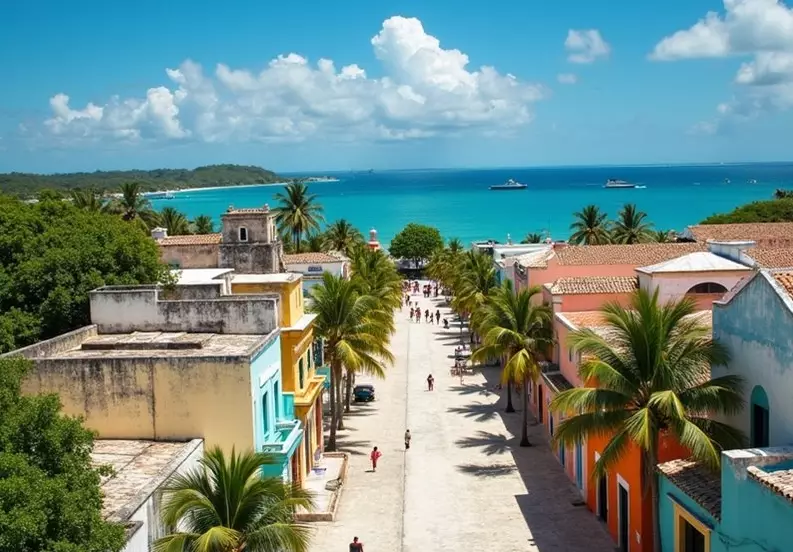
The golden rule? Tourist zones are generally secure. Places like:
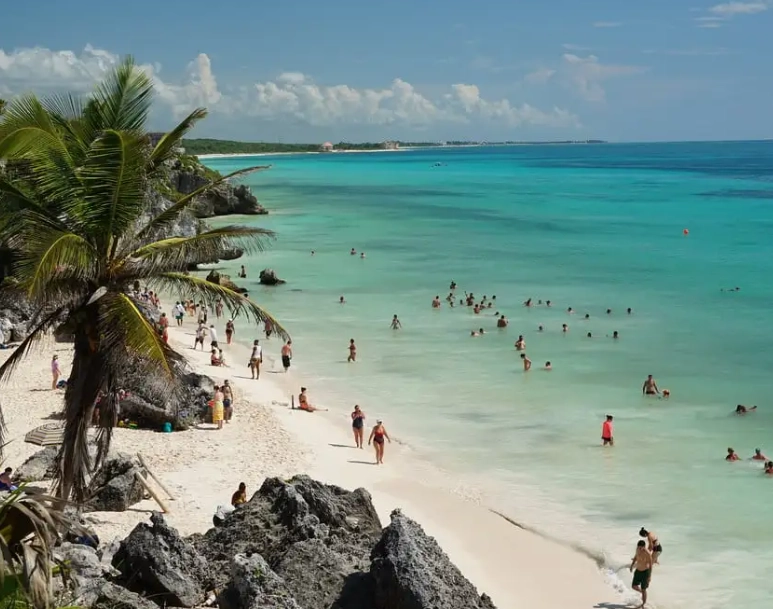
- The Yucat\u00e1n Peninsula: Canc\u00fan, Tulum, Playa del Carmen, M\u00e9rida. Heavily reliant on tourism, with significant police and private security presence.
- Los Cabos & Baja California Sur: A major resort corridor with a focus on visitor safety.
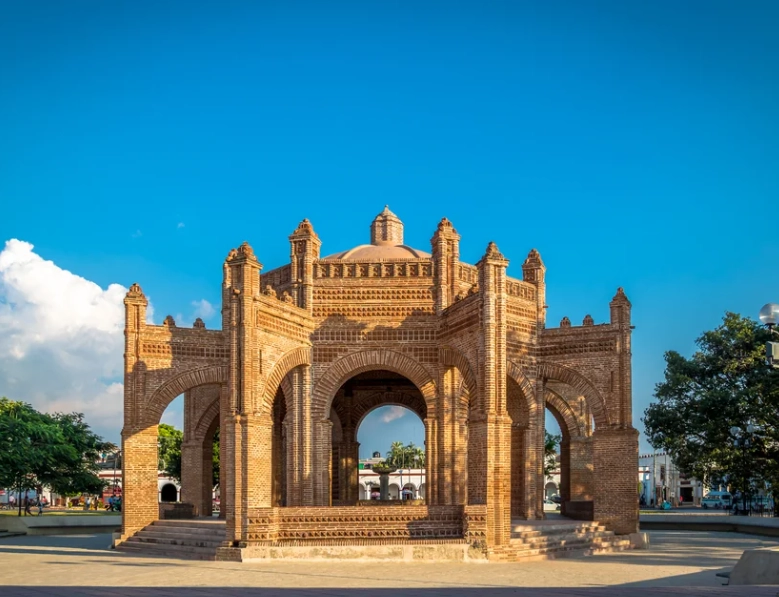
- Central Colonial Cities: San Miguel de Allende, Guanajuato City, Quer\u00e9taro. These are affluent, culturally rich areas with low crime rates against tourists.
- Mexico City's central neighborhoods: Polanco, Condesa, Roma, Coyoac\u00e1n. You'll see more tourists and foot patrols here.
Where do problems typically arise? When travelers venture far off the beaten path without local guidance, attempt to buy drugs, or flash excessive wealth in less affluent areas. Petty theft—like phone snatching or bag slashing in crowded markets—is your most likely issue, not violent crime.
How to Stay Safe in Mexico: A Practical, Step-by-Step Guide
Safety isn't a passive state; it's a series of active choices. Here’s your playbook.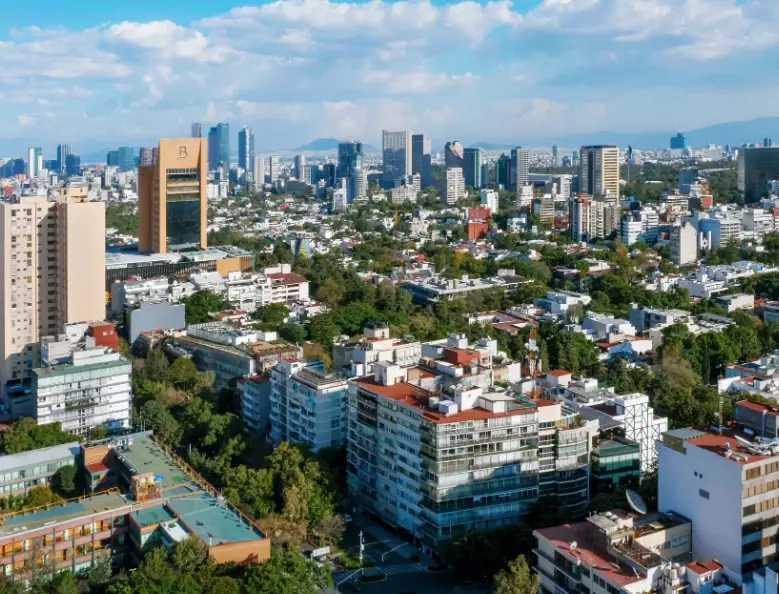
Before You Go: The Prep Work
This is where you build your safety net. Register with your country's travel alert program (like the U.S. STEP program). Buy comprehensive travel insurance that covers medical evacuation—check if your credit card offers it. Photograph your passport, driver's license, and vaccine card, and store them in a secure cloud drive. Tell your bank your travel dates. Download offline maps of your destination on Google Maps.
And here's a non-consensus point: Don't over-research crime statistics to the point of paralysis. Focus on learning the specific, safe neighborhoods (colonias) of your destination city. Knowing that Condesa is safe is more useful than a generic fear of Mexico City.
On the Ground: Daily Habits
Blend in. Leave the flashy jewelry and luxury brand logos at home. Use a discreet crossbody bag with slash-proof straps, worn in front of you in crowds. I carry a cheap "decoy" wallet with a small amount of cash and an expired ID in my back pocket, keeping my real wallet deep inside my secured bag. It’s a trick I learned from a local friend.
Be smart with your phone. Don't wave it around on street corners. Step into a shop or cafe to check directions. In Mexico City, I was once gently tapped on the shoulder by an elderly woman who whispered, "Gu\u00e1rdalo, mijo" (put it away, son) as I stood texting. She was right.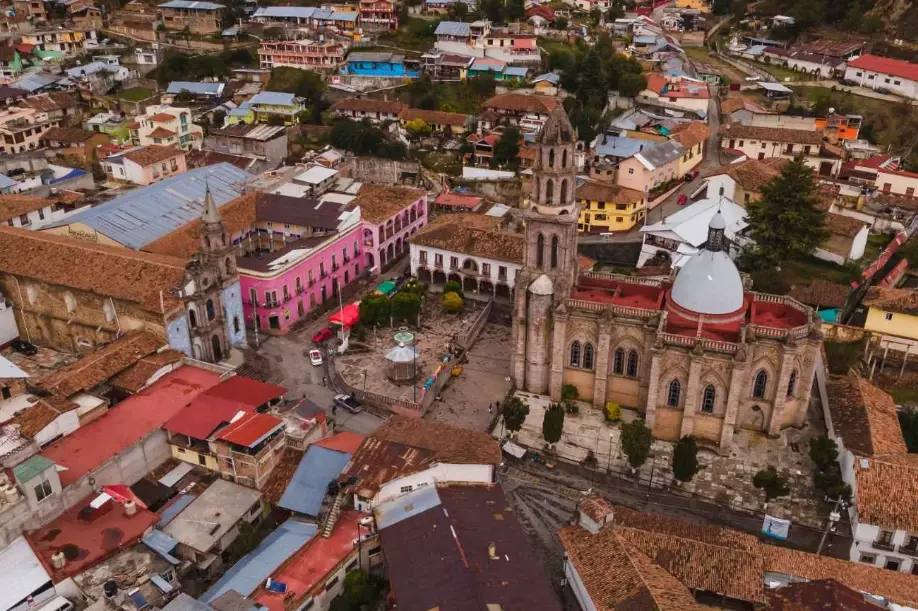
Nighttime & Social Situations
Stick to well-lit, populated streets. Use Uber or a reputable taxi service at night, never an unmarked car. At bars, never leave your drink unattended. This sounds like universal advice, but it's critical here. A common scam involves someone spiking a drink and then "helping" the disoriented victim back to their hotel, only to rob them. Always go out with at least one friend you trust.
Navigating Transportation Safely in Mexico
How you get around is a major safety variable. Let's break it down.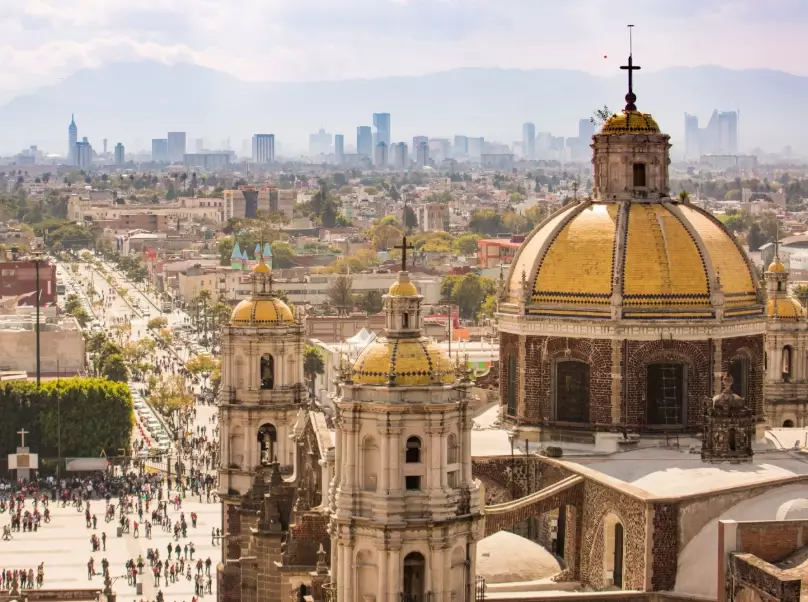
| Mode of Transport | Safety Level | Best For | Key Precautions |
|---|---|---|---|
| First-Class Buses (ADO, ETN) | Very High | Intercity travel | Book online in advance. Keep valuables with you, not in overhead bins. |
| Ride-Hailing Apps (Uber, Didi) | High | City travel | Verify license plate & driver photo before entering. Share trip status. |
| Official Airport/ Bus Station Taxis | High | Arrival transfers | Only use from official, regulated booths inside the terminal. Agree on price first. |
| Rental Car | Medium to High (Daytime) | Flexibility, rural exploration | Only use toll highways ("cuotas"). Never drive at night on rural roads. Park in secured lots. |
| Collectivos & Local Buses | Medium | Short, local trips | Use during daylight. Be hyper-aware of belongings in crowded vehicles. |
I almost always take first-class buses between cities. The ADO Platino service from Cancun to Merida feels safer and more comfortable than many short-haul flights. For rental cars, I have a firm rule: the car is parked and I'm off the road by sunset if I'm outside a major city.
Choosing Safe Accommodation in Mexico
Your hotel or Airbnb is your base. Location trumps everything.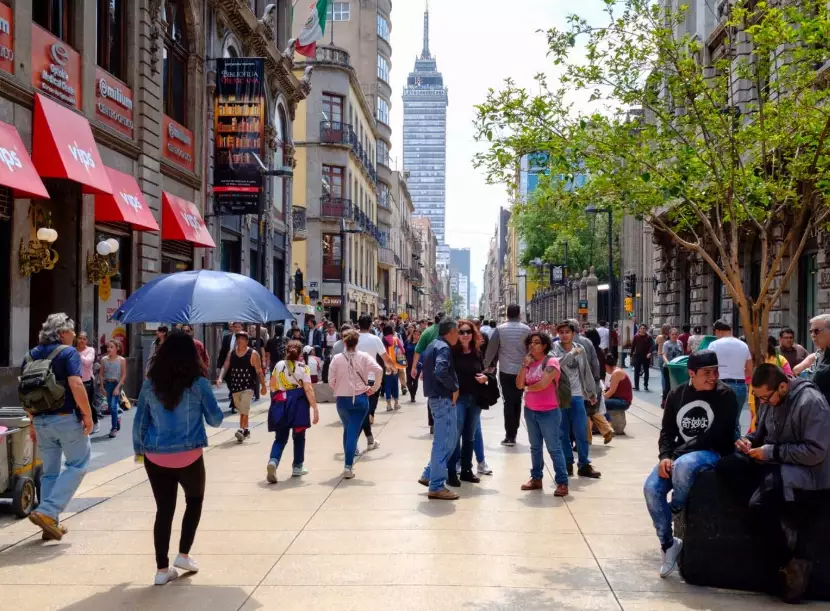
Hotels: Major international chains and reputable local boutique hotels in the recommended neighborhoods are a safe bet. They have 24/7 reception, safes, and often controlled access. Don't just book the cheapest option on the outskirts. Read recent reviews on multiple platforms, specifically filtering for "safety" comments.
Airbnb/Vacation Rentals: These can be great, but vet the location meticulously. Use the "Street View" on Google Maps. Does the street look well-kept? Are there businesses and people around? Avoid ground-floor apartments with street access in less-familiar areas. I once booked a stunningly cheap place in Mexico City that turned out to be in a silent, dimly lit street 15 minutes from the nearest metro. I canceled and paid more for a place in Condesa. Worth every peso for peace of mind.
A quick safety ranking for accommodation areas in popular spots:
- Mexico City: Polanco, Condesa, Roma Norte, Coyoac\u00e1n (central) > Historic Center (be more alert at night) > distant suburbs.
- Canc\u00fan: Hotel Zone > Downtown (El Centro) > areas further inland.
- Puerto Vallarta: Zona Rom\u00e1ntica, Marina Vallarta > older parts of Centro further from the malec\u00f3n.
FAQs: Your Mexico Safety Questions Answered
Is Mexico safe for solo female travelers?
Is it safe to drive from Cancun to Tulum at night?
What are the safest ways to get around in Mexico?
Are resorts in Mexico safe?
Traveling safely in Mexico comes down to informed choices, situational awareness, and respecting local norms. It's an incredibly rewarding country with warmth and culture that far outweighs the manageable risks. Do your homework, trust your instincts, and you're set for an amazing journey.


Comments
Join the discussion