Your Journey Map
- What Makes Fiji So Special (The Big Draws)
- The Honest Downsides (What the Brochures Don't Say)
- Is Fiji Safe for Tourists? Let's Talk Real Concerns
- When to Go: Timing Your Fiji Trip Perfectly
- Breaking Down the Cost: Is Fiji Good for Tourists on a Budget?
- Top Experiences: What to Actually DO in Fiji
- Planning Your Trip: A Simple Step-by-Step Framework
- Packing List: What You Actually Need
- Common Questions & Straight Answers
- The Final Verdict: So, Is Fiji Good for Tourists?
Let's cut right to the chase. You're probably staring at pictures of perfect blue water and overwater bures, wondering if the reality matches the Instagram filter. Is Fiji good for tourists, or is it just another overhyped destination? I've been there, got the sunburn, and had my wallet feel significantly lighter. I'll give you the straight talk, no brochure fluff.
The short answer is a resounding yes, Fiji is fantastic for most tourists. But—and this is a big but—it's fantastic for a specific type of tourist looking for a specific type of experience. It's not a one-size-fits-all kind of place. If you're dreaming of non-stop nightlife, ancient ruins, or a shoestring backpacking adventure through bustling cities, you might be looking at the wrong map.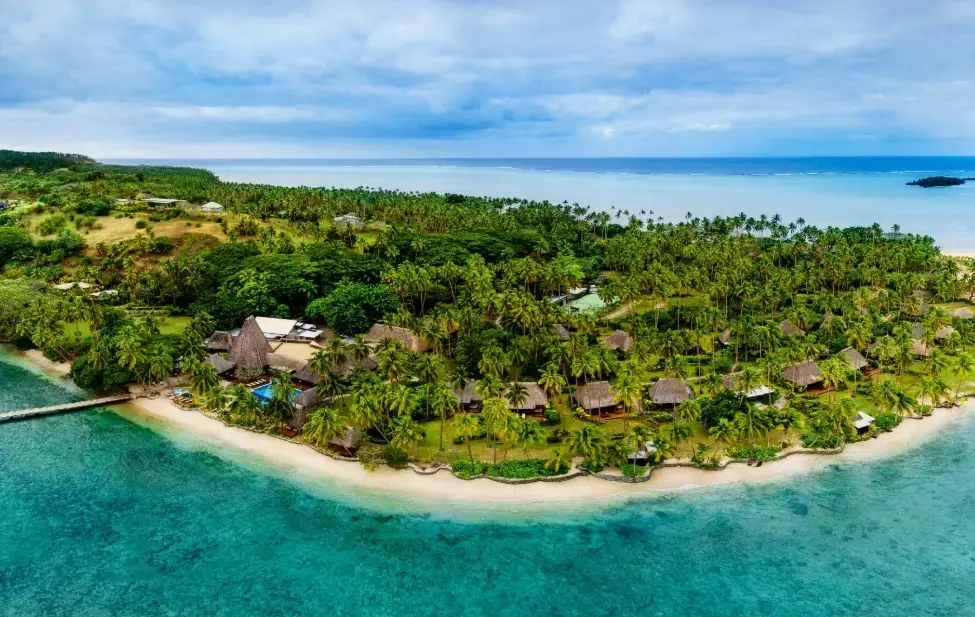
What Makes Fiji So Special (The Big Draws)
First, the good stuff. This is why people keep coming back.
The famous Fijian hospitality isn't a marketing slogan. The "Bula!" greeting you get everywhere is genuine. People smile, they chat, they seem genuinely happy you're there. It sets a tone that's hard to find elsewhere. You feel welcome, not just tolerated as a walking wallet.
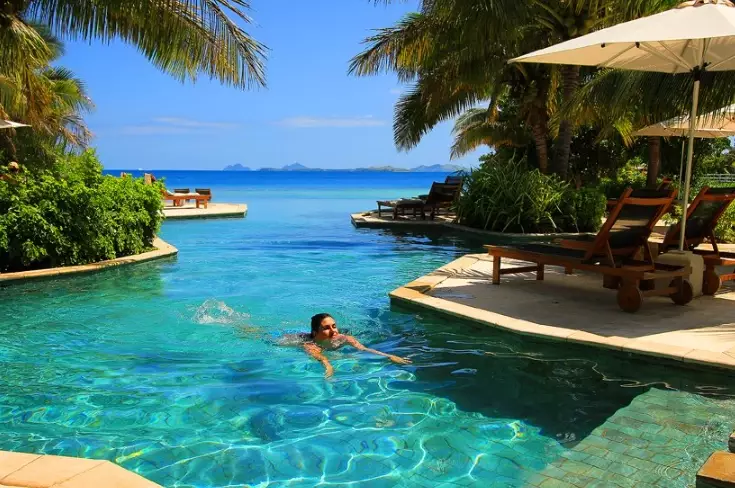
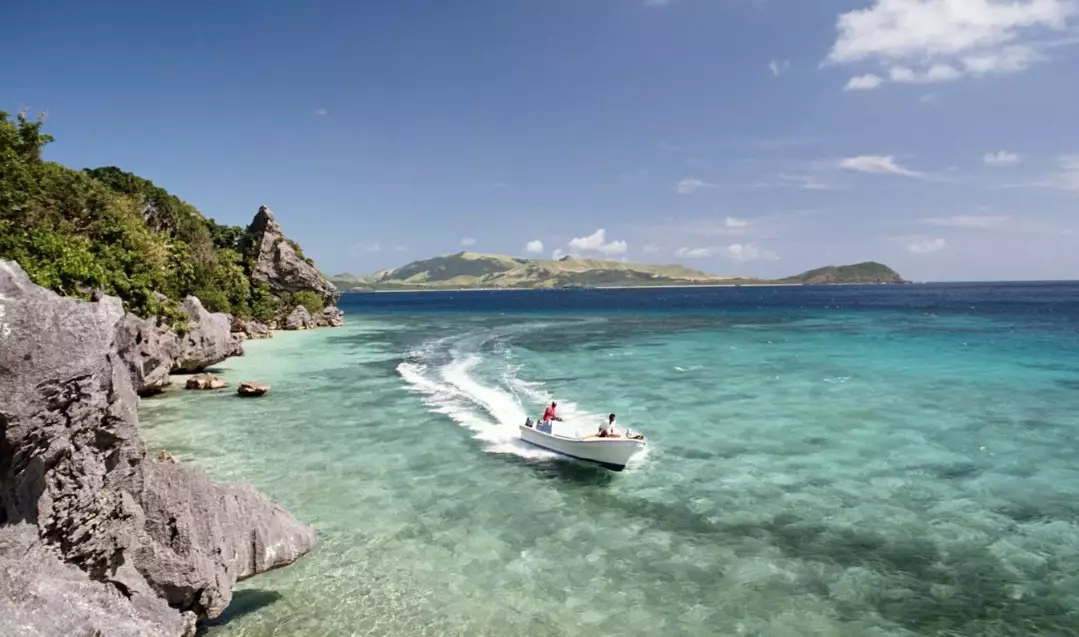
Then there's the scenery. It's not just one pretty beach. It's 333 islands offering ridiculous variety. You want the classic luxury resort experience? Head to Denarau or the Coral Coast. Want to feel cast away? The Yasawa Islands have you covered. Looking for rugged adventure and local culture? Taveuni or Vanua Levu. This diversity is a huge part of the "Is Fiji good for tourists?" puzzle—it means there's likely a Fiji that's perfect for you.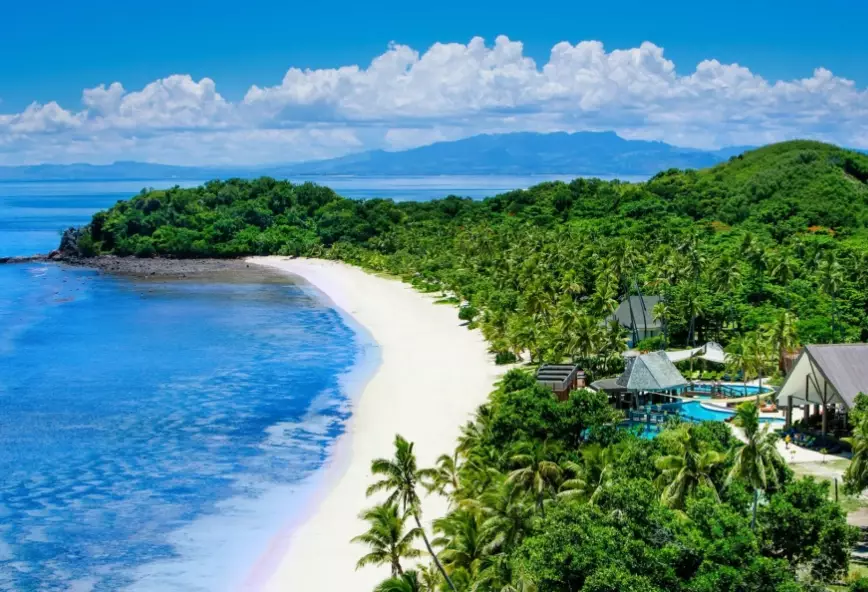
The Underwater World is the Main Event
Forget the beaches for a second. Fiji's real magic is under the surface. The Soft Coral Capital of the World nickname is earned. Drifting along the Great Astrolabe Reef or the Somosomo Strait feels like floating through a living, breathing kaleidoscope. Even if you're not a diver, the snorkeling right off many resort beaches is mind-blowing. I've seen more fish in ten minutes of Fijian snorkeling than in whole days elsewhere.
The Honest Downsides (What the Brochures Don't Say)
Alright, time for some real talk. Fiji isn't perfect, and pretending it is does you a disservice.
It's expensive. Really expensive. Getting there costs a lot (unless you're coming from Australia or NZ). Once you're there, food, drink, and activities carry a hefty premium. A simple resort lunch can easily set you back $30-$40 USD per person. Bottled water adds up. Tours are pricey. This is the number one shock for many first-timers.
Budget Tip: If you're on a tight budget, look into staying at smaller, locally-run guesthouses on the main islands (Viti Levu or Vanua Levu) and using local buses and ferries. The resort islands are a closed economy with resort prices.
Getting around can be a project. Ferry schedules are... relaxed. Internal flights are costly. Want to hop from the Mamanucas to the Yasawas? That might require going back to the main port first. Your dream island-hopping itinerary can quickly become a logistical headache and a budget-buster. You need to build in travel days and accept that things might not go to plan.
It's not a cultural deep-dive destination in the traditional sense. You won't find grand temples or ancient fortresses. Fijian culture is warm and communal, best experienced in a village visit (always ask permission first!) or by simply talking to people. But if your travel joy comes from museum-hopping, manage your expectations.
Is Fiji Safe for Tourists? Let's Talk Real Concerns
This is a top question for anyone asking "Is Fiji good for tourists?". Overall, Fiji is very safe. Violent crime against tourists is extremely rare. You're far more likely to be injured by a rogue coconut than by a person.
The main safety issues are petty theft (don't leave your phone unattended on the beach) and road safety. Outside of resorts, roads can be narrow and winding, and driving standards are... adventurous. If you rent a car, drive defensively. In cities like Nadi or Suva, take normal big-city precautions at night.
Health-wise, tap water in major resorts and towns is generally safe to drink, but many visitors stick to bottled to be sure. Mosquito-borne illnesses like dengue fever are a low risk but exist. Pack strong repellent, especially in the wet season. The sun is intense. I learned this the hard way. Reef-safe sunscreen, a hat, and seeking shade between 11 and 2 are non-negotiable.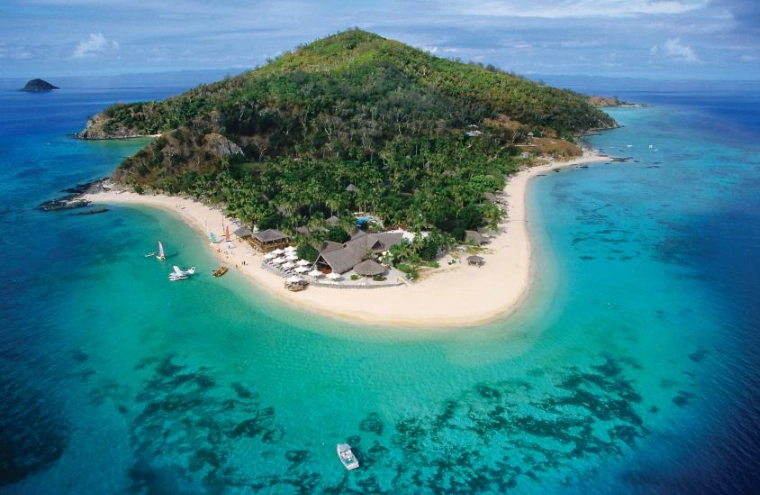
For the most current, official travel advisories and health information, always check your government's travel website (like the U.S. State Department or the UK Foreign Office) and the World Health Organization for health guidance. The Fiji Tourism website is also a great resource for official updates.
When to Go: Timing Your Fiji Trip Perfectly
This makes a colossal difference to your experience. Get it wrong, and you might be asking "Is Fiji good for tourists?" from under a leaky bure roof.
| Season | When | Pros | Cons | Best For |
|---|---|---|---|---|
| Dry Season (High Season) | May - October | Sunny, low humidity, minimal rain, best diving visibility. | Highest prices, most crowds, need to book far in advance. | Beach lovers, divers, honeymooners who want guaranteed sun. |
| Shoulder Season | April & November | Good weather, lower prices, fewer tourists. | Some transitional rain, a bit more humid. | Smart travelers wanting a balance of value and good conditions. |
| Wet Season (Low Season) | December - March | Lowest prices, lush green landscapes, warm ocean. | High humidity, heavy rainfall, risk of cyclones, more mosquitoes. | Budget travelers, surfers (for south coast waves), risk-takers. |
My take? The shoulder seasons are the sweet spot.
You dodge the peak crowds and prices but still get mostly great weather. I went in late November and had one afternoon of spectacular tropical rain followed by brilliant sunshine. The islands felt alive, and my bank account was happier.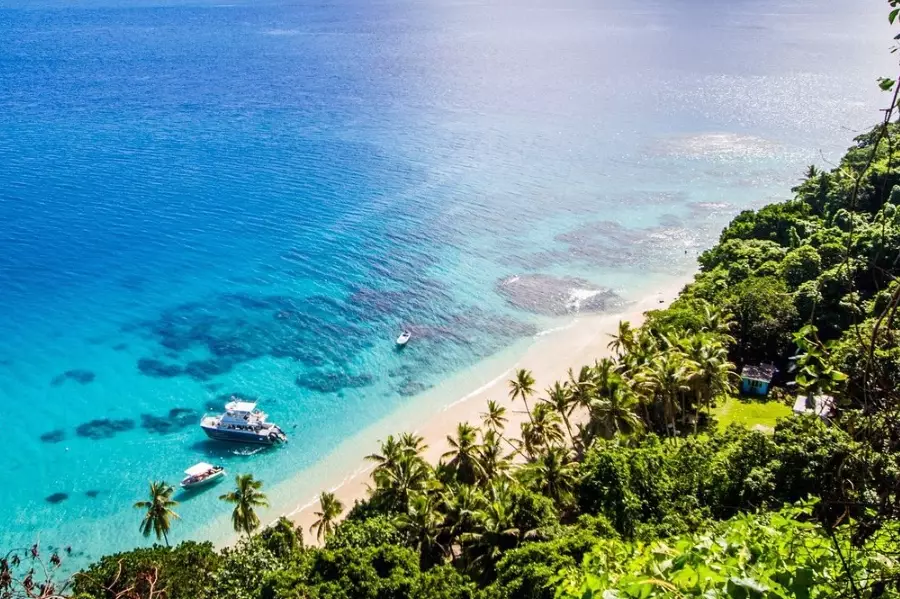
Breaking Down the Cost: Is Fiji Good for Tourists on a Budget?
Let's get practical. Can you do Fiji without selling a kidney? Yes, but it requires strategy.
| Budget Style | Accommodation (per night) | Food & Drink (per day) | Activities & Transport | Overall Vibe |
|---|---|---|---|---|
| Budget/Backpacker | $30 - $70 USD (Hostel dorm or basic bure) | $25 - $40 USD (Market food, self-catering, local restaurants) | Public buses, free hiking/beaches, occasional cheap tour. | Adventurous, local, requires planning. Focus on main islands. |
| Mid-Range | $150 - $300 USD (Comfortable resort room or nice boutique hotel) | $60 - $100 USD (Mix of resort meals and local eateries) | Organized day trips, some inter-island ferries, car rental for a few days. | The sweet spot for most. Comfort without utter luxury. |
| Luxury | $400 - $1000+ USD (Overwater bures, top-tier resorts) | $150+ USD (All resort dining, premium drinks) | Private transfers, helicopter tours, exclusive dive trips, spa treatments. | Pampered, seamless, incredibly beautiful. Your main decision is which cocktail to order. |
Don't forget the hidden costs: Resort transfer fees (which can be $100+ per person by boat!), bottled water, tips (not mandatory but appreciated), and the 15% Value Added Tax (VAT) on most things.
Top Experiences: What to Actually DO in Fiji
Beyond lounging, here's what makes a trip memorable. Is Fiji good for tourists who get bored easily? With this list, yes.
| Activity | Where to Do It Best | Why It's Worth It | Skill Level |
|---|---|---|---|
| Scuba Diving | Taveuni (Rainbow Reef), Beqa Lagoon, Kadavu | World-class soft corals, shark dives (Beqa), incredible biodiversity. | Beginner to Advanced (sites for all) |
| Snorkeling | Mamanuca & Yasawa Islands, Coral Coast | Accessible, often right off the beach. Vibrant reefs teeming with life. | Anyone who can swim |
| Visit a Traditional Village | Any island, but arrange through a tour or resort | Authentic cultural immersion. Learn about the "kava" ceremony and community life. | Cultural interest |
| Island Hopping by Ferry | Yasawa Flyer or South Sea Cruises routes | See multiple islands, feel the scale of Fiji, great for meeting people. | Adventurous |
| Hiking & Waterfalls | Taveuni (Bouma Falls), Sigatoka Sand Dunes, Colo-i-Suva Forest Park | See Fiji's lush interior, stunning views, escape the beach crowds. | Easy to Moderate |
Planning Your Trip: A Simple Step-by-Step Framework
Overwhelmed? Don't be. Here's how a sane person plans a Fiji trip.
Step 1: Pick Your Travel Style & Budget. Are you a splurger or a saver? A honeymooner or a family? This decides everything.
Step 2: Choose Your Island(s). Don't try to see it all. Pick a base. - First-timers/Luxury-seekers: Denarau or Coral Coast (Viti Levu) for ease, Mamanucas for iconic beauty. - Adventurers/Backpackers: Yasawa Islands circuit, or Taveuni. - Culture/Diving focused: Vanua Levu or Kadavu.
Step 3: Book Flights & First Night. International flights into Nadi (NAN). Book your first night's accommodation near the airport if you arrive late.
Step 4: Book Inter-Island Travel & Main Accommodation. Lock in ferries or domestic flights. Then book your main resort/lodge.
Step 5: Plan a Few Key Activities. Book 1-2 must-dos (a dive trip, a village tour) in advance, especially in high season. Leave the rest flexible.
Packing List: What You Actually Need
Forget the generic lists. Here's what matters:
- Reef-Safe Sunscreen & Aloe Vera: The sun is no joke. Protect the reefs and your skin.
- Sturdy Sandals & Water Shoes: For wet landings from boats and rocky shores.
- A Light Rain Jacket: Even in dry season, a brief shower can pop up.
- Mosquito Repellent (DEET-based): Essential, full stop.
- A Sarong or Sulu: Versatile. Beach cover-up, towel, respectful cover for village visits.
- Power Adapter (Type I): Australian-style plugs. And a power bank for days out.
- A Good Book or E-Reader: You will have downtime. Glorious, uninterrupted downtime.
- Leave behind: Fancy clothes (resorts are casual), expensive jewelry, and any impatience you might be carrying.
Common Questions & Straight Answers
Do I need a visa for Fiji?
For citizens of the US, UK, Canada, Australia, NZ, and most EU countries, you get a 4-month visa on arrival provided your passport is valid for 6 months beyond your stay and you have proof of onward travel. Always double-check with the Fiji Immigration Department for the latest rules.
Is the food good?
It's... fine. Resort food is international and decent but pricey. The real gems are local dishes: Kokoda (Fijian ceviche in coconut milk), Lovo (earth oven feast), fresh fish, and tropical fruit. Indian-Fijian curries are fantastic. Don't expect a world-class culinary scene, but you won't go hungry.
Can I drink the tap water?
In major hotels and resorts on the main islands, it's generally treated and safe. Many locals boil it. As a tourist, if you have a sensitive stomach, sticking to bottled or filtered water is the safest, albeit less eco-friendly, bet. Your resort will tell you.
Is Fiji good for solo travelers?
Yes, but with caveats. It's very safe and people are friendly, so you won't feel uncomfortable. However, it's couple- and family-focused, so you might feel out of place at romantic resorts and pay single supplements. Hostels in Nadi or the Yasawa island-hopping circuit are great for meeting other solos.
Is Fiji good for families?
Absolutely. It's one of the world's best family destinations. Resorts have fantastic kids' clubs ("Bula Buddies"), nanny services, and calm, shallow lagoons. The culture is incredibly welcoming to children. Just watch the sun and the costs add up with extra beds and meals.
The Final Verdict: So, Is Fiji Good for Tourists?
Look, Fiji is not a cheap, easy, action-packed destination. It's a commitment in time and money. The travel can be long, the logistics fiddly, and your credit card will get a workout.
But.
If what you're after is a genuine escape—where you can truly switch off, where kindness is the default, and where nature puts on a show both above and below the water—then yes, Fiji is not just good for tourists, it's exceptional.
It rewards the traveler who values experience over checklist tourism, who can trade a day of sightseeing for a day of reading in a hammock, and who understands that sometimes the best part of a trip is simply how a place makes you feel. Fiji makes you feel welcome, relaxed, and a little bit in awe.
Go for the beaches, but you'll remember the "Bula!" smiles. Go for the diving, but you'll dream of the colors. Go asking "Is Fiji good for tourists?" and you'll leave planning your next trip back. Just pack your patience, your sunscreen, and a willingness to go with the flow. Fiji Time awaits.
Still have questions? Dive deeper into specific island guides or travel tips on sites like Lonely Planet for detailed itineraries, or check snorkeling reports on marine-focused forums. But honestly, sometimes you just have to go and see for yourself.

Comments
Join the discussion