New Zealand's beauty isn't a secret. You've seen the pictures—emerald fjords, towering volcanoes, beaches that glow at night. But standing there, with the wind in your face and the scale of it all hitting you, is different. The real challenge isn't finding beauty here; it's deciding which kind of breathtaking you want to experience first. This guide cuts through the noise. We'll focus on the landscapes that genuinely stop you in your tracks and give you the practical details to actually see them, not just dream about them.
What's Inside This Guide
The South Island's Dramatic Coastlines and Alps
If your mental image of New Zealand involves snow-capped mountains dipping into deep blue water, you're thinking of the South Island. This is where the scenery gets epic, in the truest sense of the word. A common mistake is trying to see it all in a frantic dash. The roads are winding, the weather changes fast, and you'll want hours, not minutes, at each stop.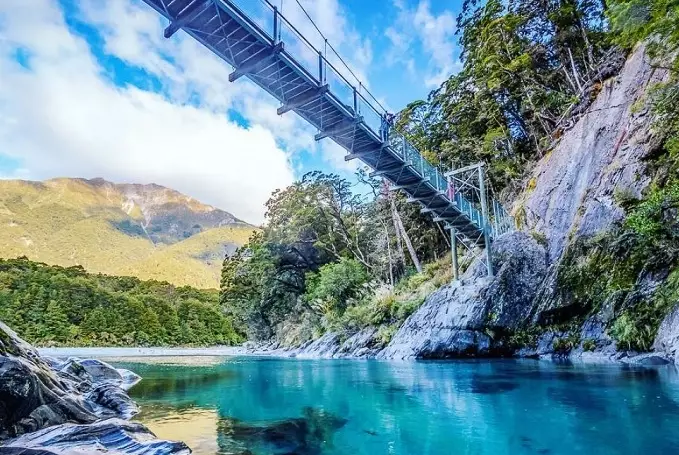
Fiordland National Park: More Than Just Milford Sound
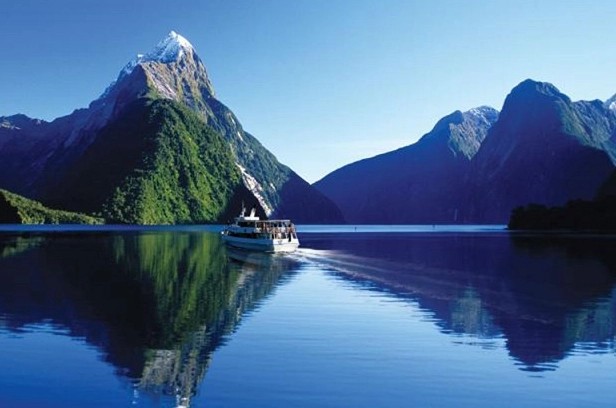
Milford Sound / Piopiotahi is the superstar, and for good reason. Mitre Peak rising straight from the dark water is iconic. But everyone does the day cruise from the visitor terminal. Here's a better way: book an overnight cruise. After the day-trippers leave, the fiord becomes serene. You might kayak in the evening stillness or wake up to waterfalls created overnight by rain. It's a completely different experience.
| Location | Key Info & Access | Pro Tip |
|---|---|---|
| Milford Sound / Piopiotahi | Address: State Highway 94, Fiordland National Park. No town, just the visitor terminal. Getting There: 4-hour drive from Queenstown, 2-hour drive from Te Anau. Must-Do: Scenic cruise or kayaking. Cruises run multiple times daily, year-round. Book in advance. | Drive the Milford Road (SH94) yourself. Stop at The Chasm and Mirror Lakes. Coach tours don't give you that freedom. Check road conditions on the NZTA Journeys website for avalanche risks in winter. |
| Doubtful Sound / Patea | Access: Via a boat across Lake Manapouri from Pearl Harbour, then a bus over Wilmot Pass. Getting There: Full-day tour from Manapouri or Te Anau. More complex access than Milford. | This is the "wild" alternative to Milford. Fewer people, more feeling of isolation. The overnight cruises here are exceptional for wildlife spotting (penguins, dolphins). |
| Aoraki / Mount Cook National Park | Address: Mount Cook Village, Canterbury. Getting There: 3.5-hour drive from Queenstown via Lake Pukaki. Must-Do: Hooker Valley Track (3-hour return). | Stay at least one night in the village. The stargazing is unreal (it's a Dark Sky Reserve). For a epic view without a hard hike, do the Tasman Glacier Lake boat tour to get up close to icebergs. |
Don't sleep on the drive from Queenstown to the West Coast via the Haast Pass. It's not just a connection road; it's a highlight reel of waterfalls, blue pools, and rainforests. Pull over at every single lookout. Seriously.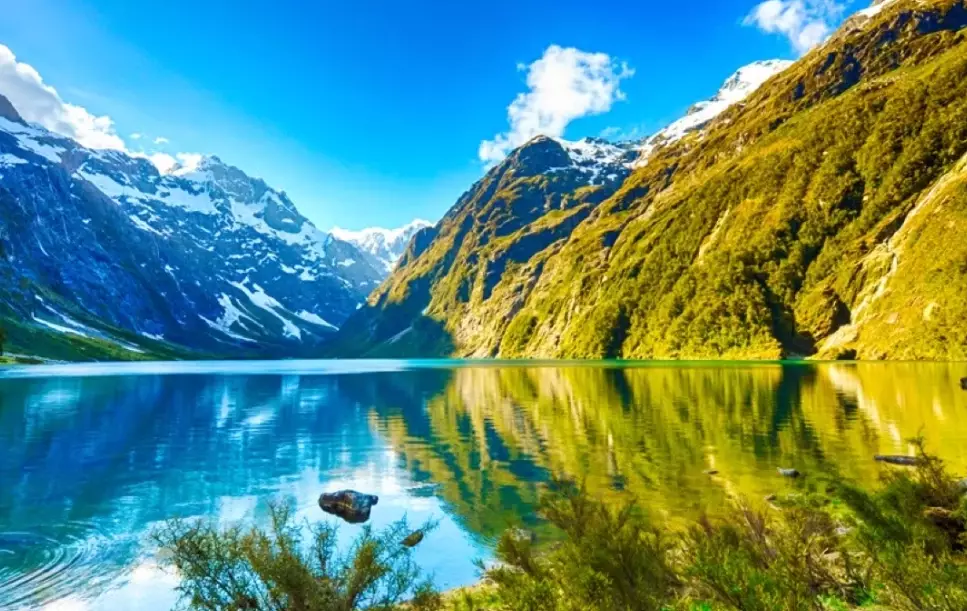
The North Island's Volcanic Heart and Cultural Gems
The North Island offers a different, but equally powerful, kind of beauty. It's geothermal, cultural, and dotted with beaches that feel like they're from a fantasy novel. The vibe is warmer, both in temperature and atmosphere.
Central Plateau: Where the Earth Breathes
Rotorua is the geothermal gateway, but the smell of sulphur hits you before you see anything. It's part of the experience. Wai-O-Tapu Thermal Wonderland is the most colorful, with the famous Champagne Pool. But for a more intimate feel, try the Waimangu Volcanic Valley. It was created by the 1886 Mount Tarawera eruption, and the guided walk tells a powerful story of destruction and regrowth.
Tongariro Alpine Crossing is often called the best one-day hike in New Zealand. It's true. Walking between active volcanoes (Mount Ngauruhoe is Mount Doom from Lord of the Rings) across an alien landscape of emerald lakes and red craters is unforgettable. It's a solid 19.4km, 6-8 hour trek. Shuttles from nearby towns like National Park Village are essential, as it's a point-to-point walk. Check the weather on the Department of Conservation website—it can be treacherous if fog or wind roll in.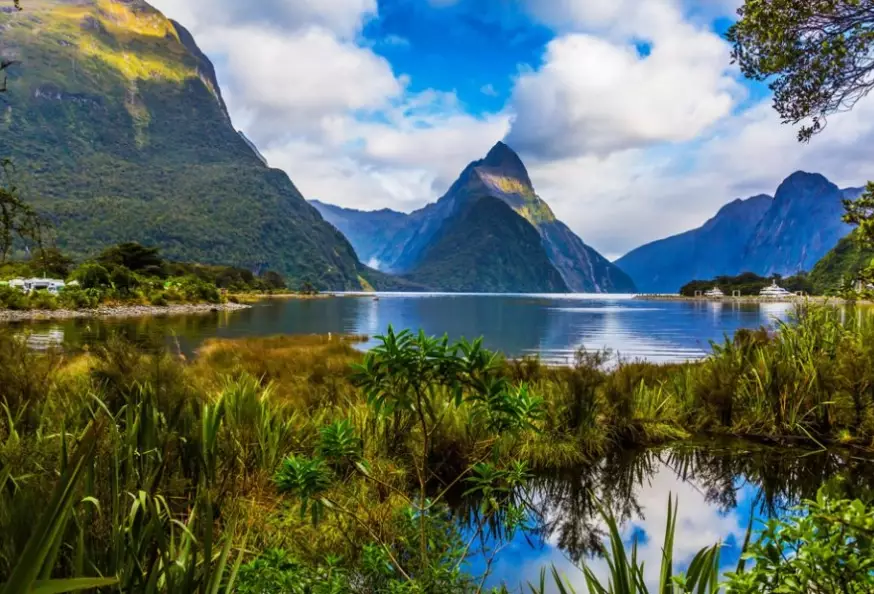
The Glow of the Bay of Plenty and Beyond
Cathedral Cove on the Coromandel Peninsula is that perfect archway beach you see in ads. Access is a 45-minute walk from the nearest parking, or you can kayak from Hahei Beach. Go early. I mean, sunrise early. By 10 am in summer, the path feels like a queue.
Further east, the East Cape is one of New Zealand's best-kept secrets. It's remote, deeply Māori, and home to the first sunrise in the world. The drive to the lighthouse at the cape is an adventure on its own. This is where you find beauty without the crowds.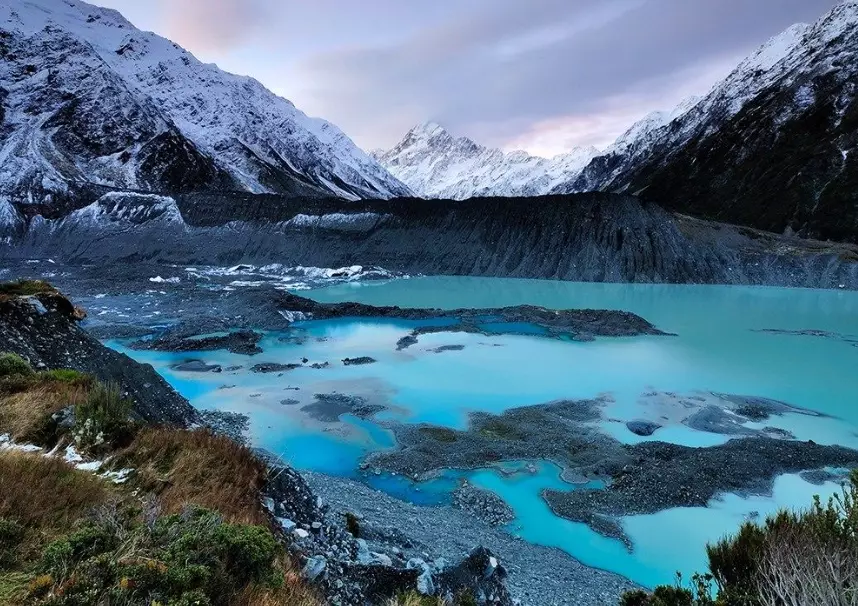
And then there's Lake Tekapo. The turquoise water, the Church of the Good Shepherd, the lupins in summer—it's all stunning. But the real magic happens after dark. The entire Mackenzie Basin is a UNESCO Dark Sky Reserve. Joining a stargazing tour at the Mount John Observatory is worth every cent. Seeing the Milky Way so clearly it looks painted on is a humbling experience.
How to Plan Your New Zealand Beauty Itinerary
You can't see it all in two weeks. Accept it. The classic dilemma is South Island vs. North Island. If dramatic mountains, fjords, and glaciers are your non-negotiables, focus on the South. If you're fascinated by volcanoes, Maori culture, and want a mix of geothermal sites and good food, lean North.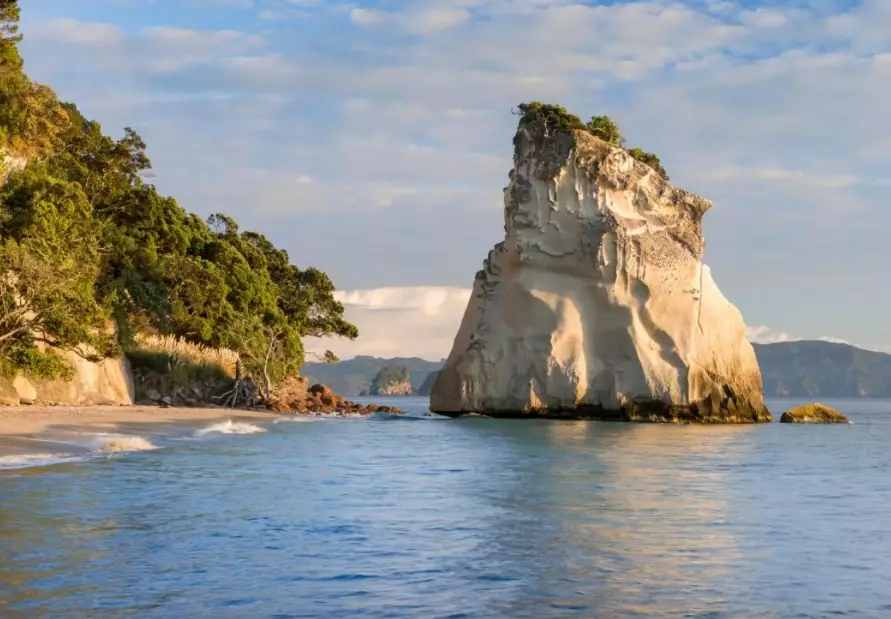
A Practical 14-Day South Island Focus:
- Days 1-3: Christchurch to Lake Tekapo (stargaze) to Aoraki/Mt Cook (hike Hooker Valley).
- Days 4-6: Drive to Queenstown (adventure hub). Take a day trip to Milford Sound (stay overnight on the fiord if possible).
- Days 7-9: Drive up the wild West Coast, seeing Franz Josef Glacier and the Pancake Rocks at Punakaiki.
- Days 10-12: Cross Arthur's Pass to Christchurch or head to the wineries of Marlborough.
Season Matters: Summer (Dec-Feb) has long days and great hiking, but it's peak season. Spring (Sep-Nov) brings epic lupin blooms. Autumn (Mar-May) has clear, crisp days and colorful leaves. Winter (Jun-Aug) means snow in the Alps, perfect for ski trips and seeing the Southern Alps at their most dramatic, but some high-country roads or hikes may be closed.

Comments
Join the discussion