I remember my first real culture shock wasn't at a museum or a monument. It was at a sidewalk café in Paris. I'd finished my espresso, glanced at my watch, and instinctively waved for the check. The waiter gave me a look I can only describe as politely disappointed, as if I'd just insulted his grandmother. He moved slower. He chatted with another table. It hit me then: I wasn't just paying for coffee; I was renting the table, and my hurry was breaking the social contract. That moment sparked a decade of observing the deep, often unspoken, chasm between how Europeans and Americans approach food. It's not about who has better pizza or burgers—it's about two fundamentally different philosophies of life, played out on the dinner plate.
What You'll Discover in This Guide
The Pace of Eating: Ritual vs. Refueling
Let's start with time. In America, eating is often a task to be completed. Lunch is a 30-minute window, often eaten at your desk. Dinner might be faster than you think. The goal is efficiency—getting fueled up to move on to the next activity.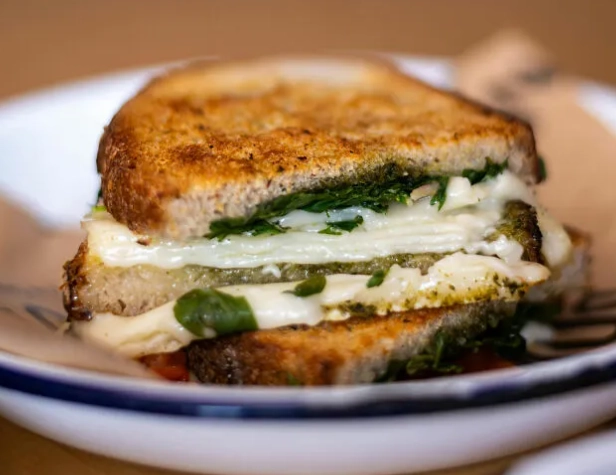
In most of Europe, a main meal, especially dinner, is the activity itself. It's a punctuation mark in the day. In Spain, dinner rarely starts before 9 PM. In Italy, a Sunday pranzo can stretch over three or four hours. This isn't laziness; it's a different allocation of time and value.
The structure tells the story. An American meal is often a single, monolithic plate. A European meal is a sequence of smaller acts.
The Coffee Test
Nothing illustrates this better than coffee culture. An American orders a "Venti" latte to-go, a portable energy unit. In Italy, you drink a tiny, potent espresso at the bar, in two minutes flat, but you do it standing there, engaging in a micro-social ritual. The French might sit with a café allongé for an hour, reading the paper. The vessel is small, but the time commitment is large. The coffee isn't the product; the pause is.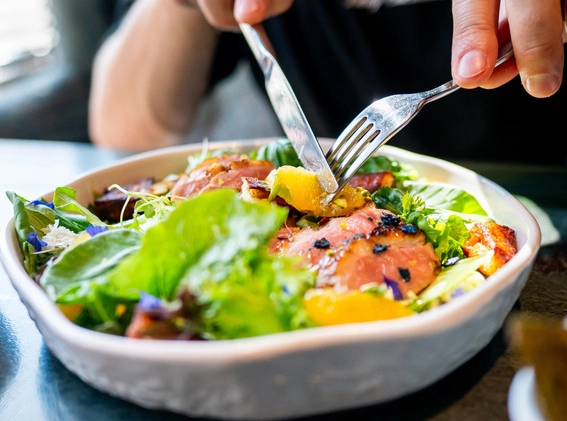
The Portion Mindset: Abundance vs. Sufficiency
Yes, portions are bigger in the US. Everyone knows that. But the why is more interesting. American portions communicate value and abundance. More is better. It's a land of "supersizing," free refills, and bottomless bread baskets. The message is: you will not leave hungry, and you got a great deal.
The European portion says: this is enough. It's calibrated to be part of a multi-course meal and to leave room for what comes next. It's about quality and balance, not volume.
Here's a specific, rarely mentioned point: the bread basket fallacy. In the US, that basket of endless rolls is a free appetizer, a filler. In much of Europe (France, Italy), that bread is there as a tool—to soak up sauce (la scarpetta in Italy), to eat with cheese, to cleanse the palate. And it's often charged per person (couvert). Treating it like a free-for-all buffet starter is a classic tourist giveaway.
Another subtle difference is the plate itself. American plates are often huge, 12 inches or more, requiring food to be piled high to look "full." European plates are frequently smaller, 9 or 10 inches, where a modest portion looks composed and elegant. Your brain registers a full plate either way, but the actual quantity differs dramatically.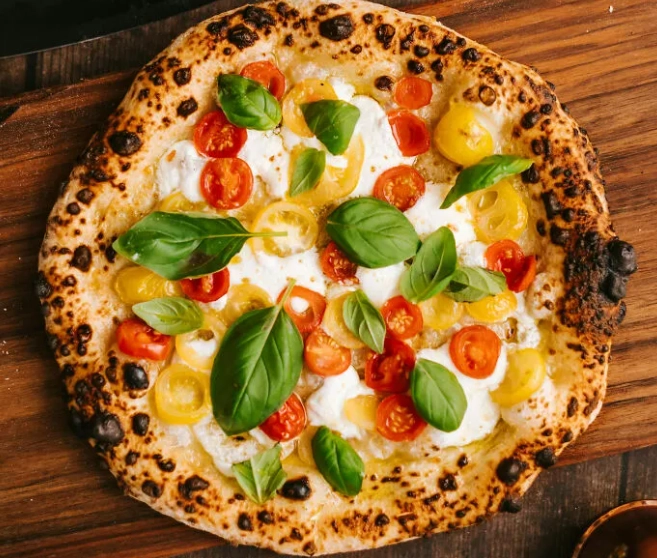
Food as Social Fabric vs. Fuel
In America, you "grab a bite." In Europe, you "go to table." The language reveals the priority.
European dining is inherently social and linear. Courses arrive sequentially for the whole table. You are forced into a shared rhythm. The table is a conversation pit, not just a surface to eat from. It's why service seems "slow"—they won't bring the next course until everyone is finished, and they certainly won't interrupt you to ask "how is everything tasting?" every five minutes. The expectation is that you are deep in conversation.
American service is optimized for turnover and individual satisfaction. Meals are often deconstructed—kids might get their chicken fingers first, drinks are refilled proactively, and checks are presented promptly. It's efficient and customer-centric, but it fragments the shared experience.
I've observed a telling detail in business settings. An American business lunch often has the deal talked about during the meal. A European business lunch will involve social talk, family, football—the deal might only be mentioned over the espresso at the very end. The meal builds the relationship first; the transaction comes after.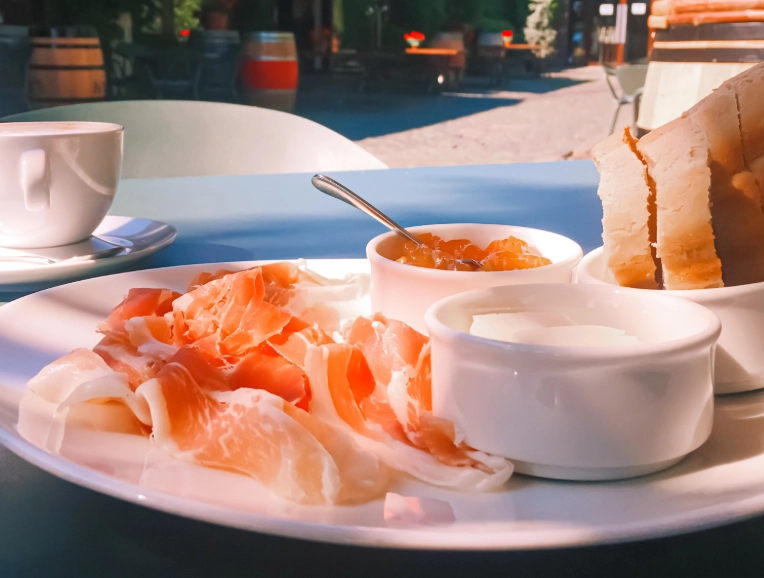
The Ingredient Philosophy: Processed vs. Protected
This is where government policy and public expectation collide. The European Union operates on the precautionary principle in food safety. If there's doubt about an additive's long-term effects, it's often restricted or banned. The US system is more reactive, requiring proof of harm before banning something.
The result? Dozens of artificial colors, flavorings, and preservatives common in American cereals, candies, and breads are illegal in Europe. Growth hormones (rbST) in beef are banned in the EU. Chlorine-washed chicken? Not allowed. This isn't a minor regulatory difference; it shapes the baseline quality of everyday, cheap food.
But it goes deeper than bans. There's a cultural reverence for provenance. Labels like DOP (Protected Designation of Origin) in Europe legally tie a product—Parmigiano-Reggiano cheese, Parma ham, Roquefort—to a specific region and traditional method. It protects against imitation and commodification. In the US, "Parmesan" can be a generic, shelf-stable powder. This legal framework supports smaller producers and regional identities, keeping food culture localized and diverse.
The American system, geared for scale, consistency, and shelf-life, often homogenizes taste. A supermarket tomato bred to survive a 2,000-mile truck ride tastes the same in Maine as in Arizona—which is to say, like very little. The European model, imperfect as it is, still allows for the ugly, seasonal, intensely flavorful tomato that ripened nearby.
How to Navigate the Differences (Without Looking Like a Tourist)
So, you're traveling. How do you eat like a local and not stress? Forget trying to master everything. Focus on three non-negotiable shifts.
First, decelerate. Add 50% more time to any meal you plan. Don't make tight reservations. When you sit down, mentally "rent" the table. Your phone stays away. The conversation is the main course.
Second, observe the sequence. Don't order a pasta and a steak at the same time. Look at the menu in sections (Antipasti, Primi, Secondi). Order a starter, then a pasta, then maybe share a main. Or just have a primo and secondo. Let the meal unfold.
Third, never, ever ask for substitutions or "on the side." This is a chef's culture, not a short-order cook culture. The dish is conceived as a whole. Asking for the sauce on the side is like asking a painter to separate the blue from his canvas. It's not just inconvenient; it's culturally jarring. If you have dietary restrictions, choose dishes that naturally fit them.
And about the check? You'll have to ask for it. Repeatedly, sometimes. It's not bad service; it's the ultimate sign of respect—they would never dream of rushing you out. Embrace the wait. Order another glass of wine. You've just learned the most valuable European dining habit of all.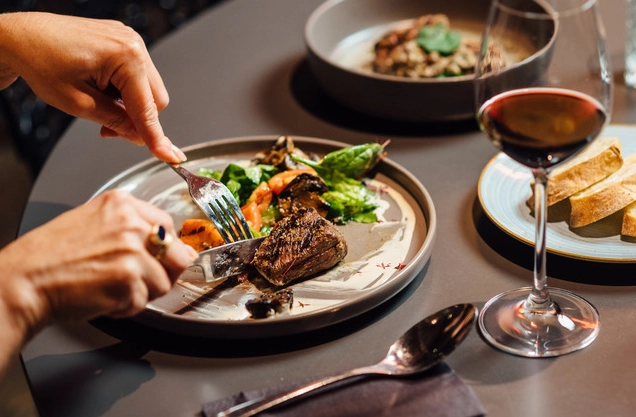





Comments
Join the discussion