So you're planning that once-in-a-lifetime trip and you've narrowed it down to two legendary names: Fiji and Bora Bora. Both pop up when you search for "world's best beaches" or "ultimate honeymoon." But which one is actually nicer? The answer isn't a simple one, because "nice" means something different to everyone. For some, it's about postcard-perfect scenery; for others, it's vibrant culture or value for money.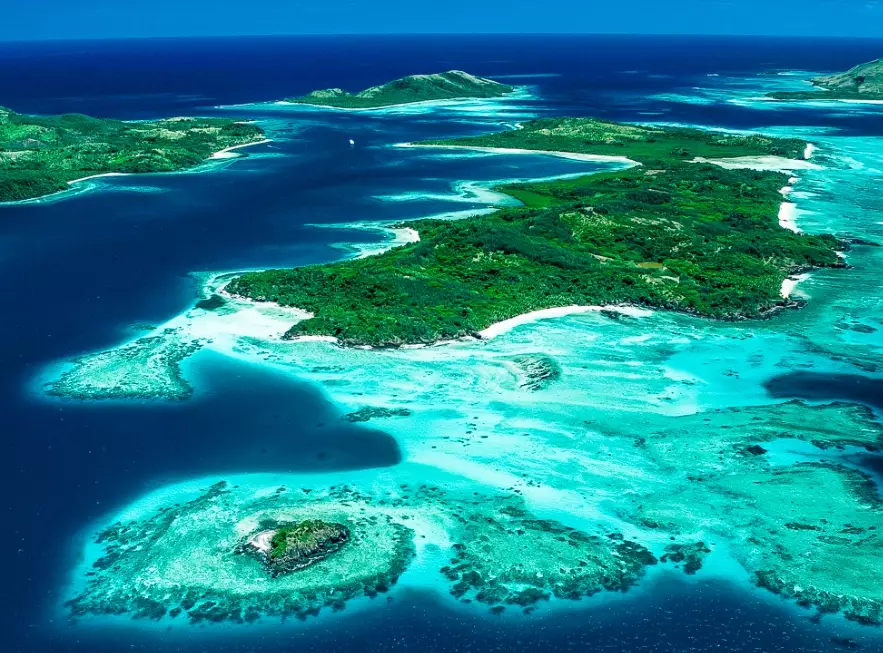
Having spent time in both archipelagos, I can tell you they're worlds apart in feel. Picking the wrong one for your travel style is a common, expensive mistake. This isn't just about comparing overwater bungalows (though we'll get to that). It's about the soul of the place. Let's cut through the brochure glamour and get real.
Your Quick Island Comparison Guide
The Vibe Check: Archipelago vs Icon
This is the biggest difference, and most comparisons gloss over it.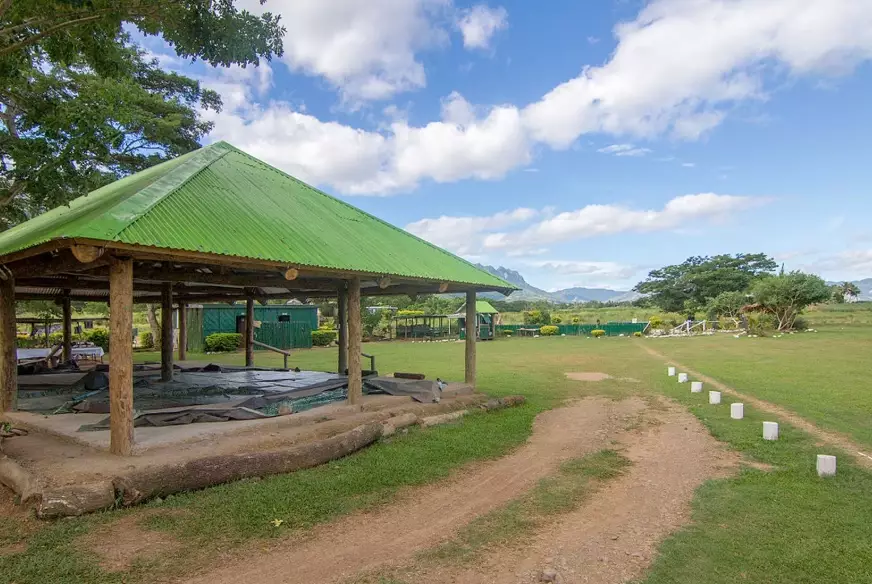
Fiji is a country of over 300 islands. Your experience hinges on which island group you pick. The main island, Viti Levu, has Nadi and Suva. It's where you fly into, and honestly, the beaches near Nadi aren't the stunners you're dreaming of. The magic is out in the Mamanuca and Yasawa islands—those small, palm-fringed dots you see in photos. The vibe across Fiji is famously warm and welcoming. The "Bula!" spirit is real. You'll interact with Fijian villagers, visit local schools, and feel a genuine cultural connection. It's more adventurous and varied.
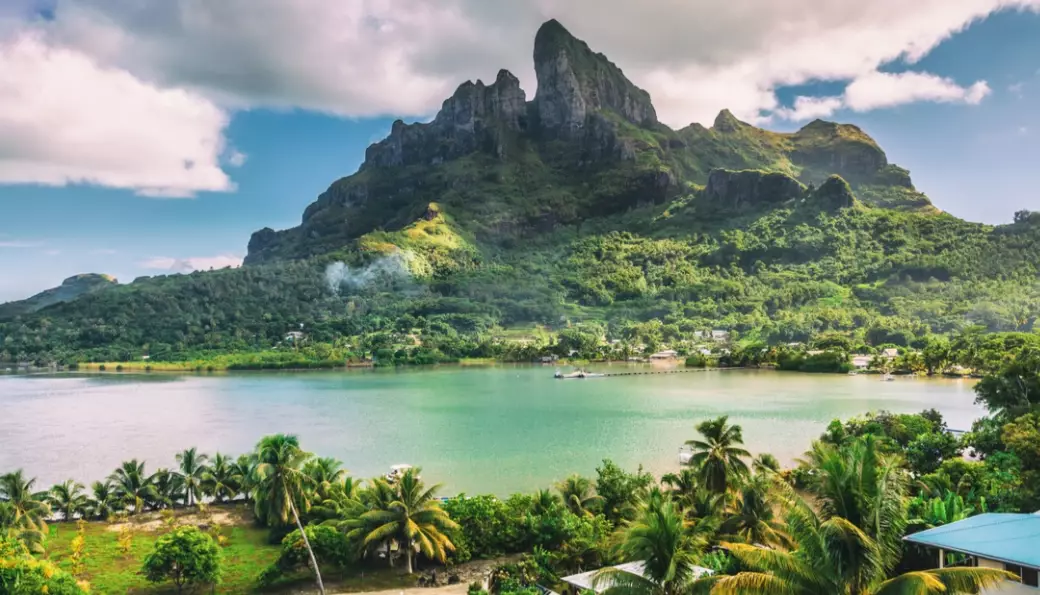
Bora Bora is a single, small island in French Polynesia. It's the definition of a luxury resort destination. The iconic view is of Mount Otemanu rising from a turquoise lagoon, ringed by a string of islets (motus). The "main island" has a small town, Vaitape, but most visitors stay on the motus in resort-world. The vibe is polished, romantic, and exclusive. It's less about exploring a culture and more about immersing yourself in a breathtaking, contained paradise. Service is impeccable, but it's a more transactional hospitality compared to Fiji's familial warmth.
Where You'll Sleep: The Resort & Accommodation Showdown
This is where budgets are made or broken.
Bora Bora's Famous Overwater Bungalows
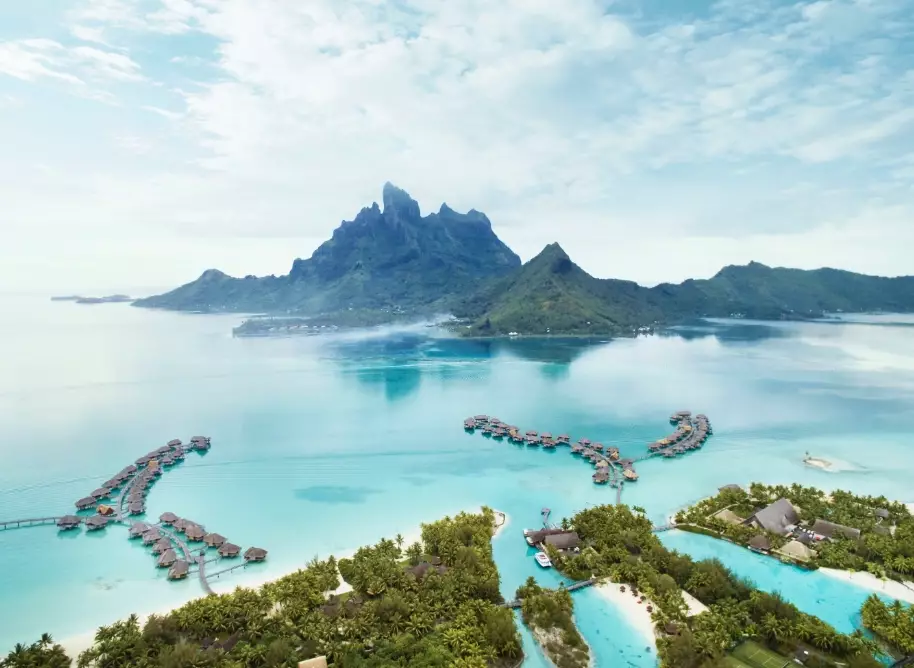
Bora Bora perfected this. Resorts like Four Seasons Bora Bora, St. Regis Bora Bora, and Conrad Bora Bora Nui offer the most iconic overwater villa experiences. Glass floor panels, direct lagoon access from your deck, and that unbelievable view of Otemanu. Prices are eye-watering: typically $1,500 to $2,500+ per night. There are slightly more affordable options like InterContinental Bora Bora Resort & Thalasso Spa, but "affordable" here still starts around $800/night. A key detail: many resorts are on motus, requiring a boat transfer from the main airport motu. Everything is insular.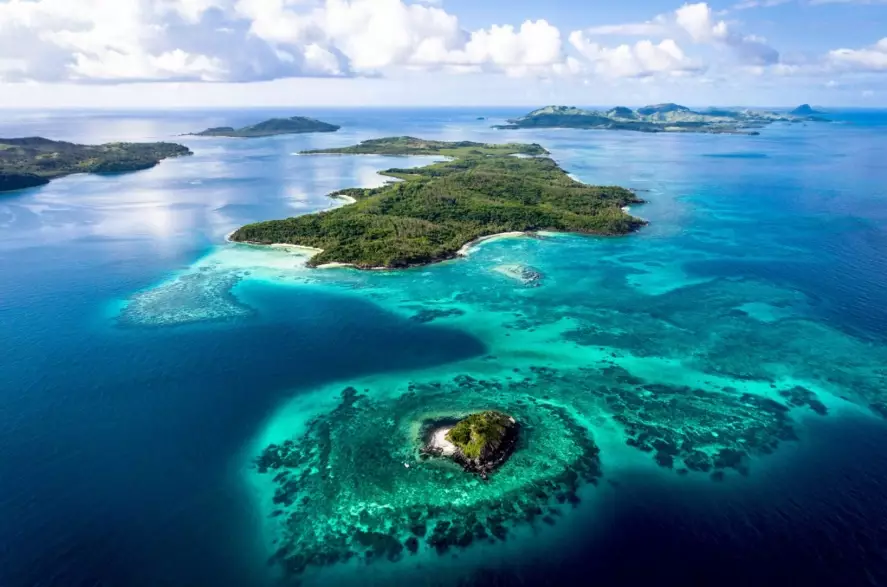
Fiji's Range of Options
Fiji has overwater bungalows too, but they're a newer addition. Places like Likuliku Lagoon Resort (adults-only) and Royal Davui Island Resort offer stunning ones. The big difference? You have choices beyond that. You can stay in a family-run beachfront bure (bungalow) in the Yasawas for $300/night with meals included. You can find backpacker-friendly island resorts, luxurious family-focused properties like Vomo Island Resort, or ultra-private villas. The accommodation landscape is vastly more diverse.
| Feature | Fiji | Bora Bora |
|---|---|---|
| Iconic Accommodation | Beachfront Bure (traditional bungalow) | Overwater Bungalow |
| Price Range (Per Night) | Wide: $150 - $2,000+ | Narrow & High: $800 - $3,000+ |
| Best For | Families, budget travelers, adventurers, groups | Honeymooners, luxury seekers, couples |
| Resort Style | More integrated with local islands, varied activities | Self-contained luxury, emphasis on privacy & romance |
Beyond the Beach: Things to Do & Adventure
Lounging is a given. But what fills your days?
In Fiji, activity is a big draw. The soft coral diving is world-class, especially in the Bligh Water and around Namena Marine Reserve. You can snorkel with manta rays in the Yasawas (May-Oct). There's river tubing, hiking to waterfalls in Pacific Harbour, visiting traditional villages (remember to bring a sevusevu gift of kava), and sailing between islands. The Mamanucas offer great surfing at Cloudbreak. Each island group has a different character.
Bora Bora's activities are almost exclusively lagoon-centric. And that's not a bad thing—the lagoon is mesmerizing. The lagoonarium tours where you swim with rays and sharks are a must-do. There's fantastic snorkeling right off your bungalow at the coral gardens. You can do a 4x4 safari up the mountain for the view, but it's a bumpy ride. Jet-skiing, paddleboarding, and deep-sea fishing are popular. It's a more curated, resort-organized menu of excursions. You won't find the same level of cultural immersion or inland exploration.
Food & Culture: Kava Ceremonies vs French Influence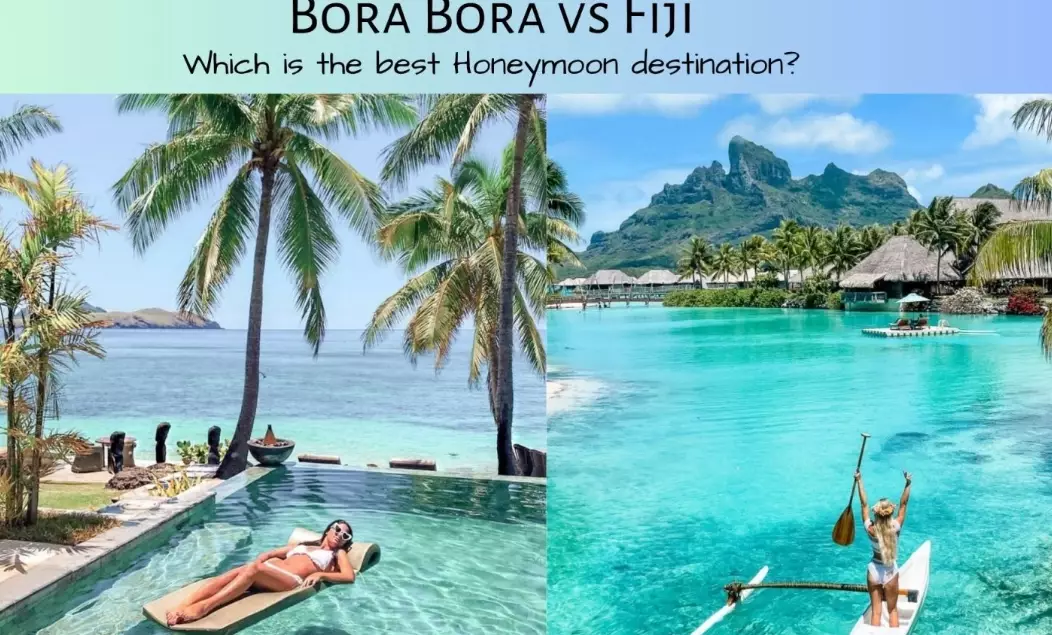
Your taste buds and curiosity will have different experiences.
Fijian cuisine is hearty and local. Think lovo (earth oven feast), kokoda (Fijian ceviche in coconut milk), and fresh fish. Resorts often have a "Fijian night." The cultural highlight is participating in a kava ceremony. It's a social, respectful ritual. You'll find more casual, local-style restaurants if you venture out. Alcohol can be expensive at resorts, but local beer (Fiji Bitter, Fiji Gold) is reasonable.
Bora Bora marries Polynesian ingredients with French technique. The result is incredible. Poisson cru (the Tahitian version of kokoda) is a staple. The resort restaurants are exceptional but pricey—a dinner for two with wine can easily hit $400. The French influence means great bread, pastries, and wine lists. You can visit Bloody Mary's restaurant, a famous institution with sand floors. The local Hinano beer is delicious. The culture is more subtle; you experience it through dance shows at resorts rather than village visits.
The Budget Reality Check: It's Not Even Close
Let's talk numbers, because this decides it for many people.
Getting There: Flights to Nadi (Fiji) from Los Angeles or Sydney are often significantly cheaper than flights to Papeete (Tahiti) + the connecting hop to Bora Bora (BVB). That Bora Bora flight alone can be $300-$500 roundtrip.
Daily Costs: In Fiji, you can have an amazing, all-inclusive experience at a mid-range resort for $400-$600 per couple per day. In Bora Bora, that's often the starting point for room-only rates at a mid-tier property. Dinner, drinks, and activities add up fast. A simple lunch at a Bora Bora resort can be $50 per person.
My rough estimate: A 7-day luxury trip for two in Bora Bora will often cost 1.5 to 2 times what a similar-level trip in Fiji would. Fiji simply offers more entry points for different budgets.
The Final Verdict: Who Should Go Where?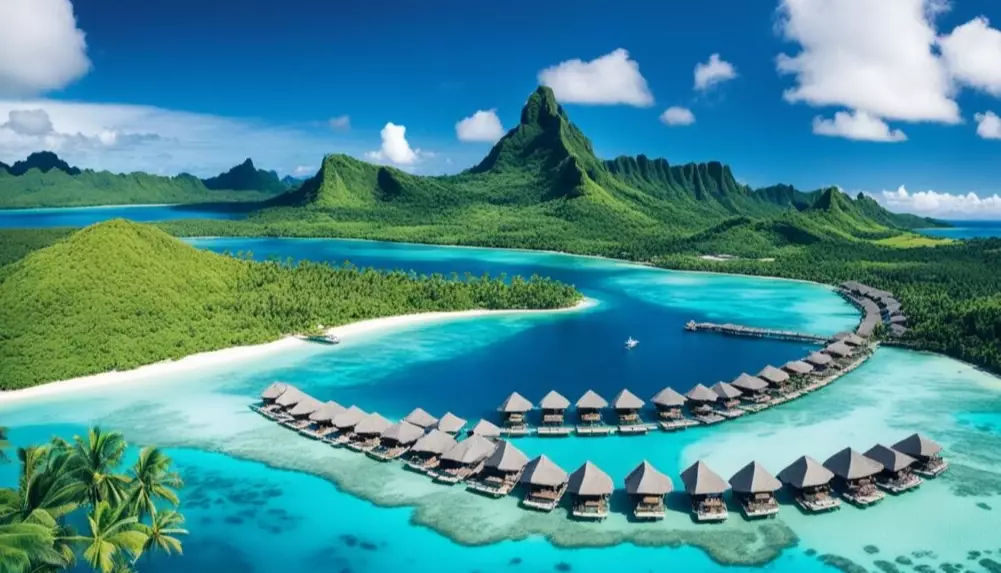
Stop asking which is nicer. Start asking which is nicer for you.
Choose Fiji if: You want a mix of adventure and relaxation. You're traveling with family or a group. Your budget is flexible but not limitless. You're interested in authentic cultural interactions. You like the idea of visiting multiple islands with different personalities. You're a diver or avid snorkeler seeking variety.
Choose Bora Bora if: Your primary goal is ultra-romantic, splurge-worthy luxury. You dream of that specific overwater bungalow experience with a mountain view. You're happy staying put in one breathtaking, pampered location. Your budget is high and fixed costs (like an all-inclusive plan) appeal to you. You're celebrating a major milestone like a honeymoon or anniversary.
One isn't objectively better. They serve different purposes. I've sent friends with young kids to Fiji's shallow, calm lagoons and had them rave about the kids' clubs. I've sent couples to Bora Bora for a honeymoon who said the sheer beauty was worth every penny.
Your Burning Questions Answered
We're a family with young kids. Is Bora Bora or Fiji nicer for us?
Hands down, Fiji. Many Fijian resorts are built for families, with fantastic, complimentary kids' clubs (like at the Shangri-La Yanuca Island or Outrigger Fiji Beach Resort), nanny services, and calm, shallow lagoons perfect for toddlers. The Fijian staff are famously great with children. Bora Bora resorts are overwhelmingly couples-focused, often adults-only or with minimal facilities for kids. The overwater bungalows also pose a safety concern for little ones. Fiji offers better value and a much more welcoming environment for families.
I have a week and a mid-range budget. Can I do both Fiji and Bora Bora?
I strongly advise against it. The flight connection between them (via Auckland or Sydney) is long and expensive, eating up two precious days of your trip. You'll also pay two separate high-cost destination price tags. You'll end up with a rushed, expensive experience of both places. It's far better to pick one and explore it properly. For a mid-range budget, Fiji gives you far more scope for a fantastic, full-week experience, potentially including island-hopping.
 Which has better snorkeling and diving right off the beach?
This is nuanced. For sheer convenience and guaranteed quality, Bora Bora's lagoon is hard to beat. You can often step off your overwater bungalow deck into water teeming with fish and coral. It's consistently good. Fiji's house reefs vary dramatically by resort. Some, like on Matamanoa Island or Tokoriki Island, have excellent house reefs. Others might require a short boat trip to the best spots. However, Fiji's diving overall is considered more diverse and challenging, with famous sites like the Great White Wall. For a beginner snorkeler, Bora Bora is easier. For an experienced diver, Fiji offers more.
Is the food really that much better in Bora Bora because of the French influence?
In terms of fine dining and culinary sophistication, yes. The French influence elevates the resort cuisine to another level. If gourmet food is a top priority for your vacation, Bora Bora has the edge. That said, you pay for it dearly. In Fiji, the food is often simpler but still fresh and delicious. You won't find the same level of haute cuisine at most resorts, but you will experience more traditional, earthy flavors. It's the difference between a Michelin-starred tasting menu and an excellent, hearty home-cooked feast. Both are good, just different.
 At the end of the day, you can't make a bad choice. Both are spectacular. But you can make a smarter choice by matching the destination's strengths to what you actually want from your holiday. Forget the generic "paradise" label. Decide what paradise looks like for you—is it an adventurous, warm-hearted archipelago, or a singular, jaw-dropping jewel of luxury? Now you know.
Comments
Join the discussion