So you're thinking about moving to New Zealand and want to find a spot that's not just functional but downright gorgeous. I get it. It's not just about a house; it's about waking up to views that take your breath away, communities that feel like home, and a lifestyle that matches your dreams. Let's cut through the generic lists and dive into what really makes a place beautiful to live in here.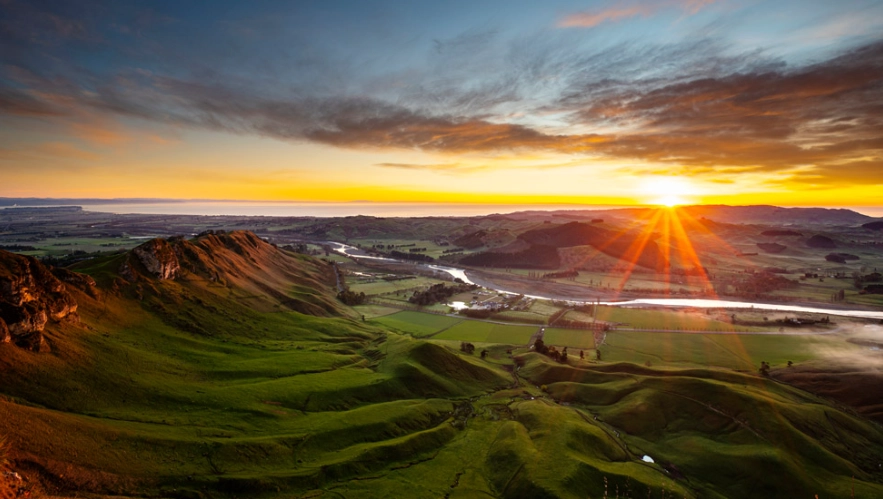
What You'll Find in This Guide
What Makes a Place Beautiful to Live In?
Beauty is subjective, right? But when it comes to living somewhere, it's more than just postcard scenes. For me, having spent a decade exploring New Zealand, it boils down to three things: natural scenery that doesn't get old, a community vibe that welcomes you, and practical amenities that make daily life smooth. Miss one, and you might end up frustrated. I've seen folks move to remote areas for the views but struggle with isolation—something many blogs gloss over.
Think about access to healthcare, schools if you have kids, and yes, the cost of living. A stunning lakefront property means little if you're spending half your income on groceries. According to Statistics New Zealand, regional price variations can hit hard, so let's keep it real.
Top 5 Most Beautiful Places to Live in New Zealand
Based on my travels and chats with locals, here are five spots that consistently rank high for beauty and livability. I'm skipping the obvious tourist traps and focusing on places where people actually settle long-term.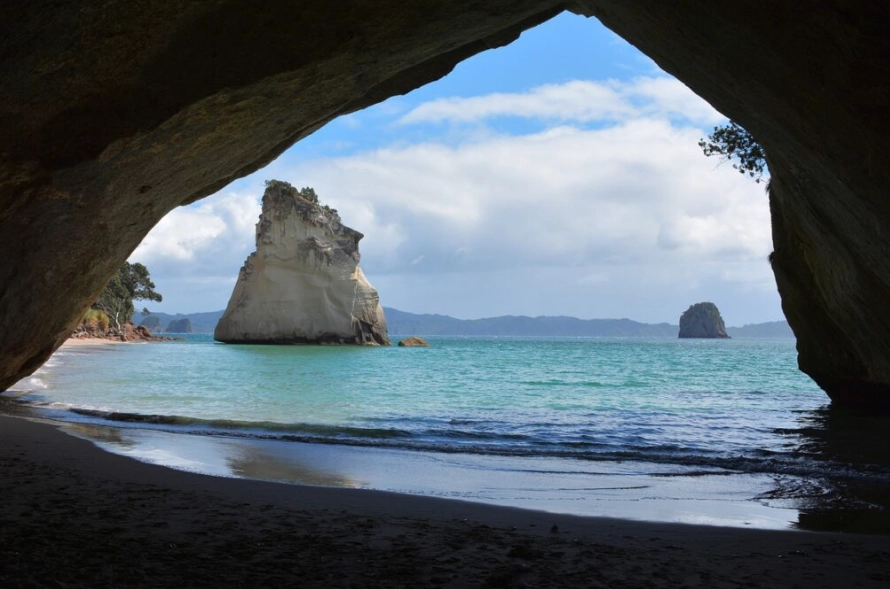
Quick tip: Don't just visit in summer. Winter can reveal a different side—like shorter days in the south or rain in the west. Test the seasons if you can.
Queenstown: The Adventure Capital
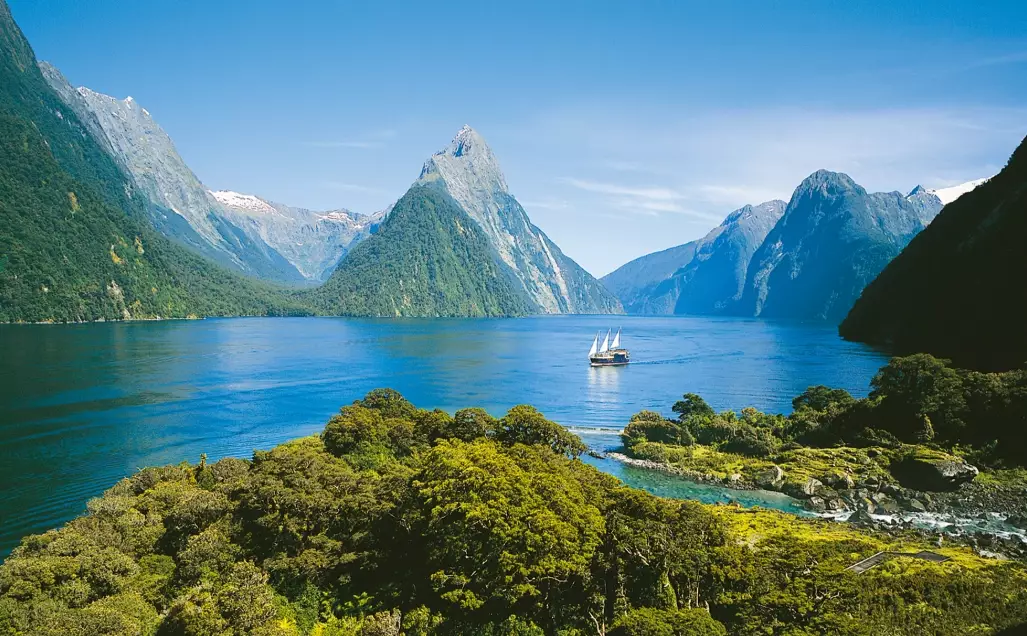
Queenstown isn't just for tourists. Nestled on Lake Wakatipu with the Remarkables mountain range as a backdrop, it's visually stunning. But living here? It's a mix of thrill and challenge. The median house price hovers around NZ$1.2 million, as per recent data from the Real Estate Institute of New Zealand. That's steep.
I lived here for a year and loved the energy, but the tourist crowds from October to March can be overwhelming. If you work remotely or in tourism, it's ideal. For families, schools are good, but housing costs bite. The community is tight-knit among locals, though newcomers need effort to break in.
Wellington: The Creative Hub
Wellington often gets overlooked for its wind, but its harbor setting and green hills make it uniquely beautiful. It's compact—you can walk everywhere. The arts scene is vibrant, and coffee culture is serious business.
Housing is more affordable than Auckland, with median prices around NZ$850,000. I found the weather unpredictable, but the community warmth makes up for it. Jobs in tech and government are plentiful. A hidden gem: the southern suburbs like Island Bay offer coastal views without the downtown bustle.
Nelson: Sunshine and Beaches
Nelson boasts the most sunshine hours in New Zealand. Located at the top of the South Island, it's surrounded by three national parks—Abel Tasman, Kahurangi, and Nelson Lakes. Beauty here is about golden beaches and easy access to nature.
It's smaller, with a population around 50,000, so life is slower. Housing is relatively reasonable, median about NZ$700,000. The downside? Job opportunities can be limited unless you're in industries like horticulture or crafts. I've met retirees and artists who thrive here, but young professionals might find it quiet.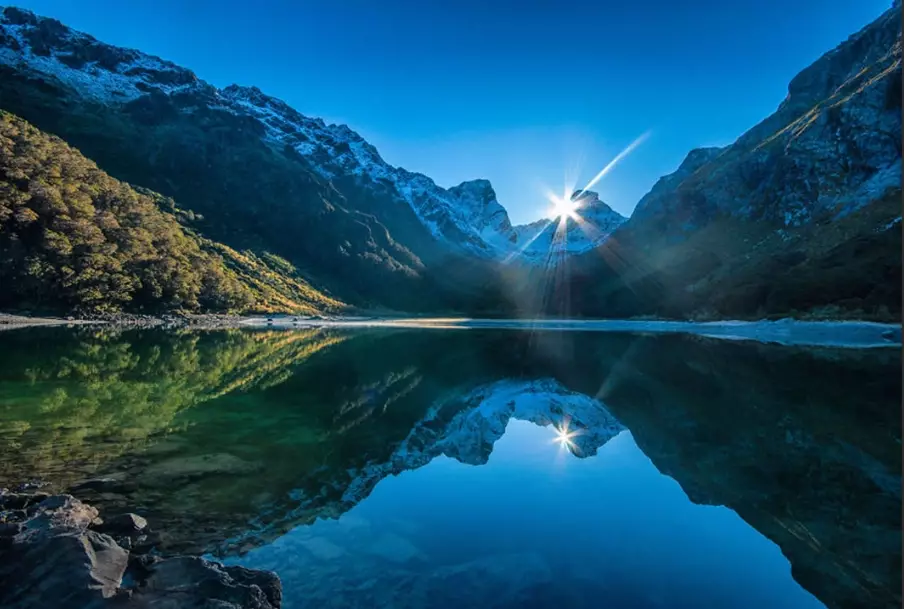
Dunedin: Gothic Charm and Wildlife
Dunedin's Scottish heritage gives it a quirky, historic feel. The Otago Peninsula is right there, with penguins and albatrosses. It's a university town, so there's a youthful buzz.
Housing is among the most affordable in major NZ cities, median around NZ$600,000. Winters are cold and damp, though—something I underestimated. The community is welcoming, and if you love a slower pace with intellectual stimulation, it's perfect. Don't expect a bustling nightlife, but the coffee shops are cozy.
Tauranga: Coastal Living with Growth
Tauranga, in the Bay of Plenty, offers warm climate and beautiful beaches like Mount Maunganui. It's one of New Zealand's fastest-growing cities, so infrastructure is expanding.
Median house prices are around NZ$950,000, driven by demand. Traffic can be a headache during peak hours. I appreciate the family-friendly vibe and outdoor activities, but the rapid growth means some charm is getting diluted. If you want a balance of beauty and convenience, it's worth a look.
| Place | Region | Key Beauty Feature | Median House Price (approx.) | Best For |
|---|---|---|---|---|
| Queenstown | Otago | Lake and mountain views | NZ$1.2M | Adventure seekers, remote workers |
| Wellington | Wellington | Harbor and hills | NZ$850K | Professionals, creatives |
| Nelson | Tasman | Sunshine and beaches | NZ$700K | Retirees, nature lovers |
| Dunedin | Otago | Historic architecture and wildlife | NZ$600K | Students, academics |
| Tauranga | Bay of Plenty | Coastal beaches | NZ$950K | Families, growth-oriented |
This table gives a snapshot, but let's dig deeper. Notice how prices vary? That's where your budget comes in. And remember, beauty isn't just visual—it's about how a place feels day to day.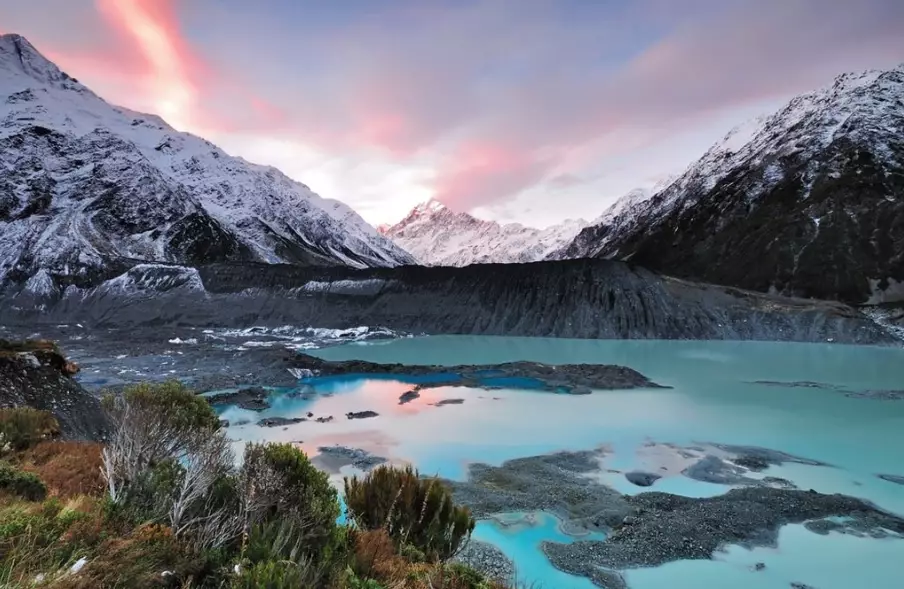
How to Choose the Right Place for You
Choosing where to live isn't just about picking the prettiest spot. It's a personal decision. Start by asking yourself: What's my non-negotiable? For some, it's being near the ocean; for others, it's job prospects or a tight community.
Here's a method I recommend: spend a week in your top choice during the off-season. Rent a local Airbnb, shop at the supermarkets, and talk to neighbors. You'll get a feel for the daily rhythm that tourists miss. I did this in Nelson and realized the quiet winters suited me, but the limited flight connections were a hassle for travel.
Consider climate too. New Zealand's weather varies wildly—north is subtropical, south is temperate. If you hate rain, maybe avoid the West Coast. Check resources like NIWA for climate data.
And don't forget infrastructure. Reliable internet is crucial if you work online. In rural beautiful areas, coverage can be spotty. I learned this the hard way in a remote part of Otago.
Practical Considerations for Moving to New Zealand
Moving here involves more than just packing bags. Visa requirements are strict—check Immigration New Zealand's website for the latest. Most people come on skilled migrant or resident visas, but processing times can be long.
Cost of living is a biggie. According to reports from MBIE (Ministry of Business, Innovation and Employment), Auckland is priciest, but regional centers aren't far behind. Groceries, utilities, and transport add up. In Queenstown, a weekly grocery bill for a family can hit NZ$250 easily.
Healthcare is public and generally good, but wait times for non-urgent care can be long in rural areas. I suggest getting comprehensive insurance. Education-wise, schools are decent, but in smaller towns, options might be limited.
Transport: if you're outside major cities, a car is essential. Public transport in regions like Nelson is minimal. Factor in vehicle costs and fuel prices, which are higher than in many countries.
FAQs About Living in New Zealand's Most Beautiful Spots
Is it realistic to find affordable housing in New Zealand's most scenic areas?
It depends on your definition of affordable. In places like Queenstown or Tauranga, housing markets are tight, and prices are high due to demand and limited supply. However, if you're willing to compromise—like living a 20-minute drive from the town center—you might find more options. Look into emerging suburbs or smaller nearby towns. For instance, near Queenstown, areas like Frankton offer slightly lower prices but still great views. Always check recent sales data, not just listings, to gauge real costs.
How do communities in these beautiful places welcome newcomers?
New Zealanders are generally friendly, but integration takes effort. In tourist-heavy spots like Queenstown, locals can be wary of transient populations. To break in, join local clubs, volunteer, or attend community events. I found that in Dunedin, the university scene makes it easier to meet people, while in Nelson, outdoor activity groups are key. Don't expect instant best friends; be patient and show genuine interest in the local way of life. A common mistake is sticking to expat circles—it limits your experience.
What are the hidden costs of living in a remote beautiful location in New Zealand?
Beyond housing, think about utilities: power bills can spike in colder regions due to heating. In Dunedin, winter heating costs me an extra NZ$100 per month. Also, internet and mobile coverage might require expensive satellite options in remote areas. Transport costs add up—if you need to drive to the nearest city for specialist healthcare or shopping, fuel and time are factors. Insurance premiums can be higher for properties in scenic but risky zones, like flood-prone areas. Always budget a buffer of 10-15% for unexpected expenses.
Can I sustain a career while living in these places?
Yes, but it requires planning. Major cities like Wellington offer diverse job markets, but in smaller towns, opportunities are often tied to local industries—tourism in Queenstown, horticulture in Nelson. Remote work has opened doors; if you have an online job, ensure reliable internet. I've met digital nomads in Wanaka who thrive, but they invested in backup connections. For professionals, consider hybrid roles or commuting options. Networking locally is crucial; many jobs aren't advertised publicly.
What's the biggest misconception about living in New Zealand's beautiful areas?
That it's a perpetual vacation. The reality is, daily life involves chores, work, and occasional boredom. The beauty becomes a backdrop, not a constant thrill. I've seen people move expecting non-stop adventure, only to feel isolated when the novelty wears off. Another misconception: that all areas are equally safe. While NZ is generally safe, property crime can be higher in tourist spots. Do your research, talk to locals, and visit before committing to avoid rose-colored glasses.
 Wrapping up, finding the most beautiful place to live in New Zealand is about balancing scenery with practicality. It's not just where you live, but how you live. Take your time, visit multiple spots, and listen to your gut. The right place will feel like home, views and all.

Comments
Join the discussion