Let's cut to the chase. You're thinking about a trip to New Zealand, or Aotearoa as it's known in Māori. You've seen the pictures—emerald hills, dramatic fjords, glaciers that touch the sea. But is it all just postcard perfection, or does the reality live up to the hype? Having spent months exploring both islands, from the tip of Cape Reinga to the windy shores of Stewart Island, I can tell you it does. But the magic isn't just in the obvious sights; it's in the feeling you get when you're there. Here are the top 10 reasons, based on real, boots-on-the-ground experience, that make this country utterly unique.
Your Quick Guide to NZ's Best Bits
- Reason 1: Landscapes That Defy Imagination
- Reason 2: The Adventure Capital of the World
- Reason 3: A Hiker's Paradise
- Reason 4: Unique Wildlife Encounters
- Reason 5: Rich Māori Culture
- Reason 6: World-Class Food and Wine
- Reason 7: Compact and Easy to Navigate
- Reason 8: Incredibly Safe and Friendly
- Reason 9: A Filmmaker's Dream Backdrop
- Reason 10: A Leader in Sustainable Tourism
- Practical Info for Your Trip
- Your New Zealand Travel Questions Answered
Reason 1: Landscapes That Defy Imagination
You think you know what mountains look like. Then you see Aoraki / Mount Cook piercing the sky at 3,724 meters. You've seen lakes, but have you seen Lake Tekapo's milky-turquoise water against a backdrop of lupins? The variety is staggering. Within a few hours' drive, you can go from subtropical rainforests in the north to glacial valleys in the south.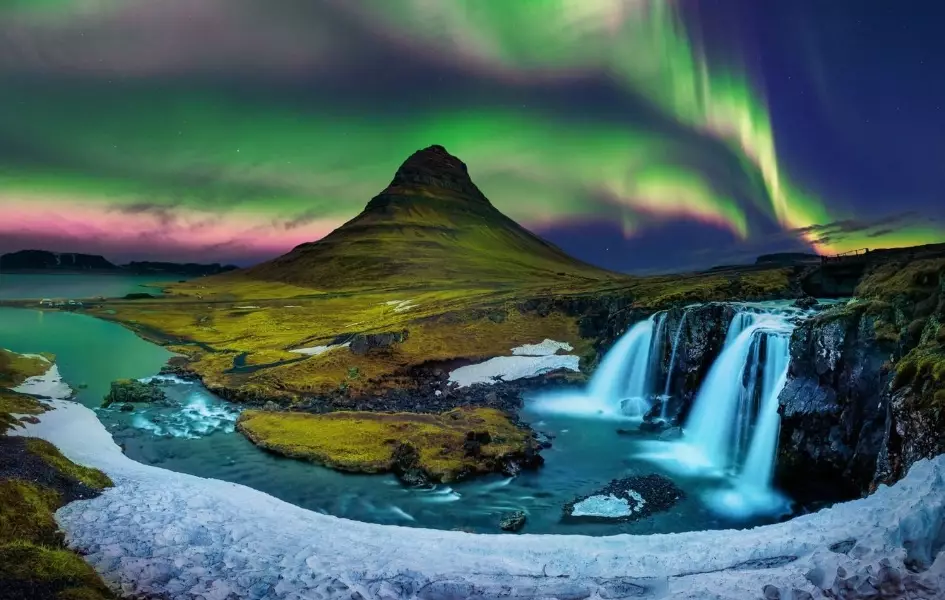
The must-see trio:
- Milford Sound / Piopiotahi: This isn't just a fjord; it's a mood. Rain or shine, it's epic. Mitre Peak rising straight from dark water, waterfalls cascading down sheer cliffs. Most people take a cruise (operators like Southern Discoveries or Real Journeys run multiple daily trips, from 1.5 to 2.5 hours, costing around NZD $80-$120). The drive in on State Highway 94 is an attraction itself.
- Tongariro Alpine Crossing: Often called the best one-day hike in NZ. It's a 19.4km trek across an active volcanic plateau, past emerald lakes and lunar landscapes. You need to be prepared—check weather with the Department of Conservation (DOC) and book shuttle transport to the trailheads well in advance, especially in summer.
- Abel Tasman National Park: Golden sand beaches you can kayak to, accessible only by water or foot. You can do a day trip from Kaiteriteri or Nelson, or splurge on a multi-day guided kayak and walk combo.
My advice? Don't just stick to the South Island. The North Island's volcanic plateau around Rotorua and Taupō is a geothermal wonderland that feels like another planet. The smell of sulphur is real, but so are the bubbling mud pools and giant geysers.
Reason 2: The Adventure Capital of the World
Queenstown didn't get that title for nothing. This is where commercial bungee jumping was born at the Kawarau Bridge. The energy is contagious. But adventure here isn't just about throwing yourself off a bridge (though you can do that too).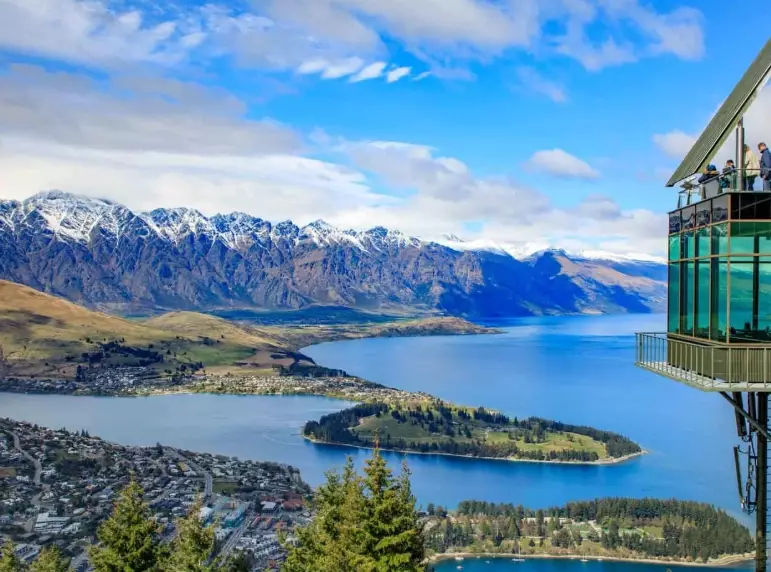
It's about the variety. You can go heli-skiing on a glacier in the morning, then jet boating through narrow canyons in the afternoon. For something less extreme but equally memorable, try a scenic flight over Mount Cook or the Franz Josef Glacier. Operators like Air Milford or Glacier Southern Lakes Helicopters offer trips ranging from 20 minutes to several hours. Yes, it's pricey (NZD $300+), but the view of the Tasman Sea meeting ice is something you'll never forget.
A common mistake is thinking adventure is only in Queenstown. Wanaka, a quieter sister city an hour away, offers incredible via ferrata climbs and backcountry skiing. On the North Island, the Waitomo region lets you abseil into glowworm caves and float through underground rivers.
Reason 3: A Hiker's Paradise (The Great Walks & Beyond)
New Zealand's Department of Conservation maintains an incredible network of trails. The crown jewels are the 10 Great Walks. These are multi-day hikes with well-maintained tracks and hut systems. They book out months in advance, especially the famous ones like the Milford Track and the Routeburn Track.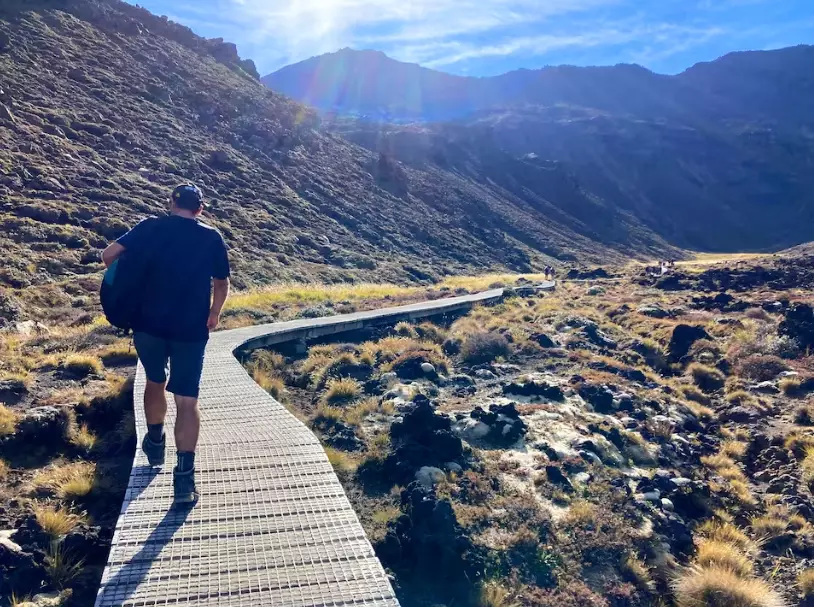
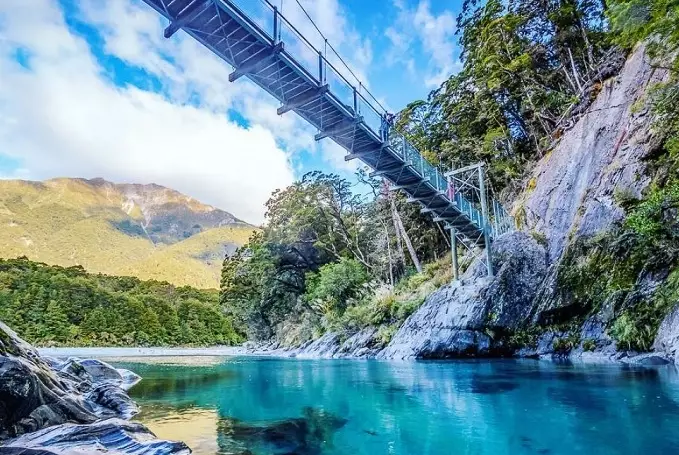
Pro Tip: If the Great Walks are full, don't despair. Some of the best hiking in New Zealand is on lesser-known tracks. The Hooker Valley Track in Aoraki/Mount Cook National Park is an easy 3-hour return walk that gets you face-to-face with the glacier. No booking needed. The Rob Roy Glacier Track near Wanaka is another stunner that often flies under the radar.
Hut systems vary. Great Walk huts are like dormitories with mattresses, running water, and sometimes even gas cookers. Backcountry standard huts are more basic—just a shelter and bunk platforms. You always need to carry a sleeping bag and cooking gear. Check the specific hut details on the DOC website before you go.
Reason 4: Unique Wildlife Encounters
No land predators means evolution went a bit quirky here. You won't see lions or bears. Instead, you get birds that forgot how to fly.
The iconic kiwi is nocturnal and shy, so seeing one in the wild is rare and special. Your best bet is a guided night tour on a predator-free sanctuary island like Kapiti Island or at a dedicated conservation center like the Otorohanga Kiwi House (open daily 9 am - 5 pm, adult entry ~NZD $25).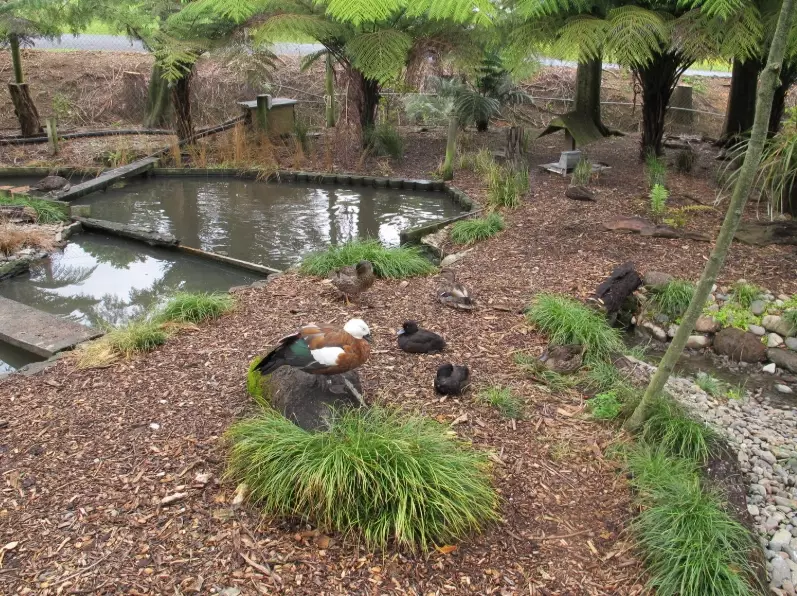
Other unique encounters:
- Yellow-eyed penguins (Hoiho): The rarest penguin in the world. View them responsibly at dedicated hides on the Otago Peninsula near Dunedin. Keep your distance and never use flash photography.
- Hector's dolphins: The world's smallest dolphins. You can swim with them in Akaroa Harbour near Christchurch, but choose an operator with a Department of Conservation permit that follows strict guidelines to protect them.
- Albatross: The Royal Albatross Centre at Taiaroa Head is the only mainland breeding colony in the world for these majestic birds.
Reason 5: Rich and Living Māori Culture
Māori culture isn't a museum exhibit; it's a vibrant, living part of everyday New Zealand. To truly understand the spirit of the land, engaging with it is essential.
The best way is a Marae visit or cultural performance. In Rotorua, places like Te Puia or the Tamaki Māori Village offer evening experiences that include a traditional hāngī feast (food cooked in an earth oven), powerful haka performances, and stories about history and carving. It's commercial, yes, but it's also a genuine and accessible introduction.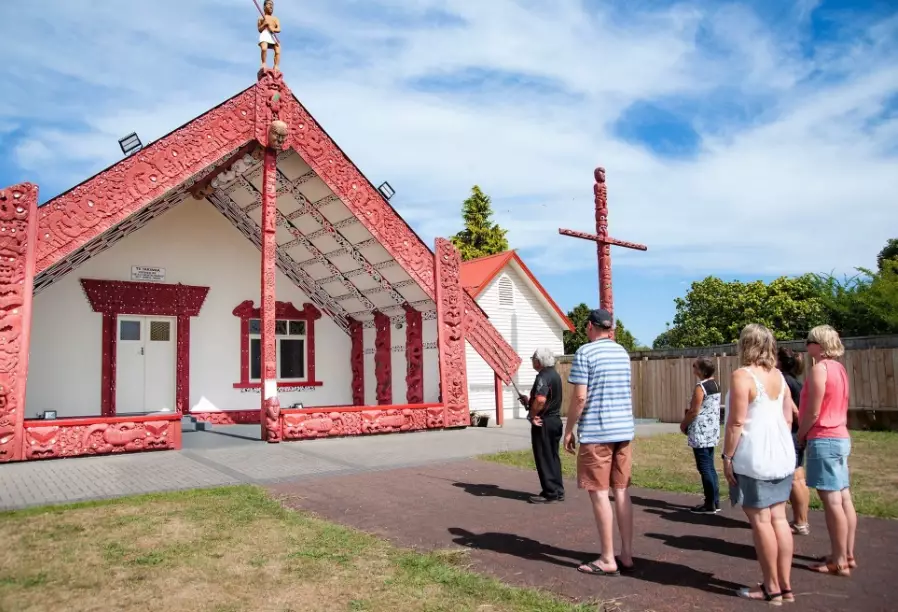
For a more intimate experience, look for smaller, family-run tours, especially in Northland (the birthplace of Māori culture). You'll learn that every mountain, river, and lake has a name and a story. Visiting the Waitangi Treaty Grounds in the Bay of Islands is crucial for understanding the nation's founding document and contemporary relationships.
Reason 6: World-Class Food and Wine
Forget bland travel food. New Zealand's culinary scene punches far above its weight. It's built on incredible local produce: grass-fed lamb, green-lipped mussels, Bluff oysters (in season), and of course, dairy. The cheese and ice cream are next level.
Then there's the wine. Marlborough Sauvignon Blanc put NZ on the global map, but there's so much more. Central Otago produces stunning Pinot Noir, and Hawke's Bay does beautiful Syrah and Chardonnay.
| Region | Must-Try Experience | Practical Details |
|---|---|---|
| Marlborough | Bike the wineries. Rent a bike in Blenheim and pedal the flat backroads between cellar doors like Cloudy Bay, Brancott Estate, and Wairau River. | Many offer free tastings, but some charge a small fee (NZD $5-10) waived with purchase. Book lunch in advance. |
| Wellington | Foodie capital. Hit up the harbourside markets on a weekend, then explore the cafes and craft beer bars in the laneways. Try a classic meat pie from a local bakery. | Coffee is a serious business here. Ask a local for their favorite flat white spot. |
| Central Otago | Visit a boutique winery in the dramatic, arid landscapes around Bannockburn or Gibbston Valley. | Amisfield Winery's "Trust the Chef" lunch is legendary (and pricey, ~NZD $95). Book weeks ahead. |
Reason 7: Compact and Easy to Navigate
This is a huge plus that first-timers underestimate. The travel infrastructure is excellent for tourists. You can drive from Auckland to Wellington in a (long) day. The inter-island ferry between Wellington and Picton is a scenic 3.5-hour journey through the Marlborough Sounds.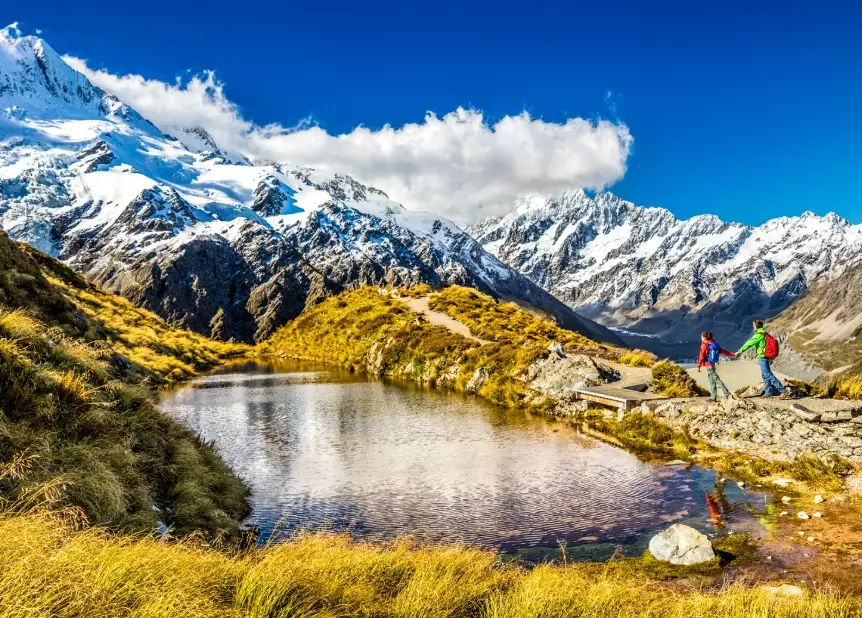
Renting a car or campervan is the best way to explore. Roads are well-signposted, and traffic outside the main cities is light. Just remember: they drive on the left. Allow more time than Google Maps suggests—the roads are winding, and you'll want to stop constantly for photos.
For those not driving, the bus network (InterCity, GreatSights) is reliable and covers most tourist routes. There are also scenic train journeys like the TranzAlpine from Christchurch to Greymouth, which is all about the journey through the Southern Alps.
Reason 8: Incredibly Safe and Friendly
You can relax here. Violent crime against tourists is exceedingly rare. It's the kind of place where people leave their doors unlocked in small towns. You can hike alone on well-traveled trails without a second thought (still, always tell someone your plans).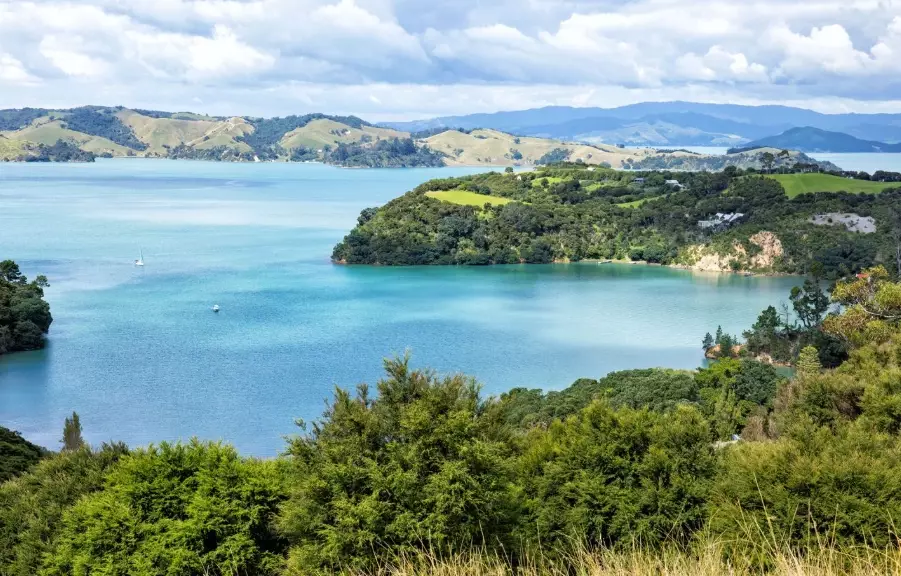
Kiwis are famously laid-back and helpful. Need directions? Someone will not only tell you but might offer to walk you there. This genuine friendliness makes solo travel, in particular, a real pleasure. English is the primary language, so communication is easy, though learning a few Māori greetings like "Kia ora" (hello) is appreciated.
Reason 9: A Filmmaker's Dream Backdrop (Beyond Middle-earth)
Yes, you can visit Hobbiton. The movie set near Matamata is a meticulously maintained tourist attraction (tours run daily, booking essential, ~NZD $89). It's fun, even if you're not a superfan. But the cinematic landscape is everywhere.
Drive through the rolling hills of the Waikato or the stark, golden tussock lands of the Mackenzie Country, and you'll recognize vistas from dozens of films, from The Chronicles of Narnia to The Power of the Dog. The tourism boards have capitalized on this brilliantly, with many locations well-signposted. It adds a layer of recognition to an already stunning landscape.
Reason 10: A Leader in Sustainable Tourism and Conservation
New Zealanders have a deep-seated connection to their environment, encapsulated in the Māori concept of kaitiakitanga (guardianship). This isn't just marketing. You see it in the massive predator-free island sanctuaries, the extensive DOC hut and track system funded by user fees, and the widespread use of renewable energy.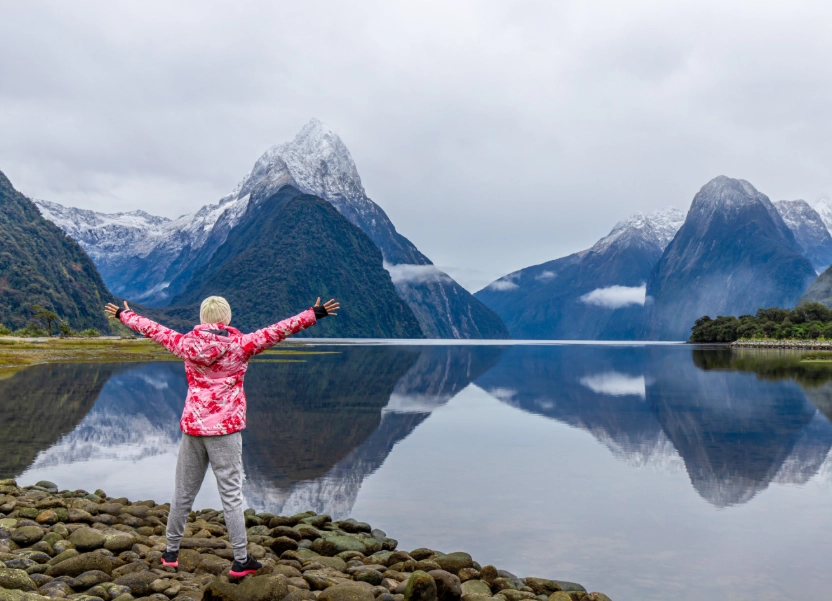
As a visitor, you're encouraged to follow the Tiaki Promise—a commitment to care for the land, sea, and culture. This means staying on marked tracks to prevent erosion (a real problem with their fragile ecosystems), cleaning your gear to stop the spread of invasive species like didymo, and respecting all cultural sites. Traveling here feels responsible because the framework supports it.
Practical Info for Planning Your New Zealand Trip
Let's get down to brass tacks. When to go? The summer (Dec-Feb) has the most reliable weather but the biggest crowds. The shoulder seasons (Mar-May and Sep-Nov) are perfect—fewer people, milder temperatures, and often cheaper flights and accommodation. Winter (Jun-Aug) is fantastic for skiing in the South Island.
Budgeting: New Zealand is not a budget destination, but it's not exorbitant either. A mid-range traveler should budget NZD $150-$250 per person per day, covering a rental car, budget-to-mid-range motels or holiday parks (like Top 10 or Kiwi Holiday Parks), self-catering for some meals, and a few paid activities.
A classic 2-week itinerary framework:
- Option A (South Island Focus): Christchurch → Arthur's Pass → West Coast Glaciers → Wanaka → Queenstown → Te Anau & Milford Sound → Mount Cook → Lake Tekapo → Christchurch.
- Option B (Both Islands): Auckland → Bay of Islands → Auckland → Rotorua → Taupō → Wellington (ferry) → Marlborough → Kaikōura → Christchurch. This is fast-paced but doable.
Your New Zealand Travel Questions Answered
I only have 10 days, can I see both islands properly?
Honestly, you'll have a much better trip if you pick one island. Trying to do both in 10 days means you'll spend most of your time driving or flying between highlights, with no time to soak anything in. If you love mountains, glaciers, and dramatic scenery, choose the South Island. If you're more into culture, geothermal wonders, and subtropical vibes, focus on the North Island. Depth over breadth every time.
What's the biggest mistake first-time visitors make when planning their New Zealand itinerary?
Underestimating driving times and overpacking their schedule. The roads are winding and slow. A 200km drive can easily take 3.5 hours. People see the short distances on a map and think they can zip from Queenstown to Milford Sound and back in a day—it's possible, but you'll be exhausted and spend 8+ hours in the car. Instead, base yourself in Te Anau for a night or two to break up the journey and explore the less crowded parts of Fiordland National Park.
Is it worth renting a campervan for the whole trip?
It can be a fantastic, freeing way to travel, but it's not for everyone. It's perfect for flexible travelers who love the outdoors and don't mind using shared facilities at holiday parks. The downsides? They are slower and more expensive to drive than a car, require careful planning for overnight parking (freedom camping has strict rules—you cannot just park anywhere), and can feel cramped in bad weather. For a first trip, many find a rental car and a mix of motels/Airbnbs/holiday park cabins offers more comfort and flexibility.
How can I experience New Zealand's nature without doing huge multi-day hikes?
Absolutely. The country is full of spectacular short walks and day hikes. The DOC website has a filter for "short walks" (under 3 hours). Some of the best scenery is accessible this way: the Hooker Valley Track (Aoraki), the Rob Roy Track (Wanaka), the Hokitika Gorge Walk (West Coast), and the Cathedral Cove walk (Coromandel). Pair these with scenic drives, kayak rentals on lakes like Wanaka or Pukaki, and the many well-designed visitor centers in national parks.
What should I know about the weather to avoid disappointment?
The weather is changeable, especially in the South Island and mountainous areas. "Four seasons in one day" is a cliché because it's true. The west coast (e.g., Franz Josef, Milford Sound) is notoriously wet. The key is layers. Always carry a waterproof jacket, even if the sky is blue when you start. Have a flexible plan—if the forecast for Milford Sound is heavy rain and low clouds, consider postponing a day or doing a different activity. The rain creates hundreds of temporary waterfalls, which is its own kind of magic, but visibility for scenic flights will be zero.
Comments
Join the discussion