Let's cut to the chase. The idea of a single "worst" time to visit New Zealand is a bit misleading. It's not like the country shuts down for a season. But for the classic traveler dreaming of road trips, hiking, and sunny vistas, certain periods can turn that dream into a soggy, expensive, or frustrating experience. Based on over a decade of guiding trips and living here, the times you need to be most cautious about are the deep winter months (especially July) and the peak of summer (late December to mid-January). Here's why, and more importantly, what to do if your dates are locked in.
Your Quick Travel Guide
Why These Times Are Considered the Worst for Most Travelers
It boils down to three things colliding: miserable weather, wallet-busting prices, and everyone else having the same idea as you. One is manageable. Two is tough. All three? That's the recipe for a trip you might regret.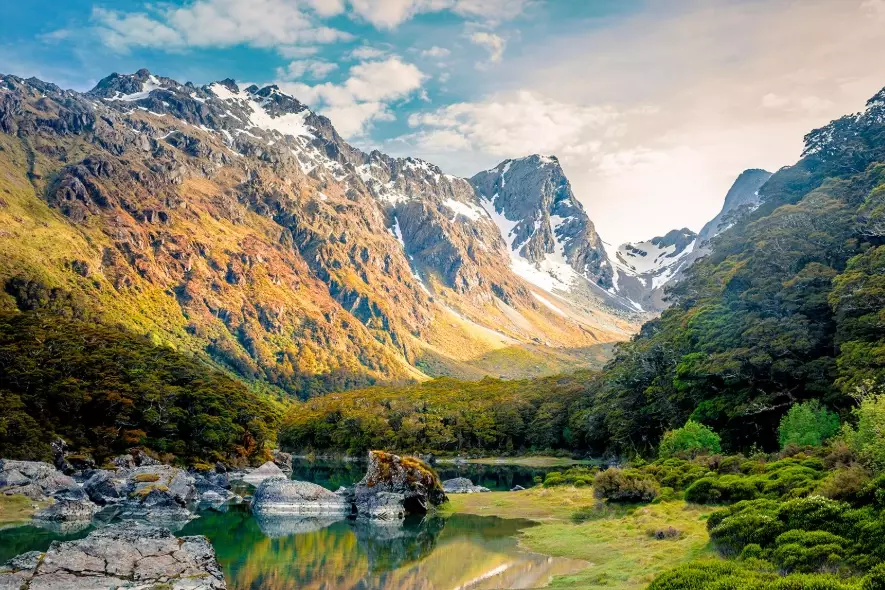
The Weather & Safety Wildcard
New Zealand's weather is no joke. In winter (June-August), especially in the South Island, it's not just about being cold. It's about road safety. Black ice on alpine passes like the Crown Range or Lewis Pass is common. I've seen too many rental cars (and their terrified drivers) stranded on the side of the road after a surprise snow flurry. The NZ Transport Agency's Journey Planner becomes your best friend, but chains are a non-negotiable extra cost and hassle.
In the west coast regions like Glacier Country and Fiordland, winter brings relentless rain. The famous Milford Sound gets about 7 meters of rain annually, and a good chunk falls in winter. You might book a scenic cruise and see nothing but a wall of grey mist. It's atmospheric, sure, but not what you paid for.
The Price Tag Shock
Peak domestic travel times—namely the July school holidays and the Christmas/New Year period—send prices into orbit. We're not talking 10-20% more. I've watched accommodation in Queenstown or Wanaka double, even triple, for a standard hotel room. Car rentals become scarce and expensive. And you're competing with every Kiwi family on holiday for restaurant tables and activity slots.
There's a hidden cost in winter too: heating. Many older holiday homes and budget accommodations have poor insulation and inefficient heaters, leading to surprisingly high power bills or a chilly stay.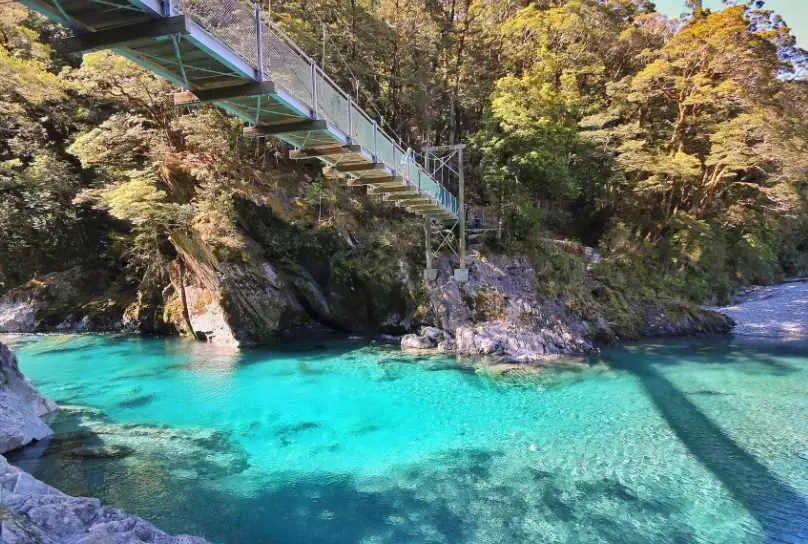
Experience Erosion & The Crowd Factor
This is the subtle one. In peak times, the magic erodes. That serene lakeside view now has a queue for the photo spot. The charming boutique cafe has a 45-minute wait. The guided walk you wanted is fully booked for two weeks. The stress of navigating crowded parking lots and congested single-lane roads (like the road to Milford Sound) can wear you down.
In winter, the experience limitation is different. Many great hiking tracks (like the Tongariro Alpine Crossing) require a higher level of fitness, preparation, and often a guide due to ice and snow. Some activities, like swimming with dolphins in Kaikōura or certain kayaking tours, simply don't operate, or the conditions make them far less enjoyable.
The Worst Months to Visit New Zealand: A Month-by-Month Breakdown
Let's get specific. This table breaks down the most challenging periods. Remember, "worst" is subjective. A ski enthusiast will have a completely different view of July!
| Month(s) | Primary Challenge | Secondary Challenge | Who Might Still Enjoy It? |
|---|---|---|---|
| July | Peak winter cold & snow. Highest likelihood of road closures/disruptions in the South Island Alps. Short days. | Coincides with NZ school holidays (mid-July), spiking prices and crowds in ski towns. | Skiers & snowboarders heading to Queenstown, Wanaka, or Mt. Hutt. Travelers focused on North Island cities and geothermal wonders. |
| June & August | Winter weather persists. Unpredictable storms, especially in August as winter transitions. | Many outdoor activities (e.g., Great Walks) are in off-season mode with reduced services. | Travelers seeking solitude and dramatic, moody landscapes. Those with flexible plans who can wait out bad weather. |
| Late Dec - Mid Jan | Peak summer crowds. Every major tourist spot is at maximum capacity. Traffic on key routes. | Peak prices for flights, accommodation, and rental vehicles. Need to book everything months in advance. | Travelers who thrive on energy and don't mind crowds. Families locked into school holiday schedules. |
A personal anecdote: I once tried to do a last-minute trip to Abel Tasman National Park in early January. Every campsite, hut, and water taxi was sold out for weeks. Every nearby motel was quoting over $300 per night. We ended up changing regions entirely. That's the reality of a Kiwi summer peak.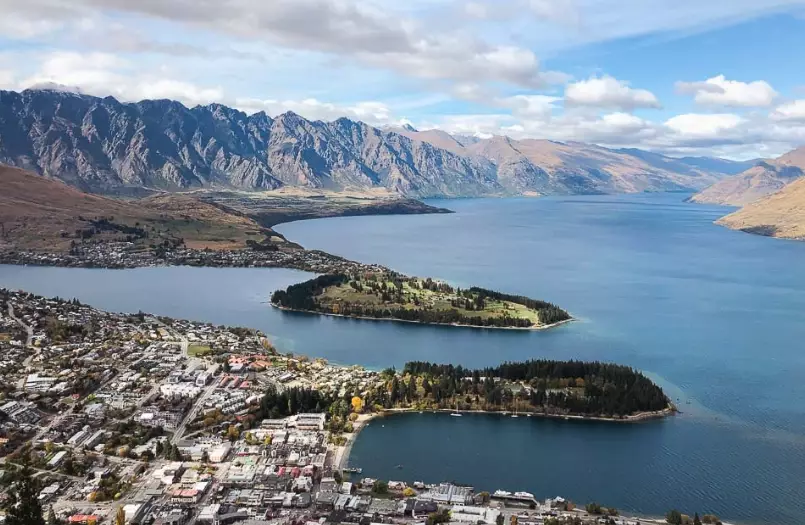
What If You Have to Travel During the Worst Time?
Maybe you've got a conference, a wedding, or your annual leave is set in stone. Don't panic. You can salvage—and even enjoy—your trip with a strategic pivot.
Embrace a Different Focus
If it's Winter: Go all-in on winter. Book a ski package. Spend time in the alpine villages. Focus on indoor or weather-proof experiences: museum hopping in Wellington (Te Papa is world-class), wine tasting in Hawke's Bay or Marlborough, soaking in the Rotorua geothermal hot pools. Shift your South Island itinerary to focus more on the northern parts (Nelson, Marlborough, Kaikōura) which are often drier and milder than the deep south.
If it's Peak Summer: Get off the beaten track. Instead of Queenstown, try the smaller lakeside town of Te Anau as a base for Fiordland. Instead of the crowded Waitomo glowworm caves, look into the less-commercialized ones at Waipu or Te Anau. Explore the Catlins coast in the far south or the Coromandel Peninsula's eastern side (but not Hot Water Beach at midday!). Book a multi-day guided walk where group sizes are controlled.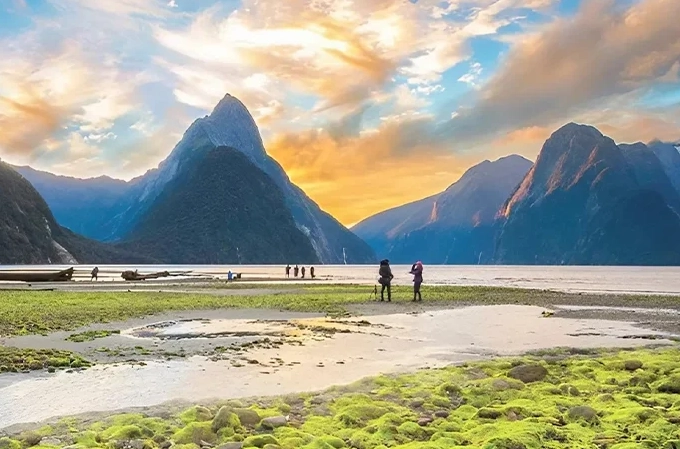
Pro Booking Tip: For peak periods, book your accommodation and rental car at least 6 months in advance. For key activities (Milford Sound cruise, Tongariro Crossing shuttle, popular restaurants), book as soon as your dates are firm, ideally 3-4 months out. Use refundable rates where possible.
Master the Logistics
In winter, your rental car agreement is critical. Ensure it allows for snow driving (most do) and understand your chain obligations. Pack a serious waterproof jacket, thermals, and sturdy boots. In peak summer, plan to visit iconic sites (like Lake Tekapo's Church of the Good Shepherd) very early in the morning or later in the evening to avoid the tour bus hordes. Embrace picnic lunches to avoid crowded cafes.
The Hidden Gem: Shoulder Seasons Are Your Best Bet
Here's the non-consensus opinion most generic travel blogs miss: the absolute best times for the classic New Zealand experience are the shoulder seasons. I'm talking April-May and September-October.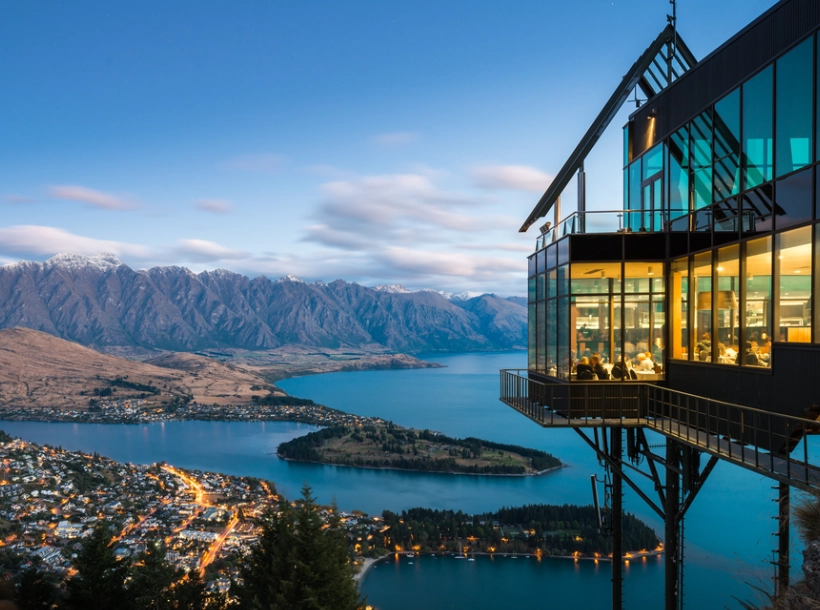
The weather is often still stable—you can get gorgeous, crisp sunny days in autumn and fresh, blooming days in spring. The crowds from the peak seasons have dissipated. Prices drop back to reasonable levels. The landscapes are stunning: autumn colors in Arrowtown or Hawke's Bay are unforgettable, and spring brings newborn lambs and blooming lupins.
You get the accessibility of summer (most tracks and roads are open) without the chaos. It's the secret season that locals try to keep for themselves. Flights are cheaper. You can actually get a table at that famous restaurant. This is when New Zealand feels most like its postcard-perfect self, without the stress.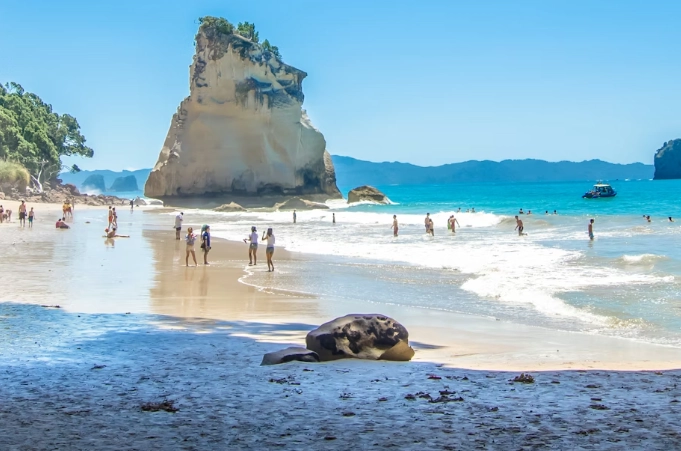
FAQ: Your New Zealand Travel Timing Questions Answered
Not a waste at all, but you need a mindset shift. Frame it as a "Winter New Zealand" trip. Focus on the North Island, where temperatures are milder. Wellington, Auckland, and the geothermal region around Rotorua and Taupō are all viable. If you want the South Island, base yourself in Christchurch or Dunedin and do day trips, avoiding the highest alpine passes. Embrace cosy pubs, hot pools, museums, and wine tours. Just pack for cold, wet weather and be flexible with your driving plans.
It is the perfect summer holiday—for New Zealanders. From December 20th to about January 10th, the entire country is on holiday. This means every campsite, holiday park, and bach (beach house) is full. Major roads are busy. If you don't mind the buzz and have booked everything a year in advance, you'll have a great, festive time. But if you're expecting a peaceful, secluded summer getaway or are trying to plan last-minute, you'll face extreme prices, sold-out signs, and constant crowds. It's the logistical peak of difficulty.
Late winter into early spring (August-September) can be notoriously fickle. You can get four seasons in one day—sun, hail, wind, and rain. This is when polar blasts can still come up from the south, causing snow at low levels and major road issues. While July is consistently cold, this transition period can be more disruptive for travel plans because the weather is less stable. Always check the MetService severe weather warnings during this time.
Shoulder seasons are broadly April-May (autumn) and September-October (spring). Almost everything is open. The only exceptions might be some very seasonal attractions, like certain water-based tours in the far south that might start or end their seasons in these months (always check directly). Some minor hospitality venues in tiny towns might take a short break between seasons. The huge advantage is that the major attractions, tracks, and tours are all operating, but with 50-70% fewer people. It's the sweet spot.
They think in terms of "good" and "bad" months. A better way is to think in terms of "weather windows" and "activity match." Ask yourself: What do I really want to do? If it's hike the Routeburn Track, then December-April is your window, with February-March being ideal. If it's ski, then June-September is your window, with July-August being best. If it's a relaxed road trip with a bit of everything, then shoulder seasons win. Match the time to the experience, not the other way around. Picking a month first and then trying to force activities into it is where disappointment creeps in.

Comments
Join the discussion