So you're planning a trip to New Zealand. That's fantastic. But now you're staring at your screen, asking the million-dollar question: when is the best time to visit New Zealand? Let's cut through the generic advice. There's no single perfect month that works for everyone. The "best" time depends entirely on what you want to do, your tolerance for crowds, and your budget. I've spent years traveling back and forth, and I can tell you that picking the right season can transform your trip from good to unforgettable.
New Zealand's weather is famously fickle, but its seasons are distinct. Summer means hiking and beaches, autumn brings stunning colors and calm, winter is for snow sports, and spring bursts with new life. But there's more to it than just weather charts.
Your Quick Guide to NZ Seasons
Summer in New Zealand (December - February): Peak Season Vibes
This is it. The postcard season. Long, sunny days, temperatures averaging a pleasant 20-25°C (68-77°F) in most places, and everything is open and buzzing. It's the classic best time to visit New Zealand for reliable weather and outdoor adventures.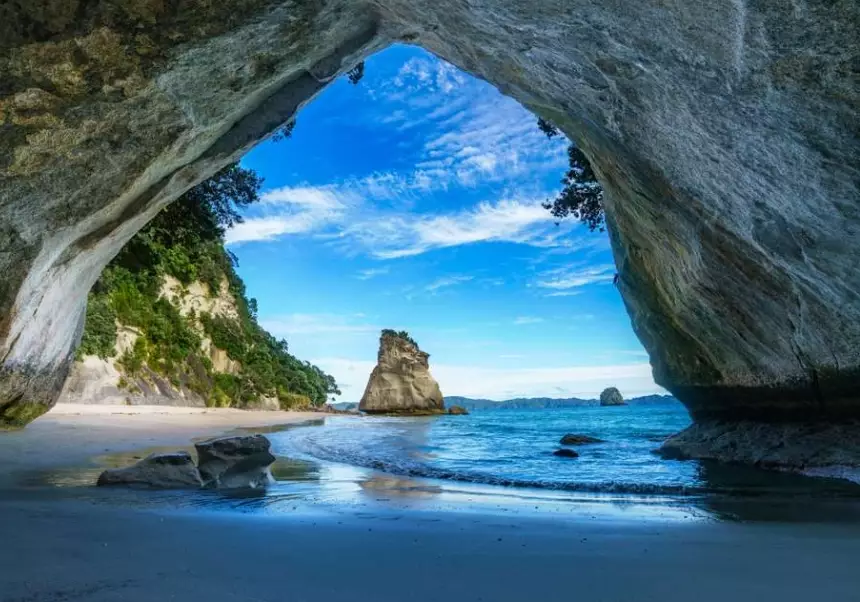
You can hike the Great Walks (book huts well in advance), swim at beaches like Abel Tasman's golden sands, and enjoy festivals. But here's the catch everyone glosses over: it's busy. And I don't just mean a few extra people. We're talking fully booked rental cars, accommodation prices at their annual peak, and popular trails feeling more like a procession. The period from late December to late January is when most Kiwis are on holiday, so domestic travel spikes too.
What's Great: Milford Sound looks its absolute best under the sun (though it rains there 180 days a year, so no guarantees). A Milford Sound cruise from Real Journeys or Southern Discoveries costs around NZD $80-$120. The days are long, perfect for a South Island road trip where you can drive until 9 PM. Beach life in the North Island, like the Coromandel or Bay of Islands, is in full swing.
The Downside: Cost. Accommodation is ruthless. A standard motel room in Queenstown can easily hit NZD $250+ per night. Freedom camping restrictions are strict, so don't wing it. You need to book everything—flights, inter-island ferries, top-tier hikes—months ahead.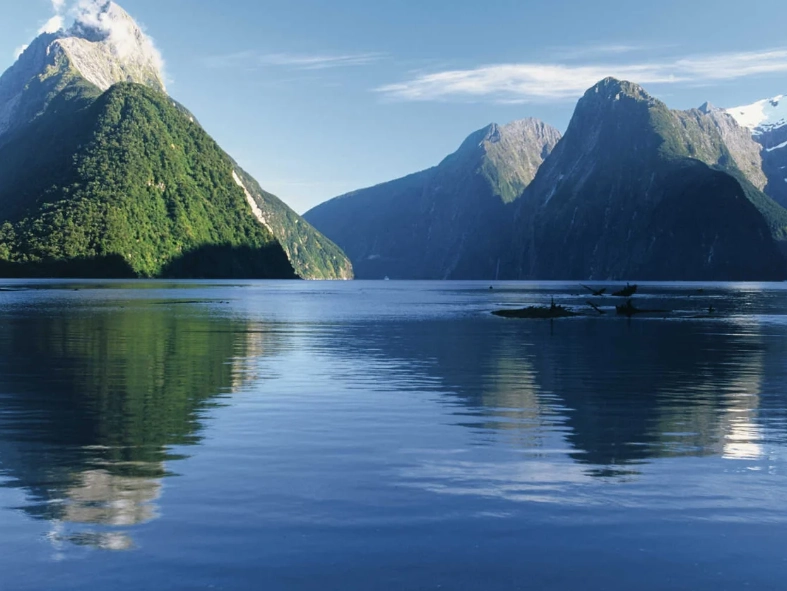
Autumn in New Zealand (March - May): The Local's Secret
Ask me for my personal pick for the best time to travel to NZ, and I'll point you to autumn. March through May is magical. The weather is still mild, especially in the North Island and northern South Island. The summer crowds have vanished, but most facilities are still open. The light is softer, and the landscapes? They put on a show.
Central Otago around Arrowtown and the Wanaka region turns into a mosaic of gold, orange, and red. It's breathtaking. The air is crisp in the mornings, perfect for hiking without sweating through your shirt. This is the ideal season for wine lovers too—Hawke's Bay and Marlborough are harvesting, and vineyard restaurants are buzzing.
You start to see more space. You can book a tour of the Hobbiton Movie Set near Matamata with a bit more flexibility. Hotel prices begin their descent from the summer peak. It's a sweet spot that balances good conditions with manageable tourism pressure.
Why Autumn Wins for Photographers and Hikers
The stable, clear days are perfect for photography. You get those iconic mirror-lake shots at Lake Matheson without the dawn tourist rush. Hiking trails like the Hooker Valley Track in Aoraki/Mount Cook National Park are peaceful. You might even get a DOC hut to yourself on some of the lesser-known Great Walks, like the Lake Waikaremoana Track.
The water is still warm enough for a brave swim until late April. But pack layers—evenings can get chilly fast.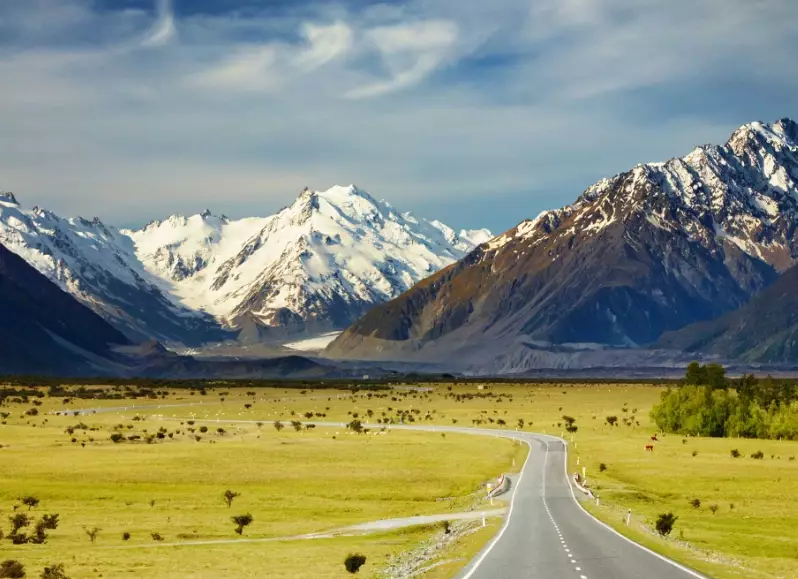
Winter in New Zealand (June - August): For the Snow Chasers
Winter transforms the South Island into a wonderland and the North Island into a moody, dramatic landscape. If skiing or snowboarding is your goal, then July and August are unequivocally the best months to visit New Zealand.
Queenstown, Wanaka, and Methven become hubs for the ski fields. The Remarkables, Coronet Peak, Treble Cone, and Mt. Hutt offer world-class terrain. A day pass will set you back NZD $130-$160. You can find package deals for lift passes and accommodation if you book early.
But winter travel here isn't just about the slopes. It's the time for seeing the Southern Lights (Aurora Australis) in the deep south around Stewart Island or Invercargill. It's for soaking in the geothermal hot pools in Rotorua while steam rises into the cold air. The Franz Josef and Fox Glaciers look more dramatic against a grey sky.
It's the low season for general tourism, so you'll find great deals on flights and non-ski town accommodation. Just be prepared for some attractions, especially in smaller towns, to have reduced hours or be closed for maintenance.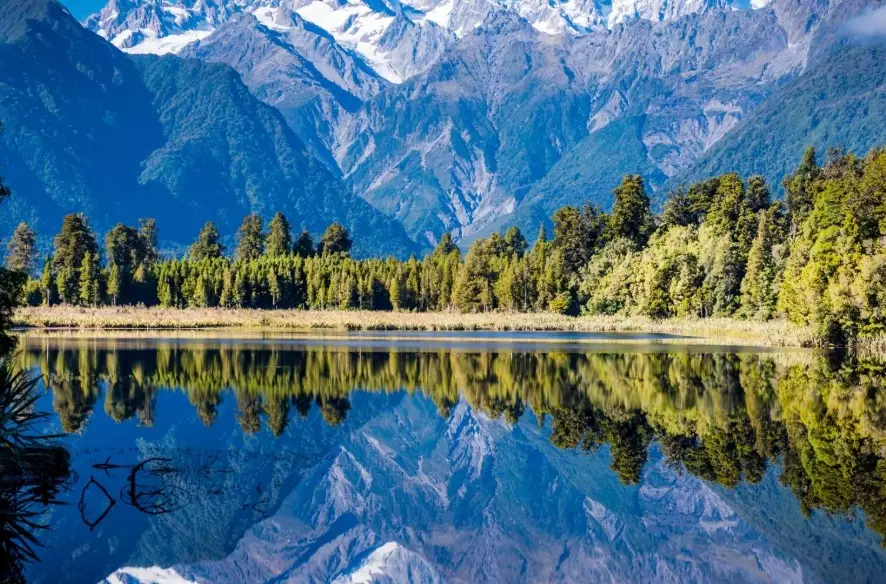
Spring in New Zealand (September - November): New Beginnings
Spring is a season of renewal and, frankly, unpredictability. You can get glorious sunshine, howling wind, and passing showers all in one afternoon. Temperatures are on the rise, from around 10°C (50°F) in September to a pleasant 15-20°C (59-68°F) by November.
This is the best time to visit New Zealand for seeing newborn lambs dotting the green hills (a classic NZ scene) and stunning displays of lupins along the South Island's lakeshores in November. The gardens are in full bloom—Christchurch's Botanic Gardens are a highlight.
It's a fantastic time for hiking before the summer rush. The alpine flowers are out, and the waterfalls are gushing with snowmelt. However, the weather in the mountains is still volatile. The Great Walks open from late October, but some high-altitude passes may still have snow.
The tourism season is ramping up. Prices start to climb in November, particularly around the long Labour Weekend (late October). It's a shoulder season, so you get a mix of winter calm and summer energy.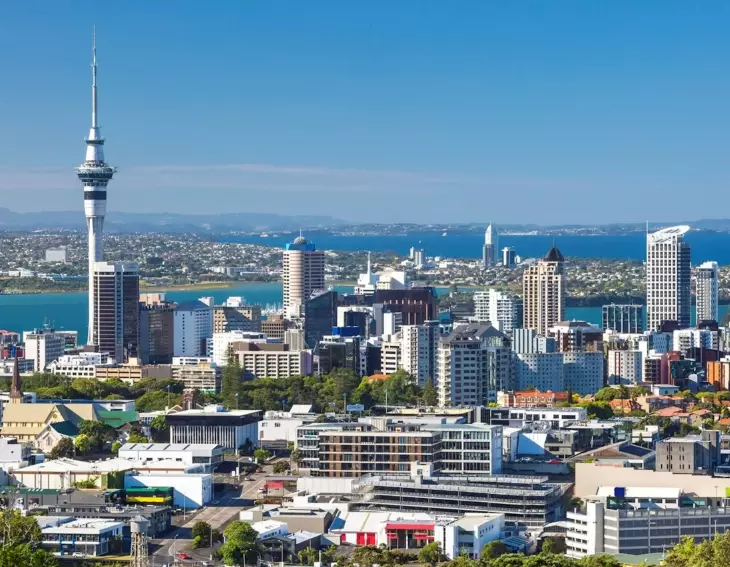
Choosing by Activity: What Do You Want to Do?
Forget the calendar for a second. What's the main event of your trip? Match your activity to the ideal New Zealand travel season.
| Primary Activity | Best Season(s) | Key Considerations & Tips |
|---|---|---|
| Hiking & Trekking (Great Walks) | Late Spring to Early Autumn (Nov - Apr) | The official season for Great Walks is Oct-Apr. For the most popular (Milford, Routeburn), book huts the second they open (usually June). Shoulder months (Nov, Apr) offer fewer people and bugs. |
| Skiing & Snowboarding | Winter (Jun - Aug) | Peak snow conditions are usually July-Aug. June can be hit or miss. Book ski packages early. Consider club fields like Temple Basin for a less crowded, more local experience. |
| Road Tripping & Scenic Drives | Autumn & Summer (Mar-May, Dec-Feb) | Summer has the longest days. Autumn has the best colors and less traffic. In winter, always check road conditions and carry chains in alpine regions. |
| Wildlife Watching | Spring & Summer (Oct-Mar) | Best time for whale watching in Kaikōura (sperm whales year-round). Penguins are more active on shore. Albatross colonies in Dunedin (Otago Peninsula) are bustling. |
| Wine Tasting & Food Tours | Autumn & Summer (Mar-Apr, Feb) | Autumn is harvest season ("March Madness" in Marlborough). Many wineries have restaurants open in summer. Check regional food and wine festival dates. |
| Beach & Water Activities | Summer (Dec - Mar) | North Island beaches (Bay of Islands, Coromandel) are warmest. South Island waters are always brisk! Sea kayaking in Abel Tasman is best in summer. |
North vs. South Island: A Regional Weather Guide
New Zealand's climate isn't uniform. The North Island is generally warmer and subtler. The South Island is cooler, drier in the east (Christchurch), and wetter on the west coast. The mountains create their own weather systems.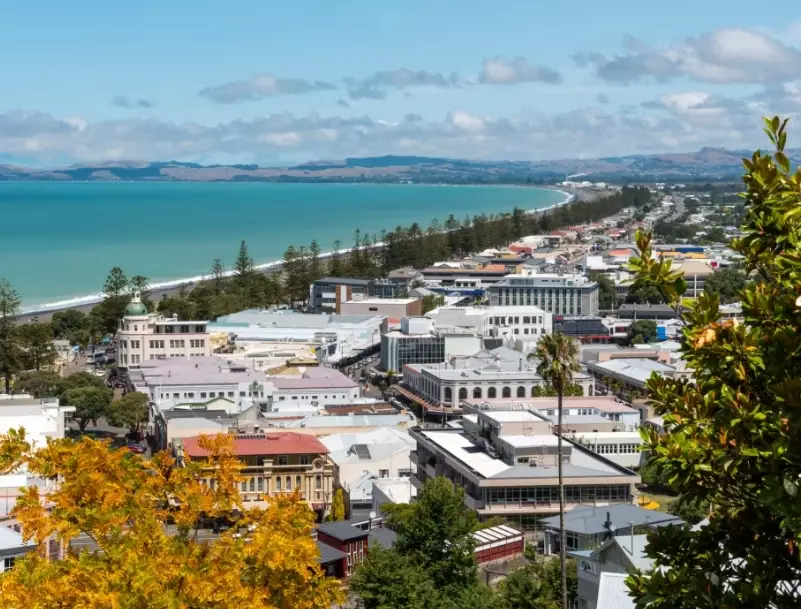
A common mistake is assuming both islands have the same conditions on the same date. In early December, you could be swimming in Northland while there's still spring snow on the South Island's alpine passes.
For a classic two-week trip covering both islands, late spring (November) or early autumn (March/April) often works best. You avoid the peak summer extremes in both cost and crowds, while still getting generally cooperative weather for hiking in Fiordland and beach time in the north.
If you're short on time and focusing on one island:
- South Island Focus: Go in autumn (Mar-May) for stunning colors, good hiking weather, and fewer people. Or winter (Jun-Aug) for snow sports.
- North Island Focus: Summer (Dec-Feb) is ideal for beach hopping and coastal walks. But late spring (Nov) or autumn (Apr) are also lovely, with warmer sea temps lingering into autumn.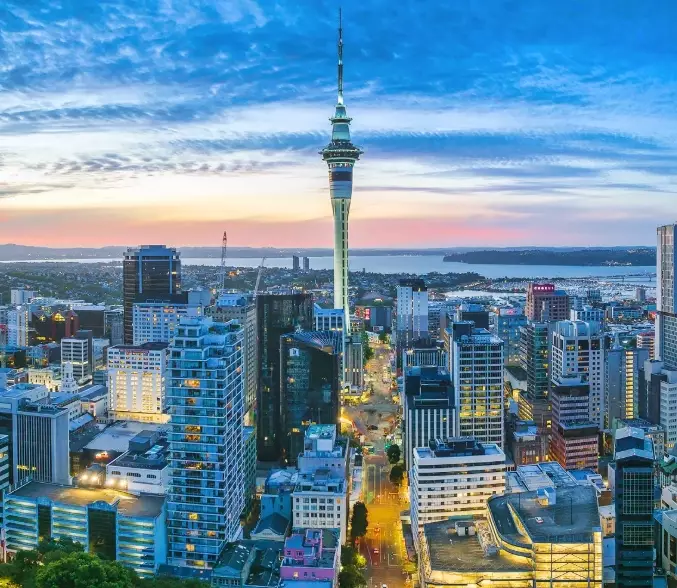
Your NZ Travel Timing Questions Answered
Is it better to visit New Zealand in shoulder season (spring/autumn) to save money?
Absolutely, but with nuance. You'll save significantly on flights and accommodation compared to peak summer (Dec-Jan). However, "shoulder season" is a broad term. Late November and April are still quite popular, so prices aren't rock-bottom. For the deepest discounts and most solitude, target the edges: May or late October. Just know some tourist-oriented shops or tour operators in smaller towns might have reduced hours or be closed.
What's the worst month for weather to avoid when planning a New Zealand trip?
I'd be cautious about July if you're not going for snow. It's the heart of winter—short days, cold temperatures, and higher chances of disruptive weather, especially in the South Island. That said, I've had brilliant sunny winter weeks too. A trickier month is actually November. It's famously windy and changeable. You get the beauty of spring, but the weather can feel like it's throwing a tantrum—four seasons in one day is a real thing here.
We want to hike but hate crowds. When is the best time to visit New Zealand's national parks?
Aim for April or November. April gives you autumn colors and stable air after the summer heat. November brings spring flowers and rushing waterfalls. Both are outside the main Great Walks lottery season. For specific parks: Visit Fiordland (Milford Sound area) in April—the sandflies are less ferocious, and the chance of a clear day is surprisingly decent. For Tongariro Alpine Crossing, target a weekday in late February or March after the summer rush but before the alpine cold sets in.
How far in advance should I book for a summer trip?
This is where people get burned. For a summer trip (Dec-Feb), you should be locking in your core itinerary 6-9 months ahead. I'm serious. That means:
- Flights and internal travel (ferries, significant domestic flights): 6-9 months.
- Rental car or campervan: At least 6 months, especially for automatic transmission vehicles.
- Accommodation in hotspots (Queenstown, Wanaka, Franz Josef, Abel Tasman area): 6 months.
- Huts on popular Great Walks (Milford, Routeburn): The booking system opens in June for the following season; they sell out in minutes for peak dates.
Leaving it to 3 months out means you'll be piecing together a patchwork of expensive, less-convenient options.
Is Christmas/New Year a good time to visit, or should it be avoided?
It's a double-edged sword. The atmosphere is fantastic—long, festive days, lots of events. But it's the absolute peak of the peak season. Everything is booked solid, prices are at their highest, and the roads (especially in the South Island) are busy. Many local services (like supermarkets) have reduced hours on public holidays (Dec 25, 26, Jan 1, 2). My advice? Only travel then if you thrive on energy and don't mind planning every detail a year in advance. Otherwise, shift your trip by just a few weeks to February for a much smoother experience.
So, what's the final verdict on the best time to travel to NZ? It's a personal equation. For guaranteed sunshine and full access, brave the summer crowds. For a balance of beauty, value, and peace, choose autumn. For snow sports, winter is non-negotiable. And for new life and adventure before the rush, give spring a go.
Look at what you really want from the trip, be honest about your budget and crowd tolerance, and pick your season. Then book key items early. New Zealand is stunning year-round—you just need to pack for the right adventure.



Comments
Join the discussion