You're dreaming of Fiji's turquoise water and palm-fringed beaches. Then you check a resort's website and see prices that make your eyes water. Is Fiji expensive? The short answer is: it can be, but it doesn't have to be. The cost of a trip to Fiji isn't a single number. It's a sliding scale that depends almost entirely on your choices. I've visited Fiji multiple times, from backpacking on a shoestring to splurging on a private island anniversary. The biggest mistake tourists make is assuming all of Fiji is priced like the postcard-perfect overwater bungalows. Let's break down the real numbers.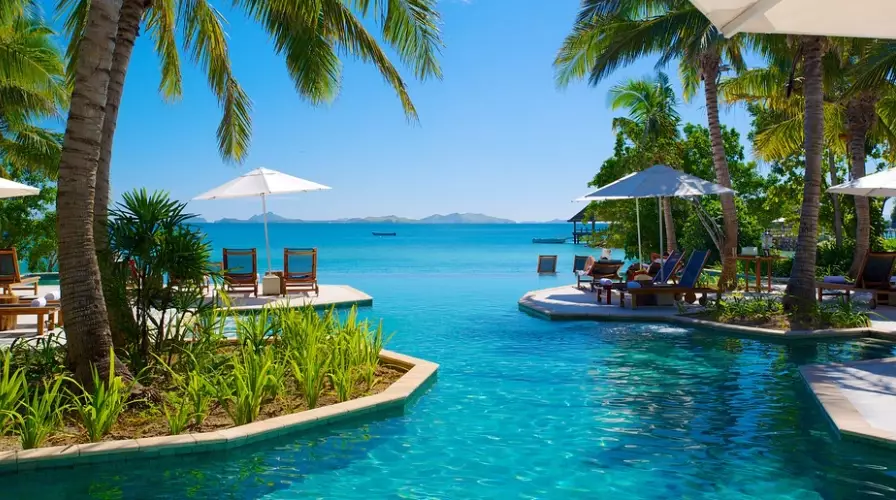
Your Quick Guide to Fiji Costs
How Much Does a Trip to Fiji Actually Cost?
Forget the one-size-fits-all budget. Your daily spend in Fiji swings wildly based on your travel style. Here’s a realistic breakdown per person, per day (excluding international flights).
| Travel Style | Accommodation | Food & Drink | Activities & Transport | Estimated Total (FJD/USD) |
|---|---|---|---|---|
| Budget Backpacker Hostels, local buses, self-catering |
FJD 40-70 | FJD 25-40 | FJD 20-40 | FJD 85-150 (~$38-$67 USD) |
| Mid-Range Traveler 3-4 star hotels/resorts, mix of dining, organized tours |
FJD 200-400 | FJD 80-150 | FJD 50-100 | FJD 330-650 (~$147-$290 USD) |
| Luxury Resort Guest 5-star resorts, fine dining, private transfers, premium tours |
FJD 600+ | FJD 200+ | FJD 150+ | FJD 950+ (~$425+ USD) |
Notice the gap? A week in Fiji can cost one person $500 or $5,000. The single biggest budget driver is where you sleep and eat. Staying at an all-inclusive resort on the Mamanucas will lock you into their pricey ecosystem. Choosing a guesthouse on the Coral Coast or in Pacific Harbour gives you freedom and access to local prices.
International flights are another major cost. From the US West Coast, expect $1,200-$2,000 return in economy. From Australia and New Zealand, it's often much cheaper, sometimes under $500 return.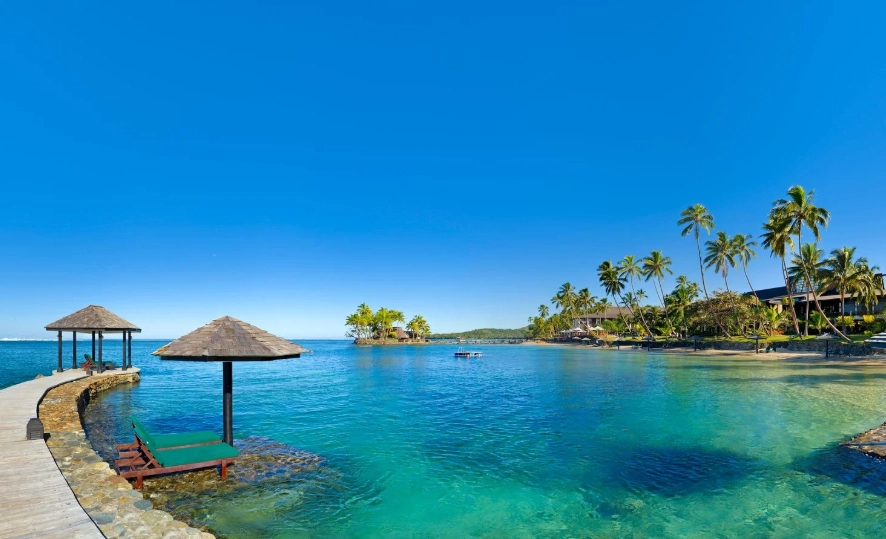
Where Does Your Money Go in Fiji?
Let's get granular. What are you actually paying for?
Accommodation: The Great Divide
This is your budget's command center.
Resorts (Mamanuca & Yasawa Islands): This is the "expensive Fiji" stereotype. A night at places like Six Senses, Kokomo, or Likuliku can easily exceed FJD 1,500 ($670 USD) for a villa. Even more moderate island resorts like Plantation Island or Mana Island start around FJD 300-500 ($135-$225 USD) per night for a room. The kicker? Food and transfers are extra, and you're a captive audience. A beer at the resort bar will be FJD 12-15, a main course FJD 50-80.
I once booked a "great deal" at a Mamanuca resort. The room was fine, but the food bill after three days was a shock. We spent more on meals and drinks than the room itself.
Mainland Hotels & Guesthouses (Viti Levu): Here's where costs normalize. In Nadi or along the Coral Coast, you can find clean, comfortable guesthouses or 3-star hotels for FJD 80-180 ($36-$80 USD) per night. The Airbnb scene is growing, offering entire homes or "bures" (traditional bungalows) for similar prices, often with kitchen facilities.
Hostels: Backpacker hubs like Smugglers Cove in Nadi or Beachhouse on the Coral Coast offer dorm beds from FJD 30-45 ($13-$20 USD) and private rooms from FJD 70. They're social, often have cheap meal deals, and are great for meeting other travelers.
Food & Drink: Eat Like a Local, Pay Like a Local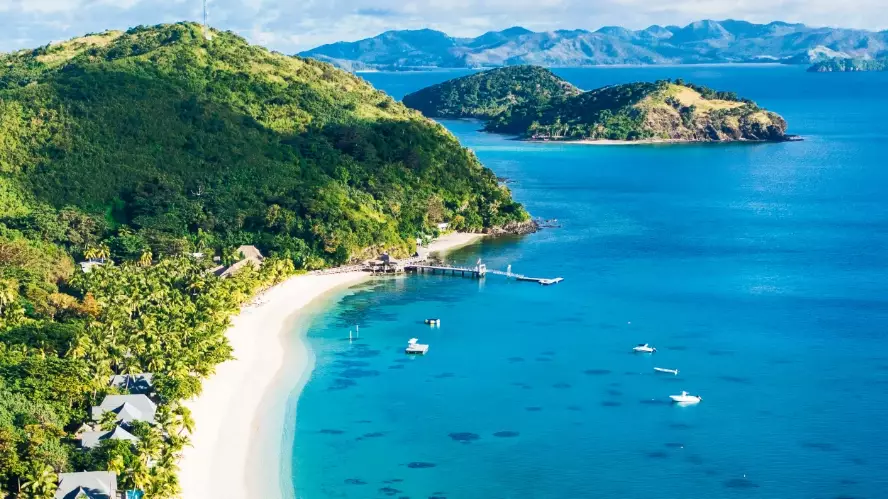
Your dining strategy is crucial.
Local Restaurants & "Cafes": An Indian curry and rice at a simple spot in Nadi Town (like Singh's Curry House) costs FJD 10-15. A massive plate of Kokoda (Fijian ceviche) and fish with cassava at a village-style cafe is FJD 15-20. These meals are delicious, authentic, and won't break the bank.
Resort & Tourist Restaurants: As mentioned, prices jump. A burger and fries: FJD 35-50. A glass of house wine: FJD 15-20. This is where daily costs spiral. If you're at a resort, check if a meal plan is offered and do the math—it can sometimes save money.
Groceries: Supermarkets like RB Patel or NewWorld have prices comparable to Australia or New Zealand for imported goods. Local produce (root vegetables, tomatoes, greens) is cheaper. A loaf of bread is ~FJD 3, local beer (Fiji Bitter, Gold) is FJD 3-4 per bottle in a store, vs. FJD 12+ at a resort.
Activities & Tours: Planning Prevents Overpaying
Activities range from free to fantastic but pricey.
- Free/Cheap: Hiking to waterfalls (like Sabeto or Tavoro), visiting the Garden of the Sleeping Giant (FJD 20), exploring local villages (always ask permission and consider a small sevusevu gift), swimming at Natadola Beach.
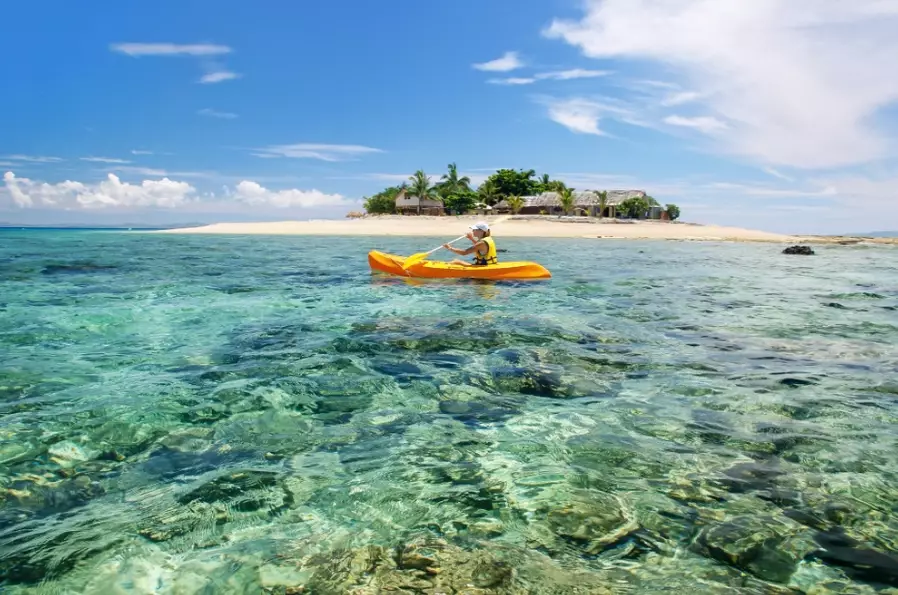
- Mid-Range: A full-day island cruise to the Mamanucas (like with South Sea Cruises) with snorkeling: FJD 150-220 per person. A guided river tubing adventure in Pacific Harbour: FJD 120-180. Scuba diving (two-tank dive): FJD 250-350.
- Premium: Helicopter tours, private catamaran charters, shark diving expeditions. These can run FJD 500-1000+ per person.
Book some tours in advance online for clarity, but also talk to your guesthouse host. They often have direct relationships with local operators and can book the same tour for 10-15% less than the walk-up price at a marina kiosk.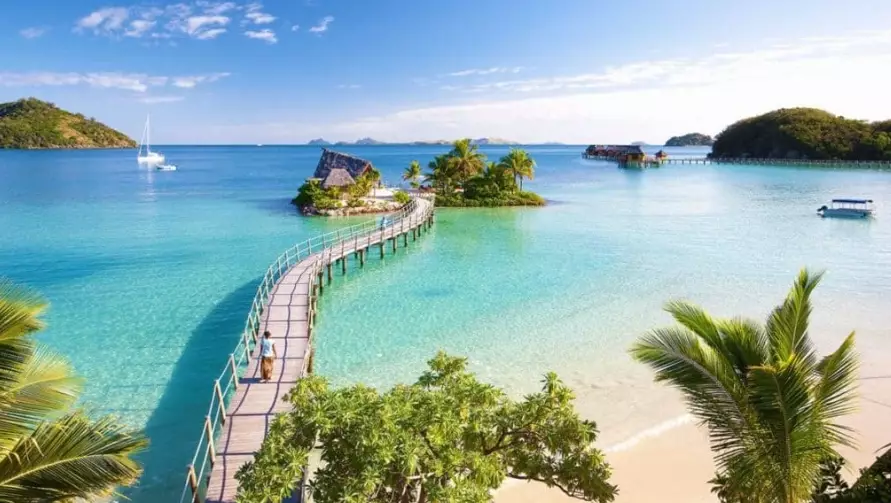
Transport: Ferries vs. Flights vs. Buses
Inter-island: The Yasawa Flyer ferry is the backpacker lifeline. A pass for 5-15 days costs FJD 350-550. This is great value. Domestic flights to island resorts (e.g., with Fiji Airways or Pacific Island Air) are convenient but add FJD 200-400 per leg.
On Viti Levu (Mainland): Local buses are incredibly cheap (FJD 2-5 for a 1-2 hour journey) and an experience in themselves. Taxis are affordable for short trips—always agree on a price before getting in. Car rentals start around FJD 80-120 per day.
How to Save Money on Your Fiji Vacation?
You don't have to stay in a dorm to save. Smart choices make a huge difference.
Mix Your Stay: Do a "split stay." Spend 3-4 nights at a budget-friendly guesthouse on the Coral Coast doing mainland activities (rainforest hikes, cultural tours). Then splurge for 2-3 nights at an island resort for that pristine beach fix. You get both experiences without the full island-resort budget.
Travel Shoulder Season: Avoid peak periods (June-September, Christmas/New Year). February-April and November (excluding Thanksgiving) often have lower accommodation rates and fewer crowds, though it's warmer and rainier.
Eat Off-Property: If you're staying at a resort that allows it (some remote islands don't), walk to the nearest village or take a short boat ride to a neighboring island's restaurant for one meal a day. The savings and cultural exchange are worth it.
BYO (Where Possible): If you have checked luggage, bring a bottle of spirits from the duty-free. Mixers are cheap locally. This can save a fortune on evening drinks. Note: some remote resorts have policies against this, so check first.
Focus on Free Activities: A perfect Fiji day can cost nothing: snorkel off a public beach (bring your own mask), hike, read in a hammock, visit a market, watch a sunset. The pace is part of the appeal.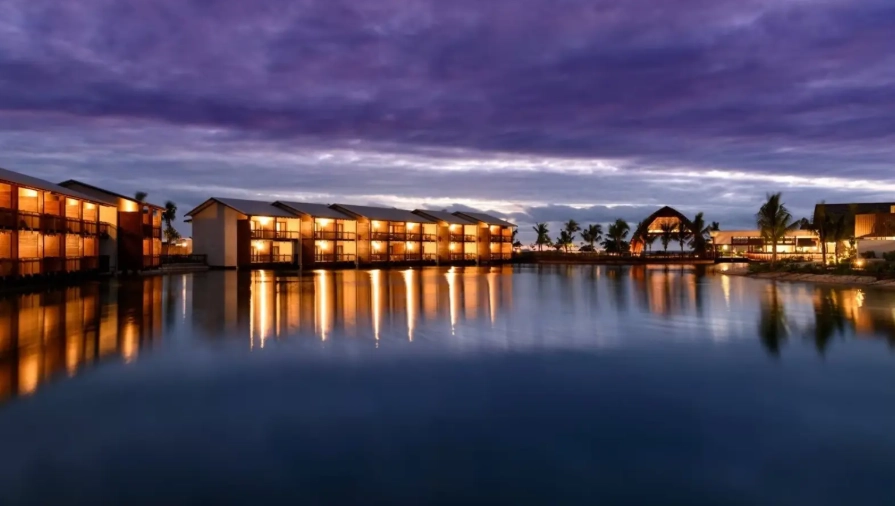
Is Fiji Worth the Money?
This is the real question behind "Is Fiji expensive?".
Fiji isn't a cheap destination like Southeast Asia. Import costs are high, and tourism is a major industry. You're paying for remote island logistics, stunning natural beauty, and a generally high level of service and safety.
The value isn't just in the material things. It's in the "Bula Spirit"—the genuine warmth of the Fijian people. It's in the feeling of being completely disconnected on a tiny island. It's in the vibrant coral reefs right off the beach.
For me, Fiji's value is highest when you engage with it authentically, not just from behind a resort fence. The memories of sharing kava (yaqona) in a village, learning to crack a coconut from a local, or having a market vendor teach you a Fijian phrase—those are priceless and often come with the budget-friendly choices.
Your Fiji Budget Questions Answered
Is food expensive in Fiji compared to the US or Australia?
At supermarkets and local eateries, prices are similar to regional Australia for staples. A liter of milk is FJD 3-4, a loaf of bread FJD 2.5-4. Where it diverges wildly is in tourist spaces. A resort restaurant meal can cost 2-3 times what you'd pay at a nice restaurant in Sydney or Los Angeles. The key is venue.
Are Fiji resorts all-inclusive worth it?
It depends on your drinking and eating habits. If you plan to have multiple cocktails by the pool daily, eat three large meals on-site, and enjoy snacks, an all-inclusive plan can offer peace of mind and potential savings. Calculate the daily food & drink cost if paid separately (often FJD 250+ per person) vs. the plan's surcharge. If you're a light eater or want to explore, a breakfast-only or room-only rate is usually better.
 What's a common hidden cost tourists miss?
Inter-island transfer costs. That "free" boat transfer advertised by a resort might only be for a specific flight. If you arrive at a different time, you could pay FJD 150-300 per person for a private transfer. Always confirm transfer details and costs when booking accommodation. Another is activity add-ons: that day cruise might charge extra for snorkel gear hire or a glass-bottom boat tour.
Can I use credit cards everywhere, or do I need cash?
Resorts, hotels, and larger tour operators take cards. Smaller guesthouses, local buses, taxis, markets, and village shops require Fijian Dollars (FJD). Always carry smaller denomination cash (FJD 5, 10, 20 notes). ATMs are readily available in Nadi, Suva, and larger towns.
Is tipping expected in Fiji?
Tipping is not a traditional part of Fijian culture, but it's appreciated in the tourism industry, especially for exceptional service. It's not mandatory. A small tip (FJD 5-10) for a tour guide at the end of a multi-day trip, or leaving loose change at a restaurant, is a kind gesture. Don't feel pressured to add 15-20% like in the US.


Comments
Join the discussion