The short answer is yes, New Zealand can be expensive. But it's a sliding scale. It's not Switzerland-level pricey, but it's definitely not Southeast Asia. Your experience depends entirely on your travel style. I've visited three times over the past decade, from a shoestring backpacker trip to a more comfortable holiday, and the budget varied wildly each time.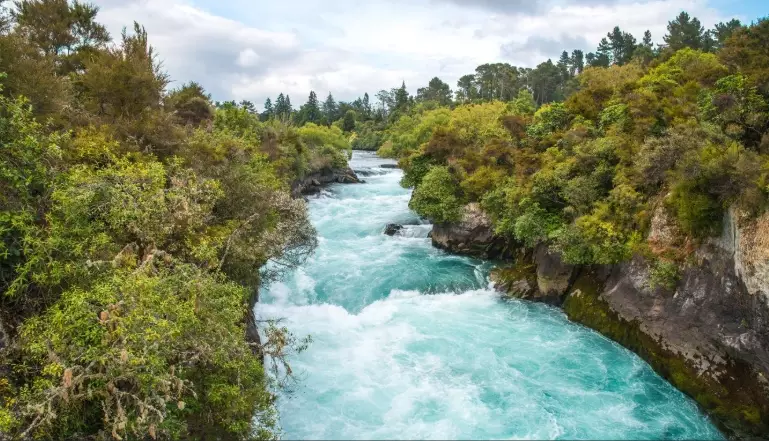
Most generic guides throw out a vague "$100-$200 NZD per day" figure. That's not helpful. You need to know what that money actually gets you. This guide will break down costs with specific examples—real hotels, real meal prices, real activity costs—so you can build a budget that matches your style, not a guess.
What You'll Find Inside
The Real Cost Breakdown: Where Your Money Goes
Let's dissect the main expense categories. I'll use prices from my most recent trip (late 2023) and cross-checked with current listings. Remember, these are in New Zealand Dollars (NZD).
Accommodation: From Bunks to Boutique
This is your biggest variable. Queenstown and Auckland will hurt your wallet more than a small town like Oamaru.
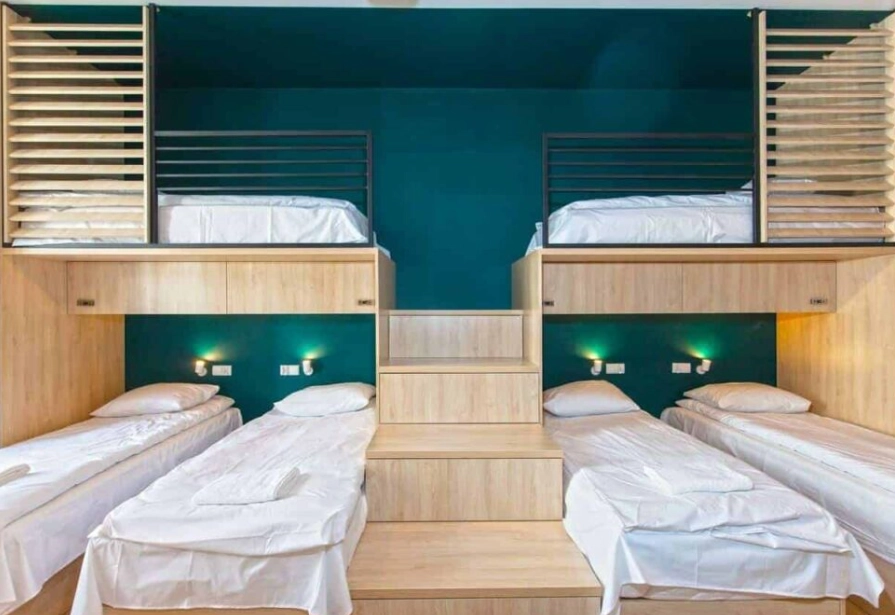
Hostels: A dorm bed in a major tourist center like Queenstown or Auckland will run you $35-$50 NZD per night. The YHA Queenstown Lakefront (88-90 Lake Esplanade) is a classic, often around $48 for a 6-bed dorm. In Wellington, The Marion Hostel (22 Marion Street) is a fantastic modern option for about $42. Book directly on their websites; it's sometimes cheaper than aggregators.
Motels & Holiday Parks: The backbone of Kiwi road trips. A basic, clean motel unit with a kitchenette for two people costs $120-$180 NZD. Ashford Motor Lodge in Christchurch (314 Blenheim Road) is a reliable chain, around $145 for a studio. A powered site for a campervan at a Top 10 Holiday Park is typically $55-$75 for two people.
Hotels & Luxury Lodges: Here's where it jumps. A standard 4-star hotel room in central Auckland (like the Pullman Auckland, 8 Princes Street) starts around $250-$350 NZD per night. The famous luxury lodges? Think $1,500+.
Food & Drink: The Supermarket is Your Friend
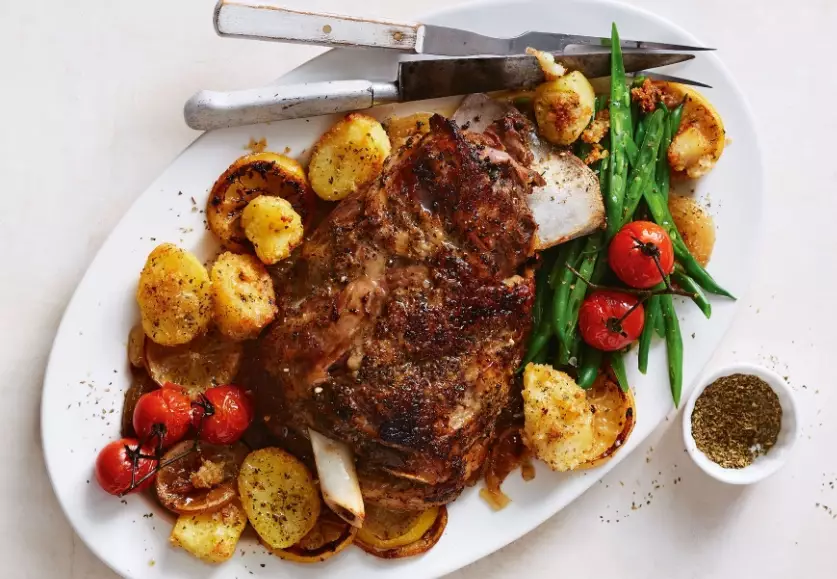
Eating out for every meal is the fastest way to blow your budget. A main course at a casual city pub is $25-$35. A flat white coffee is $5-$6. A pint of local craft beer is $11-$14.
Let's get specific. A burger and fries at Fergburger in Queenstown (42 Shotover Street) is about $19 NZD—it's famous for a reason and worth the queue. A good dinner at a mid-range restaurant like Kingi in Auckland's Commercial Bay will set you back $45-$60 for a main.
The game-changer? New World, Pak'nSave, and Countdown supermarkets. A quality supermarket roast chicken is about $12. Fresh fruit, salad bags, bread, and local cheese are affordable. Cooking even one meal a day in your hostel or motel kitchen saves a fortune.
Transport: The Great Road Trip Equation
Public transport within cities is decent and reasonably priced. But to see New Zealand, you need wheels.
Rental Cars/Campervans: This is a huge cost. A standard economy car (Toyota Corolla) rented from Auckland Airport for a week in peak season can easily be $90-$130 NZD per day. Add insurance (mandatory) and fuel (around $2.60 NZD per litre). Campervan rentals are significantly more, often $150-$300+ per day. Book months in advance.
Fuel: Budget roughly $250-$350 NZD per week for fuel if you're doing a lot of driving (e.g., Auckland to Queenstown).
Intercity Buses (InterCity/GreatSights): A cheaper alternative. A bus from Auckland to Rotorua is about $50 NZD. They have travel passes that can offer value if you're not driving.
Activities & Tours: The "Wow" Factor Costs
This is where New Zealand shines—and where costs can skyrocket. You're paying for world-class experiences.
- Milford Sound Coach & Cruise from Queenstown: $180-$250 NZD.
- Franz Josef Glacier Heli-Hike: $500-$600 NZD.
- SkyJump or SkyWalk at the Auckland Sky Tower: $155 or $95 NZD.
- Te Puia geothermal park in Rotorua (entry): $60 NZD.
- Hobbiton Movie Set Tour: $89 NZD.
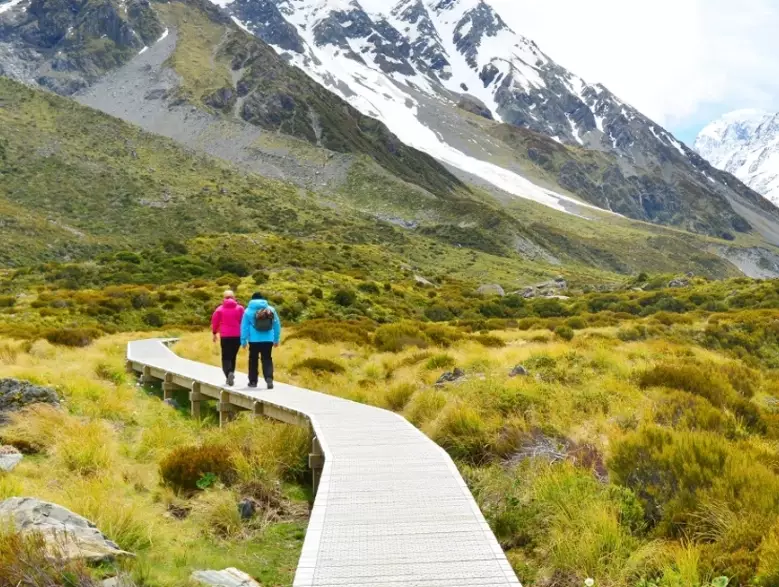
But here's a secret many first-timers miss: some of the best experiences are free or cheap. The Department of Conservation (DOC) maintains thousands of kilometers of stunning hiking trails. A day hike like the Tongariro Alpine Crossing (transport needed, but the track itself is free) is unforgettable. Visiting the national museum, Te Papa, in Wellington is free donation-entry. Scenic drives like the road to Glenorchy are priceless.
My Personal Take: On my first trip, I spent a small fortune on tours. On my last trip, I prioritized one big paid experience (the Milford Sound overnight cruise) and filled the rest of my days with hikes, beaches, and free hot pools. I enjoyed it more. Don't feel pressured to tick every expensive box.
What Does a Daily Budget Actually Look Like?
Forget vague ranges. Here are three concrete daily budget scenarios for a single traveler. These assume you are moving between locations and include transport costs pro-rated per day.
| Budget Style | Accommodation | Food & Drink | Transport (pro-rated) | One Activity | Total Per Day (NZD) |
|---|---|---|---|---|---|
| Tight Budget Backpacker (Hostels, self-catering, buses) |
$45 (dorm bed) | $30 (supermarket + 1 cheap eat) | $40 (bus pass / share of rental car) | $15 (museum entry/short hike) | $130 |
| Mid-Range Explorer (Motels, mix of eating out, rental car) |
$140 (motel split for two)* | $70 (cafe breakfast, supermarket lunch, pub dinner) | $60 (share of car rental + fuel) | $80 (paid tour like Hobbiton) | $350 |
| Comfort & Experience (Hotels, restaurants, flights, premium tours) |
$250+ (hotel room) | $120+ (restaurants for all meals) | $100 (internal flights/car) | $200+ (heli-hike, etc.) | $670+ |
*Note: The mid-range motel cost is shown per person assuming double occupancy. Solo travelers will pay more for accommodation.
See the spread? Your choices define the cost. A couple sharing a motel and car will have a lower per-person cost for those categories than a solo traveler.
How to Save Serious Money (Without Missing Out)
You don't have to stay in a tent to save money. These are the strategies I use.
Master the Art of Self-Catering. I can't stress this enough. Have a big breakfast in your accommodation. Pack a lunch of sandwiches, fruit, and snacks for your day's adventure. Then you can feel good about spending on a nice dinner. Supermarkets also have great pre-made sushi and salads.
Travel Shoulder Season. April-May and September-October have decent weather, fewer crowds, and prices for accommodation and cars can be 20-30% lower than the peak (Dec-Feb).
Look Beyond the Big Names for Rental Vehicles. Check local rental companies like Apex or Go Rentals alongside the global brands. They often have better rates and include insurance. Also, pick up and drop off at the same city to avoid huge one-way fees.
Embrace the DOC. The Department of Conservation website is a goldmine. Search for "Great Walks" (book huts in advance) or shorter "Day Walks" in the region you're visiting. The quality is unmatched and free.
Seek Out Free Natural Attractions. Hot water beach in the Coromandel, the Hokitika Gorge, the blue springs near Putāruru, Cathedral Cove (before/after the shuttle runs)—New Zealand is full of incredible free sights.
Consider a Relocation Deal. Websites like Transfercar list incredibly cheap (sometimes $1 per day) rental campervan or car deals where you need to move the vehicle from A to B within a set time. It requires flexibility but can save hundreds.
Your Burning Questions Answered
 So, is New Zealand expensive? It can be, but it doesn't have to break the bank. With smart planning—prioritizing a rental car or a major tour, cooking some meals, and loading your days with the stunning free natural attractions—you can have an incredible experience across a wide range of budgets. The value isn't just in the price tag; it's in the landscapes, the clean air, and the adventure that waits around every corner. That part is priceless.

Comments
Join the discussion