Quick Overview
Let's be honest. The official websites are dry. They give you the legal basics, but they don't tell you what it's really like on the ground. You're not just looking for a list of laws; you're trying to figure out how to not stick out like a sore thumb, avoid a fine, and actually enjoy your trip without stress. That's where this guide comes in. We're diving deep into the real-world Japan tourism rules, the written ones and, more importantly, the unwritten ones that govern daily life.
I've made my share of mistakes over multiple trips. I've stood confused at a train station, holding trash with no bin in sight. I've gotten the subtle side-eye for talking too loudly. It's these little things that can trip you up. So consider this a friendly chat from someone who's been there, covering everything from border formalities to how to not annoy people on the escalator.
A Quick Reality Check: Rules change. While we strive for accuracy, the final authority always rests with official government sources. Always double-check visa and entry requirements directly with the Japanese Ministry of Foreign Affairs or your local Japanese embassy before booking flights. This guide is your companion, not your lawyer.
Getting In: Visa, Customs, and Immigration Rules
This is the gatekeeping stage. Get it wrong, and your trip ends before it starts. The core Japan entry rules hinge on your nationality and purpose of visit.
Visa-Free Travel and Tourist Visas
Lucky for passport holders from the US, UK, Canada, Australia, Singapore, and many EU nations, you get a short-term stay of up to 90 days for tourism without a visa. It's not a right, though. The immigration officer will stamp your passport with a "Temporary Visitor" status.
But here's the catch they don't always make clear: you're supposed to have a return or onward ticket. They might not always ask, but if they do and you don't have one, you could be denied entry. I always book a flexible ticket or have a solid plan before flying.
For those needing a visa, the process is meticulous. You'll apply at your local Japanese embassy or consulate. The standard Japan travel requirements for a tourist visa include a completed application, passport, photo, flight itinerary, hotel bookings, and bank statements to prove you can fund your stay. They want to see a clear plan.
My friend from the Philippines applied last year. The biggest advice? Be overly detailed with your itinerary. Don't just write "Tokyo for 5 days." List potential districts, a couple of sights per day. It shows you're a genuine tourist.
Customs: What You Can and Cannot Bring
Japan is famously strict on what comes into the country. This isn't the place to test boundaries.
- Absolutely Prohibited: Narcotics, firearms, counterfeit money, obscene materials. This is standard but serious.
- Restricted (Require Declaration/Permits): Certain medications (especially ADHD meds like Adderall, strong painkillers, and anything containing stimulants), animals, plants, fresh fruits/vegetables, meat products. This is where most tourists get tripped up.
The medication rule is crucial. If you're bringing prescription drugs, especially psychotropics or narcotics, you must bring a copy of your prescription and a letter from your doctor explaining the necessity. For some drugs, you need prior approval from the Japanese Ministry of Health, Labour and Welfare. I've heard horror stories of people having their medication confiscated because they didn't check.
As for souvenirs on the way out, if you're buying expensive electronics or branded goods, keep your receipts. While not common, you might need to prove they're for personal use.
The New Electronic Systems: Visit Japan Web
Gone are the paper disembarkation cards on the plane. Now, it's all digital through Visit Japan Web. You register your details, upload your passport and vaccine/test certificates (if required), and get QR codes for Immigration and Customs. It speeds things up immensely at Narita or Haneda.
My experience? Do it a few days before your flight. The site can be slow, and you don't want to be figuring it out at the airport with spotty Wi-Fi. Save the QR codes as screenshots on your phone.
Money, Tax, and Duty-Free Rules
Japan is largely a cash society, though this is changing fast in cities. Still, many smaller restaurants, temples, and ryokans only take cash.
Pro Tip: Always carry at least 10,000-20,000 yen in cash. You'll need it for train station lockers, temple entry fees, and those amazing little ramen shops.
Duty-Free Shopping (Tax Exemption)
This is a fantastic perk. Consumables (food, drinks, cosmetics, pharmaceuticals) and general goods (clothing, electronics, souvenirs) are tax-free if your total purchase at a single store in one day exceeds 5,000 yen (before tax). The key is "single store." You can't combine receipts from different shops.
The process:
- Show your passport (the one with the "Temporary Visitor" stamp).
- The store will process the purchase without the 10% consumption tax.
- They will attach a special "Record of Purchase" slip into your passport. DO NOT REMOVE THESE.
- You are technically not supposed to use the consumable items in Japan. They should be sealed in a special bag.
At the airport, customs can ask to see the items and the slips. In a dozen trips, I've never been checked, but you must be prepared. Pack the duty-free goods so they're accessible, just in case. Losing those slips is a hassle.
| Item Category | Minimum Spend for Tax-Free | Key Rule | What Happens at Checkout? |
|---|---|---|---|
| General Goods (Electronics, Bags, Clothes) | 5,000 yen (pre-tax) per store/day | Can be used in Japan. | Tax deducted, purchase slip stapled in passport. |
| Consumables (Food, Candy, Drinks, Cosmetics) | 5,000 yen (pre-tax) per store/day | Should NOT be consumed in Japan. Sealed in special bag. | Tax deducted, purchase slip stapled in passport. Items bagged and sealed. |
| Combined Purchase (Both General & Consumables) | Total over 5,000 yen (pre-tax) per store/day | Consumables sealed separately. General goods can be used. | Tax deducted on all items. Separate slips may be issued. |
The Unwritten Social Rules: Etiquette is Everything
This is the heart of navigating Japan. Understanding these Japan tourism rules of conduct will earn you respect and make your interactions smoother.
Public Behavior and Manners
- Quiet is Golden: On trains, buses, and in most public indoor spaces, keep your voice down. Phone calls are a big no-no on public transport. Text instead. The famous "silent cars" on the Shinkansen are dead quiet—it's actually peaceful once you get used to it.
- No Eating While Walking: ("Tabe-aruki") This is considered messy and impolite. You'll see people stop to eat a snack at the convenience store entrance or find a bench. The exception is ice cream in a park or festival food at the festival grounds.
- The Trash Dilemma: Public trash cans are incredibly rare (a security holdover from the 1995 sarin gas attacks). The solution? Carry a small plastic bag in your daypack for your wrappers and bottles, and dispose of them back at your hotel or at the bins next to convenience store drink machines.
I remember my first time in Tokyo, holding an empty water bottle for what felt like an hour. You learn to plan your trash.
Restaurant and Onsen (Hot Spring) Etiquette
Restaurants: You'll often get a small wet towel ("oshibori") before the meal. Use it to clean your hands, not your face. It's polite to say "itadakimasu" (I gratefully receive) before eating and "gochisosama deshita" (thank you for the meal) after. Slurping noodles is not just acceptable; it's a sign you're enjoying them. Try it, it's fun.
Onsen: This is a ritual. The key Japan tourism rules for onsens are non-negotiable.
- Wash thoroughly at the shower station before getting into the communal bath. Soap and shampoo must not enter the main water.
- No swimsuits. You bathe naked. Gender-segregated. (There are rare mixed-gender ones, but they are the exception and usually require a modesty towel).
- Small towel etiquette: You can use the small towel to cover yourself while walking. In the water, place it on your head or on the side of the bath. Do not let it touch the water.
- No tattoos? This is a fading rule but still prevalent at many traditional onsens and public bathhouses. Some ban them outright due to historical association with organized crime. Many modern or tourist-friendly onsens now allow them, or you can cover small ones with waterproof patches. Always check the policy.
Temple and Shrine Protocol
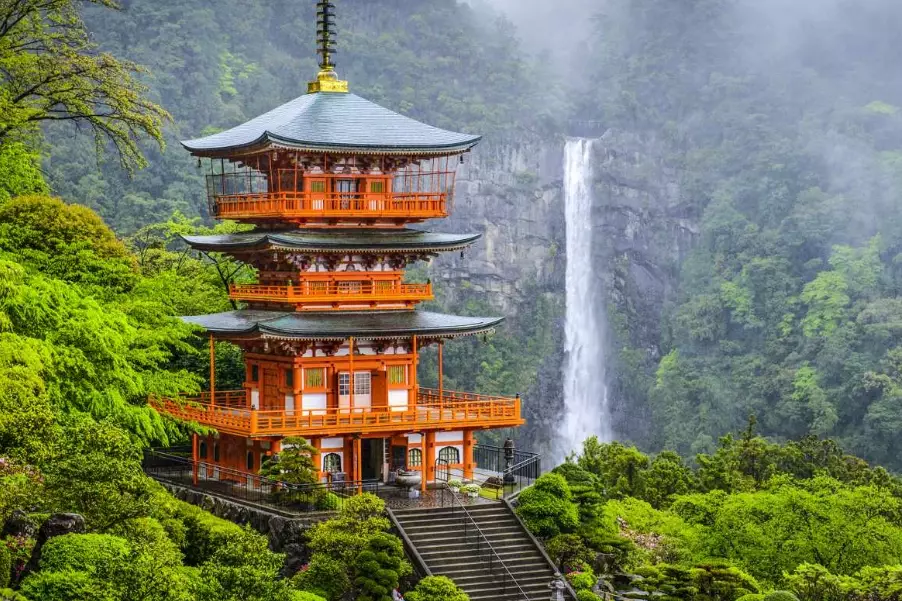
Purification comes first. At the chozuya (water pavilion):
- Take the ladle with your right hand, fill it with water, and pour some over your left hand.
- Switch the ladle to your left hand and pour water over your right hand.
- Switch again, pour water into your cupped left hand, and rinse your mouth (spit the water onto the ground, not back into the basin).
- Tilt the ladle vertically to let the remaining water run down the handle to cleanse it for the next person.
At the main hall, toss a coin (5-yen coins are considered lucky) into the offering box, bow twice deeply, clap your hands twice, bow once more, and pray silently. Don't take photos of the main altar if there's a sign or if it feels intrusive.
Transportation Rules: Trains, Taxis, and Roads
Japan's transport is a marvel of efficiency, governed by unspoken rules.
Train and Subway Etiquette
- Queuing: Lines are marked on the platform. Wait in line. Let people exit the train completely before boarding.
- Priority Seats: The seats at the ends of the car are for the elderly, disabled, pregnant, and those with small children. Even if the train is packed, these seats often remain empty. Avoid them unless you fit the category.
- Phones: Manner mode (silent) always. No calls. Texting or browsing is fine.
- Escalators: In Tokyo, stand on the LEFT, walk on the RIGHT. In Osaka, it's the opposite (stand right, walk left). When in doubt, watch what locals do.
- JR Pass: If you have one, you must use it to go through the manned gate or a special gate. Don't try to use the regular Suica/Pasmo gates.
Taxi Rules
The door opens and closes automatically! Don't try to do it yourself. Wait for the driver. Addresses can be confusing. It's often best to show the driver a map on your phone or the name of the place written in Japanese. Payment is usually at the end, and they have change.
Driving in Japan
If you're brave enough to drive (useful in rural Hokkaido or Kyushu), remember: LEFT side of the road. You'll need an International Driving Permit (IDP) alongside your home license. Get it from your local automobile association (like AAA in the US) before you leave. They cannot be obtained in Japan. Zero tolerance for drinking and driving.
Accommodation Specifics
Hotels are straightforward. Ryokans (traditional inns) have more rules.
- Shoes Off: At the genkan (entryway), step out of your shoes and into the provided slippers. Step up into the main building. Slippers are for the hallways only—never wear them on tatami mat rooms. There will be separate toilet slippers in the bathroom.
- Yukata: The cotton robe provided is for wearing around the ryokan, to the dining room, and sometimes to nearby onsens. Left side over right (the opposite is for dressing the deceased).
- Meal Times: Are often fixed. Be punctual for dinner and breakfast.
What Happens If You Break a Rule?
For minor social faux pas, you'll likely just get a disapproving look or gentle correction. Japanese people are incredibly patient with tourists. For legal infractions, it's serious. Drug laws are severe, with long prison sentences for possession. Overstaying your visa or working illegally can lead to deportation and a ban from re-entering.
The best approach? Be observant, be humble, and when in doubt, ask quietly or mimic what others are doing. A little effort goes a long way. Understanding these Japan tourism rules isn't about restriction; it's about unlocking a deeper, more respectful, and ultimately more enjoyable experience in one of the world's most fascinating cultures.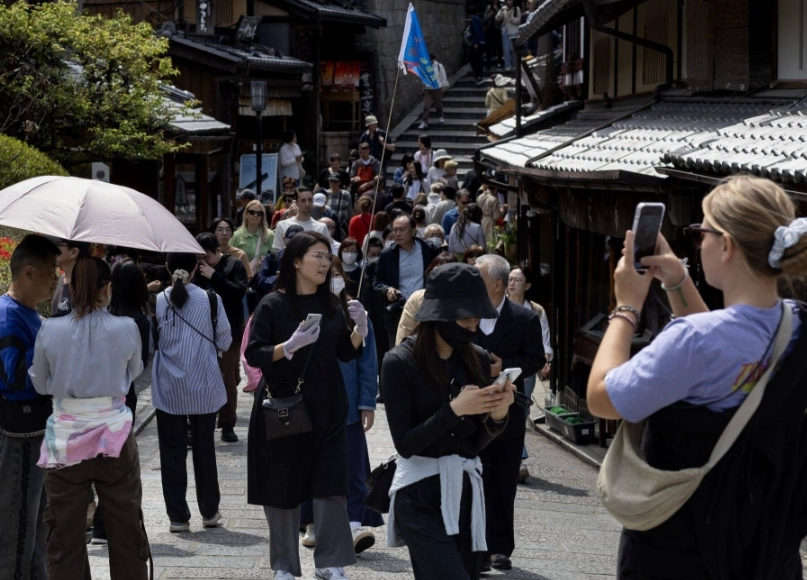






Comments
Join the discussion