What You'll Find in This Guide
Let's cut to the chase. Yes, overtourism is a growing problem in New Zealand, but it's not everywhere. If you've seen photos of packed parking lots at Milford Sound or heard locals in Queenstown grumble about rental cars, you're seeing the tip of the iceberg. I spent six months traveling across both islands last year, and the disparity between crowded hotspots and empty gems shocked me. This isn't about blaming tourists—it's about understanding the pressure points and making smarter choices.
New Zealand's tourism numbers tell part of the story. Before the pandemic, visitor arrivals peaked at around 3.9 million annually, straining infrastructure in small towns built for a fraction of that. Post-COVID, recovery has been swift, with Tourism New Zealand reporting a rebound focused on iconic sites. But here's the kicker: most visitors cluster in the same few places, ignoring equally stunning regions that could use the economic boost.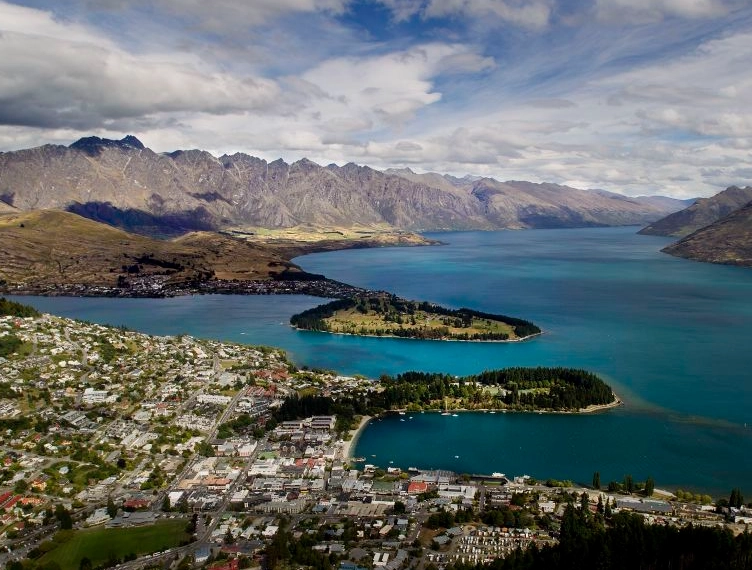
What Overtourism Really Means for New Zealand
Overtourism isn't just too many people. It's when visitor numbers exceed the capacity of a place to handle them without degrading the experience for residents or damaging the environment. In New Zealand, this manifests in specific ways.
Symptoms You Can't Miss
Traffic jams on narrow alpine roads, like the route to Milford Sound (State Highway 94), where coaches and campervans create bottlenecks. Overflowing car parks at trailheads—I once arrived at the Tongariro Alpine Crossing at 7 AM and found the lot full, forcing a 30-minute wait. Price hikes for accommodation in peak seasons, with Queenstown hostel beds hitting NZD 50 per night in summer. Locals feeling displaced; in Wanaka, some residents complain about noise from holiday homes left empty most of the year.
Regional Variations: North vs South Island
The South Island bears the brunt. Fiordland, Mackenzie Basin, and the West Coast see concentrated flows. The North Island has issues too, but they're more urban—Auckland's waterfront gets crowded, while Rotorua's geothermal sites manage better due to dispersed attractions. A common mistake travelers make is assuming the whole country is equally affected. It's not. Remote areas like the Catlins or Northland's Far North often sit empty while everyone flocks to the postcard spots.
The 3 Most Overcrowded Destinations Right Now
Based on Department of Conservation data and my own observations, these places struggle the most. I've included specifics so you can plan around the chaos.
| Destination | Location (Address/Region) | Peak Season Crowding | Best Time to Visit | Key Pressure Points |
|---|---|---|---|---|
| Milford Sound / Piopiotahi | Fiordland National Park, Southland | December to February, daily 10 AM - 2 PM | Early morning (before 9 AM) or late afternoon after 3 PM; shoulder seasons (April-May) | Limited parking (approx. 200 spaces), cruise boat queues, congested single-road access via Milford Road (SH94). |
| Queenstown | Otago, South Island | Summer (Dec-Feb) and ski season (June-Aug) | Shoulder months: March-April or September-October | Overflowing town center, traffic on Frankton Road, shortage of affordable housing for locals due to Airbnb dominance. |
| Rotorua's Wai-O-Tapu Thermal Wonderland | 304 Waiotapu Loop Road, Rotorua 3073 | Daily 9 AM - 11 AM, especially in summer | Weekdays outside school holidays; afternoons post-1 PM | Visitor center bottlenecks, limited seating at geyser viewings, parking spills onto grass verges. |
Notice a pattern? All are iconic, easily accessible, and heavily marketed. Milford Sound gets over 550,000 visitors annually, with most crammed into a few midday hours. Queenstown's population swells from 30,000 to over 100,000 in peak times. Rotorua's sites have managed better with timed ticketing, but the main car park still fills up fast.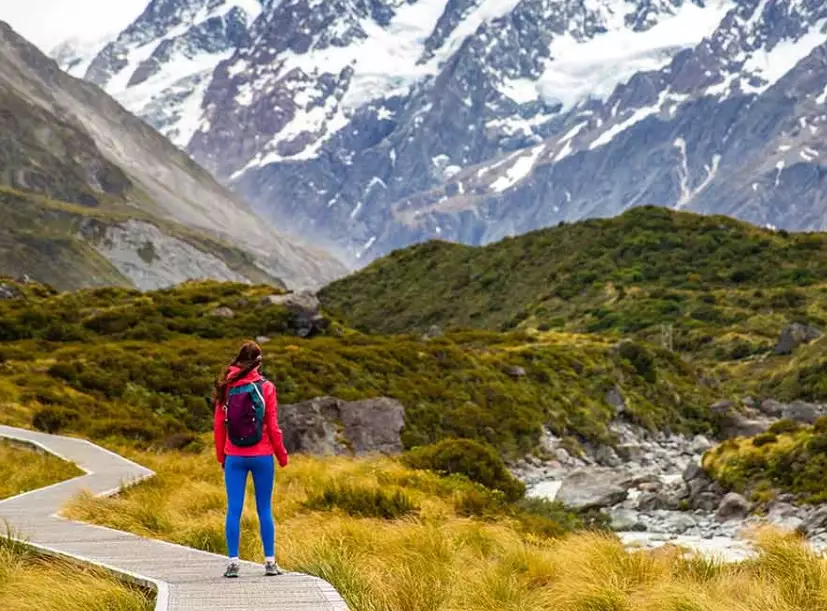
Here's a non-consensus view: many guidebooks still push these spots as must-sees without warning about the crowds. I fell for it too. On my first visit to Milford Sound, I joined a noon cruise and spent half the time jostling for photos. Later, a local fisherman tipped me off about Doubtful Sound—quieter, equally stunning, and with fewer than 50,000 visitors a year. It's a classic case of overtourism being a marketing problem as much as a numbers game.
How Overtourism Hurts Locals and Nature
The effects go beyond inconvenience. Let's break it down.
Environmental damage: In Abel Tasman National Park, compacted soil from foot traffic erodes coastal tracks. At Fox Glacier, increased visitation has led to more littering, despite efforts by Doc (Department of Conservation). Water quality in Lake Tekapo faces pressure from sewage overflow from crowded campgrounds. These aren't hypotheticals—reports from Environment Southland highlight rising nitrate levels near tourist hubs.
Social and economic strains: In Queenstown, locals talk about a two-tier economy. Tourism jobs pay, but housing costs have skyrocketed due to demand for short-term rentals. A barista I met there shared she commutes an hour because she can't afford a flat in town. Meanwhile, essential services like supermarkets struggle with seasonal staff shortages. It creates resentment. I heard more than one resident mutter about "tourist tax" ideas, though nothing's formalized yet.
Cultural impacts: At Māori cultural sites like Te Puia in Rotorua, high visitor numbers can turn sacred ceremonies into rushed performances. Some iwi (tribes) have expressed concerns about commodification. This isn't widely discussed, but it's a real tension beneath the surface.
Personal story: In Wanaka, I chatted with a farmer who said his family's quiet valley now sees drone flocks filming the famous #ThatWanakaTree. He joked about charging landing fees. But his eyes told a different story—fatigue. The tree's roots are getting damaged from people climbing for selfies, despite signs pleading not to. It's a microcosm of the issue: social media drives crowds to fragile spots faster than management can adapt.
Practical Ways to Travel Responsibly
You don't have to avoid New Zealand. Just travel smarter. Here are actionable steps based on advice from Tourism Industry Aotearoa and my own trial-and-error.
Timing Is Everything
Visit during shoulder seasons. April-May and September-October offer similar weather with half the crowds. For Milford Sound, book the first cruise of the day (typically 8:30 AM) via the official Real Journeys website—you'll have the sound almost to yourself. Avoid school holidays (check New Zealand's term dates on the Ministry of Education site).
Diversify Your Itinerary
Swap overcrowded spots for alternatives. Instead of Queenstown's Fergburger (always a line), try nearby Arrowtown for a quieter meal. Replace Rotorua's Wai-O-Tapu with Orakei Korako, a geothermal park with 30% fewer visitors. For fiords, consider Doubtful Sound or even the remote Dusky Sound for true solitude.
Hidden gem example: Instead of the crowded Hooker Valley Track at Aoraki/Mount Cook, hike the Sealy Tarns route. It's steeper but offers better views and maybe ten other people on the trail. Address: White Horse Hill Campground, Mount Cook Village. No fees, open 24/7.
Support Local and Sustainable Operators
Choose tour companies with Qualmark Gold sustainability ratings. In Kaikōura, I went with a family-owned whale watching business that limits boat sizes to reduce noise pollution. Book accommodation directly through local B&Bs rather than global platforms—it keeps more money in the community. For transport, consider public buses like InterCity instead of renting a campervan, which clogs roads.
Carry out all trash. Use public toilets—don't relieve yourself in bushes, as I've seen happen near Franz Josef Glacier. It sounds basic, but overtourism often stems from small actions multiplying.
Your Burning Questions Answered
Overtourism in New Zealand isn't a doom scenario—it's a call to action. By choosing when and where you go, you can enjoy those epic landscapes without leaving a negative footprint. Skip the midday rush at the postcard spots, explore the backroads, and listen to what locals recommend. They know the real New Zealand, beyond the brochures.
Check resources like the Department of Conservation's visitor guidelines or Tourism New Zealand's Tiaki Promise for updates. Travel isn't just about seeing places; it's about sustaining them for the next visitor, and for the Kiwis who call this home.


Comments
Join the discussion