You've seen the ads. Dramatic mountains, pristine lakes, empty beaches. "100% Pure New Zealand" is one of the most successful tourism slogans ever created. But after three trips there, living in a van for weeks and chatting with countless locals, I've learned it's more than just marketing. It's a feeling. It's the shockingly cold, crystal-clear water of a glacial lake on the South Island. It's the earthy, steam-pressed hangi feast shared with a Maori guide near Rotorua. It's also the reality of planning a trip to a country that's deceptively large and full of subtle choices that can make or break your experience. This guide strips away the postcard perfection and gives you the real, actionable blueprint for your own pure New Zealand adventure.
Your Journey at a Glance
- What Does "100% Pure New Zealand" Actually Mean?
- Must-See Sights: North vs South Island Showdown
- The Food & Culture Guide You Won't Find in a Brochure
- Where to Stay: From Luxury Lodges to Campervan Spots
- How to Plan Your 100% Pure New Zealand Itinerary
- How to Travel Sustainably in New Zealand
- Your Burning Questions Answered
What Does "100% Pure New Zealand" Actually Mean?
Forget the textbook definition. In practice, "100% Pure" translates to accessibility of raw, untouched nature and a deep, living indigenous culture. It means you can drive two hours from a major city and be on a hiking trail where the only sound is birdsong and your own footsteps. The Department of Conservation (DOC) manages a third of the country's land—think national parks, reserves, and hundreds of walking tracks—most of which are free to access. That's the "pure" part: nature isn't locked behind paywalls.
But here's the non-consensus bit everyone misses: the purity also refers to the integrity of the experience. In Queenstown, you can pay for a jet boat thrill ride. That's fun, but it's a packaged product you could find elsewhere. The pure experience is driving to Glenorchy at the head of Lake Wakatipu, walking the Routeburn Track for an hour, and having that majestic valley entirely to yourself. It's choosing the lesser-known Abel Tasman Coast Track water taxi company that points out the local fur seal colony, not just the fastest one.
Must-See Sights: North vs South Island Showdown
Choosing between the islands is the first major decision. The North Island is about volcanic power, geothermal wonders, and Maori culture. The South Island is the epic, cinematic landscape of mountains, fiords, and glaciers. Most people try to do both in two weeks. You can, but you'll be rushed. If you have under 10 days, pick one island and explore it deeply.
| Region/Attraction | Island | Pure Experience Highlight | Practical Info (Address, Cost, Hours) |
|---|---|---|---|
| Milford Sound / Piopiotahi | South | Kayaking at dawn before the tour boats arrive. The silence is profound. | Fiordland National Park. Cruise costs: NZD $80-$150. Overnight kayak tours (like from Rosco's Milford Kayaks) offer the best pure experience. Road access via State Highway 94. |
| Tongariro Alpine Crossing | North | The one-day hike past emerald lakes and active volcanic terrain. It feels otherworldly. | Tongariro National Park. Free to hike. Shuttle required (NZD $40-$50) from National Park Village. Operates in suitable weather only (check DOC website). 19.4km, 6-8 hours. |
| Rotorua Geothermal Areas | North | Skip the commercialized parks. Visit Wai-O-Tapu Thermal Wonderland early, then the free Kuirau Park in town. | Wai-O-Tapu: 201 Waiotapu Loop Rd, Rotorua. ~NZD $32. Opens 8:30 am. Kuirau Park: Lake Rd, Rotorua. Free, 24/7. |
| Aoraki / Mount Cook National Park | South | The Hooker Valley Track. An easy 3-hour return walk ending at a glacial lake with icebergs and the mountain's direct view. | End of State Highway 80. Free. Track starts at White Horse Hill Campground. Visitor Centre in Mt Cook Village has weather and track updates. |
| Queenstown & Surrounds | South | Not the bungy. Drive to Moke Lake for a serene, circular walk or camp under the stars. | Moke Lake Rd, 15min from Queenstown. Free access. Narrow gravel road. Basic DOC campsite (NZD $15 per person). |
The South Island's West Coast (like Punakaiki Pancake Rocks) and the Catlins on the southeast coast are where you'll find that "empty New Zealand" feel. The roads are slower, the rain more frequent, but the rewards are huge.
The Food & Culture Guide You Won't Find in a Brochure
New Zealand food isn't just about lamb and wine (though they're excellent). The pure food experience is about freshness and locality. A classic error is eating at generic waterfront restaurants. Seek out the places where locals queue.
Must-Try Food Experiences:
1. A Traditional Hangi: This isn't just a meal; it's a cultural immersion. Food (meat, vegetables) is slow-cooked for hours in an earth oven. The result is incredibly tender, smoky-flavoured food. For an authentic one, book a cultural experience at a Marae (Maori meeting ground). Tamaki Maori Village in Rotorua or Whakarewarewa Living Maori Village offer this, complete with stories and performance. Expect to pay NZD $120-$150 for the full evening. Worth every cent for the genuine connection.
2. Fresh Seafood from a Co-op: Skip the restaurant markup. In the South Island, go to the Akaraoa Fish & Chips shop right on the wharf in Akaroa harbour. They source locally. Grab some blue cod, chips, and eat on the sea wall. In the North, the Coromandel Oyster Company shed sells freshly harvested oysters you can shuck yourself.
3. A Real Kiwi Burger: Not the McDonald's version. A proper one has a beef patty, egg, beetroot, pineapple, cheese, and maybe bacon. It's messy and glorious. Find one at a non-franchise "fish & chip shop" or a pub. Fergburger in Queenstown is the famous spot (42 Shotover St, open 8am-5am, expect a line), but local pubs often do a great version without the wait.
4. Craft Beer & Local Wine: New Zealand's craft beer scene is fantastic. Don't just drink the big brands. Visit a local brewery taproom. In Wellington, check out Heyday Beer Co. on Tory Street. For wine, Marlborough is famous for Sauvignon Blanc, but Central Otago's Pinot Noir is world-class. Many wineries offer free or cheap tastings if you buy a bottle.
Where to Stay: From Luxury Lodges to Campervan Spots
Accommodation defines your trip. The "pure" ethos extends here too—think stunning locations and connection to the environment.
Luxury (The "Pure" Splurge): Blanket Bay, Glenorchy. On the shores of Lake Wakatipu with alpine views. Stone and timber lodge. All-inclusive rates from NZD $2,000 per night. It's the ultimate secluded escape. Huka Lodge, Taupo. Set on the banks of the Waikato River near the Huka Falls. Renowned for its service and gardens. From NZD $1,800 per night.
Unique Mid-Range: The Church, Christchurch. A converted historic church into a boutique apartment. Centrally located at 28 Worcester Boulevard. From NZD $250 per night. It's full of character. Wai-O-Tapu Thermal Motel, Rotorua. Clean, comfortable, and just minutes from the thermal park. A fantastic value base for exploring. 150 Old Waiotapu Rd, from NZD $130 per night.
Budget & Authentic: DOC Campsites & Huts: This is the real 100% pure experience. Hundreds of sites nationwide, from basic (long-drop toilet) to serviced (power, showers). The NZ Campervan App is essential. Costs NZD $8-$25 per person. Example: Manganui Gorge Road Camp in Northland—riverside, peaceful, stars for days. YHA/BBH Hostels: The network is excellent. YHA Wanaka has lake views and a great kitchen. 94 Brownston Street, beds from NZD $35.
How to Plan Your 100% Pure New Zealand Itinerary
Here’s a 14-day classic loop that balances driving and experiencing, focusing on the South Island's highlights with a North Island culture kicker.
Days 1-3: Christchurch & TranzAlpine to West Coast Land in Christchurch. Don't spend a night here yet. Head straight to the train station and take the TranzAlpine Scenic Train to Greymouth (book in advance). Rent a car in Greymouth. Drive south to Punakaiki (Pancake Rocks). Stay at a local motel. Next day, drive to Franz Josef Glacier. Do the valley walk to the terminal face (free). Overnight in Franz Josef town.
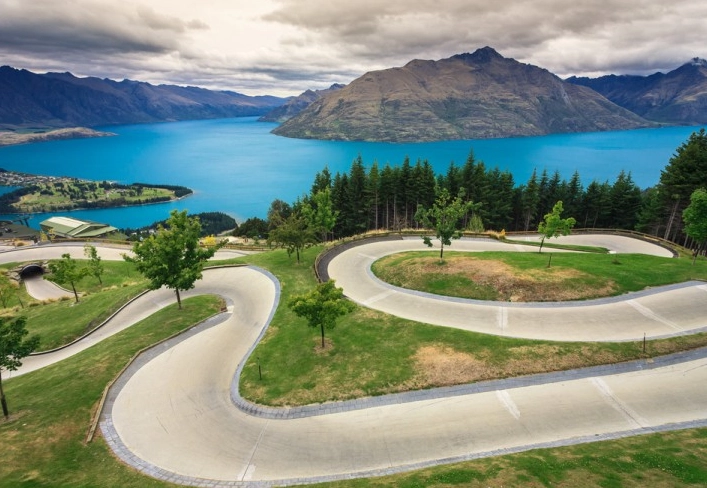
Days 4-7: Wanaka & Queenstown Region Drive through Haast Pass to Wanaka. Spend a day hiking Roy's Peak (hard) or the Diamond Lake track (easier). Drive to Queenstown. Use Queenstown as a base. One day for Milford Sound (long day trip, consider staying in Te Anau the night before to break it up). One day for Glenorchy and a short walk. Skip the commercial luge; take the gondola for the view if you must.
Days 8-10: Aoraki/Mt Cook & Lake Tekapo Drive from Queenstown to Mt Cook Village via Lake Pukaki (stop at the salmon farm). Do the Hooker Valley Track. Stay at the Aoraki Court Motel or the DOC White Horse Hill campsite. Next day, drive to Lake Tekapo. Visit the Church of the Good Shepherd, but the real magic is at the Mt John Observatory at night for stargazing (book a tour).
Days 11-14: North Island Culture & Volcanoes Fly from Christchurch to Rotorua (connect via Auckland). Spend two days in Rotorua: one for a Maori cultural experience with hangi, one for Wai-O-Tapu and a soak in the Polynesian Spa's lake-side pools. Drive to Tongariro National Park. If weather and fitness allow, do the Tongariro Alpine Crossing (shuttle required). Fly out from Auckland.
How to Travel Sustainably in New Zealand
"100% Pure" comes with responsibility. Overtourism pressures fragile ecosystems. Here’s how to be part of the solution.
Clean Your Gear: If you're hiking between regions, especially to offshore islands like Stewart Island/Rakiura, clean your boots, tent, and bags to stop the spread of invasive seeds and diseases. Many track entrances have cleaning stations.
Support Local, Not Chains: Eat at the cafe owned by the couple who moved from the city. Buy souvenirs from the gallery selling local artist work. This keeps money in the community.
Respect the Rules: If a sign says "no drones," it's to protect wildlife. If it says "stay on the track," it's to prevent erosion. The DOC's Tiaki Promise is a good pledge to follow—care for land, sea, and nature, and welcome others.
Consider Your Transport: Campervans are iconic, but if you're not using freedom camping spots, a regular car and staying in motels/B&Bs can have a lower carbon footprint. For long distances, domestic flights are often the only practical option, but look into train journeys like the Northern Explorer between Auckland and Wellington for a scenic, lower-impact alternative.
Your Burning Questions Answered
The "100% Pure" label is an invitation, not a guarantee. It's an invitation to engage deeply, travel thoughtfully, and seek out the moments between the famous sights. It's in those moments—the steam rising off a valley at dawn, the taste of a peach bought from a roadside stand, the shared silence on a mountain pass—that you'll find the real New Zealand.

Comments
Join the discussion