Let's cut straight to the chase. Is New Zealand tourism doing well? The short answer is a qualified yes, it's recovering strongly, but it's a different landscape from the pre-2020 boom years. The numbers tell a story of resilience mixed with new challenges. International visitor arrivals are climbing back—hitting about 79% of 2019 levels by the end of 2023 according to Stats NZ—but the industry is grappling with higher costs, changing traveler habits, and the lingering question of sustainability. If you're planning a trip, understanding this new reality is key to having an amazing, and maybe even better, experience than you might have had five years ago.
What’s Inside: Your Quick Guide
The Reality Check: Where the Numbers Stand Now
Forget vague statements. Let's look at the data. Tourism New Zealand's annual sector report is the bible here. In the year ending March 2024, international tourism expenditure was estimated at NZD $9.9 billion. That's a huge jump from the pandemic lows, but still shy of the ~NZD $11 billion mark from 2019. The recovery isn't uniform across all markets either.
Key Data Point: Visitors from Australia and the United States have returned fastest, often exceeding 2019 numbers. Traditional long-haul markets like the UK and Germany are coming back more slowly, while the absence of large-scale Chinese group tourism (a major pre-2020 driver) is still being felt, though independent Chinese travelers are returning.
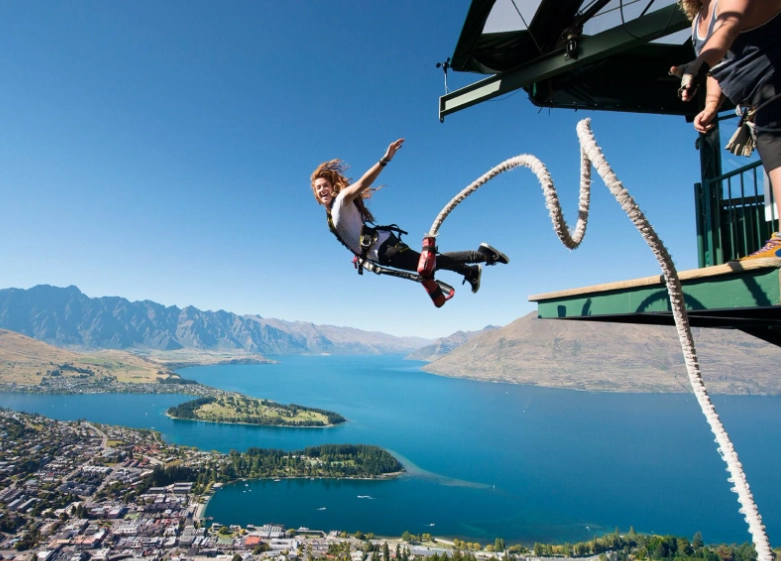
What does this mean on the ground? You'll see plenty of tourists, but maybe not the overwhelming crowds that once choked places like Queenstown's downtown in peak season. For you, that can mean slightly more breathing room at iconic spots—if you time it right.
What’s Driving the Comeback? It’s Not Just Scenery
The mountains and beaches sell themselves, but the recovery has specific engines.
The "Revenge Travel" and Bucket-List Factor
After years locked down, people prioritized big, meaningful trips. New Zealand, perceived as safe, clean, and epic, was a top choice for this "once-in-a-lifetime" mindset. I spoke to a tour operator in Fiordland who said bookings for multi-day hikes like the Milford Track were filled over a year in advance through 2023 and 2024. This wasn't just a vacation; it was a post-pandemic pilgrimage for many.
Strategic Marketing and The "Middle Earth" Long Tail
Tourism New Zealand didn't just wait. Campaigns like "If You Seek" targeted high-value travelers seeking immersive experiences—think culinary tours, Maori cultural stays, or birdwatching expeditions. And let's be real, the "Lord of the Rings" and "Hobbit" effect never truly faded. Hobbiton Movie Tours near Matamata remains perpetually busy. A pro-tip most blogs miss: book the evening banquet tour. It's pricier, but you get the site almost to yourself after the day-tripper buses leave, and dining in the Green Dragon Inn feels genuinely magical.
The Domestic Tourism Cushion
When borders were shut, Kiwis explored their own backyard intensely. This kept many regional operators and hotels afloat. While some of that demand has shifted back overseas, a strong culture of domestic travel remains, smoothing out some seasonal valleys.
The Not-So-Pretty Challenges Facing the Industry
This is where the "doing well" narrative gets complicated. The industry's success is pressured from several sides.
An Insider's View: A hotel manager in Queenstown told me their biggest headache isn't demand—it's staffing. Finding reliable, trained housekeepers, chefs, and front-desk staff post-pandemic is a constant struggle, leading to burnout for existing employees and occasional service hiccups. Don't be surprised if check-in takes longer or a restaurant is closed on a random weekday.
The Cost Crunch (For Businesses and You)
Inflation hit New Zealand hard. Fuel, food, and insurance costs are up for tour companies. Wages are rising due to labor shortages. This gets passed on. That iconic helicopter glacier hike? It might be 20-30% more expensive than in 2019. Accommodation, especially in hotspots, feels painfully pricey. The flip side? It forces travelers to be more selective, often leading to deeper, slower experiences in one or two regions rather than a frantic nationwide dash.
Overtourism vs. Undertourism: A Regional Split
The problem isn't one-size-fits-all. Queenstown, Rotorua, and the Tongariro Alpine Crossing trailhead can still feel congested. Meanwhile, some smaller, equally stunning regions—like the Catlins on the South Island's southeast coast, or the Whanganui River region—are begging for more visitors. The industry is trying to redirect traffic, but old habits die hard.
The Sustainability Question is Getting Louder
Kiwis are increasingly asking: at what cost? The strain on infrastructure, the pressure on housing for workers, and environmental footprints are hot topics. You'll see more businesses promoting their carbon-zero status, and destinations like the Dark Sky Reserve in Tekapo pushing astro-tourism with strict light pollution controls. The future of "doing well" is tied directly to doing it responsibly.
What This Means for Your 2024/2025 New Zealand Trip
So, how do you navigate this recovering, shifting landscape? Here’s your actionable plan.
When to Go: Shoulder Seasons Are the New Secret
Forget just summer (Dec-Feb). The crowds are thick and prices peak. The sweet spots are now late spring (November) and autumn (March to April). You get fantastic weather, fewer people, and better availability. I visited the Central Otago wineries in April once, and had whole tasting rooms to myself—a stark contrast to the summer coach tours.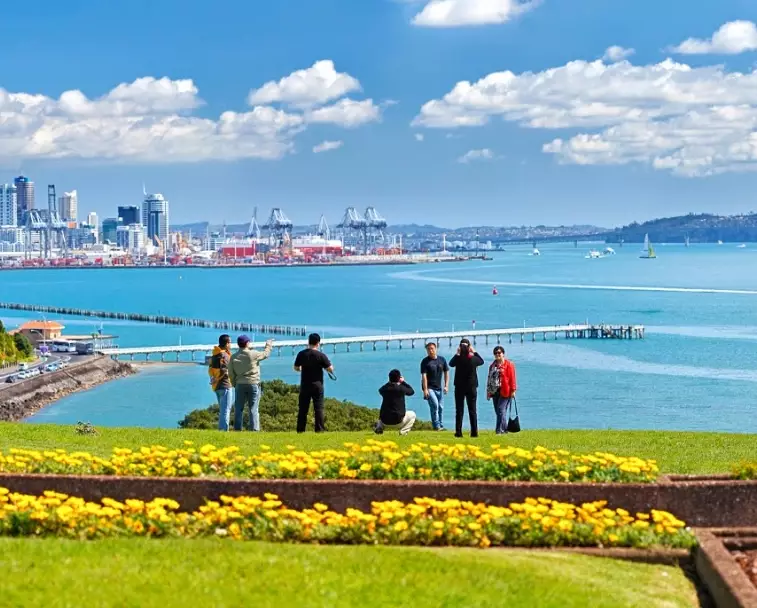
Where to Focus: Beyond the Top 3
Everyone hits Queenstown, Rotorua, and Auckland. Consider allocating more time to these underrated gems:
| Region | Why Go Now | Don't Miss | Practical Note |
|---|---|---|---|
| West Coast, South Island | Raw, rugged, and less crowded. The glaciers (Franz Josef & Fox) are still awe-inspiring despite retreating. | Hokitika Gorge (turquoise water), the Pancake Rocks at Punakaiki at high tide. | Accommodation books up in summer, but shoulder season has good options. Be prepared for rain—it's part of the charm. |
| Northland & the Bay of Islands | Sub-tropical climate, rich Maori and early European history. Fantastic for sailing and seafood. | Waitangi Treaty Grounds (essential history), swimming with dolphins in Paihia, Cape Reinga. | Easily combined with Auckland. Hire a car for flexibility. The Twin Coast Discovery Highway is a great scenic route. |
| Wairarapa (near Wellington) | A compact region of world-class wineries (Pinot Noir!), artisan food, and wild coastlines. | Martinborough wine village, Cape Palliser lighthouse and seal colony, Stonehenge Aotearoa. | An easy 1.5-hour drive from Wellington. Perfect for a 2-3 day gourmet escape. |
How to Stretch Your Budget (Because You'll Need To)
New Zealand is expensive. Full stop. Here’s how to manage:
- Transport: Campervan relocations can be dirt cheap (sometimes $1 a day!), but you have a tight schedule. Check Transfercar. For rentals, book months in advance for the best rate.
- Accommodation: Look beyond hotels. Holiday parks with cabin units offer great value. Consider a farmstay (often found on Airbnb) for a unique experience.
- Activities: Prioritize one or two big splurges (e.g., a Milford Sound overnight cruise). Fill other days with free hikes, public library Wi-Fi (excellent nationwide), and visiting local markets.
Booking Strategy: The New Non-Negotiables
You cannot wing it anymore. For popular walks (Great Walks), inter-island ferries, and specific boutique lodges, book as soon as bookings open (often 6-12 months ahead). For everything else, a 3-4 month lead time is safe. This guarantees you options and avoids last-minute price gouging.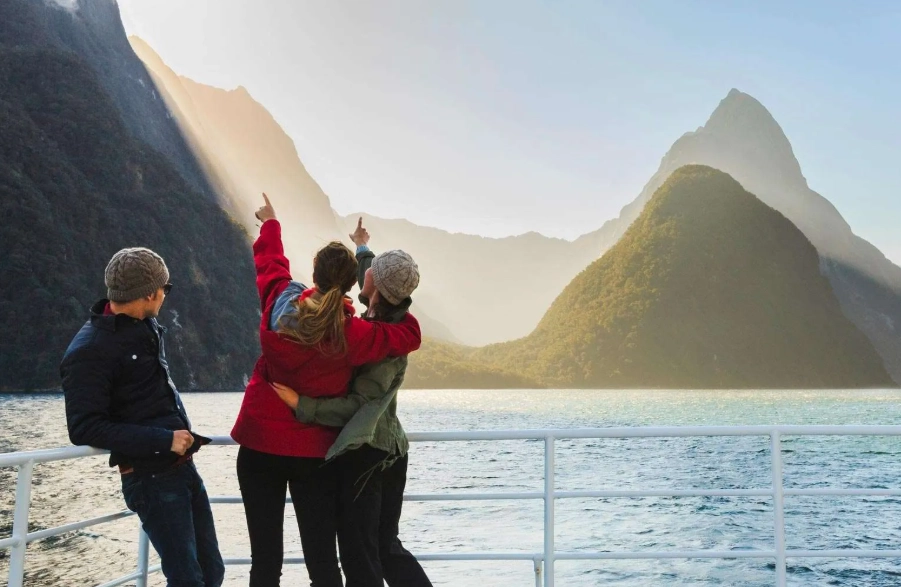
Your Burning Questions Answered (FAQ)
It's undeniably a premium destination. The daily cost has risen. However, "expensive" is relative. You control the biggest levers: accommodation type, transport mode, and dining choices. By self-catering some meals, using a mix of transport, and focusing on free natural attractions, you can manage a fantastic trip without luxury spending. The value is in the landscapes and experiences, which are priceless.
Trying to see both islands in under two weeks. It's the classic mistake, and it's worse now with higher costs and potential for travel delays (weather, ferry issues). You'll spend most of your time driving and checking in/out of accommodation. Pick one island, or if you must do both, allocate at least 18-21 days. Focus on depth over breadth. You'll enjoy it more and actually get a feel for the place.
Absolutely, but with tactical adjustments. For Milford Sound, book an overnight cruise or the first boat of the day. You'll avoid the midday convoy of day-tripper buses and have the fiord's serenity. For Hobbiton, as mentioned, the evening tour is superior. For places like the Waitomo Glowworm Caves, look at smaller, independent operators like Spellbound who offer more intimate tours compared to the large main cave. A little research beyond the top Google result pays off massively.
Support operators with legitimate eco-certifications (look for Qualmark Enviro-Gold/Silver). Use public transport where possible—InterCity bus passes are great. Stay longer in fewer places. Respect all "Tiaki Promise" guidelines—clean your gear to stop spread of weeds, stick to marked tracks. And consider offsetting your flight carbon through a reputable program; many Kiwis appreciate visitors who make that effort.
Generally, yes. The main highways are excellent. However, some of the most scenic routes (e.g., the road to Milford Sound, Skippers Canyon, many coastal roads) are narrow, winding, and can be intimidating for nervous drivers. Rent a smaller car, take your time, and pull over to let locals pass. Don't rely on mobile coverage everywhere—download offline Google Maps. Petrol is expensive, so factor that into your budget.

Comments
Join the discussion