Ask anyone what Fiji is famous for, and you'll likely hear "stunning beaches" and "overwater bungalows." That's the postcard version. But after spending weeks hopping between its islands, I found that Fiji's true fame lies in a deeper, more vibrant tapestry. It's the specific shade of blue in the Yasawa Islands' water, a color that doesn't seem real until you're swimming in it. It's the genuine warmth of a "Bula!" greeting that feels different from a scripted hotel welcome. It's the thunderous silence of a remote waterfall after a muddy hike. If you're planning a trip and want to know what really makes these islands special—beyond the Instagram clichés—you're in the right place. Let's dive into the heart of what Fiji is truly famous for.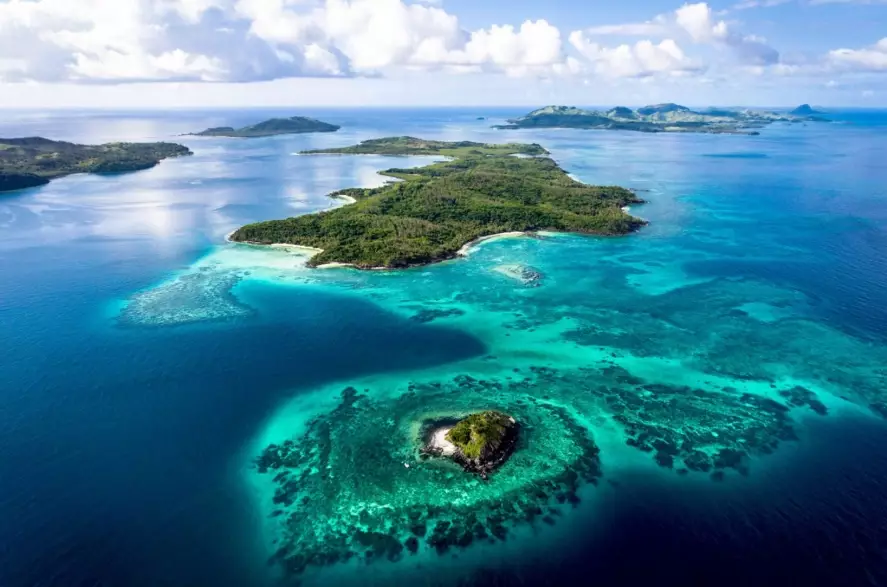
Your Fiji Journey at a Glance
Natural Wonders That Define Fiji
Fiji's landscape is its most obvious celebrity. We're talking about 333 islands, but the magic is in the variety.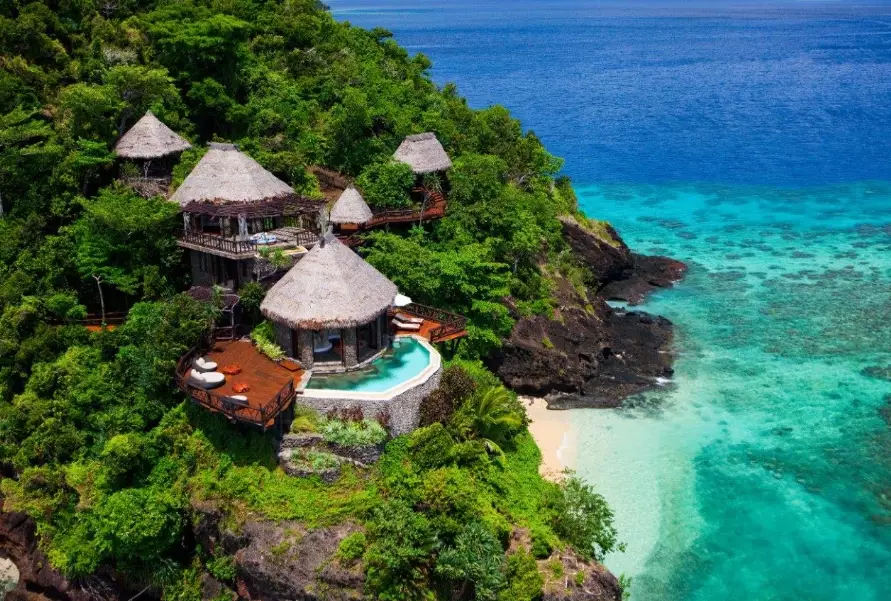
The Yasawa & Mamanuca Island Chains
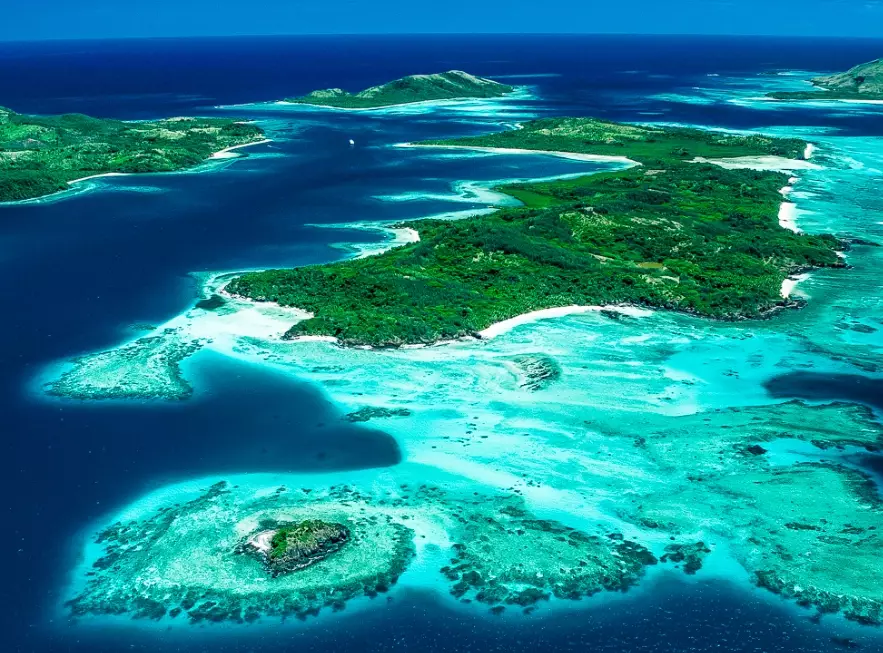
This is the Fiji of dreams. The Mamanucas, close to Nadi, are easily accessible and where you'll find iconic spots like Monuriki Island (where "Cast Away" was filmed). The water here is absurdly clear. Further north, the Yasawas offer more dramatic scenery—sharp volcanic peaks, longer stretches of deserted beach, and a sense of remoteness. A common mistake is trying to "day trip" the Yasawas from Denarau. It's a long, rough boat ride for just a few hours. To truly get it, you need to stay overnight. The Blue Lagoon area around Nacula Island is arguably the single most beautiful lagoon I've seen in the South Pacific.
Taveuni's Bouma Falls & Rainbow Reef
Taveuni, the "Garden Island," is a world apart. The Bouma National Heritage Park is a must. It's not just one waterfall but a series of three, with a moderate hiking trail connecting them. The first fall is easy to reach; the second and third require more effort but reward you with complete solitude. Nearby, between Taveuni and Vanua Levu, lies the Rainbow Reef, famous for the Great White Wall—a sheer drop covered in soft white coral. Diving here feels like floating in a snow globe.
Pro Tip on "Fiji Time" & Nature: Everything runs on "Fiji Time"—a relaxed pace. This isn't a flaw; it's a feature. Don't schedule hikes or boat transfers back-to-back. A 9 AM start might mean 9:30. Build in buffer time, and you'll enjoy the scenery instead of stressing about the clock.
The Coral Coast's Sigatoka Sand Dunes & Sleeping Giant
On the main island of Viti Levu, the Coral Coast offers accessible wonders. The Sigatoka Sand Dunes National Park (managed by the Fiji National Trust) is a stark, beautiful desert landscape meeting the sea. Entry is around FJD $10 per person. Further inland, near Nadi, the Sleeping Giant Garden is a lush, 50-acre botanical garden in the foothills of a mountain that looks like a, well, sleeping giant. It's a peaceful escape from the beach. Address: Wailoko Rd, Sabeto. Open daily 9 AM-5 PM. Entry is about FJD $20.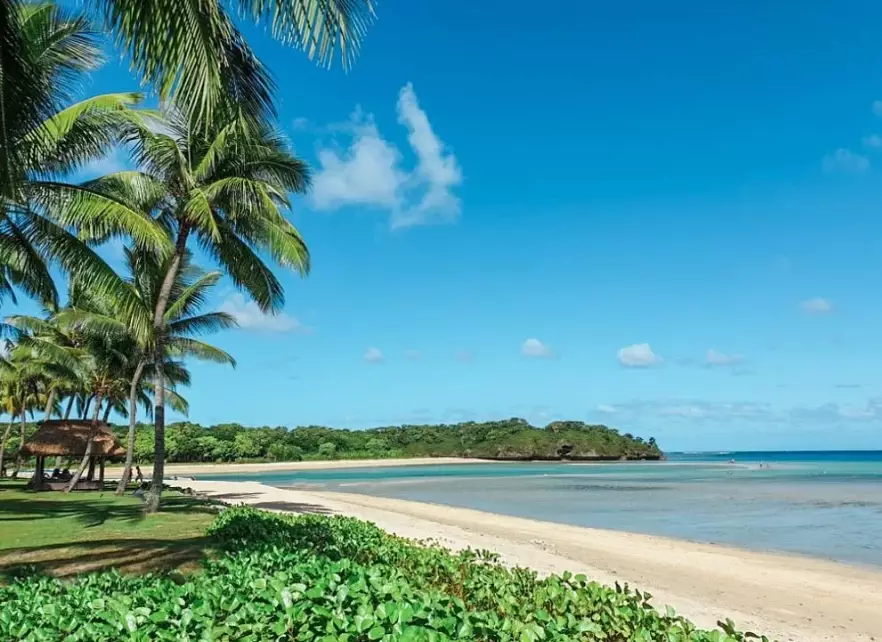
The Cultural Heartbeat of Fiji
This is where Fiji separates itself from other tropical destinations. The culture isn't just for show; it's woven into daily life.
The Spirit of 'Bula' is real. It means more than "hello"; it's a wish for life and health. You'll hear it constantly. In villages, you'll participate in the Sevusevu (gift-giving ceremony). Presenting a bundle of kava (yaqona) root to the village chief is a sign of respect and your ticket to being welcomed as a friend, not just a tourist. Don't treat it as a photo op. Sit quietly, listen, and clap once when you receive your bowl of kava.
Meke performances (traditional song and dance) tell stories of history and legend. The fire-walking ceremonies of the Beqa Island descendants are genuinely awe-inspiring, not just a tourist trick. To see culture in its most authentic setting, visit a local market. The Suva Municipal Market is a chaotic, colorful symphony of sights and smells—the best place to see Fijian daily life in action.
A Cultural Misstep I See Often: Tourists wearing hats or sunglasses when entering a village, or touching people's heads (even kids). The head is considered sacred in Fijian culture. Always remove hats and ask permission before taking photos of people or homes. Dressing modestly (covering shoulders and knees) in villages is non-negotiable.
Fiji as an Adventure Playground
If you just lie on the beach, you're missing half the fun.
Diving & Snorkeling That's World-Class
Fiji isn't called the "Soft Coral Capital of the World" for nothing. The Great Astrolabe Reef off Kadavu, the Somosomo Strait near Taveuni, and the Beqa Lagoon are legendary. Beqa is also famous for its shark dives—mostly reef sharks in a controlled, safe environment. For snorkelers, you can have incredible experiences right off many resort beaches. The Mamanucas are great for beginners, while the reef off Castaway Island (Qalito) is particularly vibrant.
Surfing Cloudbreak & Beyond
For surfers, Cloudbreak is a mythical name. This left-hand reef break, accessible only by boat from Tavarua or Namotu islands, is for experts only—heavy, fast, and powerful. But Fiji has waves for all levels. Restaurants (near Cloudbreak) is slightly more forgiving, and Sigatoka River Mouth on Viti Levu has good beach breaks for intermediates.
Inland Adventures: Rivers, Hikes & Ziplines
The Navua River canoe journey is a classic. You paddle through a dramatic gorge past villages and waterfalls. On Taveuni, the Lavena Coastal Walk is a stunning 5km (one-way) hike through coastal forest, past beaches, to a powerful waterfall. For a thrill, the Zip Fiji tours in the Nadi highlands offer ziplining through lush canopy.
How to Plan Your Fiji Trip (The Smart Way)
Here’s where I give you the nuts and bolts most generic guides skip.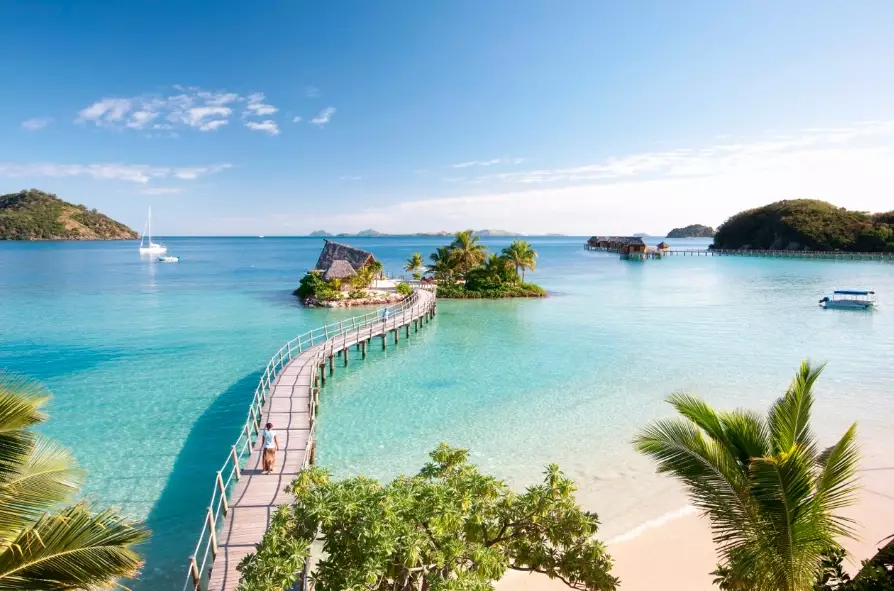
Where to Stay: From Budget to Blowout
Fiji isn't just luxury. There's a spectrum.
| Style | Example Resort/Hotel | Location | Key Feature & Rough Price Point* |
|---|---|---|---|
| Luxury (Overwater Bure) | Likuliku Lagoon Resort | Mamanuca Islands | Adults-only, Fiji's first overwater bures. All-inclusive. From ~FJD $1,800/night. |
| Luxury (Island Escape) | Tokoriki Island Resort | Mamanuca Islands | Adults-only, stunning beaches, excellent dining. From ~FJD $1,200/night. |
| Family-Friendly Premium | Outrigger Fiji Beach Resort | Coral Coast, Viti Levu | Great kids' club, beautiful reef for snorkeling. From ~FJD $600/night. |
| Authentic & Mid-Range | Naveria Heights Lodge | Taveuni Island | Family-run, incredible hospitality, garden setting. From ~FJD $300/night. |
| Backpacker & Social | Bamboo Travellers Beachfront | Suncoast, Viti Levu | Right on the beach, dorm & private rooms, great vibe. Dorm from ~FJD $40/night. |
*Prices are per room per night and vary wildly by season. Shoulder season (Apr-Jun, Oct-Nov) offers better value.
My personal take? If it's a once-in-a-lifetime splurge, go for an outer-island luxury resort. If you want culture and adventure mixed with comfort, split your time—a few nights in a Coral Coast or Taveuni hotel, then a few on a Yasawa island.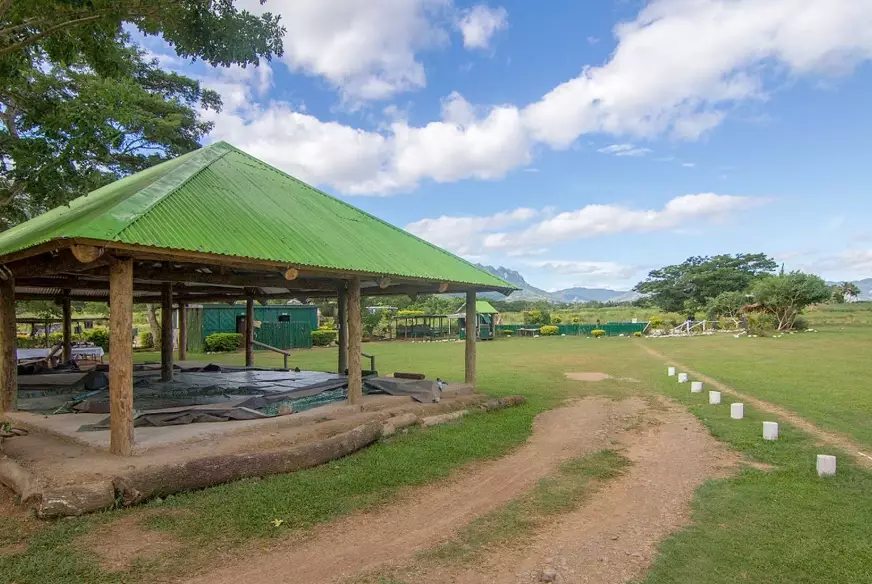
The Island-Hopping Logistics
Getting between islands is part of the adventure. Fiji Airways and its subsidiary Link operate small planes to many outer islands (like Taveuni, Kadavu). It's fast (30-60 mins) but pricey. For the Yasawas and Mamanucas, the South Sea Cruises high-speed catamarans are the workhorse. Book the "Bula Pass" if you plan to island-hop over several days. Local ferries are cheaper but much, much slower—only for the very budget-conscious and time-rich.
A critical tip: Always confirm your inter-island transfer the day before. Schedules change, especially with weather. Don't assume your resort will handle it unless you've double-checked.
Fiji Travel FAQ: Expert Answers
 How expensive is food and drink in Fiji, really?
So, what is Fiji famous for? It's famous for that impossible blue water, yes. But more importantly, it's famous for a culture of hospitality that feels tangible, for underwater worlds that defy imagination, and for offering a pace of life that actually forces you to relax. It's a place where the journey—the slow boat between islands, the shared kava bowl, the muddy hike to a hidden waterfall—is just as important as the destination. Plan with that in mind, and you'll discover the Fiji that truly deserves its fame.
Comments
Join the discussion