So you're planning a trip to New Zealand. Maybe you've seen the photos of stunning landscapes, or heard about the friendly locals. But here's the thing: many visitors get tripped up by small mistakes that can turn a dream vacation into a hassle. I've lived here for years and seen it all—from tourists accidentally offending Maori elders to getting fined for hiking off-trail. Let's cut through the noise and get straight to what really matters. This guide isn't just a list; it's your insider playbook for navigating New Zealand like a pro, covering everything from culture to safety. Trust me, a little knowledge goes a long way here.
What's Inside This Guide
Understanding New Zealand Culture: Key Do's
New Zealanders, or Kiwis as they call themselves, value humility and respect. It's not about grand gestures; it's about the little things. Start by embracing the environment—this country takes conservation seriously. On a recent hike in Tongariro National Park, I saw a tourist toss an apple core, thinking it was biodegradable. A local ranger gently explained that even organic waste can harm native ecosystems. That moment stuck with me.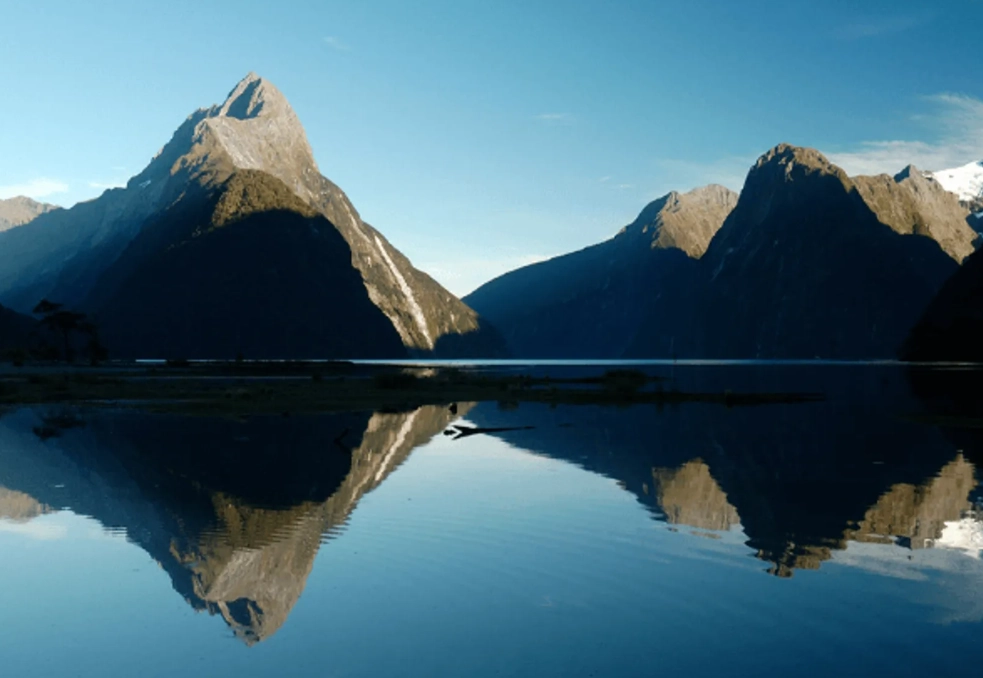
Respecting the Environment
Do follow the Tiaki Promise—a commitment to care for New Zealand. That means sticking to marked trails, packing out all rubbish (yes, even banana peels), and using public toilets. Don't assume you can camp anywhere; freedom camping is restricted to designated areas with permits. Check the Department of Conservation website for rules. For example, in Abel Tasman National Park, camping spots like Anchorage Bay require bookings months in advance. Fees range from NZ$15 to NZ$40 per night, and rangers do patrols.
Interacting with Locals
Do greet people with a smile and a simple "Kia ora" (hello). Kiwis are informal, so first names are fine. If you're invited to a BBQ, bring a plate of food to share—it's a common custom. Don't be overly loud or boastful; humility is key. I once watched a traveler brag about their expensive gear in a Queenstown pub, and the room went quiet. Just relax and listen; you'll learn more about the local way of life.
Driving and Transportation
Do drive on the left side—this seems obvious, but jet lag can mess with your head. Rent a car from reputable companies like Apex Car Rentals; their offices are at major airports like Auckland (24/7 service, prices from NZ$50/day). Don't speed; speed limits are strictly enforced, with fines up to NZ$630. Use the NZ Transport Agency site for road conditions. In winter, chains are a must for alpine roads like the Crown Range.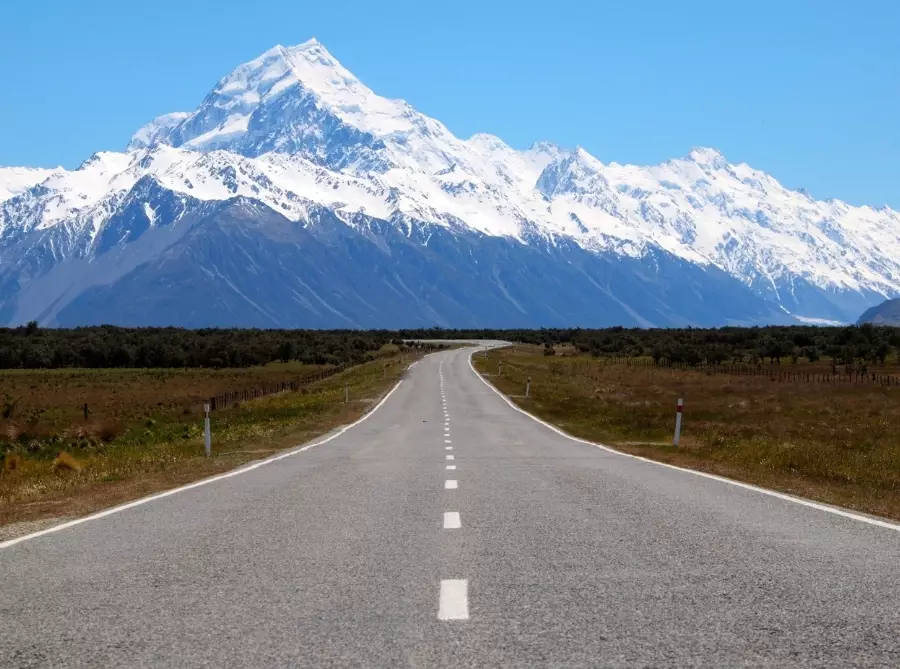
Common Mistakes to Avoid: The Don'ts
Now for the pitfalls. Many visitors think New Zealand is just a bigger version of their home country, but that's where trouble starts. Let's break down the don'ts that can save you time, money, and embarrassment.
Cultural Faux Pas
Don't touch or sit on Maori carvings without permission. These are sacred objects. At a marae (meeting ground), wait for a formal welcome called a powhiri. I saw a tourist walk ahead of their guide at Te Puia in Rotorua, and it caused a minor stir—the guide had to smooth things over. Also, avoid comparing New Zealand to Australia; Kiwis have a distinct identity and don't appreciate being lumped together.
Safety Blunders
Don't underestimate the weather. It changes fast, especially in places like Fiordland. I got caught in a sudden downpour on the Milford Track without a rain jacket—lesson learned. Always carry layers and check forecasts on MetService. Don't hike alone in remote areas; tell someone your plans. Search and rescue operations are common, and they strain local resources.
Legal No-Nos
Don't bring in prohibited items like fresh fruit or honey—biosecurity is tight. At customs, declare everything. Fines can hit NZ$400. Don't fly drones near airports or over private land without consent; rules are strict, with penalties up to NZ$5,000. The Civil Aviation Authority has detailed guidelines.
Pro tip from a local: Many tourists overpack itineraries. New Zealand distances are deceptive—driving from Auckland to Wellington takes 8 hours, not 5. Slow down and enjoy the journey; rushing leads to stress and mistakes.
Practical Scenarios: Do's and Don'ts in Action
Let's get specific. Here are real-life situations where these tips play out.
At a Maori Marae
Do remove your shoes before entering, and follow the lead of your host. Don't take photos during ceremonies unless allowed. For a visit, consider Tamaki Maori Village in Rotorua (address: 1220 Hinemaru St, open daily 5 PM-9 PM, tickets around NZ$130). It's a great intro, but remember it's a cultural performance, not a zoo—treat it with respect.
On the Road
Do use pull-over bays to let faster traffic pass; Kiwis hate tailgaters. Don't stop abruptly for photos—use designated viewing areas. On the South Island's Arthur's Pass, there are spots every few kilometers. If you need gas, fill up in towns like Wanaka; remote stations close early and charge more.
In Restaurants and Cafes
Do tip if service is exceptional, but it's not expected—10% is generous. Don't expect late-night dining; most places close by 9 PM. In Christchurch, try Fiddlesticks Restaurant (48 Worcester Blvd, open 12 PM-10 PM, mains NZ$30-50) for local lamb. They appreciate bookings, especially on weekends.
| Situation | Do | Don't |
|---|---|---|
| Hiking in National Parks | Stay on trails, carry water | Feed wildlife or light fires |
| Using Public Transport | Tap on/off with a Hop card in cities | Assume buses run frequently in rural areas |
| Shopping at Markets | Bargain politely at flea markets | Haggle in retail stores |
How to Plan Your Trip with These Tips in Mind
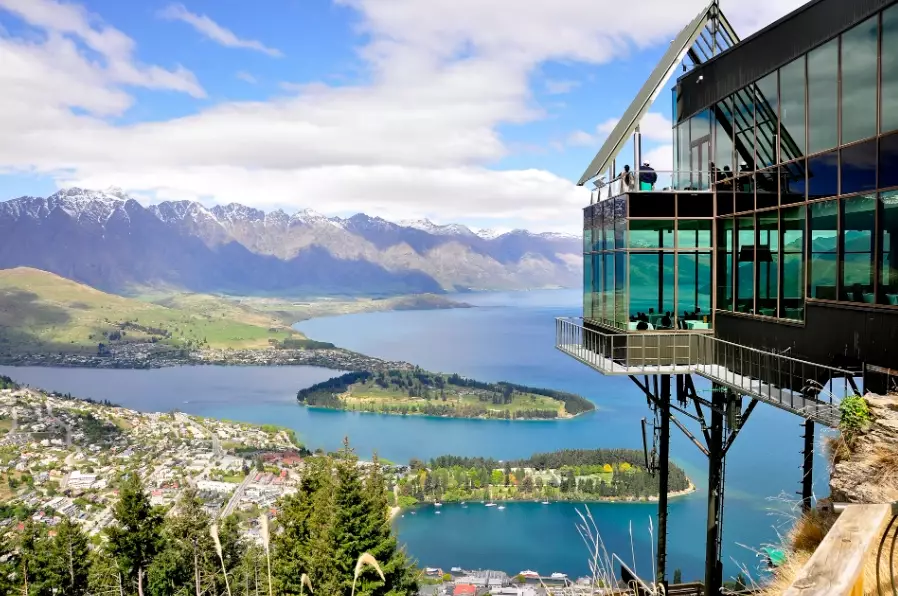
Planning is where it all comes together. Start by aligning your itinerary with these do's and don'ts. For a 10-day trip, focus on one island—say, the South Island for adventure. Here's a sample day in Queenstown:
- Morning: Hike the Queenstown Hill Trail (free, 2-3 hours). Do start early to avoid crowds. Don't forget sunscreen; the UV index is high.
- Afternoon: Jet boating on the Shotover River (book via Shotover Jet, NZ$149, 9 AM-5 PM). Do listen to safety briefings. Don't wear loose items that can fly off.
- Evening: Dinner at The Cow Restaurant (Cow Lane, open 5 PM-10 PM, pizza around NZ$25). Do try the local craft beer. Don't be noisy; it's a cozy spot.
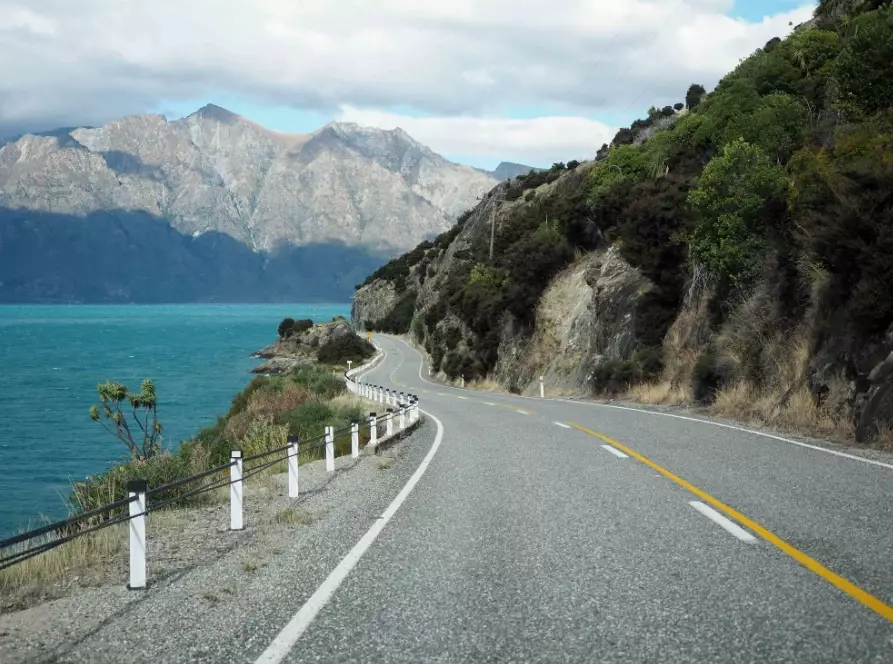 For accommodation, consider a mix: in Auckland, the Cordis Hotel (83 Symonds St, from NZ$250/night) offers luxury, but for a budget option, try YHA hostels (multiple locations, from NZ$30/night). Book ahead, especially in peak season (December-February).
Transport-wise, if you're not driving, InterCity buses are reliable (Auckland to Rotorua, NZ$50, 3.5 hours). But honestly, renting a car gives flexibility—just remember those left-side driving tips.
My own blunder: I once booked a hotel in Wellington without checking parking. It cost me NZ$40 extra per night. Now I always look for places with free parking, like the Museum Hotel (90 Cable St, NZ$180/night, includes parking).
Frequently Asked Questions
 Wrapping up, New Zealand is an incredible destination, but it rewards those who respect its nuances. From environmental care to cultural sensitivity, these do's and don'ts aren't just rules—they're your ticket to a deeper, smoother experience. I still remember my first visit, fumbling with a Maori greeting, but the locals smiled and helped me out. That's the spirit here. So pack your bags, keep this guide handy, and enjoy the journey. Safe travels!

Comments
Join the discussion