Let's cut to the chase: a two-week trip to New Zealand typically costs between $2,500 and $8,000 USD per person, but I've seen budgets swing from $1,500 for a bare-bones backpacker to over $15,000 for a luxury getaway. The real answer depends on your style, season, and how you slice the expenses. After three trips there—once as a broke student, once as a mid-range traveler, and once splurging on a honeymoon—I've learned where the money goes and how to stretch it. This guide dives deep into every cost, so you can plan without surprises.
What’s Inside: Your Quick Guide to NZ Trip Costs
- The Big Picture: Average Cost of a New Zealand Trip
- Breaking Down Every Expense: From Flights to Souvenirs
- How to Create Your Personal New Zealand Budget
- A Real-Life Example: My 14-Day South Island Road Trip Budget
- Insider Tips to Save Money Without Sacrificing Experience
- Your Questions Answered: New Zealand Trip Cost FAQ
The Big Picture: Average Cost of a New Zealand Trip
Most travelers spend about $150 to $300 per day per person. That's a broad range because New Zealand can be as cheap or expensive as you make it. Backpackers might scrape by on $80 a day by camping and cooking, while families or luxury seekers easily hit $500 daily. According to Tourism New Zealand data, the average international visitor spends around NZD $3,000 per trip, but that's just a starting point. I think many blogs underestimate the hidden costs—like domestic flights or parking fees in national parks. Let's break it down so you don't get caught off guard.
Breaking Down Every Expense: From Flights to Souvenirs
Here's where the rubber meets the road. I'll walk you through each category with real numbers from my last trip in 2023.
International and Domestic Flights
Flights are your biggest upfront cost. From the US or Europe, round-trip tickets to Auckland or Christchurch range from $800 to $2,000, depending on season and how early you book. I paid $1,200 from Los Angeles in peak summer, but snagged a deal for $900 by flying mid-week. Once in NZ, domestic flights add up. Auckland to Queenstown can cost $100 to $250 one-way. A common mistake? Assuming you'll drive everywhere—sometimes flying between islands saves time and money, especially with carriers like Air New Zealand offering competitive fares if booked early.
Accommodation: Hotels, Motels, and Hostels
Accommodation varies wildly. In major cities like Auckland or Wellington, a decent hotel room runs $120 to $250 per night. Motels and holiday parks offer more value at $80 to $150. For budget travelers, hostels like YHA or Base charge $25 to $40 for a dorm bed. I stayed at the Jucy Snooze in Christchurch—clean, central, and $35 a night. Here's a quick table to compare average nightly costs:
| Type | Price Range (USD) | Example |
|---|---|---|
| Luxury Hotel | $200 - $500+ | Hilton Queenstown Resort |
| Mid-Range Motel | $80 - $150 | Heartland Hotel, Rotorua |
| Budget Hostel | $25 - $40 | YHA Wanaka |
| Holiday Park Cabin | $60 - $100 | Top 10 Holiday Parks |
Food and Dining: From Cafes to Fine Dining
Food costs can sneak up on you. A meal at a casual cafe costs $15 to $25, while dinner at a nice restaurant hits $30 to $50 per person. I love Fergburger in Queenstown—their famous burger is around $15, and worth the hype. For savings, cook your own meals: groceries cost $50 to $80 per week. Don't miss the farmers' markets; I grabbed fresh produce at the Christchurch Riccarton Market for half supermarket prices.
Activities and Tours: Must-Do Experiences
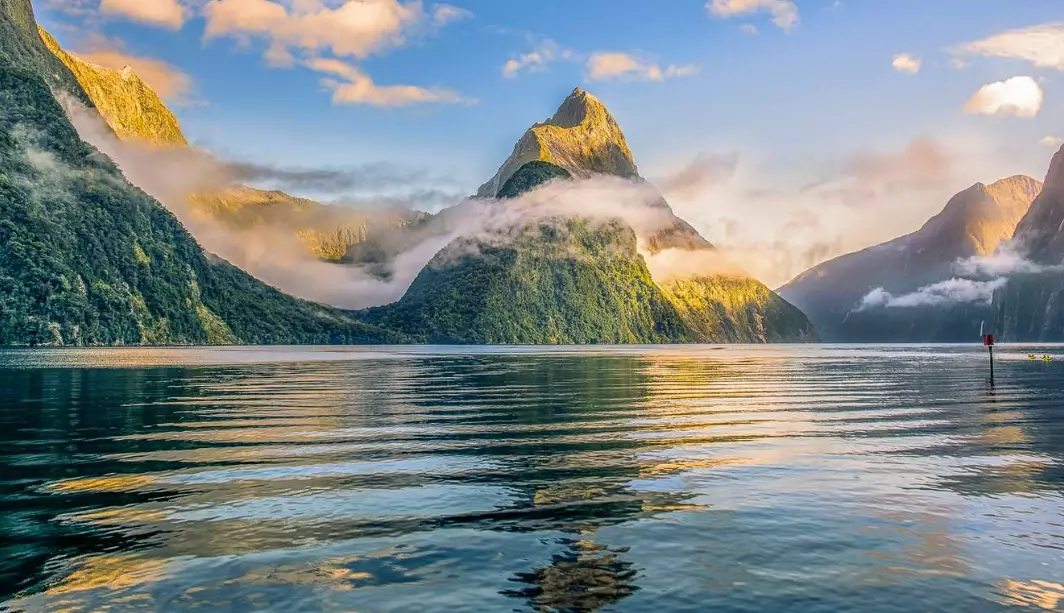
This is where budgets blow up. Popular tours aren't cheap. A Milford Sound cruise runs $80 to $150 (book at the Milford Sound Visitor Centre, open 8am-5pm). The Hobbiton movie set tour costs about $85. Adrenaline junkies: bungee jumping in Queenstown is $150 to $200. I skipped the guided glacier hike—at $300, it felt overpriced for what you get. Instead, I hiked the Tongariro Alpine Crossing on my own (free, just transport costs). Prioritize; not every activity is worth it.
Transportation Within New Zealand
Renting a car is popular. A compact car costs $40 to $80 per day, plus fuel (around $1.80 per liter). Campervans range from $100 to $250 daily. Public transport exists but is limited outside cities. I rented a car from Apex Car Rentals in Christchurch for $50 a day and drove 2,000 km—fuel added $300. Ferries between the North and South Islands (e.g., Interislander) cost $50 to $100 per person one-way; book early to avoid last-minute spikes.
Miscellaneous: Insurance, Souvenirs, etc.
Travel insurance is non-negotiable. For a two-week trip, expect $50 to $150 depending on coverage. Souvenirs like Maori carvings or wool products can add $20 to $100. I budgeted $50 for gifts and ended up spending $80 on some beautiful pounamu (greenstone) jewelry. Also, factor in parking fees (e.g., $10 per day at some trailheads) and occasional Wi-Fi charges.
How to Create Your Personal New Zealand Budget
Start by asking: What kind of traveler are you? Backpacker, family, or luxury seeker? Then, follow these steps:
Step 1: Set a daily allowance. Based on my breakdown, aim for $100 (budget), $200 (mid-range), or $300+ (luxury) per day per person, excluding flights.
Step 2: List must-do activities. Write down your top experiences and their costs. For example, if you want to do a Milford Sound cruise and a wine tour in Marlborough, that's $200 already.
Step 3: Choose accommodation wisely. Book a mix—hostels for cities, cabins for scenic spots. Use sites like Booking.com for deals, but don't overbook; flexibility saves money.
Step 4: Plan transportation. Consider a fly-drive combo. I once flew from Auckland to Queenstown and rented a car there, saving days of driving.
Step 5: Add a 10% buffer. Things always cost more. My buffer saved me when a car repair popped up.
Pro tip: Many travelers forget about exchange rates. As of now, 1 USD ≈ 1.6 NZD, but check current rates before you go—it can swing your budget by hundreds.
A Real-Life Example: My 14-Day South Island Road Trip Budget
Let me walk you through my last trip—a solo mid-range adventure focusing on nature and hiking. This was in March 2023, and I tracked every dollar.
Flights: LA to Christchurch round-trip: $1,100. Domestic flight Christchurch to Queenstown (one-way): $120.
Accommodation: 7 nights in hostels ($30 avg), 5 nights in motels ($100 avg), 2 nights camping ($15 avg). Total: $710.
Food: Ate out half the time, cooked half. Spent about $400 total.
Activities: Milford Sound cruise ($90), Hooker Valley track (free), a winery tour in Central Otago ($60). Total: $150.
Transportation: Rented a car for 12 days ($600), fuel ($250), ferry to Picton ($80). Total: $930.
Miscellaneous: Insurance ($70), souvenirs ($50), parking fees ($30). Total: $150.
Grand Total: $3,660. That's about $260 per day, right in the mid-range. I could've cut it to $2,500 by skipping the winery tour and camping more, but the experience was worth it.
Insider Tips to Save Money Without Sacrificing Experience
Here's where my 10 years of travel experience kicks in. Most guides say "book early," but that's not always true.
Travel off-season. April to May or September to November offer lower prices and fewer crowds. I visited in March—shoulder season—and saved 20% on accommodation.
Use grocery stores and local markets. Countdown and New World supermarkets are affordable. I stocked up on snacks and made picnic lunches for hikes.
Skip overpriced tours. Many natural attractions are free. Instead of a guided walk, I downloaded the Department of Conservation app for trail info and went solo.
Consider a relocation rental. Campervan companies often offer deals for one-way relocations—like $1 per day plus fuel. I missed out once because I didn't check Transfercar.co.nz early enough.
Leverage free activities. Hiking, beaches, and museums like Te Papa in Wellington (free entry) fill days without cost. I spent a whole day in Abel Tasman National Park just walking and swimming.
One non-consensus view: Domestic flights can be cheaper last-minute if you're flexible. I once scored a Auckland-to-Wellington flight for $50 by checking Air New Zealand's website two days before.
Your Questions Answered: New Zealand Trip Cost FAQ
 Wrapping up, a trip to New Zealand doesn't have to break the bank. With smart planning and these insights, you can tailor your budget to match your dreams. Start by listing your priorities, track expenses as I did, and remember—the landscapes are free, so soak them in. Happy travels!

Comments
Join the discussion