Let's be honest. When you think of Fiji, you picture pristine beaches, overwater bungalows, and endless sunshine. That's the product. But what's the engine behind it? The Fiji tourism industry is a complex, vital machine that doesn't just host vacations—it powers the nation. Understanding these facts isn't just trivia; it helps you make smarter travel choices, from when to go to where your money actually ends up. I've spent over a decade watching this industry evolve, and the story is more fascinating than the brochure lets on.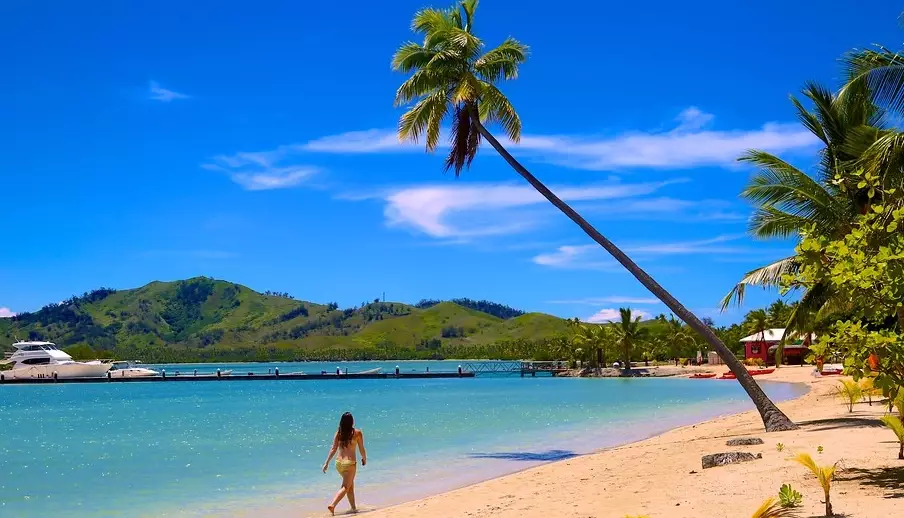
Your Quick Guide to Fiji's Tourism Landscape
How Does Tourism Shape Fiji's Economy?
This is the big one. Tourism isn't just a sector in Fiji; for decades, it's been the primary economic driver. Before the pandemic, it directly contributed around 35-40% to the nation's GDP. Think about that. Nearly four out of every ten dollars in the Fijian economy came from tourism. The collapse in 2020 was a brutal reminder of this dependency, but the rebound has been strong, underscoring its irreplaceable role.
It's also the largest employer. The Fiji Bureau of Statistics estimates that tourism supports, directly and indirectly, over 150,000 jobs. That's a huge chunk of the workforce in a country of just under 1 million people. From the hotel staff in Nadi to the boat captain in the Yasawas and the farmer supplying produce to resorts, the ripple effect is immense.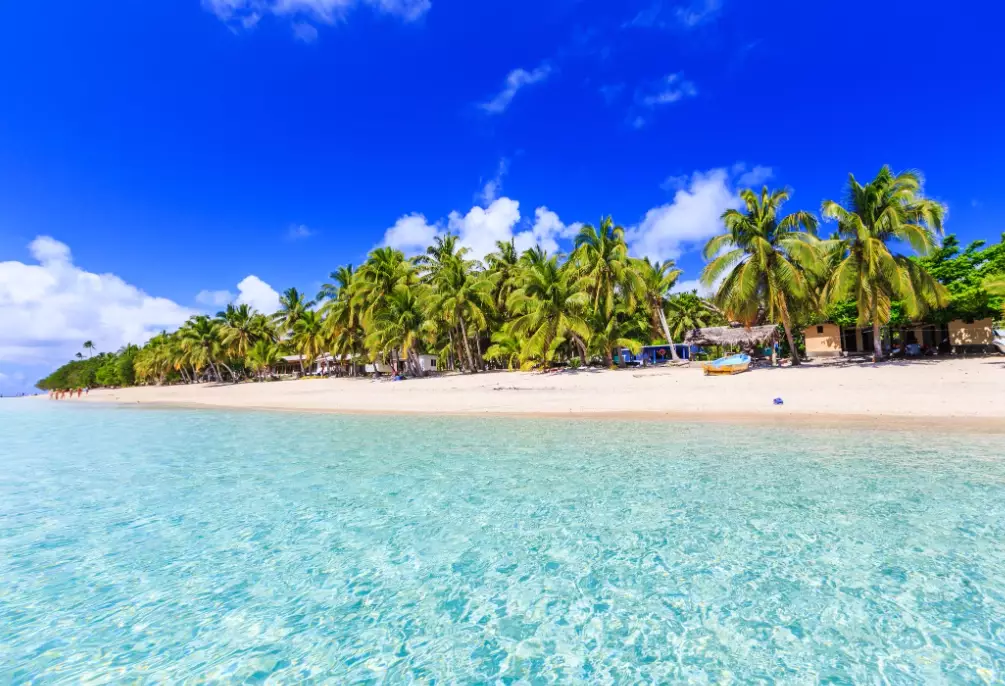
A Local's Perspective: The recovery post-2020 showed something interesting. While big international chains are crucial, there's been a deliberate push to bolster smaller, locally-owned businesses—Fijian-owned tour operators, homestays, and craft markets. This keeps more revenue within local communities, which is a shift worth supporting as a traveler.
Who Visits Fiji? Key Visitor Facts
Fiji's visitor profile tells a story of proximity and aspiration. The numbers from Tourism Fiji show a clear hierarchy.
Australia and New Zealand are the undisputed powerhouses. They make up over 70% of all arrivals in a typical year. It's a short flight (3-4 hours from Australia's east coast), a familiar currency zone, and a classic winter sun escape. The travel patterns are consistent and form the industry's bedrock.
North America (the USA and Canada) is the prized long-haul market. Visitors from here tend to stay longer and spend more, often splurging on those iconic overwater bungalows in the Mamanuca or Yasawa islands. They are a key target for high-value tourism.
Emerging markets like China are watched closely for growth potential. Pre-pandemic, Chinese visitor numbers were rising steadily, influencing services like Mandarin-speaking guides and specific culinary offerings in major resorts.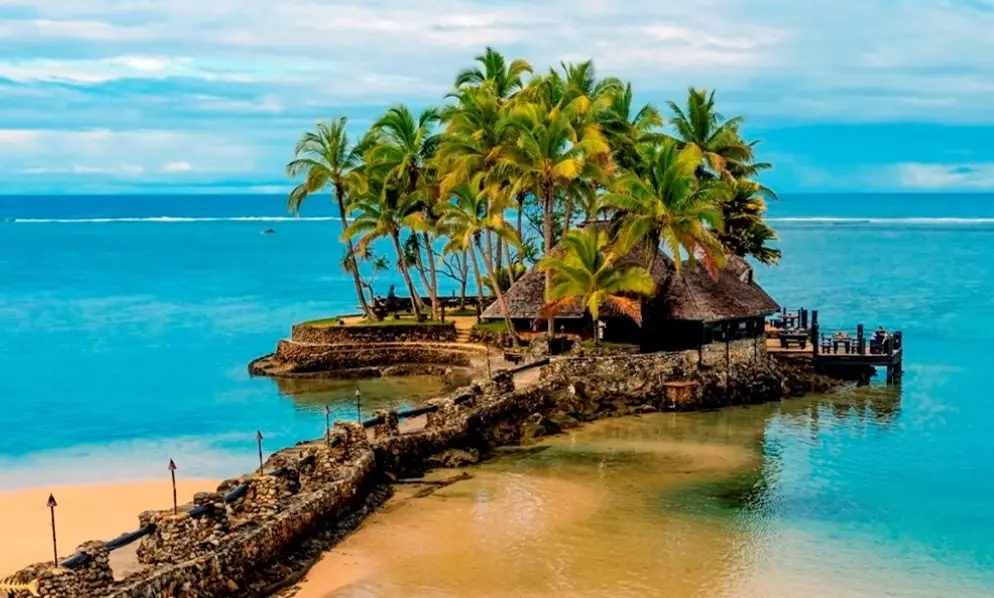
Here's a snapshot of pre-pandemic visitor arrival numbers to illustrate the mix:
| Market | Approximate Share of Arrivals | Key Characteristics |
|---|---|---|
| Australia | ~50% | Short trips, families, repeat visitors. |
| New Zealand | ~20% | Similar to Australia, strong adventure travel segment. |
| USA & Canada | ~15% | Longer stays, higher spend, honeymooners. |
| Europe & Others | ~10% | Diverse, often seeking off-the-beaten-path experiences. |
| Asia (excl. China) | ~5% | Growing market, mix of leisure and business. |
What Are the Most Popular Tourist Activities in Fiji?
The industry is built on a few core pillars. It's not just lying on the beach—though that's a major part of it.
Island Hopping and Marine Adventures
The Mamanuca and Yasawa island chains are the epicenter. Day cruises from Denarau or longer resort stays offer world-class snorkeling and diving, particularly on the Great Astrolabe Reef near Kadavu and the soft coral reefs of the Bligh Water. A common mistake first-timers make is trying to see too many islands in a short time. The transfers can eat up your day. Pick one or two island groups and explore them deeply.
Cultural Tourism (The Real "Fiji Time")
Resort-led cultural shows are popular, but the more authentic experiences are found in village visits. Participating in a kava ceremony (sevusevu) is a must-do to show respect. Many tour operators, like those endorsed by the Fiji Village Tourism Association, facilitate these visits with protocols. My personal recommendation? Skip the large, staged shows at big hotels if you can and opt for a small-group tour to a village that genuinely receives guests. The difference in connection is profound.
Adventure and Wellness
Inland, Viti Levu offers river rafting on the Upper Navua, hiking to hidden waterfalls in the highlands, and zip-lining. Wellness tourism is booming—not just spa treatments, but holistic retreats combining yoga, organic Fijian food, and digital detoxes.
How Sustainable is Tourism in Fiji?
This is the industry's biggest challenge and most critical evolution. Fiji is on the front line of climate change. Resorts are increasingly powered by solar, rainwater is harvested, and plastic reduction is a major focus. Many have their own marine conservation programs.
The real test is overtourism in fragile zones. Some popular snorkeling spots in the Mamanucas can get crowded. The industry is responding with managed access and educating visitors on reef-safe sunscreen and behavior. When you book, look for properties with certifications or clear sustainability policies on their websites. Your choice directly funds these practices.
Planning Your Trip: Practical Industry Insights
Knowing how the industry works helps you plan better.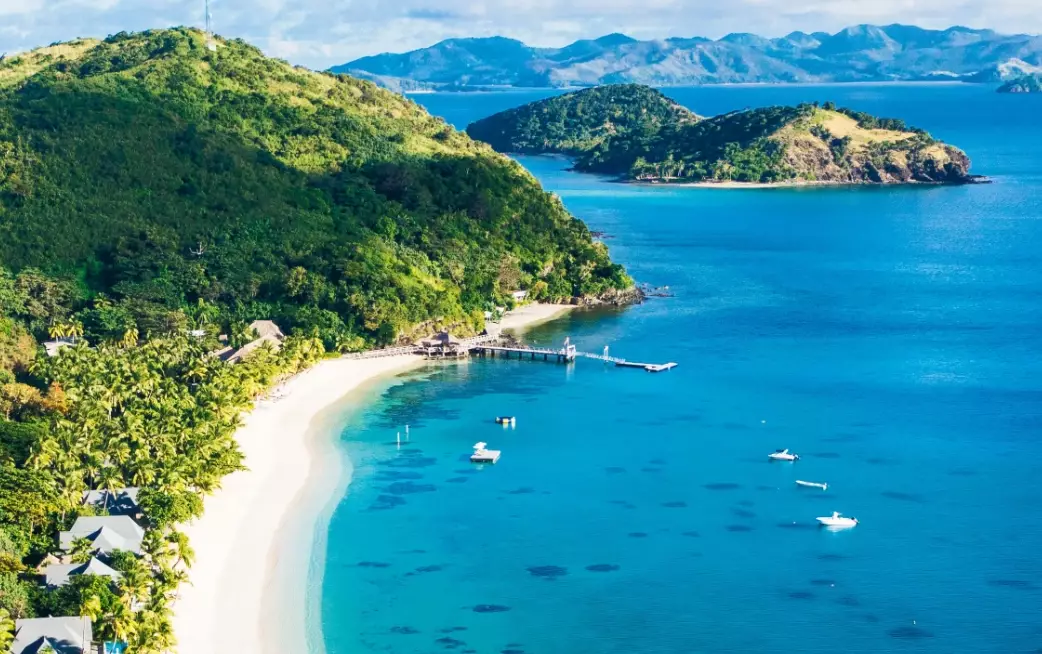
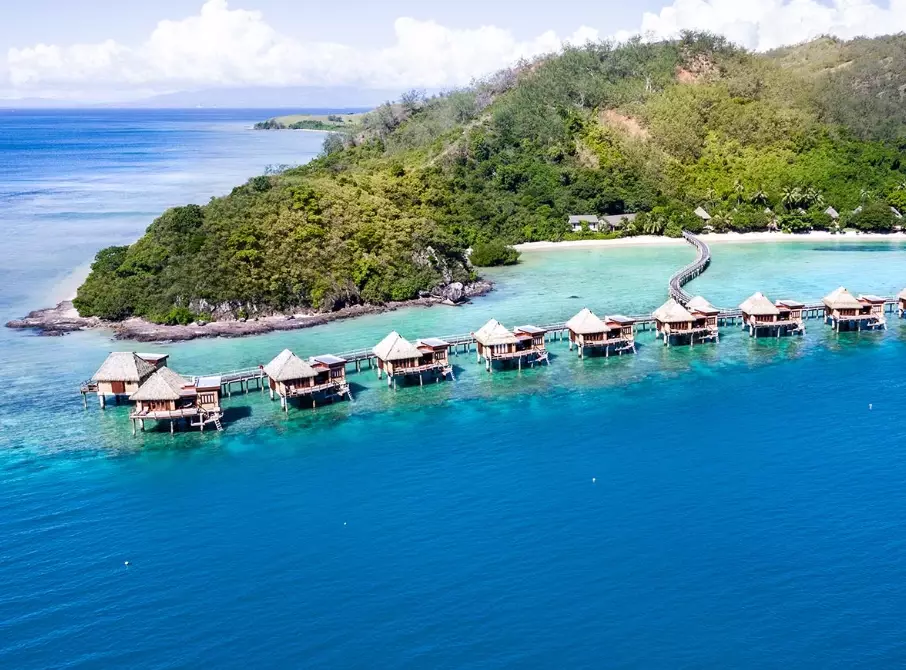
Best Time to Go & Costs: The dry season (May-Oct) is peak. Prices are highest, especially July-Sept. The wet season (Nov-Apr) is cheaper and lusher, but with higher rain and cyclone risk. Shoulder months (April, November) can be a sweet spot. The industry's pricing is tiered: budget backpacker hostels, mid-range family resorts, and luxury private-island escapes. That overwater bungalow? It's the industry's premium product, costing $1,000+ per night. A more affordable alternative is a beautiful beachfront villa (bure) which offers a similar connection to the ocean.
Getting Around: The hub-and-spoke model is key. You'll likely fly into Nadi (NAN). From there, domestic flights (Fiji Airways), fast catamarans (like South Sea Cruises), and small ferries connect you to the islands. The industry is set up for this transfer network—book them as packages with your accommodation for ease.
Accommodation Spectrum:
- Luxury Resorts & Private Islands: (e.g., Laucala, Kokomo) All-inclusive, ultra-exclusive.
- International Chain Resorts: (e.g., Hilton, Sheraton on Denarau) Reliable, family-friendly, great amenities.
- Fijian-Owned Resorts & Boutique Hotels: (Scattered across islands) More character, directly supports local owners.
- Backpacker Hostels & Guesthouses: (Especially in the Yasawas) Social, budget-friendly, adventure-focused.
Your Fiji Tourism Questions Answered
Comments
Join the discussion