If you've ever lounged on the powdery white sand of the Mamanucas or snorkeled in the Rainbow Reef, you've probably heard a mix of accents around you. Australian twangs, American drawls, the distinctive vowels of a Kiwi. It's not just your imagination. The composition of tourists in Fiji follows a very clear, data-backed pattern. Understanding where visitors come from isn't just trivia—it shapes everything from flight availability and resort offerings to the cultural exchanges you'll experience. Let's cut through the guesswork and look at the hard numbers.
What's Inside This Guide?
- Where Do Most Tourists in Fiji Come From? (The Data)
- Why These Countries Top the List: Key Drivers of Fiji Tourism
- Beyond the Beach: The Economic Impact of Tourist Origins
- What This Means for You: Practical Takeaways for Travelers
- Shifting Sands: Future Trends in Fiji's Visitor Arrivals
- Your Fiji Tourist Origins Questions Answered
Where Do Most Tourists in Fiji Come From? (The Data)
According to the latest annual reports from Fiji Bureau of Statistics and Tourism Fiji, the leaderboard of visitor arrivals is remarkably stable year after year. The Pacific region, dominated by Australia and New Zealand, consistently delivers the vast majority of tourists. Here’s the breakdown based on the most recent full year of data.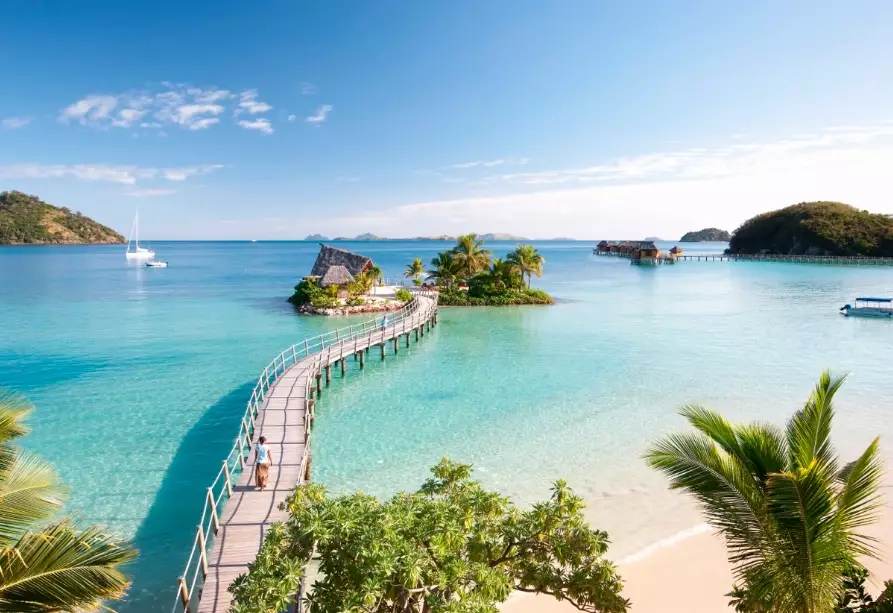
| Rank | Country/Region of Origin | Approximate Share of Total Arrivals | Key Characteristics |
|---|---|---|---|
| 1 | Australia | ~40-45% | The undisputed heavyweight. Short flight, strong currency, and a deep cultural connection make Fiji a top holiday choice. |
| 2 | New Zealand | ~20-25% | Closest major neighbor. A popular spot for family holidays, weddings, and short breaks. |
| 3 | United States | ~10-15% | The leading long-haul market. Drawn by luxury resorts, honeymoon packages, and direct flights from LA and SF. |
| 4 | United Kingdom & Europe | ~5-8% | A significant long-haul segment seeking winter sun and bucket-list travel. |
| 5 | China & Rest of Asia | ~5-10% (Variable) | A growth market pre-pandemic, with recovery ongoing. Attracted by visa-free travel and luxury shopping. |
| 6 | Canada | ~3-5% | Similar profile to the US market, often escaping the harsh Northern winter. |
| 7 | Other Pacific Islands | ~5% | Primarily regional travel for business, family, and education. |
The dominance of Australia and New Zealand is staggering—together, they often account for two-thirds of all tourist arrivals. This isn't a new phenomenon; it's a structural reality of geography and economics. The US market, while smaller in percentage, is crucial because American tourists tend to stay longer and spend more per trip, according to Tourism Fiji's expenditure surveys.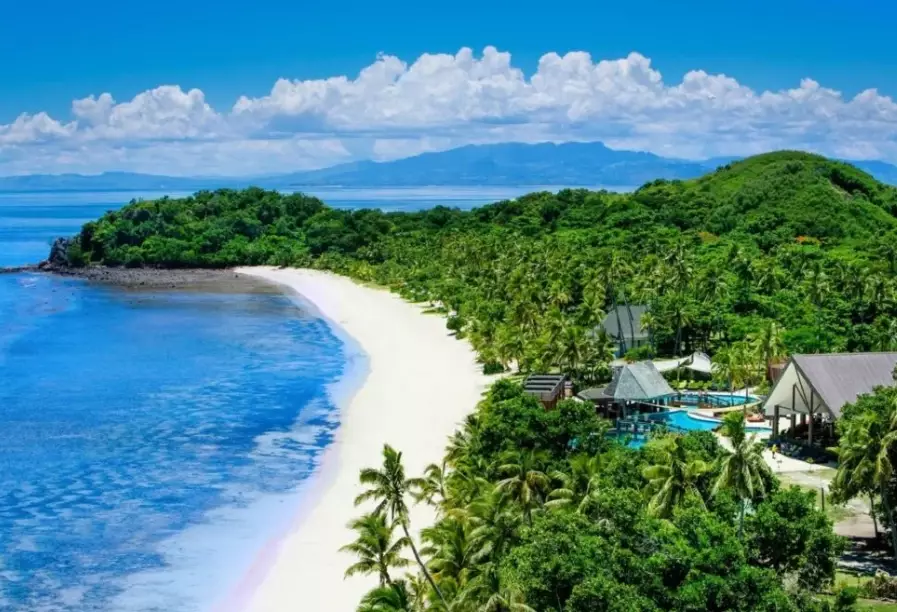
Local Insight: Working in tourism here for years, you notice the seasons dictated by these markets. June-July is packed with Aussie families on school holidays. Late October is Kiwi families. December to January is a global mix, heavy with Americans and Europeans. February-March? That's often the quiet period before the Easter rush starts again.
Why These Countries Top the List: Key Drivers of Fiji Tourism
It's not random. Several powerful factors lock in this hierarchy.
Proximity and Flight Connections
This is the biggest factor. From Sydney or Brisbane, it's a 3-4 hour flight. From Auckland, it's barely 3 hours. That puts Fiji in the same travel-time bracket as a domestic holiday for many Australians and New Zealanders. Multiple daily flights by carriers like Fiji Airways, Qantas, and Air New Zealand keep fares competitive. For Americans, the direct flight from Los Angeles (about 10 hours) is a key enabler. Europe's distance is its main barrier.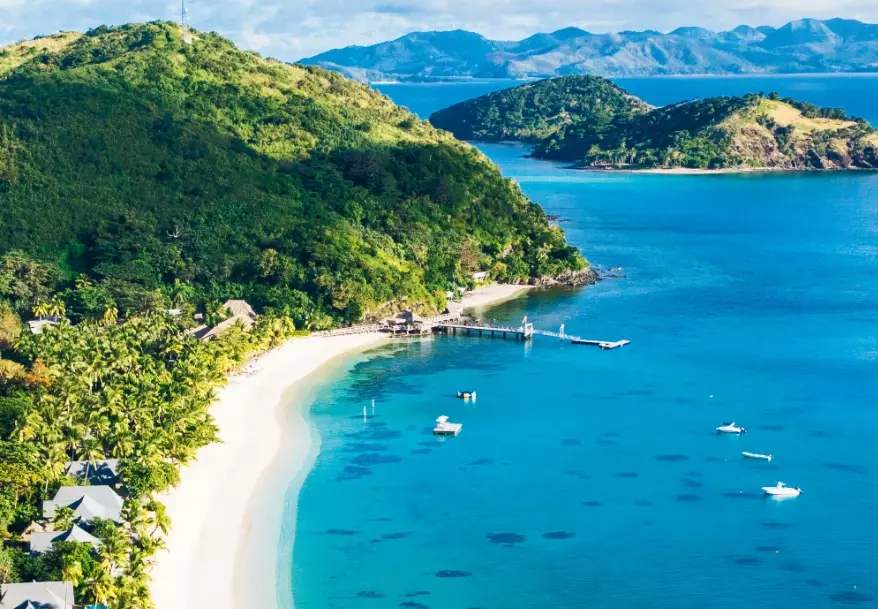
Economic and Cultural Ties
Australia and New Zealand have deep historical, business, and diplomatic links with Fiji. Many Fijians have family living in these countries, and vice-versa. This creates a steady stream of VFR (Visiting Friends and Relatives) travel woven into the tourism numbers. The strength of the Australian and New Zealand dollars against the Fijian dollar also makes the destination feel affordable for them.
Marketing and Perceived Value
Tourism Fiji strategically targets its marketing budget. You'll see far more ads during Australian and New Zealand TV shows than anywhere else. The messaging is tailored: for Aussies, it's about adventure and family fun; for Americans, it's unadulterated luxury and romance. The perception of Fiji as a safe, English-speaking, and welcoming destination is particularly strong in these core markets.
There's a common misconception that all Australian tourists are wealthy retirees. The reality on the ground is more varied. You get backpackers heading to Beachcomber Island, families at the big resorts in Denarau, and couples splurging on Yasawa island resorts. The market is broad.
Beyond the Beach: The Economic Impact of Tourist Origins
Where tourists come from directly influences where money flows in Fiji's economy.
The Australian and New Zealand dominance means the tourism sector is highly sensitive to economic downturns in those countries. A recession in Sydney can empty rooms in Nadi faster than a cyclone warning. This reliance is a double-edged sword—it provides steady volume but exposes Fiji to external shocks.
The American market, though smaller, is the profit engine for the high-end segment. Resorts like Likuliku, Laucala, and the St. Regis cater heavily to this demographic. Their longer average stay (10-14 nights vs 5-7 for Aussies) and higher daily spend on activities and fine dining disproportionately support luxury employment and niche operators (like private dive charters).
The push to diversify markets, like recovering the Chinese market, is an economic stability strategy. A report from the World Bank has previously highlighted the importance of tourism export diversification for Pacific Island economies. More source markets mean more resilience.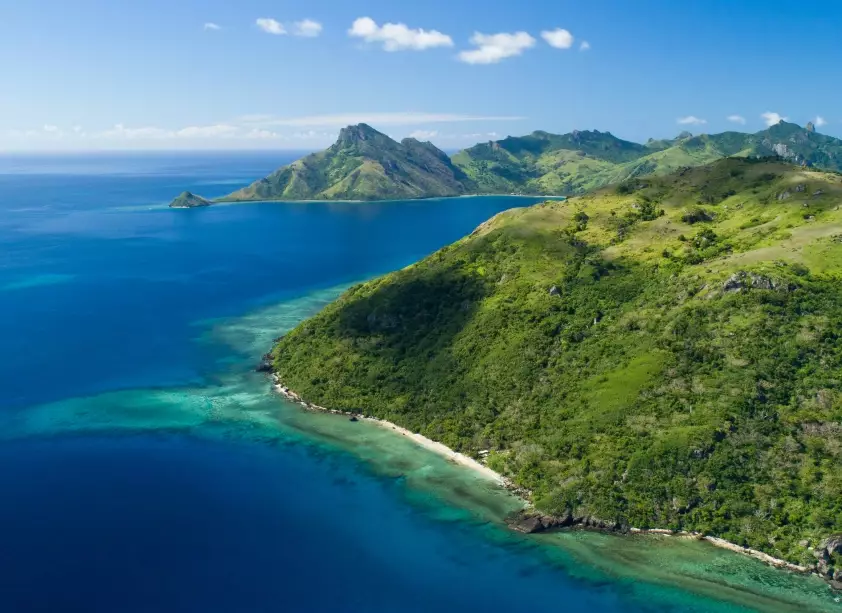
What This Means for You: Practical Takeaways for Travelers
How does this data affect your trip? In more ways than you might think.
Flight Deals: If you're flying from the US or Europe, look for deals that partner with Fiji Airways' major partners (like American Airlines or Qantas). Sales often target filling seats from the primary gateways (LAX, SFO). From Australia/NZ, sign up for alerts from Jetstar, Virgin Australia, and Fiji Airways for relentless price competition.
Resort Vibe & Booking: Want a more "local" or international mix? If you book a well-known resort in Denarau during Australian school holidays, expect it to be dominated by families from Brisbane and Melbourne. For a quieter, more couples-oriented atmosphere, look at smaller adults-only resorts in the Mamanucas or Yasawas, which attract a broader global clientele. Booking outside of peak Aussie/Kiwi holiday periods (late Sept-Oct, Feb-March) can also change the demographic feel.
Pricing & Services: The entire service infrastructure is built around these core markets. You'll find Australian power outlets in many rooms, Aussie meat pies on menus, and rugby on the bar TV. This isn't a lack of Fijian culture—it's a pragmatic response to customer demand. It also means you rarely feel "out of place" as an English speaker.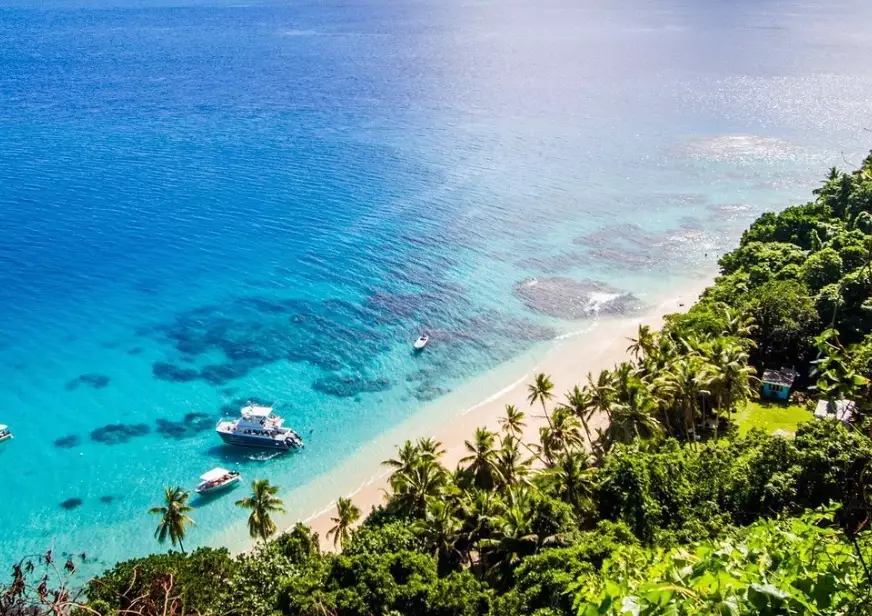
Shifting Sands: Future Trends in Fiji's Visitor Arrivals
The map isn't static. A few trends are worth watching.
The China Factor: Pre-2020, China was the fastest-growing market, on track to potentially challenge the US for the #3 spot. The recovery post-pandemic has been slower, but the underlying drivers—a growing middle class, direct flight potential, and visa-free access—remain. The future scale of this market will significantly alter the tourist landscape.
India's Emergence: This is the dark horse. With a huge diaspora in both Fiji and the traditional source markets (Aus, NZ, US), and increasing direct air connectivity discussions, India represents a massive potential growth market, particularly for cultural and wedding tourism.
Sustainability as a Draw: A trend across all markets, but particularly from Europe and North America, is the demand for authentic, sustainable, and community-based tourism. This is shifting some investment away from mega-resorts and towards smaller, eco-conscious ventures that can attract travelers seeking a deeper connection, even if they spend less per night.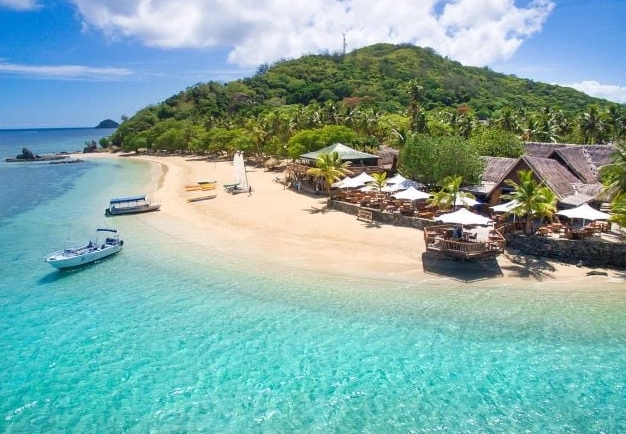
Your Fiji Tourist Origins Questions Answered
So, the next time you're sharing a kava bowl or watching a sunset in Fiji, listen to the accents around you. The patterns you hear aren't random—they're the result of decades of geography, economics, and marketing. Understanding this not only satisfies curiosity but gives you a smarter lens through which to plan your own unforgettable Fijian escape.




Comments
Join the discussion