Let's cut straight to the point. The official currency of New Zealand is the New Zealand Dollar (NZD). You cannot routinely use US Dollars (USD) for daily purchases. That's the simple answer. But, like many things in travel, the reality has a few more layers. Some tourist-oriented businesses, especially in hotspots like Queenstown or Auckland's waterfront, might accept your greenbacks. I've seen it happen. The real question you should be asking isn't just "can I?" but "should I?" The answer to that is almost always a resounding no, and I'll explain exactly why, backed by over a decade of watching travelers make the same costly mistakes.
What You'll Learn in This Guide
- The Short Answer: Can You Use USD in New Zealand?
- Where Might US Dollars Be Accepted (And Why It's Risky)
- The Realities of Exchange Rates and Hidden Fees
- How to Get the Best Value: Your Payment Strategy
- Essential Tips for Handling Money in New Zealand
- Frequently Asked Questions (Answered by a Local)
The Short Answer: Can You Use USD in New Zealand?
No, not reliably. New Zealand's legal tender is the New Zealand Dollar (NZD). Supermarkets, gas stations (petrol stations), local cafes, bus services, and 99% of retail stores will only accept NZD. Trying to pay with USD at a dairy (corner store) for your milk and snacks will get you a confused look at best.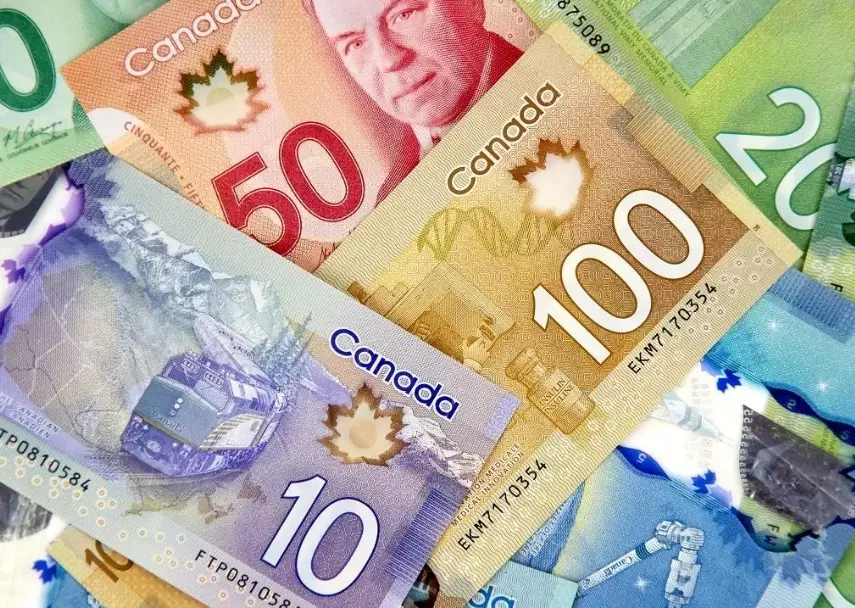
The Reserve Bank of New Zealand is clear on this. While there's no law strictly forbidding a private business from accepting foreign currency if they choose to, they are under no obligation to do so. Think of it this way: you're asking a small business owner to act as a currency exchange booth, taking on the hassle and risk for your convenience. Most won't.
So, planning your trip around using USD is a surefire way to run into problems. Your trip deserves better.
Where Might US Dollars Be Accepted (And Why It's Risky)
There are a few exceptions, but treat them as last resorts, not a plan.
Major Tourist Hubs and Duty-Free
Some large souvenir shops in places like Rotorua, Queenstown's Shotover Street, or Auckland's souvenir stalls near the cruise terminal might accept USD. I've seen signs saying "USD Accepted" next to the counter. Duty-free stores at international airports (Auckland, Christchurch, Wellington) often accept major foreign currencies, including USD, because their entire customer base is international travelers.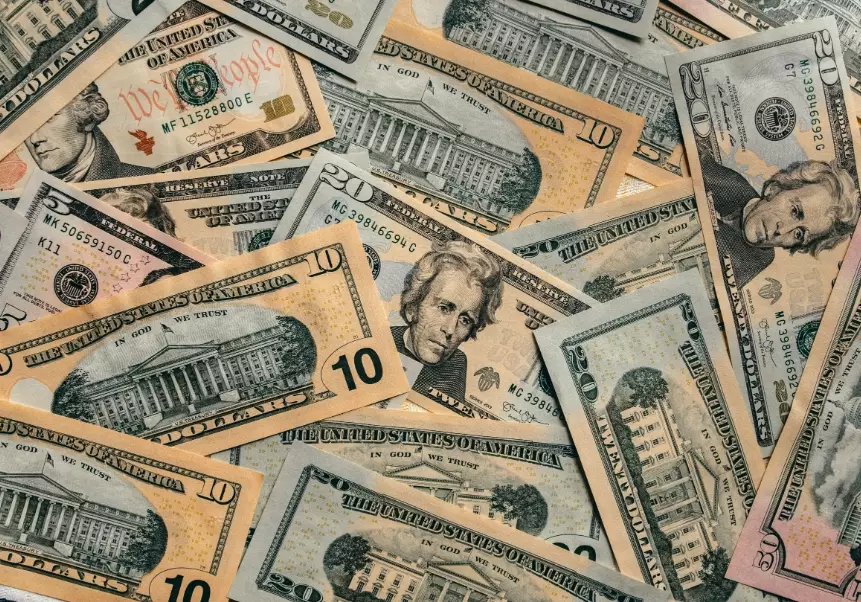
Here's the catch nobody tells you: The exchange rate they use will be terrible. It's set by the store, not the market. I once watched a tourist buy a $60 NZD sweater in Queenstown with a $50 USD bill. At the time, the real exchange rate meant $50 USD was worth about $75 NZD. They effectively paid a 25% premium for the "convenience." The shopkeeper won't point this out.
Smaller Shops and Remote Areas: A Gamble
In very remote areas with fewer banking services, like some parts of the Far North or Stewart Island, a local business might take USD as a courtesy if you're genuinely stuck. But this is rare and shouldn't be expected. You're putting them in an awkward position.
Hotels, especially larger international chains, are more likely to accept USD for your room bill, but again, the exchange rate will be punitive. It's always better to ask the rate before you agree to the transaction.
The Realities of Exchange Rates and Hidden Fees
This is where most travelers lose money without realizing it. Let's break down where you get NZD and what it really costs.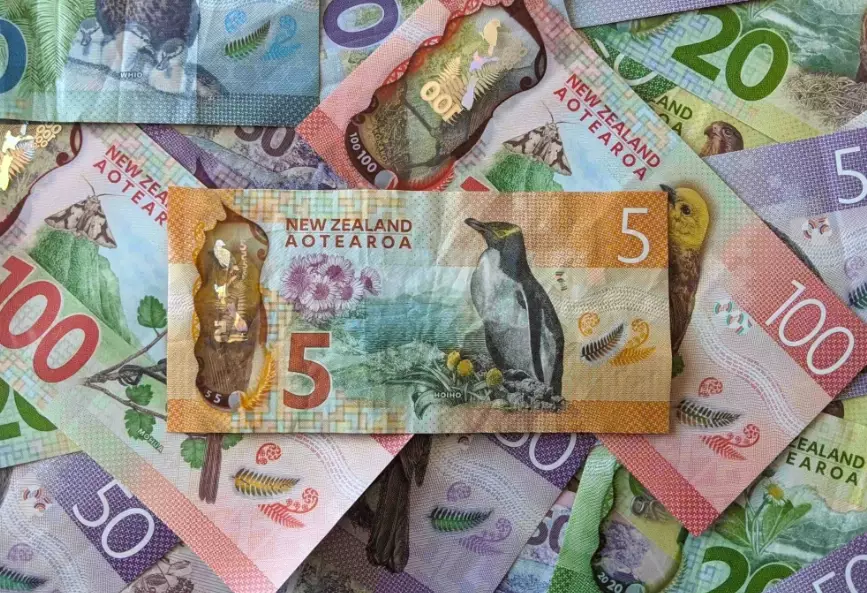
| Method | Typical Exchange Rate | Fees | Convenience & Speed | Overall Value |
|---|---|---|---|---|
| Airport Kiosks | Poor (5-10% worse than market) | High fixed commission | Very High (available on arrival) | Worst. Only for emergency cash. |
| Hotel Front Desk | Very Poor (often 10-15% markup) | Hidden in the rate | High | Bad. A massive mark-up for convenience. |
| Local Bank Branch (e.g., ANZ, BNZ) | Fair to Good | Moderate commission (e.g., $5-$10 NZD) | Low (requires visit during business hours) | Good for large amounts. Secure but slower. |
| ATM Withdrawal (with your foreign card) | Excellent (Visa/Mastercard network rate) | Your bank's foreign transaction fee (often 1-3%) + possible ATM operator fee ($2-$5 NZD) | Very High (ATMs everywhere) | Best for most travelers. Especially with a fee-free card. |
| Credit/Debit Card Payment (at point of sale) | Excellent (network rate) | Your bank's foreign transaction fee (if applicable) | Highest (tap-and-go is king in NZ) | Best overall. The default for most purchases. |
Notice a pattern? The more convenient the location (airport, hotel), the worse the rate. The best rates come from the electronic networks (ATMs, cards). A common mistake is changing a lot of cash at the airport "to be safe." You're just burning money before your trip even starts. Get a small amount ($100-$200 NZD) for immediate expenses like a bus or coffee, then use ATMs.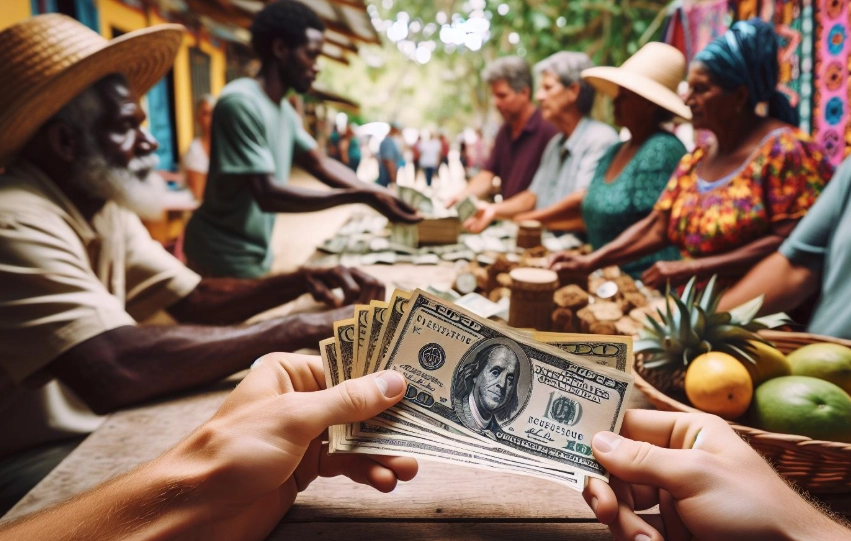
How to Get the Best Value: Your Payment Strategy
Based on everything above, here's the smartest way to handle money in New Zealand.
- Get a travel-friendly card before you leave. This is the single most important step. Apply for a debit or credit card that has no foreign transaction fees and reimburses ATM fees. Cards from providers like Charles Schwab, Capital One, or certain credit unions are famous for this. This one move nullifies almost all the fees in the table above.
- Use your card for 90% of purchases. New Zealand is a largely cashless society, especially in cities. Contactless payments (tap-and-go) are accepted almost everywhere, from fancy restaurants to food trucks and even some public transport. It's secure, quick, and you get the best possible rate.
- Withdraw NZD cash from ATMs as needed. Use your fee-free card at bank-owned ATMs (like ASB, BNZ, Westpac). Avoid the standalone "independent" ATMs in bars or convenience stores, which charge higher operator fees. When the ATM asks if you want to be charged in USD or NZD, always choose NZD. This lets your bank do the conversion. If you choose USD, the ATM operator applies a horrible rate—a scam called Dynamic Currency Conversion (DCC).
- Carry a small amount of physical NZD cash. Have maybe $50-$100 NZD on hand for farmers' markets, small food stalls, parking meters, or tips for exceptional tour guides. You don't need wads of cash.
- Notify your bank of your travel plans. This prevents them from freezing your card when they see transactions from New Zealand.
Local Insight: Many travelers worry about needing cash for tips. Tipping is not expected or customary in New Zealand. Staff are paid proper wages. If you get incredible service at a restaurant or on a tour, a 5-10% tip is a lovely gesture, but paying by card for the bill and leaving some cash is perfectly fine.
Essential Tips for Handling Money in New Zealand
- Declare cash over $10,000 NZD. If you're bringing a large amount of any currency into the country, you must declare it to New Zealand Customs. This is a legal requirement.
- Beware of "No Fee" exchange signs. They often have the worst rates, making the "fee" irrelevant. Always ask for the final amount of NZD you will receive for your USD before agreeing.
- Have a backup card. Keep a second card (from a different account) in a separate place in case one is lost, stolen, or blocked.
- Use money transfer apps with caution. Apps like Wise (formerly TransferWise) are fantastic for sending money to a New Zealand bank account ahead of time (e.g., for a tour deposit). But for everyday spending, their debit card is just another card—useful if it has no fees.
Frequently Asked Questions (Answered by a Local)
I saw a souvenir shop in Queenstown with prices in USD. Is that a good deal?
Almost certainly not. This is a classic tactic aimed at making American tourists feel comfortable. The USD price is calculated using a terrible in-house exchange rate, often with a hefty markup. Always ask for the price in NZD and pay with your NZD cash or card. You'll almost always pay less.
Should I exchange my money in the US before I fly to New Zealand?
Generally, no. Your bank in the US will give you a poor rate and likely charge a fee. You'll also be carrying a large amount of cash, which is a security risk. The only exception might be if your US bank has a special relationship with a NZ bank and can offer a good rate—but that's rare. The ATM-on-arrival strategy is superior 99% of the time.
What's the one mistake with ATMs I should absolutely avoid?
Letting the ATM convert the currency for you. When the screen pops up saying, "You can be charged in USD for your convenience," or something similar, you must click "NO" or "Continue in Local Currency (NZD)." If you accept, you authorize Dynamic Currency Conversion (DCC), which adds 3-10% to your cost instantly. Your bank's conversion will always be better.
I have leftover NZD cash at the end of my trip. What should I do?
Spend it! Use it for your last meal, snacks at the airport, or duty-free shopping. Exchanging it back to USD at an airport kiosk will cost you another round of terrible rates and fees. It's better to leave with empty pockets. Small coins can't be exchanged back, so consider donating them to a charity box before you pass through security.
Are traveler's checks still a thing in New Zealand?
Barely. While some banks may still cash them, it's a cumbersome process that can involve long waits and high fees. Most younger retail staff have never even seen one. They are obsolete. Do not bring traveler's checks to New Zealand.
The bottom line is simple: respect the local currency. Plan to use New Zealand Dollars. By arming yourself with a good travel card and understanding the pitfalls of poor exchange practices, you'll save a significant amount of money—money that's better spent on an extra heli-hike in Franz Josef, a wine tour in Marlborough, or a unforgettable Maori cultural experience. Your wallet (and your trip memories) will thank you.


Comments
Join the discussion