Let's cut to the chase. Picking the best time to visit New Zealand's North Island isn't about finding one perfect month—it's about matching your trip to the weather, crowds, and activities you care about. I've spent years exploring this region, from summer beach days to winter mountain hikes, and I'll tell you straight: most guides oversimplify it. They just parrot "summer is best" without mentioning the packed roads or sky-high prices. Here, I'll break down each season with specifics, so you can decide based on what matters to you.
Jump to What Matters Most for Your Trip
- Why Timing Matters for Your North Island Adventure
- A Close Look at Each Season: Weather, Crowds, and Activities
- Top Activities and When to Do Them
- A Sample 7-Day Itinerary for Different Seasons
- Practical Tips: Accommodation, Transport, and Budget
- Frequently Asked Questions (Your North Island Timing Queries Answered)
Why Timing Matters for Your North Island Adventure
New Zealand's North Island has a temperate climate, but the seasons swing wildly. Get it wrong, and you might face rain-soaked hikes or miss out on key events. I once visited in January, thinking it'd be all sunshine, but ended up stuck in traffic near Coromandel for hours. The North Island's charm—think geothermal wonders in Rotorua, Maori culture, and coastal drives—shifts with the months. Your timing affects everything: hotel availability, rental car costs, and even which trails are open. For instance, the Tongariro Alpine Crossing closes in winter due to snow, but that's when ski fields like Whakapapa light up. It's not just about good weather; it's about aligning with your interests.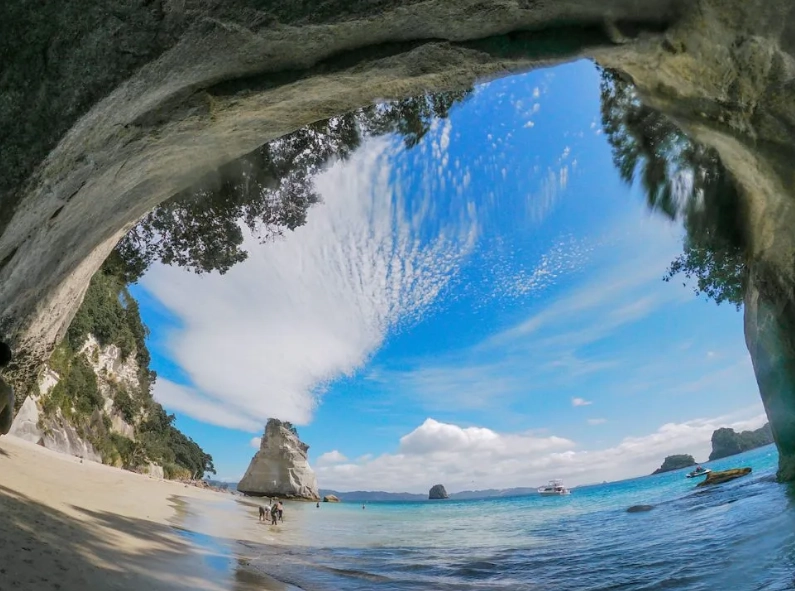
A Close Look at Each Season: Weather, Crowds, and Activities
Let's dive into the details. I've split this into four seasons, but remember, New Zealand's seasons are opposite the Northern Hemisphere: summer is December-February, autumn March-May, winter June-August, and spring September-November.
Summer (December to February): Sunshine and Festivals (But Packed)
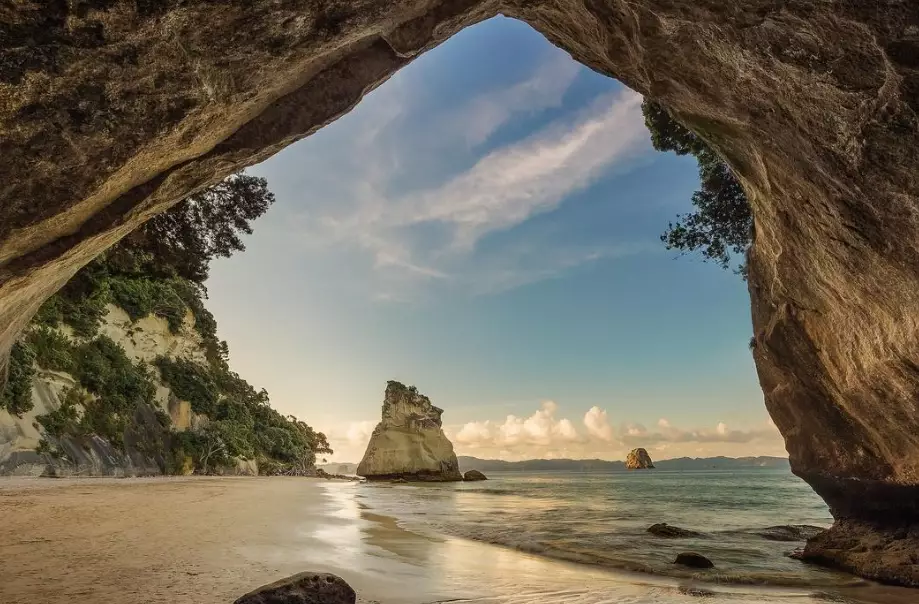
Summer is peak season. Temperatures hover around 20-25°C (68-77°F) in most areas, perfect for beaches like Cathedral Cove in the Coromandel. But here's the catch: everyone else thinks so too. Accommodation books out months ahead, and prices spike. I paid NZ$250 per night for a basic motel in Auckland last February. Key events include the Rhythm and Vines music festival in Gisborne (late December) and outdoor concerts. If you love crowds and long days, go for it. But if you dislike waiting in lines, consider shoulder seasons.
For specific spots: Hobbiton Movie Set near Matamata is a must-see. Address: 501 Buckland Road, Matamata. Summer hours: 9am-5:30pm, tours from NZ$89. Book online to avoid sell-outs. The Waitomo Glowworm Caves (Waitomo Caves Road, Waitomo) are cooler inside, but the area gets busy; tickets around NZ$55.
Autumn (March to May): Golden Colors and Mild Temperatures
This is my personal favorite. Crowds thin out, temperatures drop to 15-20°C (59-68°F), and landscapes turn golden. It's ideal for hiking—the Tongariro Alpine Crossing is less crowded than summer, though check conditions on the Department of Conservation website. I did it in April and had the Emerald Lakes almost to myself. Accommodation prices drop by 20-30%. However, rain increases later in autumn; pack a waterproof jacket.
Rotorua's geothermal parks, like Te Puia (Hemo Road, Rotorua), are open year-round but more pleasant in autumn. Tickets: NZ$50-70. The downside? Some water activities, like kayaking in the Bay of Islands, might be chillier.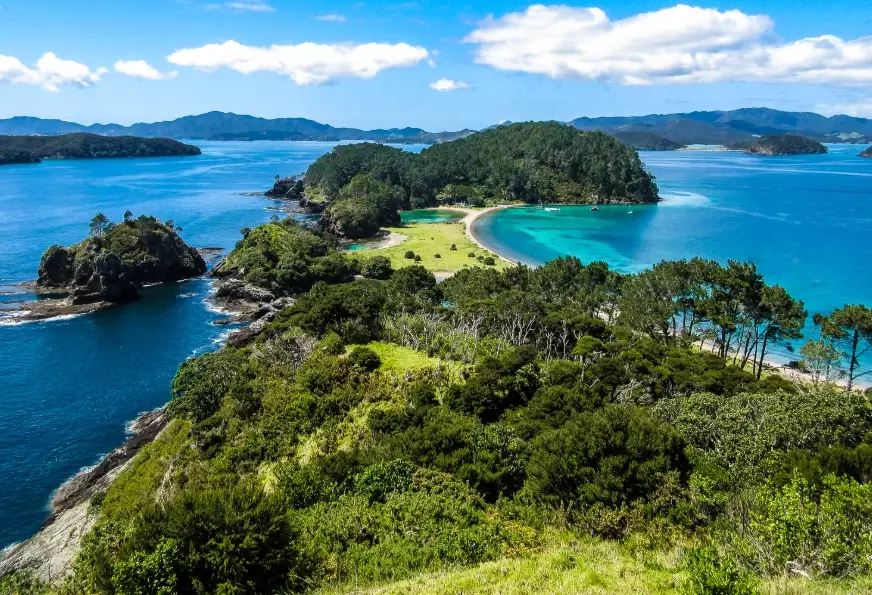
Winter (June to August): Skiing and Quiet Getaways
Winter means ski season on Mount Ruapehu. Whakapapa ski field offers day passes around NZ$100-150. But coastal areas can be rainy and cool, 10-15°C (50-59°F). It's the quietest time for tourism, so you'll snag deals on hotels. I stayed in Wellington for NZ$120 per night at a boutique hotel that costs double in summer. However, some attractions shorten hours; for example, Cape Reinga tours might be weather-dependent. If you're after solitude and snow sports, winter works. Otherwise, it's a gamble with rain.
Spring (September to November): Blossoms and Renewal
Spring brings blooming flowers and rising temperatures, 12-18°C (54-64°F). It's a shoulder season, so crowds are moderate. Great for road trips—the Pacific Coast Highway is less congested. But weather can be unpredictable; I've seen sunny days turn to downpours in hours. Lambing season means cute farm visits, but also muddy trails. Events like the Wellington Jazz Festival in November add buzz. Accommodation starts to climb but is still reasonable.
Non-consensus tip: Most guides push summer, but autumn often delivers better value. You get decent weather, fewer tourists, and lower prices. For hiking, early autumn (March) beats summer's heat and crowds hands down.
Top Activities and When to Do Them
Your activity list should drive your timing. Here's a quick guide:
- Hiking the Tongariro Alpine Crossing: Best in autumn (March-April) or late spring (November). Summer is crowded and hot; winter requires guided tours due to snow. The track is free, but shuttle transport costs NZ$40-60 from National Park village.
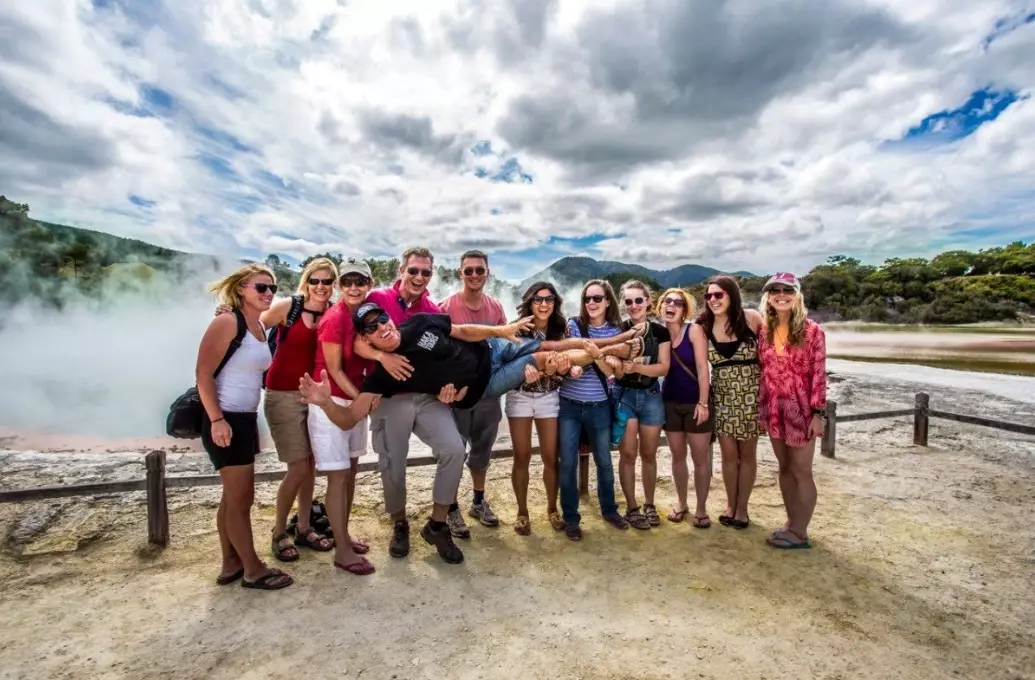
- Exploring Geothermal Sites in Rotorua: Year-round, but autumn and spring offer mild weather. Wai-O-Tapu Thermal Wonderland (201 Waiotapu Loop Road) opens 8:30am-5pm, tickets NZ$32.50. Summer can be steamy.
- Beach Time in the Coromandel: Summer is prime, but expect crowds. For a quieter experience, try late spring or early autumn. Hot Water Beach (Hot Water Beach Road) is accessible anytime, but you need low tide for digging hot pools.
- Maori Cultural Experiences: Events like the Tamaki Maori Village in Rotorua run year-round, but summer has more frequent shows. Tickets around NZ$130 including dinner.
- Skiing and Snowboarding: Winter only, from June to October. Check snow reports on Mt Ruapehu's official site.
I'd avoid booking dolphin watching in the Bay of Islands during winter—rough seas often cancel trips. Spring is more reliable.
A Sample 7-Day Itinerary for Different Seasons
Here's how I'd adjust a classic North Island loop based on season. This starts and ends in Auckland.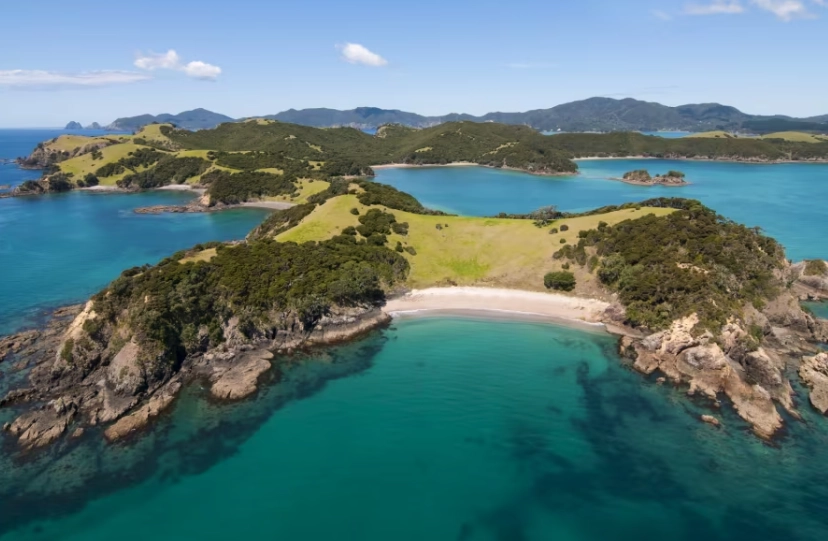
| Day | Summer Focus (Dec-Feb) | Autumn Focus (Mar-May) | Winter Focus (Jun-Aug) | Spring Focus (Sep-Nov) |
|---|---|---|---|---|
| 1 | Auckland: Visit Waiheke Island for beaches and wineries (ferry NZ$40). | Auckland: Explore museums like Auckland War Memorial Museum (entry NZ$25). | Auckland: Indoor activities, e.g., Sky Tower (NZ$32). | Auckland: Domain gardens for spring blooms. |
| 2 | Drive to Coromandel: Cathedral Cove hike, book parking ahead. | Coromandel: Less crowded coastal walks. | Drive to Rotorua: Focus on geothermal parks. | Coromandel: Moderate crowds, good for photography. |
| 3 | Rotorua: Te Puia and Polynesian Spa (from NZ$30). | Rotorua: Same, plus Redwoods Treewalk (NZ$25). | Rotorua: Maori cultural show, indoor thermal pools. | Rotorua: Mild weather for outdoor activities. |
| 4 | Tongariro: Consider skipping if too hot; alternative: Waitomo. | Tongariro: Ideal for the Alpine Crossing. | Taupo: Huka Falls, winter fishing. | Tongariro: Early season hiking if snow-free. |
| 5 | Taupo: Lake activities, skydiving (from NZ$300). | Taupo: Same, with autumn colors. | Wellington: Drive south, visit Te Papa Museum (free). | Taupo: Spring blossoms, trout fishing. |
| 6 | Wellington: Food scene, Zealandia sanctuary (NZ$24.50). | Wellington: Similar, plus film tours. | Wellington: Indoor attractions, cable car (NZ$5). | Wellington: Jazz Festival if in November. |
| 7 | Fly back from Wellington or drive to Auckland. | Same as summer. | Same, but check flight availability. | Same, with possible garden visits. |
In winter, I'd skip the far north due to weather; focus on central regions. For summer, book everything in advance—I learned that the hard way when a rental car cost NZ$100 per day instead of NZ$60 in shoulder seasons.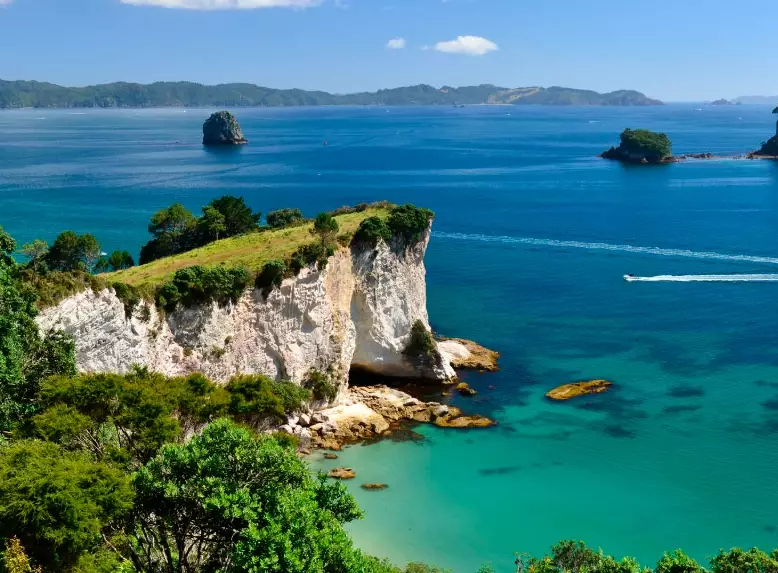
Practical Tips: Accommodation, Transport, and Budget
Let's get practical. Your budget swings with season. Based on my trips:
- Accommodation: Summer rates jump 30-50%. In Auckland, a decent hotel averages NZ$200-300/night. Autumn and spring: NZ$150-200. Winter: NZ$100-150. Book via platforms like Booking.com, but for remote spots like the Coromandel, direct booking with local motels often gets better deals.
- Transport: Rental cars are pricier in summer. I use comparison sites like Rentalcars.com. Expect NZ$50-80/day in summer, NZ$30-50 in off-seasons. Fuel costs around NZ$2.20/liter. Public transport is limited outside cities; trains like the Northern Explorer run year-round but book ahead.
- Activities: Many attractions have fixed prices, but tours sell out in peak times. For example, a Hobbiton tour costs NZ$89 regardless of season, but summer slots fill fast. Check official sites for discounts—Te Papa Museum in Wellington is free, but donations welcome.
- Food: Eating out averages NZ$20-40 per meal. Seasonal produce shines; try summer stone fruit or autumn apples at local markets.
Avoid assuming all roads are open in winter. Some alpine passes like Desert Road can close due to snow—check NZ Transport Agency updates. I got stranded once and had to detour for hours.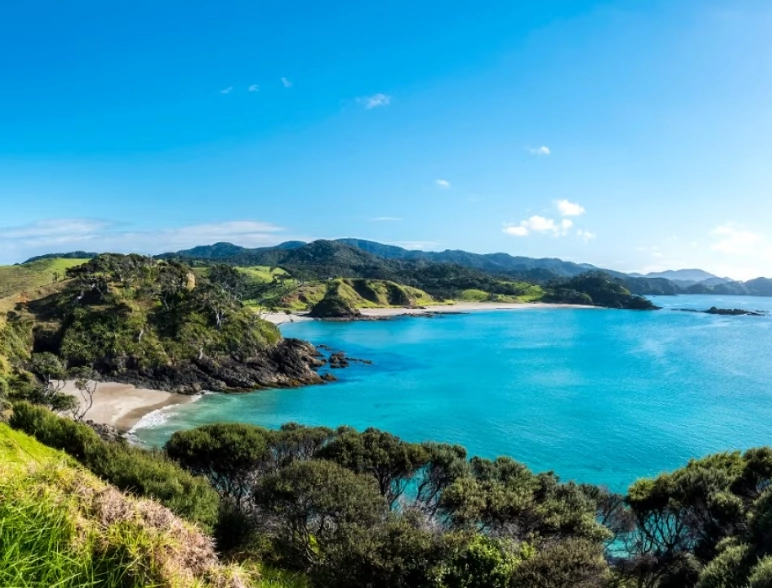



Comments
Join the discussion