Let's be honest. The excitement of getting your Australian student visa is often quickly followed by a wave of anxiety about one thing: where are you going to live? I remember my own scramble a decade ago, sifting through blurry photos and confusing rental jargon. Finding the right student accommodation in Australia isn't just about a roof over your head; it's about your budget, your social life, your study focus, and your overall wellbeing. Get it wrong, and it can derail your entire experience. Get it right, and you've laid the foundation for an unforgettable chapter of your life.
The market is tough, especially in Sydney and Melbourne. But with the right strategy and insider knowledge, you can navigate it successfully. This guide cuts through the noise, giving you the real, actionable information you need.
What's Inside?
How to Choose Your Accommodation in Australia
Don't just jump at the first place you see. Ask yourself these questions first. Your answers will instantly narrow down the field.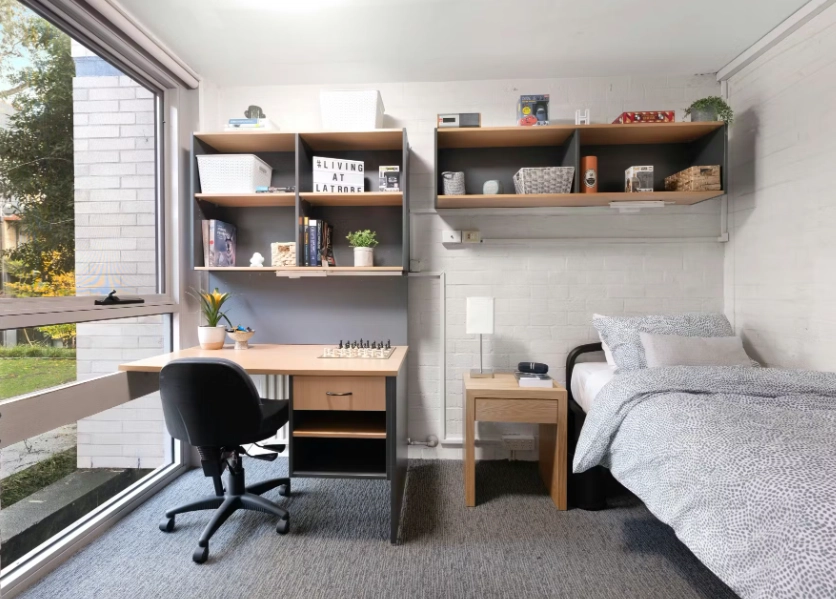
Budget is King (and Queen). This is non-negotiable. Work out a realistic weekly budget that includes rent, utilities (electricity, gas, water, internet), groceries, and transport. A common mistake is budgeting for rent alone. That beautiful $300/week room in a trendy suburb might cost you another $80 in transport because it's far from campus. The official Study in Australia website suggests students need between AUD 21,041 and AUD 29,943 per year for living costs, but this varies wildly by city.
Location, Location, Commutation. How will you get to class? Walking distance is a luxury that costs more. Check Google Maps for public transport options from potential suburbs to your university. A 30-minute train ride is standard for many students. Look for suburbs on direct train or tram lines. Websites like Transport for NSW or Public Transport Victoria have excellent journey planners.
Lifestyle Fit. Are you a social butterfly who wants events and friends on tap? A purpose-built student apartment might be perfect. Need quiet and space to focus on a demanding PhD? A quieter share house or a studio could be better. Be honest with yourself.
Contract Length. Most university semesters are around 16-18 weeks. Private rentals typically require 6 or 12-month leases. Can you afford to pay rent over the long summer break if you go home? University accommodation often offers semester-length contracts, solving this problem.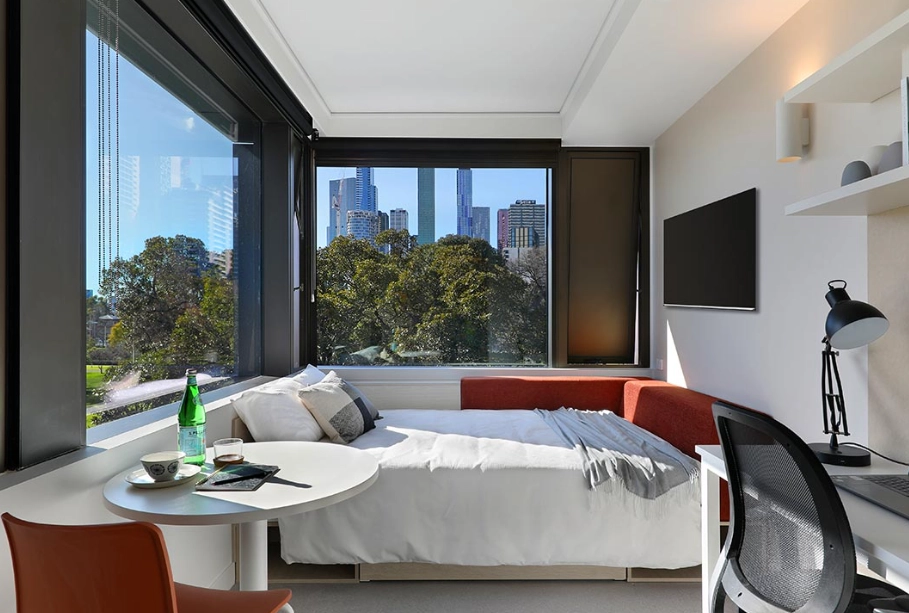
Top 5 Types of Student Accommodation in Australia
Here’s a detailed breakdown of your main options. I've included the stuff you actually care about: price, pros, cons, and who it's really for.
| Type | What It Is | Weekly Cost Range (AUD)* | Best For | Watch Out For |
|---|---|---|---|---|
| 1. University-Managed (On-Campus) | Dormitories, residential colleges, or apartments owned/run by your uni. Includes catered (meals) or self-catered options. | $350 - $600+ (catered colleges at the top end) | First-year students, those wanting maximum social immersion, people who want everything sorted (bills, internet, furniture). | Can be the most expensive option. Applications are competitive and close very early. Social pressure can be intense—it's not for hermits. |
| 2. Purpose-Built Student Accommodation (PBSA) | Private companies like Scape, Iglu, Unilodge. Modern high-rises with rooms/studios, communal areas, and events. | $280 - $500 (studio apartments cost more) | Students who want a modern, secure, social environment without the formality of a college. Great locations near multiple universities. | Contracts can be rigid. Rooms can feel small. The "community" vibe is sometimes manufactured. Check what's included—some charge extra for wifi. |
| 3. Shared Housing / Share House | Renting a room in a private house or apartment with other people (students or professionals). Found on Flatmates.com.au or Facebook. | $150 - $350 (highly variable by city/suburb) | Budget-conscious students, those wanting independence, flexibility in lease length, and a more "local" experience. | You're dealing with private landlords/flatmates. Quality and reliability vary wildly. You must manage bills separately. Requires more legwork to find. |
| 4. Homestay | Living with a local Australian family in their home. Usually includes meals and a furnished room. | $250 - $350 (includes food & utilities) | Younger students (under 18), those wanting deep cultural immersion and a family support structure, short-term arrivals. | You live by the family's rules (curfews, meal times). Personality fit is crucial—it can feel restrictive if you value independence. |
| 5. Renting an Apartment | Leasing an entire studio, 1-bedroom, or 2-bedroom apartment by yourself or with a partner/friend. | $400 - $700+ (for the whole apartment) | Mature-age students, couples, those who need peace and privacy and have a larger budget. | Most expensive and commitment-heavy option. You're responsible for all bills, furniture, and connecting utilities. Extremely competitive rental market. |
*Costs are indicative for major cities (Sydney, Melbourne, Brisbane) as of 2023/24. Regional cities are often cheaper.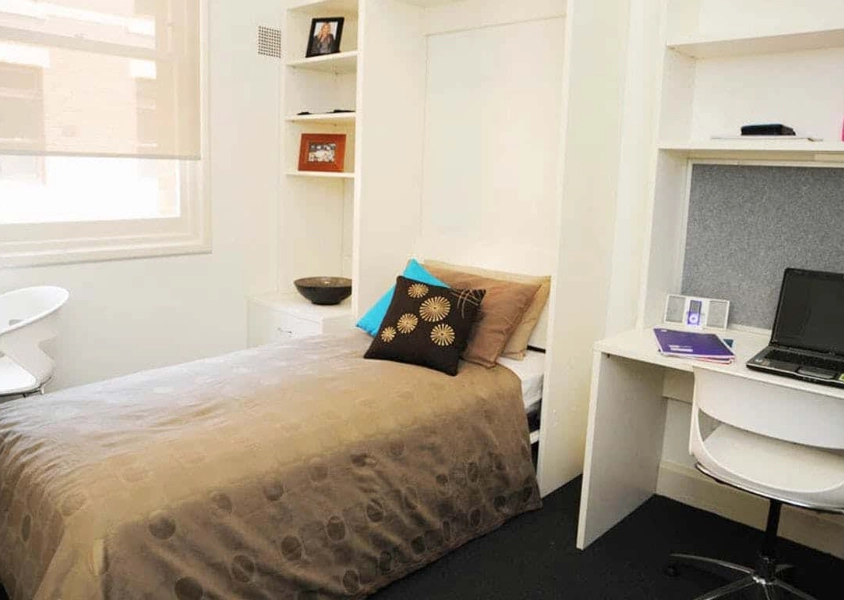
My personal take? First-year students often overvalue PBSA and on-campus living. They're convenient, yes, but you pay a premium for that convenience. By second year, most of my friends had moved into share houses. It was cheaper, we had more space (a backyard!), and it forced us to engage with the real Australian rental market—a valuable life skill.
A Step-by-Step Guide to Securing Your Spot
Here's your action plan, broken down into a timeline.
6-4 Months Before Arrival: The Research Phase
Apply for university-managed housing immediately after accepting your offer. Deadlines are no joke. Simultaneously, browse PBSA provider websites and join Facebook groups like "[Your University] Accommodation & Housing" to gauge the private market. Start saving for your bond and first month's rent.
3-2 Months Before: The Application & Virtual Hunt
If going for PBSA, apply now. For share houses, create profiles on Flatmates.com.au. Be ready for video interviews with potential flatmates. Have your documents scanned: passport, visa, proof of enrolment (CoE), and sometimes proof of funds. Landlords and agents love references—if you've rented before, get a written one.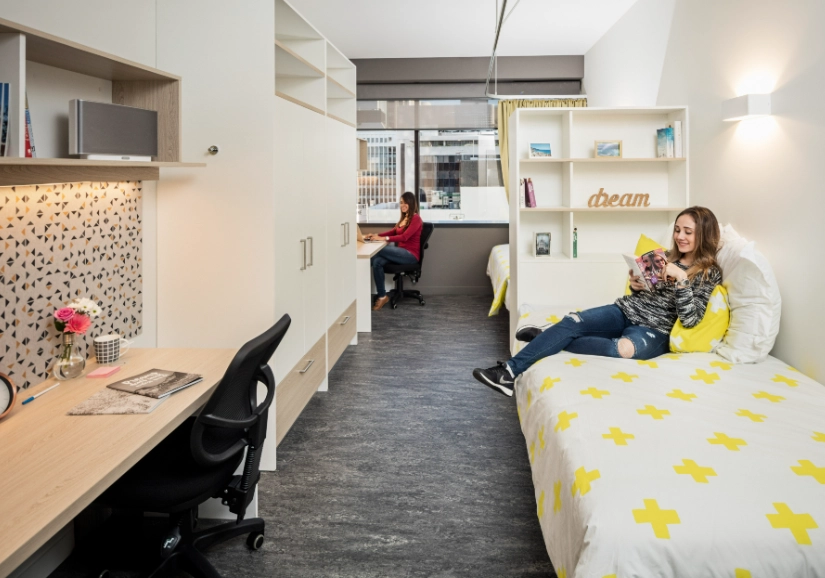
1 Month Before - First Weeks On Ground: The Final Push
This is crunch time. If you haven't secured a long-term place, book temporary accommodation (hostel, Airbnb, short-term homestay) for at least 2-4 weeks. Do NOT sign a long-term lease for a place you haven't inspected in person. Scams exist. Once you land, schedule multiple inspections per day. Be prepared to apply on the spot—have a printed application pack ready.
Quick City Breakdown: Sydney vs. Melbourne vs. Brisbane
The experience and cost differ massively by city.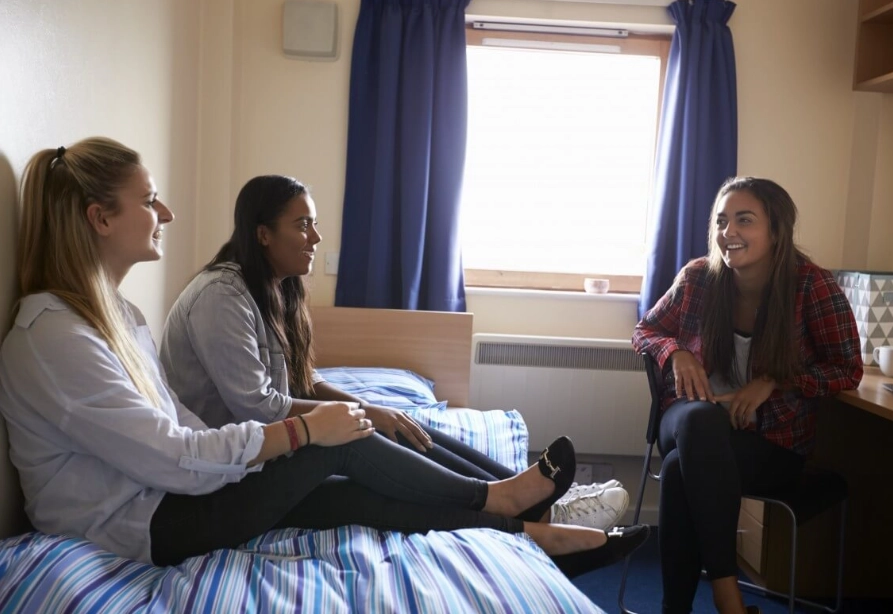
Sydney is the most expensive and competitive. Expect smaller rooms for higher prices. Popular student suburbs like Ultimo, Chippendale, and Redfern are close to universities but pricey. Look further out along train lines like the T1 Western Line (Strathfield, Burwood) for better value. The University of Sydney and UTS have extensive accommodation portals.
Melbourne is also pricey but has a more spread-out, suburb-centric culture. Trams make areas like Carlton, Fitzroy, and Brunswick accessible to the University of Melbourne and RMIT. Share houses in these inner-north suburbs are the classic Melbourne student experience. The University of Melbourne's Stoplease service is a great resource for private rentals.
Brisbane generally offers more space for your dollar. Suburbs like St Lucia, Toowong, and Indooroopilly are popular with University of Queensland students and have good bus/ferry links. The city is more relaxed, and finding accommodation, while still busy, can feel less frantic than down south.
Your Burning Questions Answered (FAQ)
Finding your home in Australia is a mission, but it's also part of the adventure. It teaches you resilience, budgeting, and how to read a tenancy agreement—skills that last long after your degree. Do your homework, start early, trust your gut during inspections, and don't panic. Thousands of students find great places to live every year, and you will too.
Now, go check your university's accommodation portal. Seriously, do it now.



Comments
Join the discussion