Quick Guide Highlights
Alright, let's talk about Melbourne. I've been there a few times now, and every visit feels like I'm peeling back another layer. It's not a city that shouts at you from the get-go. It's more subtle, full of laneways, coffee culture, and a vibe that's equal parts European elegance and Aussie laid-back charm. If you're trying to figure out your itinerary, you've probably searched for the top 10 places to visit in Melbourne more than once. I did too, before my first trip.
The thing is, most lists just give you the postcard spots. And sure, you need to see those. But you also need to know where to find the real heartbeat of the city. So, I've put together this guide mixing the absolute must-sees with some local favorites that often get overlooked. This isn't just a checklist; it's a roadmap to experiencing Melbourne like someone who gets why it's consistently ranked one of the world's most livable cities.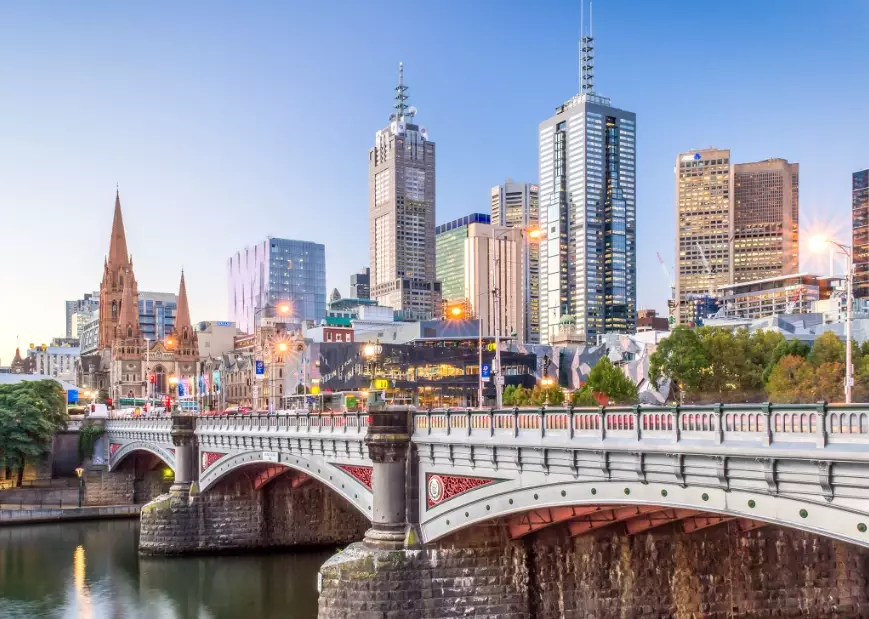
We'll cover everything from how to navigate the famous laneways to where to catch the best skyline views without the crowds. I'll even throw in a few personal opinions—not everything is for everyone, and that's okay.
The Unmissable Icons: Melbourne's Famous Faces
Let's start with the big ones. These are the places you'll recognize from photos, the landmarks that define Melbourne's skyline and spirit. You can't really say you've been without ticking these off, but I'll give you tips on how to see them beyond the standard snapshot.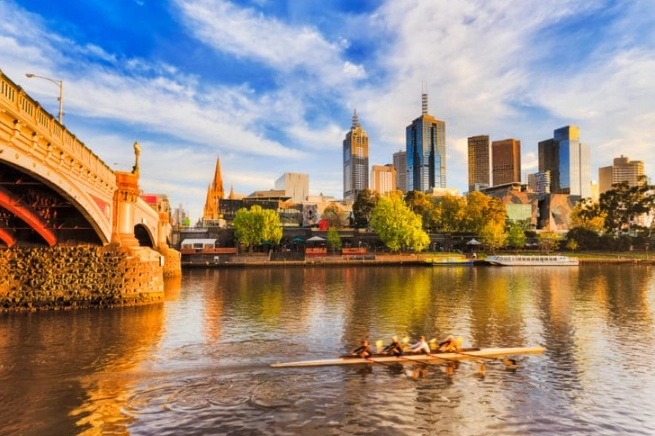
Federation Square and Flinders Street Station
This is the geographic and cultural heart of the city. Flinders Street Station, with its iconic yellow façade and domed entrance, is more than just a transport hub—it's a meeting point etched into every Melburnian's mind. Right across the street is Federation Square, or "Fed Square," a controversial piece of modern architecture when it was built (some still think it's an eyesore, to be honest) that's now the city's main public plaza.
What to do here? It's not just about the photo op (though get that classic shot of the station clocks!). Fed Square is home to the Ian Potter Centre: NGV Australia (part of the National Gallery of Victoria), which is free and focuses on Australian art. The square itself always has something going on—outdoor screenings, festivals, markets. Check their official events calendar to see what's on during your visit.
I remember just sitting on the steps here with a coffee, watching the trams rumble past and the world go by. It's the perfect introduction to Melbourne's pace.
Queen Victoria Market
This isn't just a market; it's an institution. The "Vic Market" has been operating since the 1870s and spans over seven hectares. We're talking fresh produce, deli foods, clothing, souvenirs, and everything in between. The energy here, especially on a Saturday morning, is electric.
My advice? Go hungry. The food hall is a global culinary tour. You can get German bratwurst, Greek souvlaki, Australian meat pies, and fantastic coffee. Don't miss the hot doughnuts van near the Elizabeth Street entrance—they're a rite of passage.
For a unique experience, look into the Night Market if you're visiting in the summer or winter seasons. It transforms into a street food and live music paradise.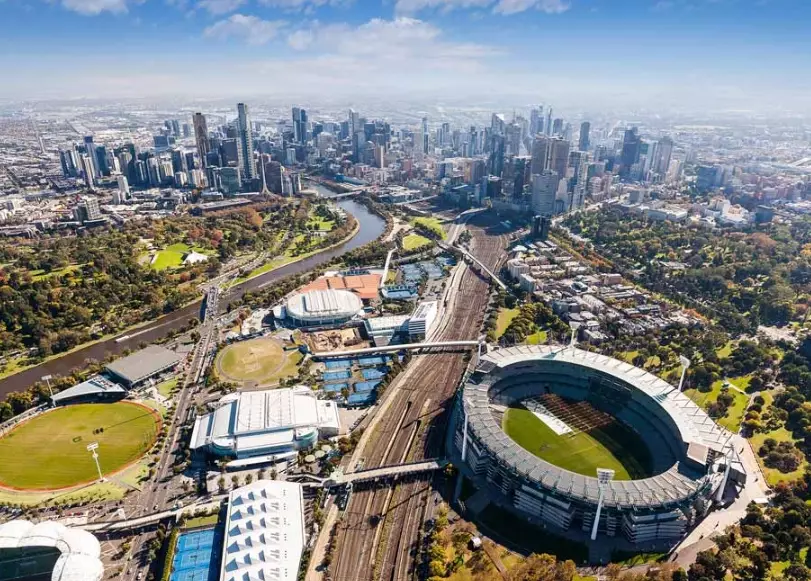
Royal Botanic Gardens
Need a breather from the city grid? The Royal Botanic Gardens are your 90-acre oasis. They're stunningly beautiful, meticulously maintained, and free to enter. You can easily spend half a day wandering through the different thematic gardens—the Australian Rainforest Walk, the Guilfoyle's Volcano with its succulent collection, and the tranquil Fern Gully.
One of my favorite things to do is pack a simple picnic (grab some supplies from the nearby South Yarra or Toorak Road shops), find a quiet spot by the Ornamental Lake, and just relax. If you're feeling more active, you can join one of their free guided walks—the Aboriginal Heritage Walk is highly recommended for a deeper understanding of the land's traditional custodians.
It's a cornerstone of any top 10 places to visit in Melbourne list for a reason. It shows you the city's commitment to green space and peaceful retreats.
Culture, Art, and Lane-way Adventures
This is where Melbourne truly shines. Its reputation as Australia's cultural capital is built on world-class institutions and gritty, creative street scenes that exist side-by-side.
National Gallery of Victoria (NGV International)
While the Ian Potter Centre focuses on Australian art, the main NGV International building on St Kilda Road is a treasure trove of global art history. The best part? General entry is free. You only pay for special, ticketed blockbuster exhibitions, which are often worth it (they've hosted shows on Van Gogh, Dior, and ancient Egyptian pharaohs).
Even if you're not a huge art buff, the building itself is worth seeing. Don't miss the Great Hall with its stunning stained-glass ceiling by Leonard French. I love just sitting in there for a moment. The water-wall at the entrance is also iconic—kids (and adults) love running their hands through it.
Check their website before you go to see what's on. Their permanent collection, which you can see for free, includes works by Rembrandt, Turner, and a significant range of Asian and Pacific art.
Hosier Lane
This is the poster child for Melbourne's famous lane-way culture. It's a constantly evolving open-air gallery of street art and graffiti. The art changes weekly, sometimes daily, so no two visits are the same.
Is it touristy? Absolutely. It's often packed with people taking selfies. But it's still a must-see to understand this aspect of the city's identity. The skill and scale of some pieces are breathtaking. Just off Flinders Street, it's easy to pop into for 20-30 minutes.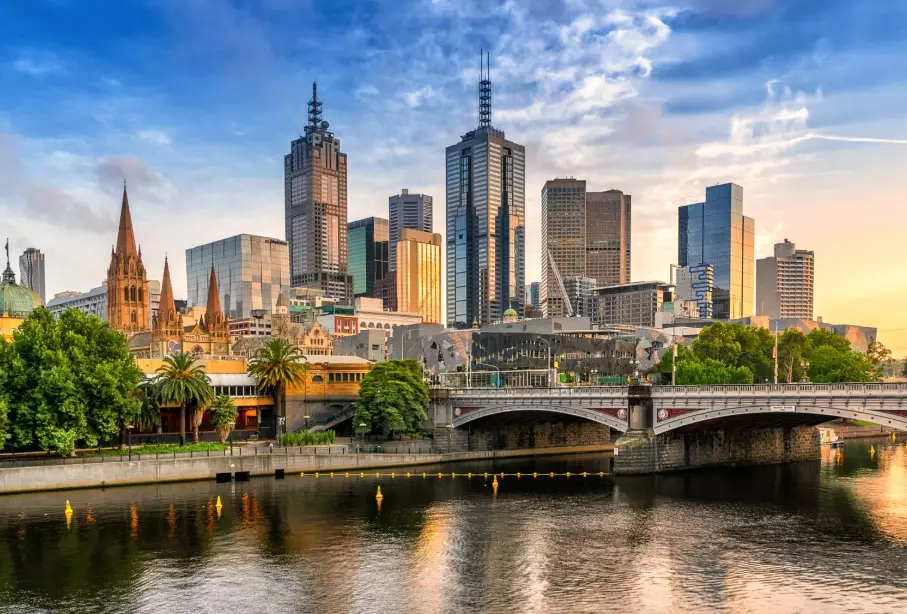
Remember, it's street art—respect it. Don't touch it, and definitely don't add your own tag unless you want serious trouble.
Melbourne Museum and Carlton Gardens
Located in the beautiful World Heritage-listed Carlton Gardens, the Melbourne Museum is a fantastic, modern museum that covers natural history, Australian social history, and science. The centerpiece is the skeleton of a Blue Whale, but for many, the real draw is the Bunjilaka Aboriginal Cultural Centre, which offers profound insights into Victoria's First Peoples.
Right next door is the majestic Royal Exhibition Building, built for the 1880 International Exhibition. You can't usually go inside unless there's an event on, but the exterior and the surrounding fountains make for a gorgeous stroll.
This spot is perfect for a mixed-interest group or families. While some explore the museum, others can enjoy a picnic or a walk in the formal gardens. It's a more structured, educational counterpoint to the organic vibe of the laneways.
Views, Neighborhoods, and Coastal Vibes
Melbourne's charm isn't confined to the CBD. Some of the best experiences require hopping on a tram or taking a short stroll to adjacent neighborhoods.
Southbank and the Yarra River
The Southbank Promenade, along the southern bank of the Yarra River, is the city's glamorous face. It's lined with upscale restaurants, bars, and the Crown Casino complex. A walk here, especially at dusk when the city lights start to twinkle and the "gas brigades" (fire sculptures) light up, is magical.
You can take a river cruise from here to get a different perspective, or simply cross one of the many pedestrian bridges (the Evan Walker Bridge is a favorite) back to the CBD. The atmosphere in the evening is lively, with buskers and crowds spilling out of restaurants.
St Kilda
Just a 20-minute tram ride from the city center, St Kilda is Melbourne's classic seaside suburb. It has a slightly faded, bohemian charm that's utterly captivating. The main attractions are St Kilda Beach, the historic Luna Park amusement park with its iconic laughing face entrance, and the St Kilda Pier.
The pier walk is a must. At the end, you'll find a colony of little penguins that sometimes come ashore at dusk. The Parks Victoria website has info on penguin viewing etiquette—please keep your distance and don't use flash photography.
Acland Street is famous for its cake shops and European-style bakeries. It's a great place to wander, feel the sea breeze, and experience a different, more relaxed side of Melbourne. Is it the most beautiful beach in the world? No. But it's full of character and life.
Lygon Street, Carlton (Little Italy)
This is the heart of Melbourne's Italian community and arguably the birthplace of the city's famous café culture. The strip is packed with Italian restaurants, gelaterias, and cafes. The atmosphere is warm, loud, and inviting.
It's a fantastic place for a meal. Waiters often call out from restaurant doors, but don't feel pressured. Have a stroll first. The competition is fierce, so quality is generally high. After dinner, getting a gelato and people-watching is the perfect way to end the evening.
It's also adjacent to the University of Melbourne, so it has a great student energy. While it's a staple on lists of the top 10 places to visit in Melbourne, it sometimes gets criticized for being a bit of a tourist trap. I think it still has genuine charm and great food if you pick your spot wisely.
The Top 10 at a Glance: A Quick Reference Table
To help you visualize and plan, here's a quick rundown of these top 10 places to visit in Melbourne, with their core vibe and a key tip.
| Place | Core Experience | Best For | Pro Tip / Note |
|---|---|---|---|
| Federation Square & Flinders St Station | Iconic city heart, culture, people-watching | First-time visitors, photography, free culture | Check the Fed Sq events calendar. Visit the free Ian Potter Centre. |
| Queen Victoria Market | Historic market, food paradise, bustling energy | Foodies, shoppers, experiencing local life | Go hungry. Try the hot doughnuts. Visit on a weekday to avoid worst crowds. |
| Royal Botanic Gardens | Serene escape, stunning landscapes, nature | Relaxation, picnics, garden lovers, families | Free entry. Join a free guided walk (like the Aboriginal Heritage Walk). |
| NGV International | World-class art, architecture, quiet contemplation | Art lovers, rainy days, free major exhibitions | General entry is free. Don't miss the Great Hall ceiling. |
| Hosier Lane | Ever-changing street art, urban culture, photography | Instagram, understanding Melbourne's gritty-creative side | Very touristy. Explore nearby lane-ways for more art with fewer people. |
| Melbourne Museum & Carlton Gardens | Natural/cultural history, beautiful gardens, learning | Families, history buffs, a structured activity | Combines well with a stroll in the World Heritage-listed gardens. |
| Southbank & Yarra River | Riverside glamour, city views, evening atmosphere | Romantic strolls, fine dining (or drinks with a view), nightlife | Walk at dusk for the best lights. Cross the pedestrian bridges for great photos. |
| St Kilda | Seaside suburb, pier, penguins, bohemian charm | A break from the CBD, beach vibes, sunset views | Take the tram. Check penguin viewing times and rules at dusk. |
| Lygon Street, Carlton | Italian cuisine, café culture, lively street life | A great dinner spot, gelato, people-watching | Can feel tourist-focused. Wander to pick a restaurant, don't just take the first offer. |
| Eureka Skydeck (Bonus #11!) | Breathtaking 360° city views from the 88th floor | Panoramic photography, understanding city layout, a thrill | The "Edge"—a glass cube that projects out from the building—is not for the faint-hearted! |
See? I snuck in an 11th.
I had to include the Eureka Skydeck. While not always in the classic top 10, it offers something none of the others can: that jaw-dropping, panoramic view. Seeing the city grid, the winding Yarra, and Port Phillip Bay in the distance really puts everything into perspective. It's especially stunning at sunset. It's a paid attraction, but in my opinion, it's worth it for the wow factor.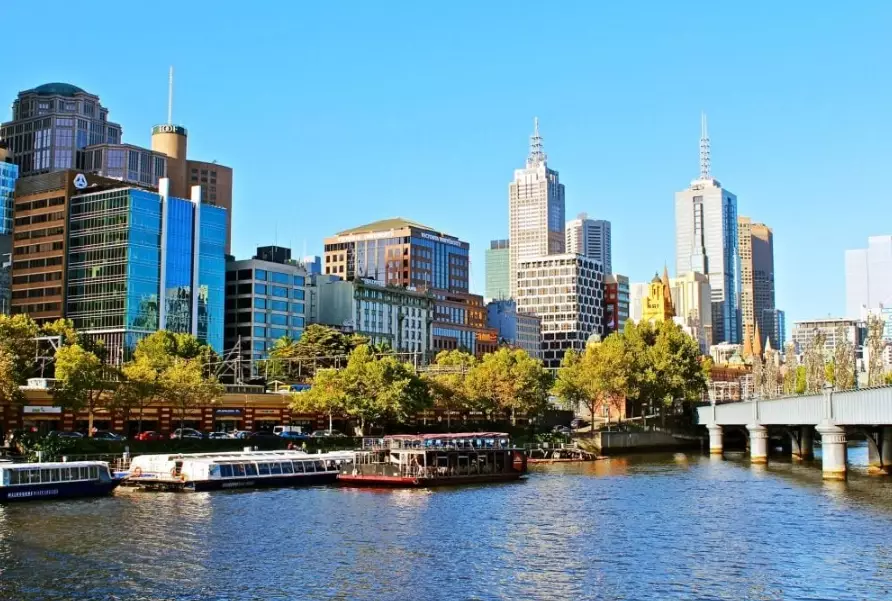
Answering Your Melbourne Trip Questions
When you're searching for the top 10 places to visit in Melbourne, you usually have a bunch of other practical questions. Let's tackle some of the most common ones I had and get asked about.
Wrapping It Up: Your Melbourne Blueprint
So there you have it. My take on the essential top 10 places to visit in Melbourne, plus a bonus and a heap of practical advice. The magic of Melbourne isn't in just seeing these places, but in the moments between them: the perfect flat white you find in a hidden lane-way, the conversation with a local at a market stall, the feeling of the sun on your face in the Botanic Gardens after a week of planning.
Use this list as a framework, not a rigid schedule. Be open to getting lost down a lane-way you don't recognize. Pop into a bookstore or a tiny bar that catches your eye. That's the Melbourne way.

Comments
Join the discussion