Your Quick Guide to Iceland's Visitor Trends
I remember standing at Skógafoss waterfall in July 2018, surrounded by so many people I could barely hear the water. Back in 2012, I had the same spot almost to myself. That contrast isn't just luck—it's spelled out in Iceland tourism numbers. If you're planning a trip, these statistics aren't dry figures; they're your secret weapon for avoiding crowds, saving money, and discovering the real Iceland. Let's cut through the hype and dive into what the data actually tells us.
Understanding Iceland Tourism Trends Over Time
Iceland's visitor numbers didn't always look like this. Before 2010, the country saw around 500,000 tourists annually—mostly hardy adventurers. Then things exploded. The 2010 Eyjafjallajökull eruption (yes, that one) put Iceland on the map, budget airlines like WOW Air and later Play Airlines offered cheap flights, and Instagram made places like the Blue Lagoon viral. By 2018, Iceland welcomed over 2.3 million visitors, according to the Icelandic Tourist Board. That's a 360% increase in less than a decade.
The pandemic hit hard, dropping numbers to around 500,000 in 2020, but recovery has been swift. By 2023, estimates from Statistics Iceland showed a rebound to nearly 2 million. What most summaries miss is the regional shift. Early tourism focused on Reykjavik and the Golden Circle, but now the South Coast and even remote areas like Lake Mývatn are seeing more traffic. If you're looking for solitude, the data suggests heading north or east where visitor density remains lower.
Here's a non-consensus point: everyone talks about the boom, but few mention the seasonal smoothing. Pre-pandemic, summer months accounted for over 60% of visitors. Post-pandemic, there's a slight shift toward shoulder seasons as travelers seek better deals and fewer crowds. Still, July remains king. I've spoken to local guides who say the pressure on infrastructure—like parking at Gullfoss—hasn't eased much, even with overall numbers dipping temporarily.
Monthly Visitor Breakdown: When to Go and Avoid
Let's get practical. Iceland tourism numbers vary wildly by month, and understanding this can make or break your trip. Below is a table based on averaged data from Statistics Iceland reports for recent years. It shows average monthly visitor counts and what to expect.
| Month | Average Visitors | Weather Highlights | Crowd Level | Price Trend |
|---|---|---|---|---|
| January | 50,000 | Cold, dark, Northern Lights | Low | Budget-friendly |
| February | 55,000 | Winter festivals, snow | Low | Budget-friendly |
| March | 70,000 | Transition to spring | Moderate | Moderate |
| April | 90,000 | Easter crowds, melting snow | Moderate-High | Rising |
| May | 120,000 | Midnight sun begins, greenery | Moderate | Moderate |
| June | 180,000 | Peak summer start, long days | High | Expensive |
| July | 200,000 | Warmest, most crowded | Very High | Peak prices |
| August | 190,000 | Still warm, festivals | High | Expensive |
| September | 130,000 | Fall colors, Northern Lights return | Moderate | Dropping |
| October | 80,000 | Cooler, rainy, auroras | Low-Moderate | Budget-friendly |
| November | 60,000 | Dark, stormy, low season | Low | Budget-friendly |
| December | 55,000 | Christmas lights, short days | Low | Moderate |
Notice the spike from June to August. That's when everything gets pricier. I once booked a rental car for July and paid $120 per day; the same car in October was $45. Accommodations in Reykjavik can double in price during peak months. But here's a tip: if you must go in summer, book at least six months in advance. Last-minute deals are rare.
Shoulder seasons—May and September—are golden. You get decent weather, fewer people, and lower costs. In September 2021, I drove the Ring Road and had whole stretches to myself. The data backs this up: visitor numbers drop by about 30% compared to July, but amenities are still open.
Top 3 Most Crowded Areas Based on Tourism Data
Not all spots are equal. Based on visitor concentration data from the Icelandic Tourist Board, these areas see the highest footfall:
- Reykjavik and the Golden Circle: Þingvellir National Park, Geysir, Gullfoss waterfall. Expect crowds year-round, but peak times (10 AM to 4 PM) are packed. Pro tip: Visit Geysir early morning—it erupts every 5-10 minutes, and you'll avoid the tour buses.
- South Coast: Skógafoss, Seljalandsfoss, Vík black sand beaches. Parking lots fill by 9 AM in summer. I've seen people park illegally and get tickets. Consider visiting late afternoon when day-trippers leave.
- Jökulsárlón Glacier Lagoon: A stunning spot, but tour buses arrive hourly. Data shows peak visitation from 11 AM to 3 PM. Go at sunrise or sunset for better photos and fewer people.
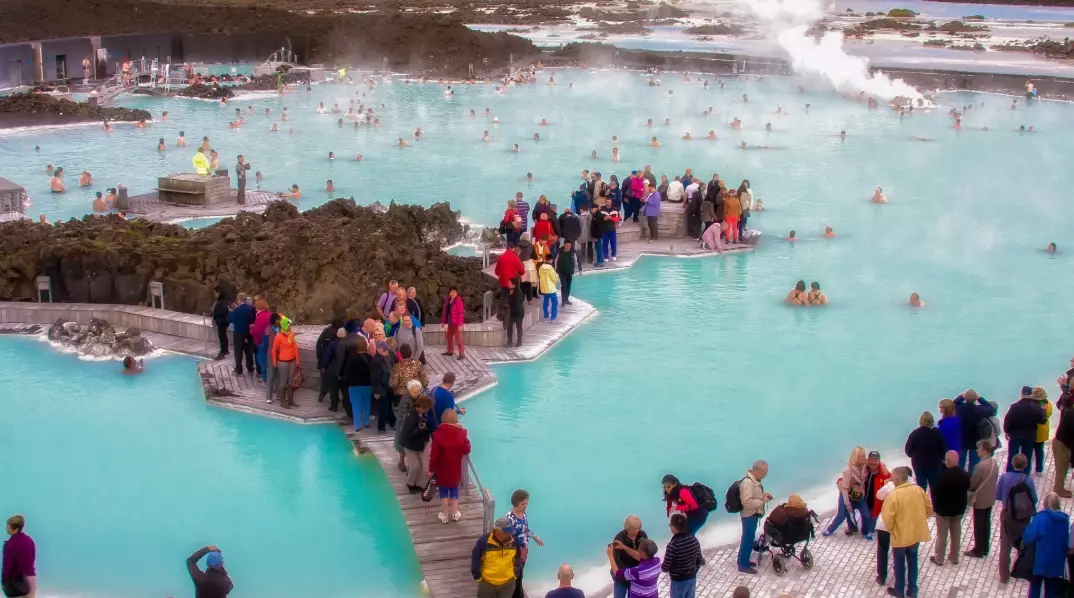
If you hate crowds, pair the data with less-visited alternatives. Instead of the Blue Lagoon (over 1 million visitors annually), try the Secret Lagoon in Flúðir or Mývatn Nature Baths in the north—they see a fraction of the numbers.
How Tourism Numbers Impact Your Travel Experience
High visitor numbers don't just mean lines; they affect everything from prices to road conditions. Let's break it down.
Costs: There's a direct correlation. When Iceland tourism numbers peak in summer, flight prices from Europe and North America jump by 20-40%. Hotels in Reykjavik like CenterHotel Þingholt can cost $300 per night in July versus $150 in March. Even campgrounds hike fees. I learned this the hard way when planning a family trip—budgeting based on shoulder season data saved us over $1,000.
Availability: Popular tours—like glacier hikes on Sólheimajökull or whale watching in Húsavík—sell out weeks in advance during peak months. Use data to book early. For example, if visiting in August, reserve tours as soon as you book flights. In winter, you might get same-day slots, but weather cancellations are common.
Infrastructure Strain: More visitors mean worn paths, limited parking, and busy restrooms. At Seljalandsfoss, I've seen queues for the waterfall walkway. The data suggests visiting weekdays over weekends to slightly reduce congestion.
But it's not all negative. Tourism revenue has funded better facilities—like improved signage at Snæfellsnes Peninsula or new visitor centers at Vatnajökull National Park. The key is balancing enjoyment with impact.
Planning Your Iceland Trip Using Tourism Data
Let's build a realistic itinerary using Iceland tourism numbers. Suppose you have 7 days and want to avoid crowds without missing highlights. Based on monthly stats, late September is ideal—visitor numbers drop, prices fall, and weather is still manageable.
7-Day Iceland Itinerary (Late September):
- Day 1: Arrive in Reykjavik. Explore the city—fewer tourists than summer, so places like Hallgrímskirkja are less crowded. Stay at Hotel Borg (around $180/night) or a guesthouse like Galaxy Pod Hostel ($50/pod). Book dinner at Dill Restaurant early; it fills fast even off-season.
- Day 2: Golden Circle. Start at 7 AM to beat day-trips. Visit Þingvellir (opens 9 AM, free entry), Geysir (free), and Gullfoss (free). Skip the midday rush. Drive to Flúðir for the Secret Lagoon (entrance $30, less crowded).
- Day 3: South Coast to Vík. Stop at Seljalandsfoss and Skógafoss early. Hike to Kvernufoss—a hidden gem with maybe 10 people. In Vík, stay at Hotel Kría ($200/night) or camp at Vík Campground ($15/person). Black sand beach is quieter in evening.
- Day 4: Jökulsárlón and Eastfjords. Drive to Jökulsárlón, but skip the boat tour (often booked). Walk along the shore for free. Continue to Seyðisfjörður—data shows low visitor numbers here. Stay at Hotel Aldan ($150/night).
- Day 5: North Iceland. Visit Mývatn Nature Baths ($45, less busy than Blue Lagoon). Explore Dimmuborgir lava fields. Stay in Akureyri at Icelandair Hotel Akureyri ($170/night).
- Day 6: Snæfellsnes Peninsula. Drive west, see Kirkjufell mountain. Fewer crowds than south. Stay at Grundarfjörður Guesthouse ($120/night).
- Day 7: Return to Reykjavik. Stop at Borgarnes for lunch. Depart from Keflavik Airport.
This itinerary uses data to dodge peak times and areas. Booking ahead is still wise—September is popular among savvy travelers. Check resources like Visit Iceland for real-time updates.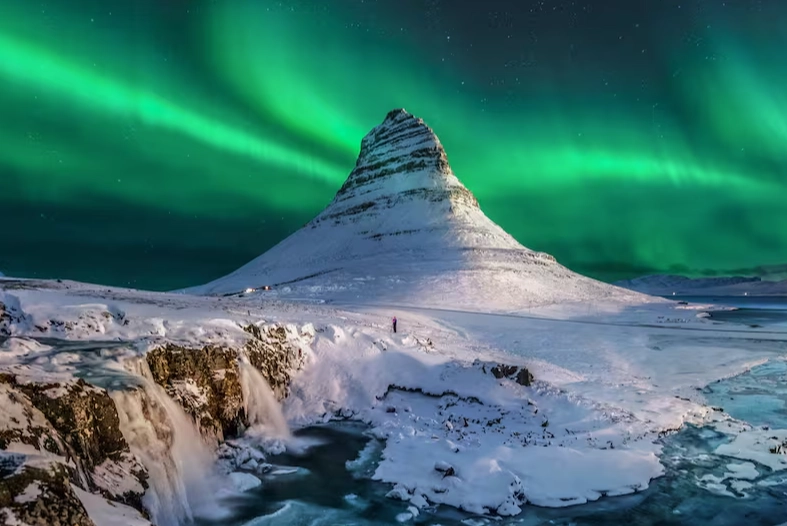
Beyond the Data: Sustainable Tourism in Iceland
With high Iceland tourism numbers, sustainability isn't just a buzzword; it's a necessity. The Icelandic government promotes the Icelandic Pledge for responsible travel, but here's a nuanced view: avoiding all popular spots hurts local economies that rely on tourism. Instead, use data to visit responsibly.
For example, data shows that off-road driving damages fragile ecosystems. Stick to marked roads—I've seen rental cars stuck in moss fields, causing years of erosion. Support businesses that prioritize sustainability, like eco-tours in the Westfjords that limit group sizes.
A hot topic is overtourism in Reykjavik. While numbers are high, spreading visitors to regions like the Eastfjords can help. Use statistics to explore less-visited areas; it reduces pressure and enriches your experience. I spent a week in the Westfjords last year and saw more sheep than tourists—blissful.

Comments
Join the discussion