So you're dreaming of a trip that combines New Zealand's epic mountains and fjords with Fiji's palm-fringed beaches and turquoise lagoons. Smart move. But here's the first big hurdle: their seasons and ideal travel times don't perfectly align. Picking the wrong window could mean rain-soaked hikes in Fiordland or missing out on Fiji's famous dry, sunny weather. After helping dozens of travelers plan this exact trip, I can tell you the sweet spot exists. Forget just picking a month; the best time to visit New Zealand and Fiji together hinges on balancing weather patterns, crowd levels, activity availability, and flight costs. For most people, the golden periods are the shoulder seasons: New Zealand's late spring (November) and autumn (March to April), which neatly dovetail with Fiji's dry season.
Your Quick Trip Planner
Why Timing Your NZ-Fiji Trip is Everything
This isn't like visiting two cities in Europe. You're crossing a major climatic zone. New Zealand has a temperate climate with four distinct seasons. Fiji is tropical, with a wet and dry season. Their peak seasons are opposites: New Zealand's summer (Dec-Feb) is packed and pricey, while Fiji's dry season (May-Oct) is its peak. The goal isn't to hit both peaks—that's nearly impossible—but to find an overlap where both destinations are enjoyable, accessible, and offer good value.
I once had a client insist on going in July for ski season in Queenstown. Great for New Zealand's South Island, but they were disappointed to find Fiji in its cooler, windier winter period, with less consistent brilliant sunshine and water temps slightly chillier for swimming. It was still nice, but not the postcard-perfect Fiji they envisioned. The lesson? Define your non-negotiables first.
Decoding New Zealand's Best Time to Visit
Let's break down New Zealand by season. The country is long, so the North Island (Auckland, Bay of Islands) is generally warmer than the South Island (Queenstown, Christchurch, Fiordland).
Summer (December - February)
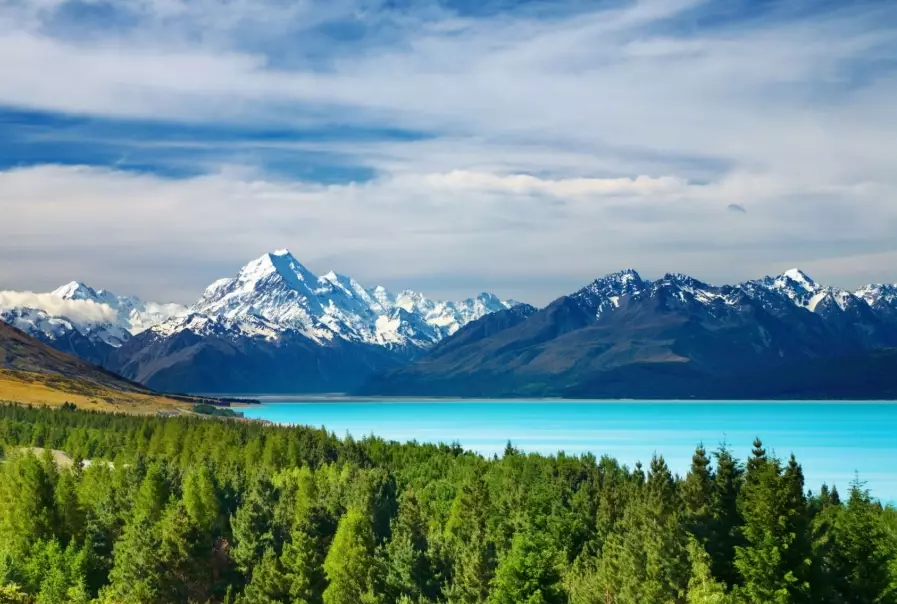
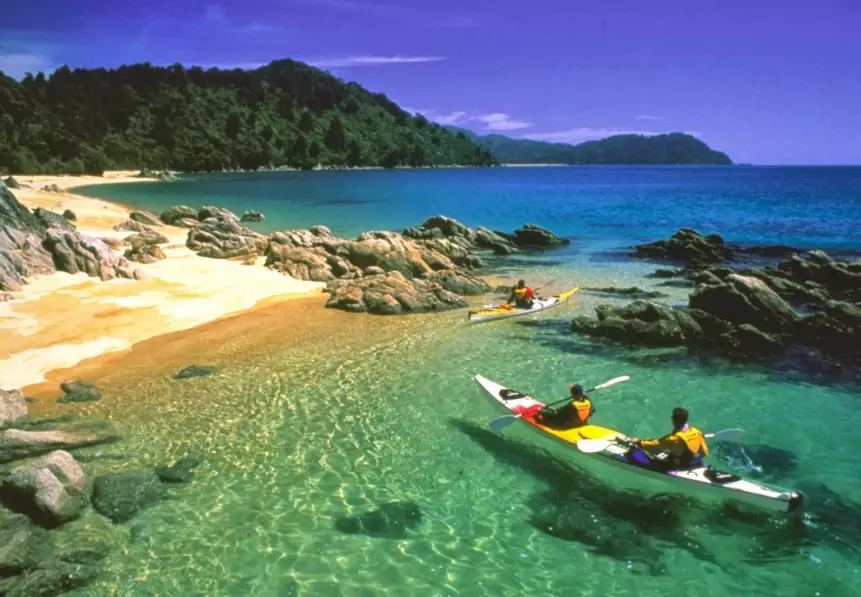
This is peak season. The weather is reliably warm and sunny, especially in the South Island. All hiking trails, including the Great Walks, are open. It's perfect for swimming at beaches like Abel Tasman's. But—and it's a big but—everyone knows it. Accommodation prices skyrocket, especially around Christmas and New Year. Popular spots like Milford Sound and Lake Tekapo are crowded. You need to book everything months in advance. If you thrive on buzz and have a flexible budget, it's fantastic. If you dislike crowds, look elsewhere.
Autumn (March - May)
My personal favorite, and a top contender for a combined trip. March and April are stellar. The summer crowds have vanished, but the weather remains settled and mild. The South Island's landscapes put on a show with golden and red autumn foliage, particularly in Central Otago (think Queenstown and Wanaka). It's still warm enough for hiking, kayaking, and even swimming early in the season. The water in the lakes is often at its warmest. Flight and accommodation deals start to appear. It's a secret weapon season.
Winter (June - August)
This is all about the snow. The Southern Alps and central North Island volcanoes become winter wonderlands. Queenstown and Wanaka are hubs for skiing and snowboarding. It's a magical time if winter sports are your goal. However, many hiking trails at higher elevations close due to snow and avalanche risk. Days are shorter and colder. This season pairs best with a Fiji trip focused on relaxation rather than expecting Fiji's absolute peak beach weather.
Spring (September - November)
Another excellent shoulder season, especially late spring (November). The countryside is lush and green, with blooming lupins and baby animals (hello, lambing season!). Temperatures are rising, and the ski season is winding down, making way for hiking. The crowds haven't fully arrived yet. The potential downside is more changeable weather, with spring showers possible. But the trade-off—lower prices and fewer people—is often worth it.
Local Insight: Don't underestimate how much the weather can vary within a single day, especially in spring and autumn. "Four seasons in one day" is a real thing, particularly on the South Island. Always pack a waterproof layer, even in summer. A common mistake is packing only for the forecast's high temperature.
Finding Fiji's Perfect Weather Window
Fiji's climate is simpler: warm year-round, with a distinct wet and dry season. The water temperature is always swimmable. The difference lies in rainfall, humidity, and cyclone risk.
Dry Season (May - October)
This is Fiji's peak tourist season. You get lower humidity, plenty of sunshine, minimal rain, and virtually no cyclone risk. The weather is predictably glorious. This is why it's peak—it's reliably perfect for beach holidays. The trade winds also keep things comfortable. The downside? Higher prices and more visitors. Resorts book up, especially during Australian and New Zealand school holidays in July and September.
Wet Season (November - April)
Don't write this off completely. This period is hotter, more humid, and sees more rainfall, often in short, heavy afternoon downpours followed by sun. The landscape is incredibly lush. January to March is the official cyclone season, though direct hits are rare. The massive upside? This is Fiji's low season. You can find significant discounts on luxury resorts and fewer crowds. The period from late November into December can be a real sweet spot—shoulder season pricing, the wet season hasn't fully kicked in, and you avoid the peak holiday rush.
Here’s a quick comparison to visualize the overlap:
| Season (Months) | New Zealand Vibe & Activities | Fiji Vibe & Weather | Combined Trip Verdict |
|---|---|---|---|
| Nov & Mar-Apr (Shoulder Seasons) |
Pleasant temps, great hiking, spring blooms or autumn colors, fewer crowds. | Shoulder to start of wet season. Warm, lush, possible brief showers. Good deals. | BEST OVERALL. Great balance of good weather, activities, and value in both countries. |
| Dec-Feb (NZ Summer / Fiji Wet) |
Busy, expensive, but best beach & alpine weather. All activities open. | Hot, humid, higher rain/cyclone risk. Lush scenery, lower prices. | Good for NZ focus. Roll the dice on Fiji's weather but save money there. |
| May-Oct (NZ Autumn-Winter / Fiji Dry) |
Autumn (May) is great. Winter (Jun-Aug) is for snow sports. Cooler temps. | Peak season. Perfect, dry, sunny beach weather. Busy and premium prices. | Good for Fiji focus. Pair Fiji's best weather with NZ's alpine winter or tranquil autumn. |
How to Plan a Combined New Zealand and Fiji Itinerary
Let's get practical. You're convinced late spring or autumn is the way to go. How do you actually structure the trip?
Flight Strategy: You'll likely fly into Auckland (AKL) or Christchurch (CHC) first, then take a separate flight from New Zealand to Nadi International Airport (NAN) in Fiji. Airlines like Air New Zealand and Fiji Airways offer direct connections. Book the trans-Pacific and NZ-Fiji legs separately or as a multi-city ticket for more flexibility.
Time Split: For a two-week trip, I recommend a 10-4 split: ten days in New Zealand, four in Fiji (or 9-5). This gives you time to adjust to the long flight and explore a couple of NZ regions before unwinding in Fiji. Trying to cram in both North and South Island New Zealand plus Fiji in two weeks is a recipe for exhaustion.
Sample 14-Day Itinerary: April (Autumn in NZ, Shoulder in Fiji)
- Days 1-4: South Island Adventure. Fly into Queenstown. Recover from jet lag, explore the Remarkables, take a day trip to Milford Sound (book the scenic flight or bus-cruise-bus tour). Hike one of the shorter trails like Queenstown Hill. Stay at the Hilton Queenstown Resort & Spa (lakefront views) or a central apartment.
- Days 5-7: Central Otago & Glaciers. Drive to Wanaka (1hr). See That Wanaka Tree, hike Roy's Peak for epic views. Then drive up the West Coast to Franz Josef (4hrs). Do a heli-hike on the glacier (weather dependent). Accommodation: Edgewater Hotel in Wanaka, Te Waonui Forest Retreat in Franz Josef.
- Days 8-10: Christchurch & Departure. Drive to Christchurch (5-6hrs) via Arthur's Pass. Spend a day exploring the rejuvenated city and the Banks Peninsula. Fly from Christchurch (CHC) to Nadi, Fiji (NAN). Flight time: ~4 hours.
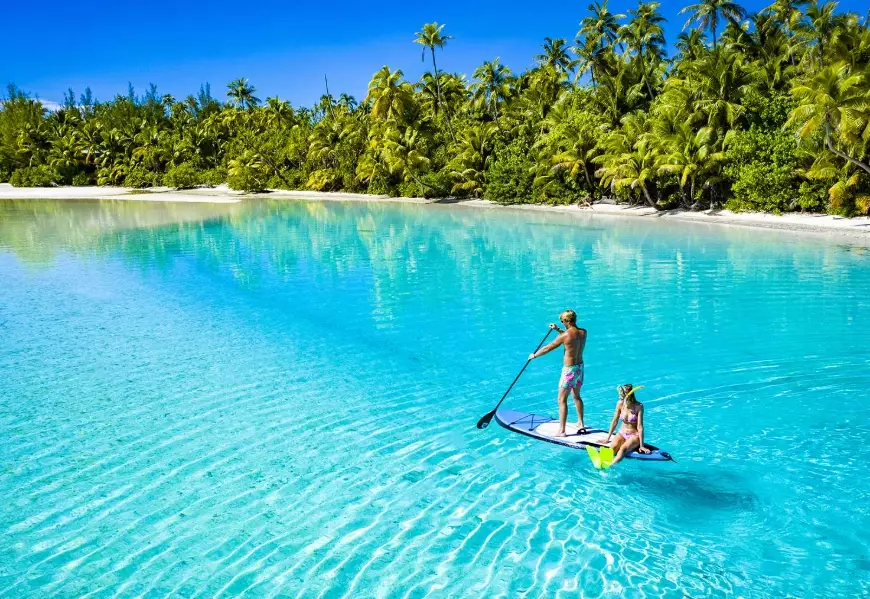
- Days 11-14: Fiji Bliss. Transfer to your resort in the Mamanuca or Yasawa Islands (fast catamaran or seaplane). Think Likuliku Lagoon Resort (for adults) or Plantation Island Resort (for families). Spend four days snorkeling, diving, enjoying spa treatments, and eating fresh seafood. No complicated plans needed.
The logic? Active exploration first, beach relaxation last. You end your trip completely de-stressed.

Comments
Join the discussion