Let's be honest. When you think of Fiji, you see those impossibly blue waters, palm-fringed beaches, and thatched-roof bures (bungalows) right over the lagoon. It's the classic South Pacific postcard. But after spending a significant amount of time there, both as a wide-eyed tourist and later working with local operators, I've realized the Fiji tourism industry is a fascinating, complex ecosystem. It's the country's largest economic driver, contributing over 40% to the GDP according to the Fiji Bureau of Statistics. More than just resorts, it's about a culture of warmth ("Bula!") that's been strategically packaged for the world, and understanding this can make your trip ten times better.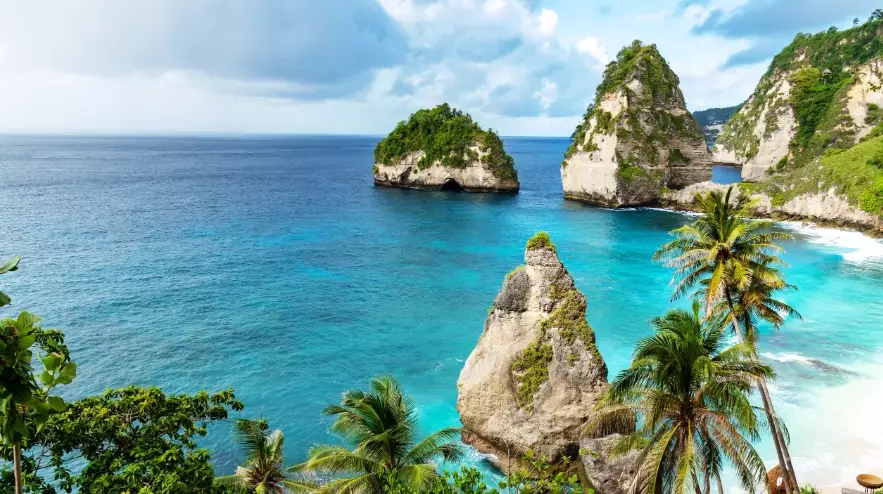
This isn't just a list of pretty places. It's a deep dive into how tourism works in Fiji, what it actually offers beyond the brochure, and how you, as a traveler, can navigate it to have an authentic, memorable, and responsible experience. We'll strip away the marketing gloss and talk about the real Fiji—the incredible adventures, the cultural nuances most visitors miss, and the practical stuff you need to know before you book.
What's Inside This Fiji Guide
- The Pillars of Fiji's Tourism Economy
- Navigating Fiji's Islands & Key Regions
- Beyond the Beach: Authentic Fijian Cultural Experiences
- Adventure & Activities: From Diving to Trekking
- How to Plan Your Fiji Trip: A Realistic Blueprint
- Where to Stay: A Quick-Reference Accommodation Table
- Your Fiji Travel Questions Answered (The Real Stuff)
The Pillars of Fiji's Tourism Economy
Fiji's tourism model is clever. It's built on a few solid pillars that cater to different markets. The first is the integrated resort model, perfected on places like Denarau Island. Think large-scale, family-friendly complexes with multiple hotels, restaurants, a golf course, and a marina. It's convenient, safe, and offers everything in one place. Brands like Hilton, Sheraton, and Sofitel operate here. It's hugely popular with families and first-timers from Australia and New Zealand.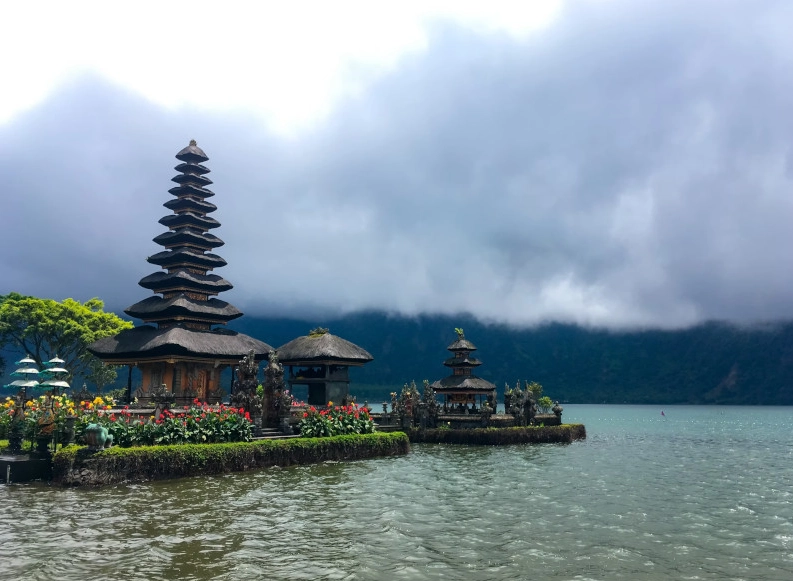
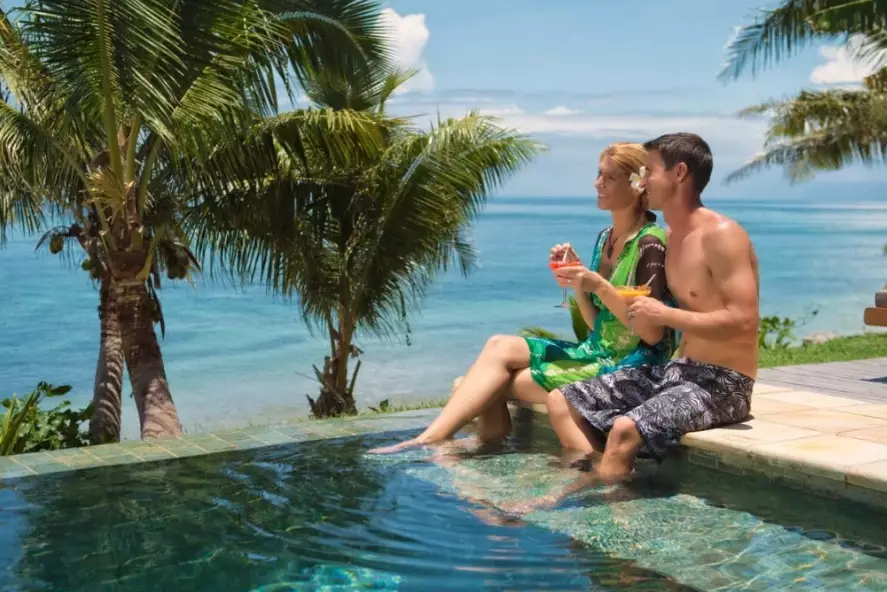
The second pillar is the remote island resort. This is the dream. Small, exclusive islands, often with just 10-30 bures. Places like Likuliku Lagoon Resort (adults-only, with overwater bures) or Turtle Island (the original location for the "Blue Lagoon" film). The experience is about seclusion, ultra-personalized service, and feeling like you're on your own private patch of paradise. The price tag reflects that.
Then there's the growing ecotourism and adventure segment. This isn't just a buzzword. In Fiji, it's about community-run lodges in the highlands of Taveuni, homestays in traditional villages, and dive operations that actively participate in coral reef restoration. Travelers are increasingly seeking this, and Fiji is adapting. The Fiji Tourism website now actively promotes these sustainable options.
Navigating Fiji's Islands & Key Regions
Fiji is an archipelago of over 330 islands. You won't see them all, and you shouldn't try. Each group has a distinct personality.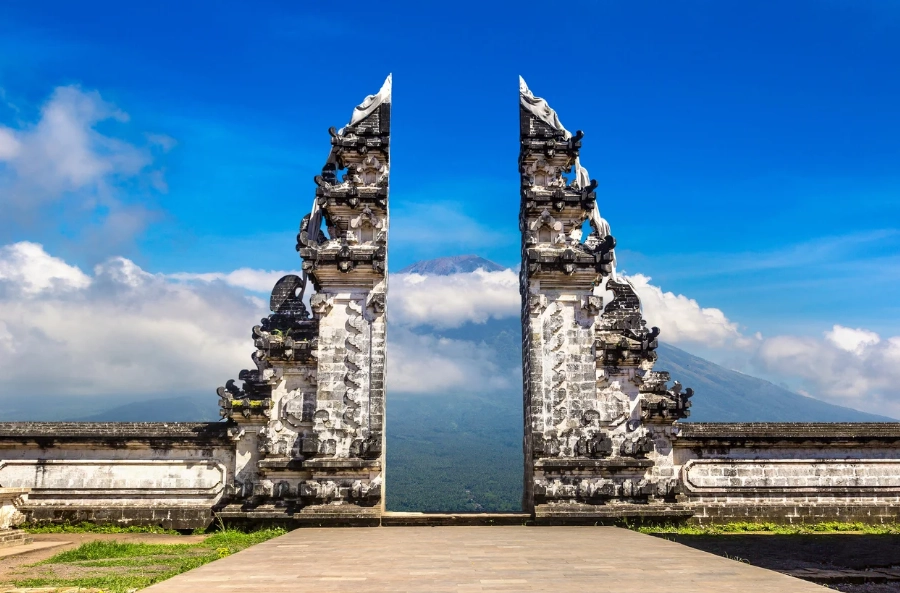
Viti Levu: The Main Island
This is where you'll fly into (Nadi International Airport). Many make the error of rushing straight to a seaplane transfer. Slow down. The Coral Coast, stretching south from Nadi to Suva (the capital), has some of Fiji's most accessible culture and adventure. The Sigatoka Sand Dunes National Park is a stunning, often overlooked archaeological site. Kula WILD Adventure Park is a fantastic, ethical way to see native Fijian wildlife like the iconic iguanas and rare birds. Nadi town itself has a vibrant market and the serene Sri Siva Subramaniya Temple.
The Mamanuca Islands
Seen the movie "Cast Away"? That's the Mamanucas. This chain is closest to Nadi (30-60 mins by fast catamaran), making it the most popular. Islands like Malolo, Mana, and Beachcomber are packed with activities—jet skiing, snorkeling trips, beach bars. It's lively, social, and perfect if you have limited time. The downside? It can feel a bit crowded, especially during peak season (July-Sept).
The Yasawa Islands
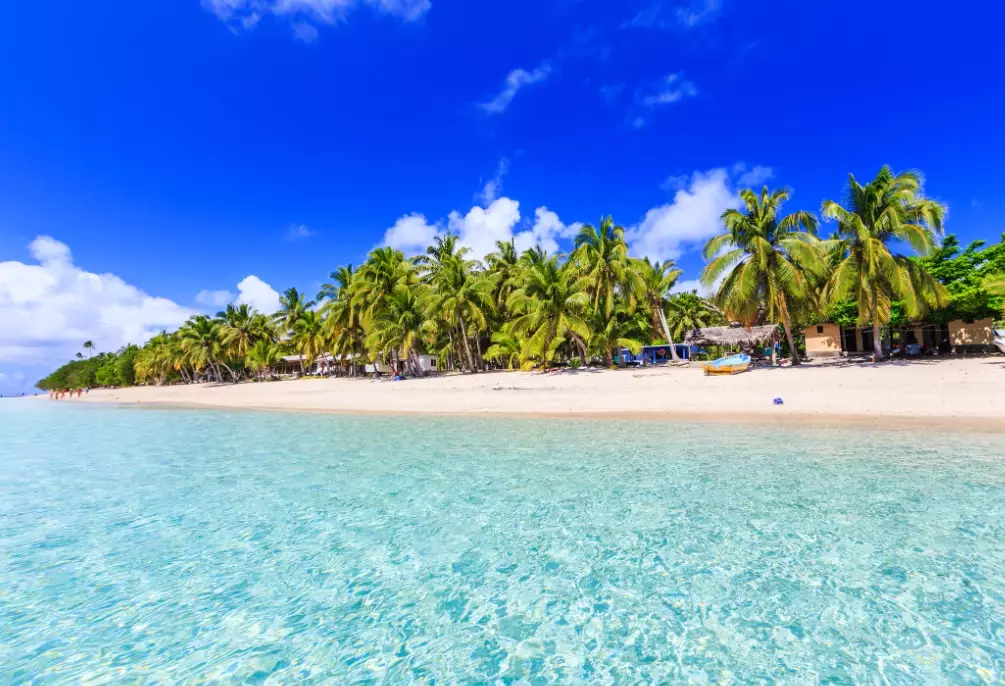
North of the Mamanucas, the Yasawas are more rugged, dramatic, and less developed. This is where you find those iconic long, curving beaches with no one on them. The Blue Lagoon area (around Nacula Island) has some of the clearest water you'll ever see. Accommodation here ranges from basic backpacker resorts (like the famous Blue Lagoon Beach Resort) to high-end escapes. The Yasawa Flyer ferry runs a daily route, making island-hopping feasible here.
Vanua Levu & Taveuni
This is Fiji for the repeat visitor or the true adventurer. Vanua Levu, the second-largest island, is known for the diving mecca of Savusavu Bay and its coconut plantations. Taveuni, the "Garden Island," is a lush, volcanic paradise. Here you'll find the Bouma National Heritage Park, with its stunning Tavoro Waterfalls, and world-class snorkeling at the Rainbow Reef. It feels a world away from the hustle of the Mamanucas.
Beyond the Beach: Authentic Fijian Cultural Experiences
The famous Fijian hospitality isn't a show. It's rooted in the village community structure. To truly "get" Fiji, you need to engage with this.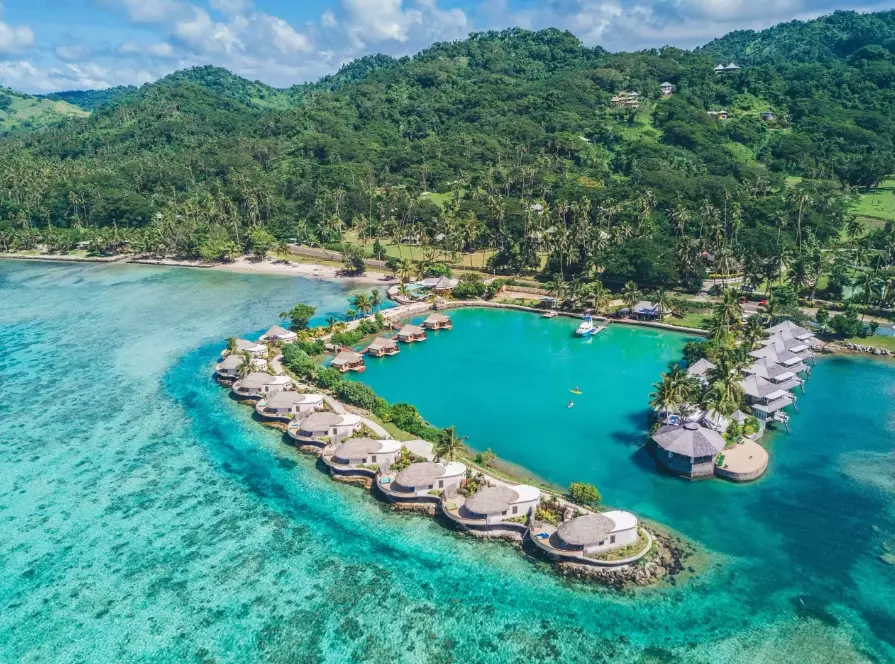
A Village Visit is Non-Negotiable. But do it right. Many resorts offer sanitized tours. Better yet, book a community-run tour or stay in a village homestay (organized through reputable agencies that ensure the benefits go directly to the community). You'll participate in a sevusevu (a traditional welcome ceremony involving the presentation of kava root), share a bowl of kava (it's mild, earthy, and numbs your tongue a bit), and maybe watch a meke (a traditional dance and storytelling performance). Remember to dress modestly (covered shoulders and knees) and remove your hat when entering a village.
Food is Culture. Skip the resort buffet one night and try a lovo feast. This is food (pork, chicken, fish, root vegetables) cooked in an underground oven lined with hot stones. The result is incredibly tender, smoky flavor. You can find lovo nights at many places, but the ones at smaller, family-run places often feel more genuine.
Adventure & Activities: From Diving to Trekking
If you just lie on the beach, you're missing half of Fiji.
Diving and Snorkeling: The Soft Coral Capital of the World tagline is real. The Great Astrolabe Reef off Kadavu, the Somosomo Strait near Taveuni (Rainbow Reef), and the Bligh Waters between Viti Levu and the Yasawas are world-class. You'll see soft corals in shocking pinks and purples, sharks, manta rays (in the Yasawas May-Oct), and incredible biodiversity. Operators like Pro Dive Fiji in Nadi are PADI-certified and professional.
Surfing: Fiji has legendary breaks. Cloudbreak, off Tavarua Island, is a heavy, barreling left-hander for experts. There are also more accessible breaks for intermediates in the Mamanucas. The season runs from April to October.
Inland Adventures: On Viti Levu, the Nadrau Plateau offers highland trekking with views you'd never expect in the South Pacific. River tubing and jet boat rides up the Sigatoka River are a fun, splashy way to see the interior.
How to Plan Your Fiji Trip: A Realistic Blueprint
Here’s a no-nonsense approach based on travel style and duration.
For the Adventure-Seeker (7-10 days): Fly into Nadi, spend 2 nights on the Coral Coast white-water rafting or hiking. Then, take the Yasawa Flyer ferry north. Base yourself at a mid-range resort in the central Yasawas (like Octopus Resort on Waya Island) for 5 nights. This gives you access to great diving, village visits, and hiking to island summits for epic sunsets.
For Families (8-12 days): The convenience of Denarau or the calm, shallow lagoons of the Mamanucas (like Plantation Island Resort) are ideal. Book a resort with a kids' club. Mix resort days with day trips: a cultural tour to a village, a snorkel safari, or a trip to Cloud 9, a floating pizza bar/water platform.
For the Honeymooners (10-14 days): Splurge on a direct seaplane transfer to a remote, adults-only resort in the Yasawas or northern Mamanucas (like Tokoriki Island Resort) for 5-7 nights of pure relaxation. Then, hop over to Taveuni for 4 nights of jungle waterfalls and world-class diving. The contrast is magical.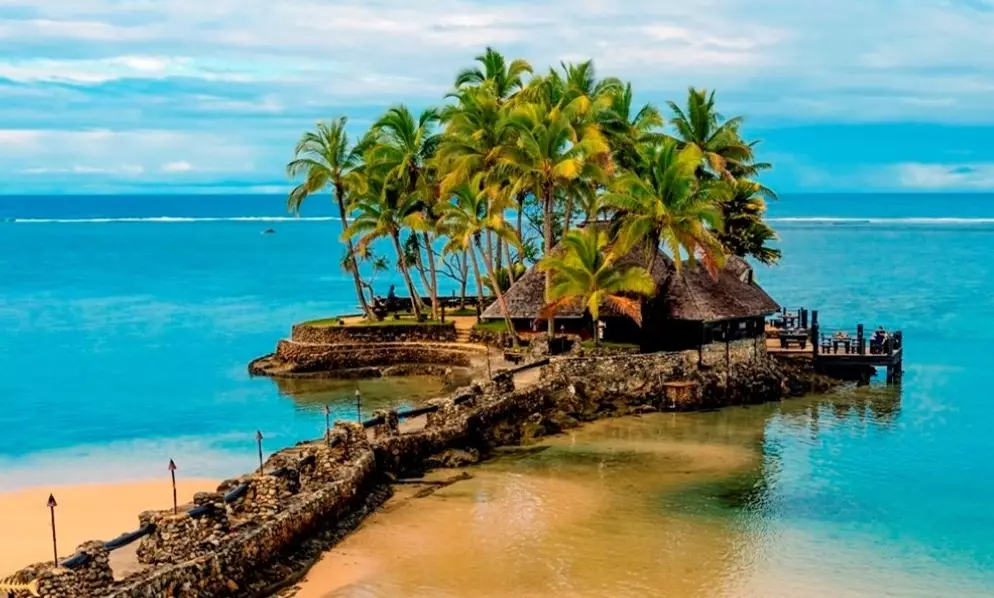
Where to Stay: A Quick-Reference Accommodation Table
| Type / Budget | Best For | Example Resorts/Areas | Price Range (per night) | Key Consideration |
|---|---|---|---|---|
| Luxury Island Resort | Honeymoons, Special Occasions | Likuliku Lagoon, Laucala Island, Kokomo Private Island | $1,500 - $4,000+ | All-inclusive, extreme privacy, overwater bures often available. |
| Premium Family Resort | Families, Multi-generational Groups | Sheraton Fiji/ Westin Denarau, Plantation Island Resort (Mamanucas) | $400 - $900 | Kids clubs, multiple dining, calm lagoons, easy access. |
| Mid-Range Island Escape | Couples, Adventure Travelers | Octopus Resort (Yasawas), Matamanoa Island Resort (Mamanucas) | $250 - $600 | Great value, good mix of activities & relaxation, social atmosphere. |
| Backpacker / Budget | Solo Travelers, Young Groups | Beachcomber Island (Mamanucas), Blue Lagoon Beach Resort (Yasawas) | $50 - $150 (dorm/room) | Very social, activity-focused, basic but clean accommodation. |
| Eco-Lodge / Homestay | Cultural Immersion, Sustainable Travel | Bobo's Farm (Kadavu), Garden Island Resort (Taveuni) | $100 - $300 | Authentic, community-benefitting, often remote location. |
Your Fiji Travel Questions Answered (The Real Stuff)
 I'm an avid diver. Is Fiji really that good, and where should I base myself?
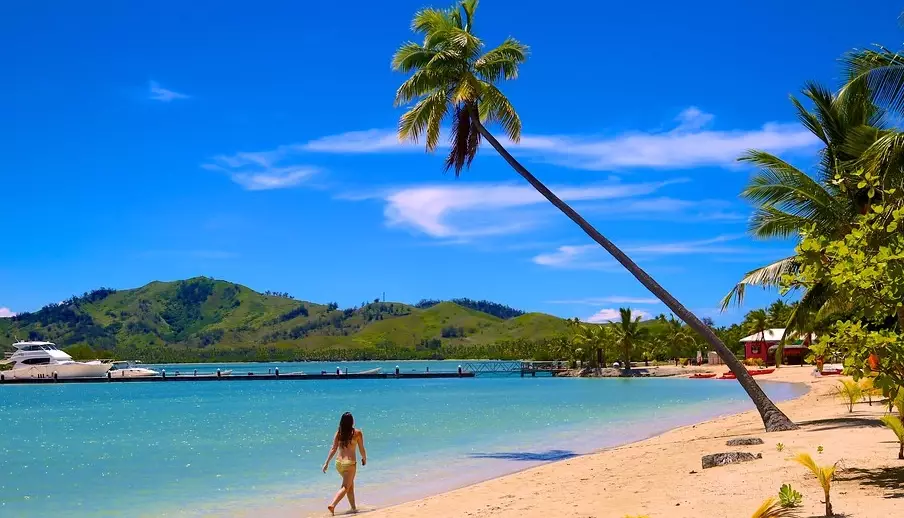 What's the weather really like, and when is the absolute best time to go?
Comments
Join the discussion