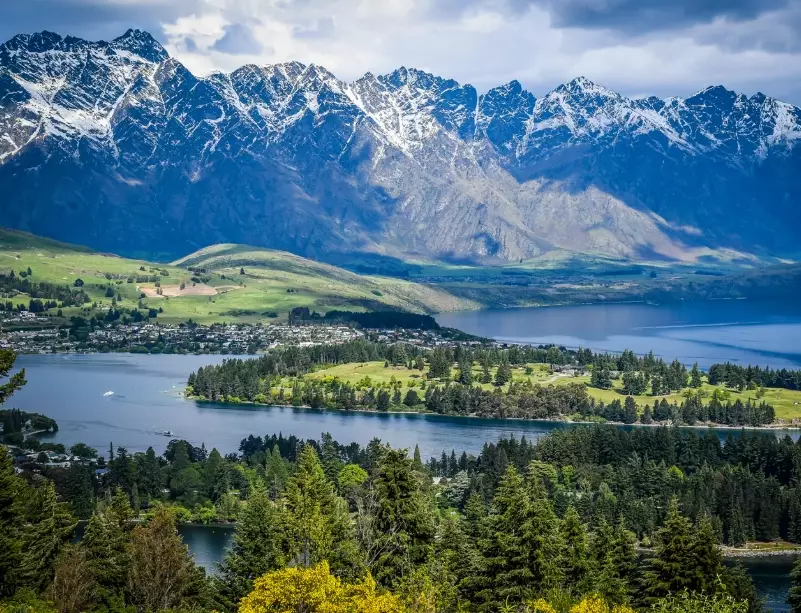
You've seen the photos. The impossible blue of Lake Tekapo, the jagged peaks of the Remarkables, the serene glow of Waitomo's caves. New Zealand sells itself as a pristine paradise, and for the most part, it is. But after a decade of writing about travel here and watching friends make the same planning mistakes, I've learned there's a gap between the marketing and the reality of crafting a great trip. The industry is sophisticated, but it can feel fragmented to a first-time visitor. This guide isn't just another list of top sights. It's a strategic manual to navigate the New Zealand tourism landscape, avoid common pitfalls, and build an itinerary that feels authentic, not just Instagrammable.
Your Journey at a Glance
Understanding the New Zealand Canvas
First, let's set the scene. New Zealand is two main islands, North and South, with over 1,600 km of coastline and landscapes that change every hour of driving. The tourism industry, a cornerstone of the economy according to official reports, is built around showcasing this diversity. But that diversity is also the main challenge for planners. You can't see it all in two weeks, and trying to will leave you exhausted.
The climate varies wildly. The subtropical north (around the Bay of Islands) feels a world away from the alpine south (like Queenstown or Fiordland). The "best time to visit New Zealand" truly depends on what you want. Summer (Dec-Feb) is warm and busy. Autumn (Mar-May) is stunning with golden leaves and fewer crowds. Winter (Jun-Aug) is for skiers. Spring (Sep-Nov) is lush and unpredictable.
Crafting Your Perfect Itinerary: Two Expert Routes
Forget trying to stitch together every "must-see." Choose a theme. Here are two detailed, road-tested itineraries focusing on different experiences.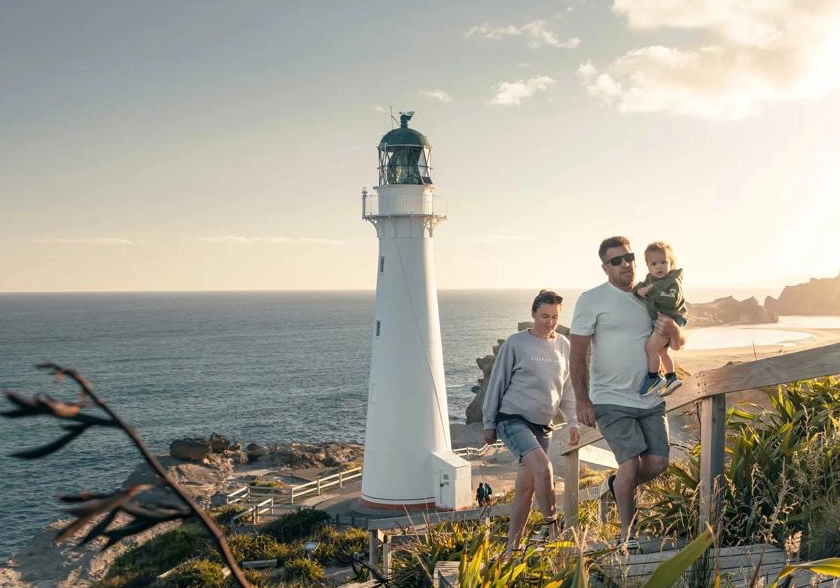
The Grand Classic: 14-Day North & South Island Highlights
This is for the first-timer who wants the iconic hits. You'll need to book inter-island flights (Air New Zealand or Jetstar) between Wellington and Christchurch.
Days 1-3: Auckland & Bay of Islands. Land in Auckland, but don't linger in the city. Recover from jetlag with a day trip to Waiheke Island for wine tasting (Mudbrick or Cable Bay vineyards). Then, drive north (3 hours) to Paihia in the Bay of Islands. Spend a day on a cruise to the Hole in the Rock with Dolphin Cruises, and visit the historic Waitangi Treaty Grounds. Stay: The Waterfront Suites in Paihia (mid-range, amazing views).
Days 4-5: Rotorua. Fly back from Kerikeri to Auckland, pick up your rental car, and drive south (3 hours) to Rotorua. Immerse in Māori culture at the Tamaki Māori Village evening experience. Visit Wai-O-Tapu Thermal Wonderland (get there for the 10:15 AM Champagne Pool eruption). The smell of sulphur is real, but the landscapes are otherworldly.
Days 6-7: Wellington. A long drive (6.5 hours) or a shorter one to Taupo, then a scenic train on the Northern Explorer to Wellington. Explore the Te Papa Museum, ride the cable car, and soak in the cool café culture. Stay: Museum Hotel for art and location.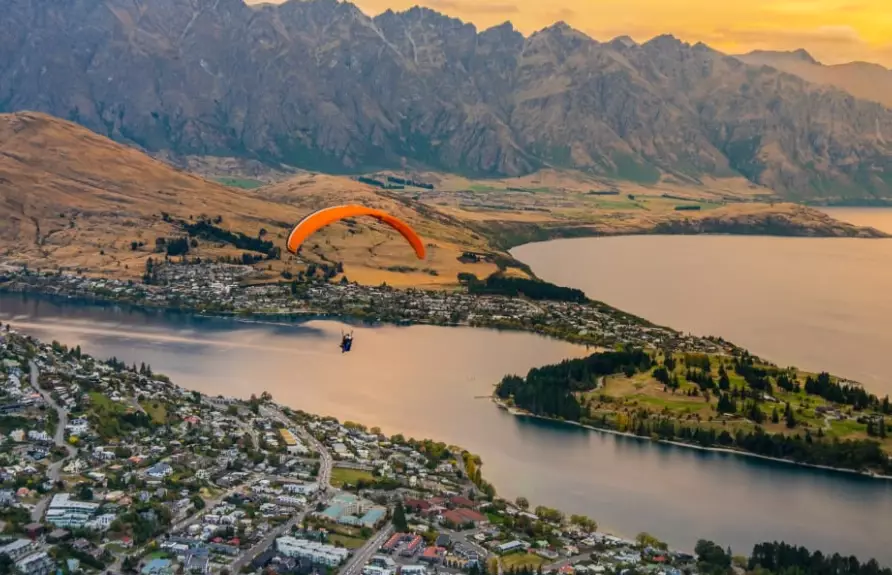
Fly to Christchurch.
Days 8-10: Christchurch to Queenstown via Lake Tekapo. Pick up a new rental car in Christchurch. Drive to the stunning Lake Tekapo (3 hours). Visit the Church of the Good Shepherd and stargaze at the Mt. John Observatory. Next day, drive to Queenstown (3 hours). You now have a base for adventure. Book your Milford Sound day trip well in advance—the drive is epic, but the bus tours are long. Consider a scenic flight if your budget allows.
Days 11-14: Queenstown & Departure. Bungee jump at the Kawarau Bridge, take the gondola for views, do a wine tour to Gibbston Valley. On your last day, drive to Queenstown Airport (ZQN) for your flight out.
The Deep South Immersion: 10-Day South Island Nature Loop
For those who love mountains, glaciers, and raw wilderness. Start and end in Christchurch (CHC).
| Day | Route & Key Activity | Drive Time | Stay Overnight |
|---|---|---|---|
| 1 | Arrive Christchurch, explore city regeneration | - | Christchurch |
| 2 | Christchurch to Franz Josef Glacier | 5 hrs | Franz Josef |
| 3 | Heli-hike on the glacier (weather-dependent) | - | Franz Josef |
| 4 | Franz Josef to Wanaka | 3.5 hrs | Wanaka |
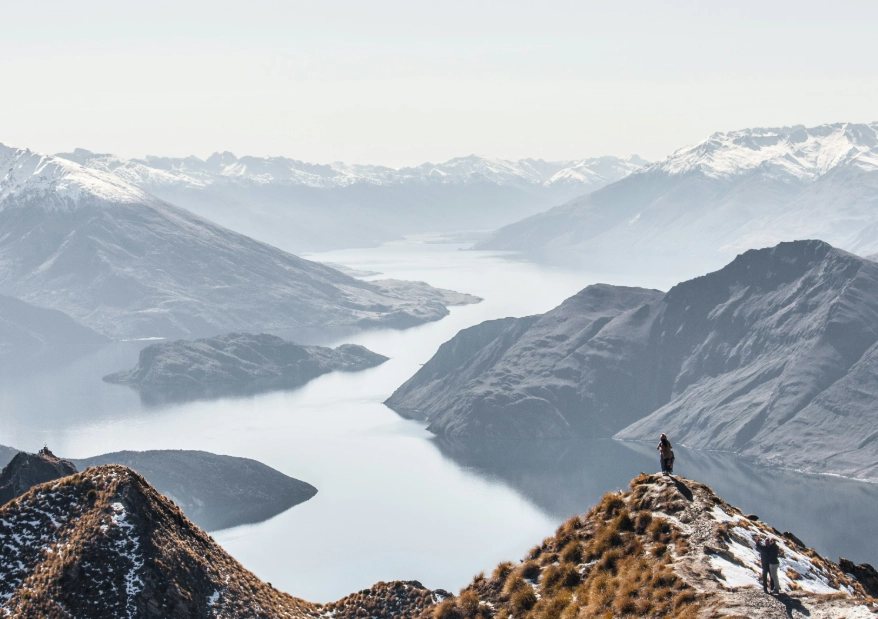
| 5 | Wanaka: Roy's Peak hike or #ThatWanakaTree | - | Wanaka |
| 6 | Wanaka to Queenstown via Crown Range Rd | 1.5 hrs | Queenstown |
| 7 | Milford Sound day trip (bus/boat) | 8 hrs round trip | Queenstown |
| 8 | Queenstown to Aoraki/Mt Cook National Park | 3.5 hrs | Mt Cook Village |
| 9 | Hooker Valley Track hike | - | Mt Cook Village |
| 10 | Mt Cook to Christchurch Airport | 4 hrs | Depart |
This loop is demanding but incredibly rewarding. Book the Glacier Heli-hike as a priority—it's expensive but a true highlight. In Wanaka, skip the crowded puzzle world unless you have kids and head for the quieter Diamond Lake track.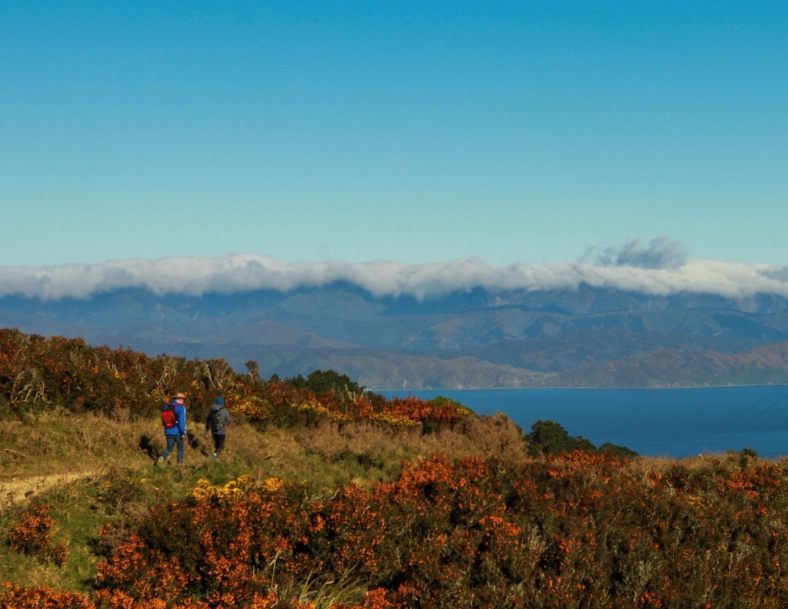
Where to Lay Your Head: Accommodation Unpacked
New Zealand's lodging runs the gamut. Here’s a breakdown to match your style and budget.
Luxury & Unique Stays:
- Huka Lodge (Taupo): An iconic, world-renowned retreat. Address: Huka Falls Road, Taupo. Expect NZD $1,500+ per night. It's an experience in itself.
- Minaret Station (Wanaka): Alpine chalets accessible only by helicopter. Ultimate seclusion. Prices on application.
- The Lindis (South Canterbury): Stunning luxury lodges in a high-country valley. Address: 6589 Birchwood Road, Omarama.
Mid-Range Gems (NZD $150-$350/night):
- QT Wellington: Funky, design-focused hotel in the heart of the city. 90 Cable Street, Wellington.
- Edgewater Hotel (Wanaka): Lakeside location with stunning views, less frantic than Queenstown. Sargood Drive, Wanaka.
- Scenic Hotel Franz Josef Glacier: Reliable, comfortable, and great location for glacier activities. 46 Cron Street, Franz Josef.
Budget & Social (Under NZD $150/night):
- YHA Network: Consistently clean, well-located hostels with private rooms and dorms. The YHA Lake Tekapo is a standout.
- Haka Lodges: A newer, slicker hostel chain with pod-style beds and great facilities in major cities.
- Holiday Parks & Motels: Kiwi classics like Top 10 Holiday Parks offer cabins, powered sites for campervans, and often great facilities. Perfect for families and road-trippers.
Book well ahead for summer and Easter. A common mistake is underestimating driving times and booking non-refundable rooms in towns you'll arrive at late and exhausted.
The Nitty-Gritty: Essential Travel Tips
Getting Around: You need a car or campervan. Public transport won't cut it for these itineraries. Book rental cars months in advance. Compare prices on local company websites (like Apex, Omega) versus global brands—local can be cheaper and more flexible with pick-up/drop-off. Get full insurance. Driving is on the left. Distances are long, and roads are often winding two-lane highways. Add 20% to Google Maps' estimated time.
Money & Budget: New Zealand is not cheap. A moderate daily budget for two people, including car rental, mid-range accommodation, activities, and food, is NZD $350-$500. Save by cooking some meals, using holiday parks, and being selective with paid activities. Pay with a no-foreign-transaction-fee credit card where possible.
Connectivity: Buy a local SIM at the airport (Spark, Vodafone/One NZ, or 2degrees). Coverage is good in towns, spotty in remote areas like Milford Road.
The Tiaki Promise: This is a commitment you'll see everywhere. It means caring for the land, sea, and culture. It translates to practical actions: drive carefully (watch for sheep!), stay on marked tracks, respect Māori sacred sites (wāhi tapu), and take all your rubbish with you. The industry and locals deeply value this responsible approach.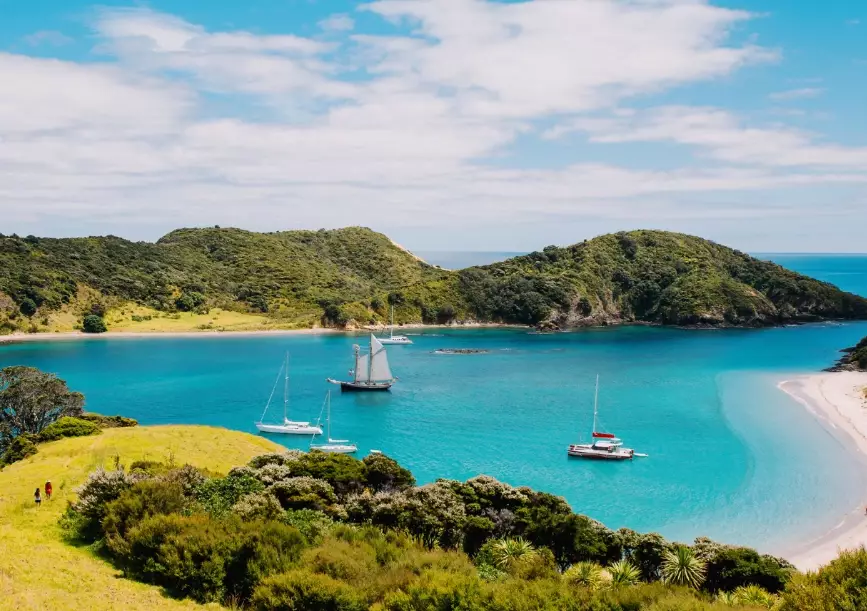
Your Burning Questions Answered
What's the single biggest mistake tourists make when planning a New Zealand trip?
Overloading the itinerary. People see the small map and think, "Oh, we can drive from Auckland to Queenstown in a week." Technically, yes. Enjoyably, no. You'll spend 80% of your trip in the car. Pick one island, or one region within an island, and explore it deeply. Quality over quantity every time.
Is it possible to do New Zealand on a tight budget, and where should I splurge?
It's challenging but doable. Prioritize freedom camping (in certified self-contained vehicles only), hostel kitchens, and free hikes. Your splurge should be on one or two iconic, weather-dependent experiences you can't do anywhere else. For me, that's the Franz Josef heli-hike or a scenic flight over Milford Sound. These are costly but define the New Zealand experience. Don't waste money on generic activities you can do back home.
How do I avoid the crowds at famous spots like Hobbiton or Milford Sound?
Book the first tour of the day. At Hobbiton, that's often 9 AM. You'll have the Shire more to yourself before the bus loads arrive. For Milford Sound, the problem is the road, not just the destination. Buses dominate it. Consider staying the night before in Te Anau and driving yourself very early, or better yet, look at visiting the less-crowded but equally stunning Doubtful Sound instead.
I'm traveling solo. Is New Zealand a good and safe destination?
Excellent and very safe. The tourism infrastructure is solo-traveler friendly. You'll meet people easily in hostels and on guided walks. The Great Walks (like the Routeburn or Abel Tasman) are fantastic for solo hikers. Just practice normal precautions you would anywhere. The biggest risk is often underestimating a hike's difficulty—always check trail conditions with a Department of Conservation (DOC) visitor centre.
What's one thing about the New Zealand tourism industry that most blogs don't tell you?
The seasonality is shifting. The traditional "peak" (Dec-Jan) is becoming overwhelmingly busy, straining infrastructure. The real sweet spot is now the shoulder months—late March to April (autumn) and October to November (spring). You get better prices, fewer crowds, and often stunning weather. The industry is adapting, but many visitors still default to a Northern Hemisphere summer holiday, missing these perfect windows.


Comments
Join the discussion