Yes, New Zealand absolutely welcomes US citizens. In fact, Americans are among the most frequent visitors to Aotearoa. But "welcome" comes with specific, non-negotiable rules you must follow. This isn't just about a friendly smile at the border; it's about understanding a streamlined but strict entry system, respecting a unique environmental ethos, and planning for a long-haul trip that's worth every mile. I've traveled there half a dozen times from Los Angeles, and the process is straightforward if you know the details most generic guides gloss over.
What's Inside This Guide?
Do Americans Need a Visa for New Zealand?
This is the first and most critical question. The short answer is no, you don't need a traditional visa for short visits. But you absolutely need an NZeTA (New Zealand Electronic Travel Authority). This is where many Americans trip up. They think because it's not a "visa," they can wing it. You cannot.
The NZeTA is a pre-screening requirement for visa-waiver travelers, including US passport holders. It's linked electronically to your passport. You must get this before you board your flight. Airlines will check for it. I've seen people at LAX scrambling on their phones at the check-in counter—don't be that person.
| Feature | NZeTA (For US Citizens) | Visitor Visa (Not Needed for Most) |
|---|---|---|
| Purpose | Tourism, business, visiting for up to 90 days. | Stays longer than 90 days, or for work/study. |
| Application Method | Online via official app or website. Takes minutes. | Paper application to immigration office, more complex. |
| Cost | NZ$23 via app; NZ$17 if using browser (plus an International Visitor Conservation and Tourism Levy of NZ$35). | Significantly higher fee, varies. |
| Validity | Up to 2 years for multiple visits. | Single or multiple entry for specific period. |
| Key Requirement | Proof of onward travel and sufficient funds. | Extensive documentation on purpose, funds, ties to home. |
You apply through the official Immigration New Zealand channels. Be wary of third-party sites charging exorbitant "service fees" for what is a simple form. The official app is slick and user-friendly.
Expert Tip: Apply for your NZeTA at least 72 hours before departure, but I recommend doing it a week out. While most are approved instantly, some applications require manual processing, which can take up to 72 hours. That's a nerve-wracking wait if your flight is tomorrow. Also, ensure the name on your NZeTA matches your passport exactly. A middle initial discrepancy can cause delays.
How to Apply for the NZeTA: A Step-by-Step Guide
1. Gather your documents: A valid US passport (must be valid for at least 3 months beyond your planned departure date from NZ), a credit/debit card for payment, and your email address.
2. Choose your platform: Download the official "NZeTA" app (faster, designed for mobile) or use the browser form on the Immigration NZ website.
3. Fill in the details: Passport info, personal details, travel plans. You'll answer character and health questions (essentially confirming you have no serious criminal convictions or tuberculosis).
4. Pay the fees: You pay two things: the NZeTA processing fee (NZ$23 via app) and the International Visitor Conservation and Tourism Levy (IVL) of NZ$35. This levy funds tourism infrastructure and conservation—a key part of the "welcome."
5. Receive confirmation: Approval is usually emailed within minutes. Save the PDF or screenshot. You don't need to print it; it's electronically tied to your passport number.
What Does "Welcome" Really Mean for American Tourists?
Beyond the paperwork, New Zealand's welcome is genuine but comes with high expectations of respect. Kiwis are famously friendly and laid-back, but they are fiercely protective of their environment and culture.
Cultural Welcome (Manaakitanga): You'll experience Maori culture, often through a traditional powhiri (welcome ceremony) at a marae (meeting grounds). This is not a tourist show; it's a profound cultural exchange. Listen, follow your guide's lead, and understand it's a privilege. In everyday interactions, Kiwis are direct but polite. Tipping is not expected, which feels strange at first but is refreshing.
Safety and Practicalities: New Zealand is incredibly safe by US standards. Violent crime is low. The main risks are environmental: sunburn (the ozone hole is real here—pack SPF50+), unpredictable weather, and challenging hiking trails. You'll need travel insurance. Medical care is excellent but expensive for visitors without coverage.
Driving is on the left. This is a major adjustment. Rent a smaller car than you think you need—NZ roads are often narrow and winding. An automatic transmission rental is worth the extra cost if you're not used to manual.
Planning Your New Zealand Trip from the USA
This is where the fun begins. A trip from the US to NZ is a significant investment in time and money, so planning is key to maximizing the experience.
When to Go: New Zealand's seasons are opposite the Northern Hemisphere. Peak season is their summer (Dec-Feb). It's glorious but busy and expensive. Shoulder seasons (Mar-May and Sep-Nov) offer better deals, fewer crowds, and stunning autumn colors or spring blossoms. Winter (Jun-Aug) is perfect for skiing in the South Island.
Getting There: Direct flights operate from the West Coast (LAX, SFO) to Auckland (AKL) on Air New Zealand, United, and American. Flight time is about 12-13 hours non-stop. From the East Coast, expect a stopover, making total travel time 16+ hours. Book early for the best fares.
A Realistic Two-Week Itinerary for First-Timers:
North Island (5-6 days): Start in Auckland. Don't spend more than a day or two here; it's a gateway. Head to the Waitomo Glowworm Caves (book the black water rafting tour if you're adventurous). Then, Rotorua for geothermal wonders and Maori culture (Te Puia is a great spot). Finish in the capital, Wellington—visit Te Papa museum and take the ferry to the South Island.
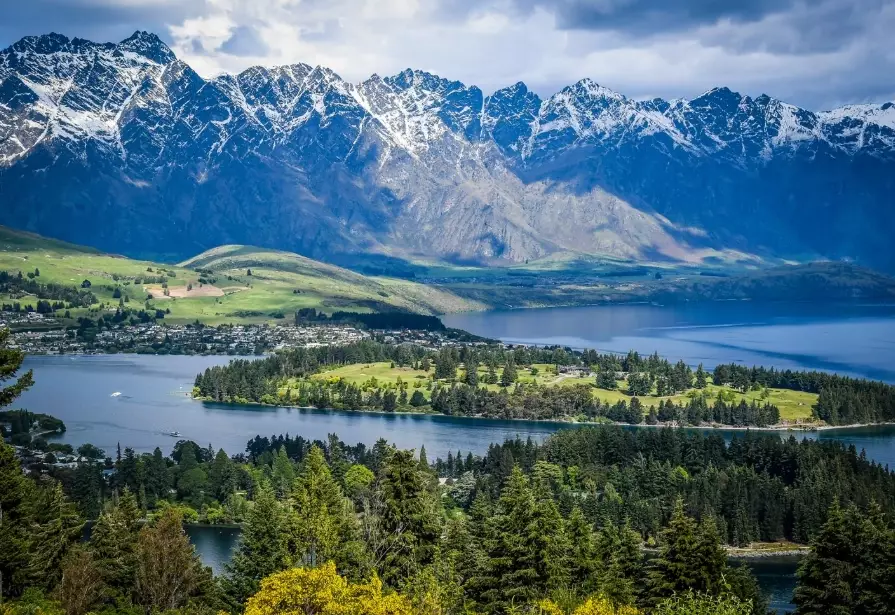
South Island (8-9 days): Pick up a rental car in Picton. Drive to Abel Tasman National Park for kayaking. Then, down the wild West Coast to Franz Josef Glacier. Cross to Queenstown—the adventure capital. Allow 3 days here for bungee, jet boating, and a day trip to Milford Sound (the drive is part of the experience). End in the dark sky reserve of Lake Tekapo for stargazing before flying out from Christchurch (CHC).
Budgeting: New Zealand is not cheap. A mid-range trip for two, including flights, car rental, accommodation (mix of motels and B&Bs), activities, and food, can easily run $8,000-$12,000 for two weeks. Food and petrol are expensive. Save money by booking inter-island ferries and popular activities (like Milford Sound cruises) well in advance online.
Common Mistakes American Travelers Make in New Zealand
After multiple trips and talking to local operators, I see the same errors repeatedly.
Underestimating Distances and Drive Times. Google Maps times are optimistic on NZ's winding roads. A 200km drive can take 4 hours. Plan for less driving per day than you would in the US.
Packing for "Summer" or "Winter" Only. NZ weather is famously changeable. "Four seasons in one day" is a cliché because it's true. Always pack a waterproof layer and warm fleece, even in summer.
Not Declaring Biosecurity Items. NZ has the world's strictest biosecurity. You must declare any hiking boots, camping gear, food, or plant products. They will be inspected and cleaned if necessary. Failing to declare can result in a $400 instant fine. It's not worth the risk. Be honest on the arrival card.
Trying to Do Too Much. With limited time, focusing on one island in-depth is better than a frantic dash across both. You'll remember the hike you completed, not the seven you just saw from the car window.
Ignoring the "Tiaki Promise." This is a pledge to care for the land, sea, and culture. It means staying on marked tracks, not feeding wildlife, and leaving no trace. Americans used to vast, managed national parks sometimes underestimate how fragile NZ's ecosystems are. Tramping off-track damages unique flora that can take decades to recover.
FAQ: Your New Zealand Travel Questions Answered
Is the NZeTA process different if I'm flying via Australia?
The NZeTA requirement remains the same regardless of your route. However, if you transit through Australia, even for a few hours, you may need an Australian transit visa (subclass 771) or an Electronic Travel Authority (ETA). This is a separate requirement from Australia's government. Always check the Australian Department of Home Affairs website based on your citizenship.
Can I use my US driver's license in New Zealand?
Yes, you can drive for up to 12 months on a valid US license. It's highly recommended, and often required by rental companies, to also carry an International Driving Permit (IDP) as a translation. Get the IDP from AAA in the US before you leave. Remember, drive on the left, and roundabouts are common—give way to vehicles coming from your right.
What's the deal with healthcare? Is my US insurance enough?
Most US health insurance plans offer little to no coverage outside the country. You must purchase comprehensive travel insurance that includes medical evacuation. A simple hospital visit in NZ can cost thousands of dollars. A good policy also covers trip cancellation, lost baggage, and activity-related injuries (like from hiking or adventure sports).
How easy is it to find vegetarian/vegan food or deal with food allergies?
Extremely easy in cities and major tourist towns. New Zealand has a strong farm-to-table and café culture with abundant options. In remote areas, choices narrow, but most pubs and motel kitchens can accommodate. For severe allergies, learn the phrase "I have a severe allergy to..." and carry a translated card. Kiwis are generally very understanding about dietary needs.
I've heard New Zealand is expensive. What's the biggest budget surprise?
Beyond the obvious flights and hotels, two things catch Americans off guard: fresh produce and gasoline. A head of lettuce can be $4-5 NZD, and petrol is consistently more expensive than in the US (prices are per liter). Dining out is also pricey. To save money, book accommodation with kitchen facilities (like holiday parks or Airbnb) and cook your own meals using local markets.
So, does New Zealand welcome US citizens? Unreservedly. The welcome is embedded in a system designed to be efficient for short-term visitors, a culture that values respectful engagement, and landscapes that demand your awe and care. Do your homework on the NZeTA, plan a realistic itinerary, pack for all weather, and embrace the Tiaki Promise. Your reward is one of the most breathtaking, welcoming, and unforgettable travel destinations on the planet. Just don't forget to apply for that NZeTA before you check in for your flight.

Comments
Join the discussion