You've seen the postcard-perfect images. You've heard it's the adventure capital of the world. But when you're planning a trip, especially a solo one or with family, a more pressing question pushes to the front: Is New Zealand safe? The short, honest answer is yes, New Zealand is statistically one of the safest countries you can visit. It consistently ranks high on the Global Peace Index (3rd in 2023, according to the Institute for Economics & Peace). But that's the glossy brochure version. The real answer, the one that helps you pack your bags with confidence, is more nuanced. Safety isn't just about low crime rates; it's about understanding the environment, the specific risks (yes, there are a few), and knowing how to navigate them like a local. Let's ditch the tourism slogans and talk reality.
What’s Inside This Guide?
The Safety Reality Check: Stats vs. Streets
On paper, New Zealand shines. Violent crime against tourists is rare. You won't find warnings about terrorism or civil unrest. The biggest dangers aren't the ones you might instinctively fear. I've lived here for stretches over the past decade, and the feeling of walking home at night in most towns is one of ease, not anxiety. But that feeling can breed complacency.
Here’s where travelers often get tripped up: they hear "safe" and assume "risk-free." They let their guard down in ways they wouldn't in other destinations. Petty crime, like theft from unlocked cars or unattended bags in hostel dormitories, is the most common issue. A report from New Zealand Police often highlights opportunistic theft in tourist hotspots. The environment itself presents a different category of risk—one that's far more consequential than street crime for most visitors.
A Quick Comparison: How does New Zealand stack up? According to Numbeo's 2024 mid-year indices, New Zealand's safety index score is significantly higher than popular destinations like the United States, the United Kingdom, or France. Its perceived crime rate is lower. This isn't theoretical; you feel it in the general trust and openness of daily life.
What Are the Main Safety Concerns in New Zealand?
Forget Hollywood. Your safety checklist for New Zealand should look less like an action movie and more like an outdoor preparedness manual. Let's break it down.
1. Crime and Personal Security
Violent crime is low, but property crime happens. It's often opportunistic. The classic scenario? A rental campervan parked at a scenic lookout with a laptop visible on the seat. Smash-and-grabs happen, especially in isolated car parks known to tourists. In cities like Auckland, some central areas can feel edgier at night, but it's more about groups being loud than targeted violence. The real crime hotspot? Your own lack of vigilance with your belongings.
2. Natural Hazards and the Environment
This is the big one. New Zealand's beauty is raw and untamed, and that comes with conditions.
- Weather & Sun: The UV radiation is extreme. You can get a severe burn in under 20 minutes on a cloudy day. I learned this the hard way on a hike in Fiordland—my neck was fried despite the overcast sky.
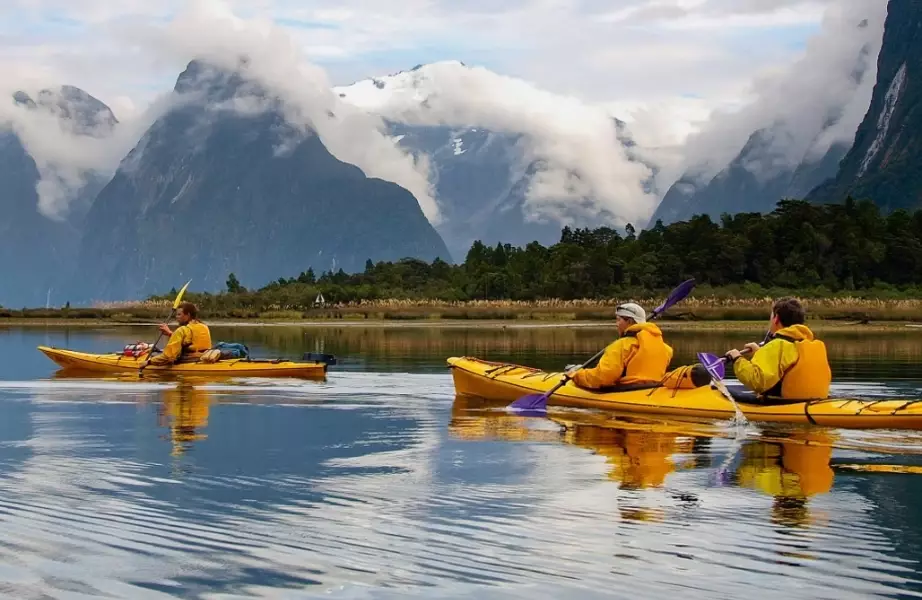
- Water Safety: Rivers and beaches are stunning but deadly. Strong rips, unpredictable waves, and cold water cause drownings every year. Always swim between the red and yellow flags on patrolled beaches.
- Earthquakes & Volcanoes: Yes, New Zealand is seismically active. The chance of experiencing a major quake during your holiday is tiny, but knowing the basic drill (Drop, Cover, Hold) is smart. Volcanic alert levels are monitored by GNS Science.
The #1 Underrated Danger: Unprepared Hikers. Search and Rescue volunteers are called out hundreds of times a year for people who underestimated a track. The weather changes fast in the mountains. A sunny start can turn into a freezing, white-out blizzard. Too many people attempt the Tongariro Alpine Crossing in jeans and sneakers. Don't be that person.
3. Road Safety
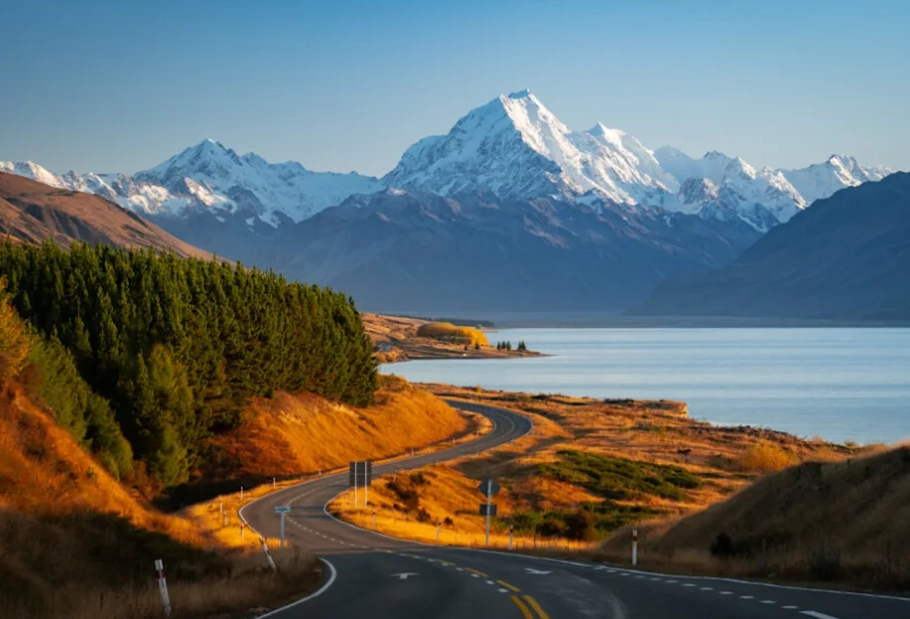
Driving is likely your biggest physical risk. New Zealand roads are winding, often narrow, and can be shared with logging trucks. The "keep left" rule catches out many. Fatigue is a killer—don't try to drive from Auckland to Queenstown in two days. And for goodness' sake, pull over to let faster traffic pass; the locals will thank you.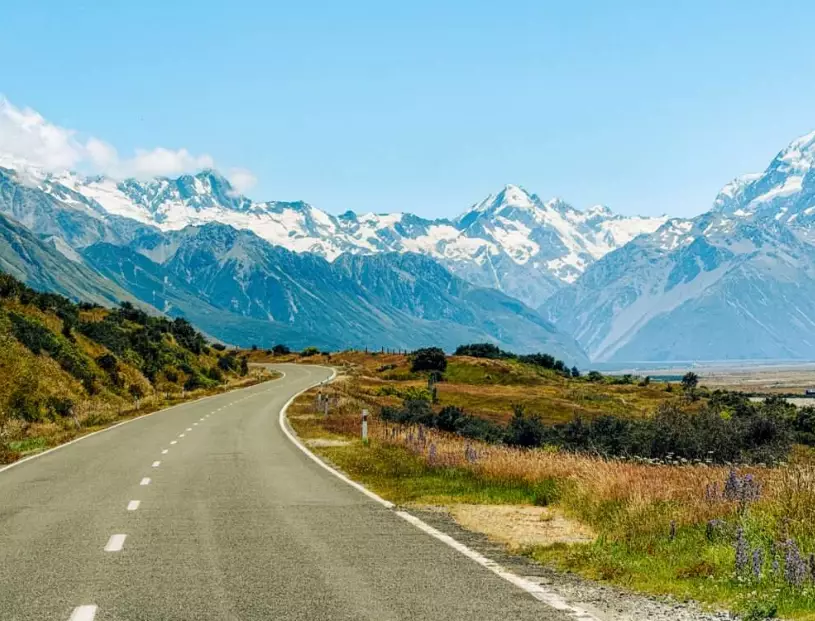
4. Outdoor Adventure Activities
Bungee jumping, skydiving, white-water rafting—the adventure industry is highly regulated and generally very safe. The key is to use QualMark accredited operators. They adhere to strict safety standards. The risk often lies in the less glamorous activities: slipping on a wet rock near a waterfall, or getting lost on a poorly marked trail.
5. Health and Healthcare
No snakes, no deadly spiders. The wildlife is benign. The main health annoyances are sandflies (vicious little biters on the South Island's west coast) and contaminated water in some remote streams (giardia). Healthcare is excellent but expensive for visitors without travel insurance. An ambulance ride or a hospital visit can cost thousands.
6. Scams and Tourist Traps
Not a major issue. You might encounter overpriced souvenirs, but violent scams are rare. Be wary of "too good to be true" deals on second-hand sales websites like Trade Me if you're buying a car for a long trip.
Safety Advice for Different Types of Travelers
Safety isn't one-size-fits-all. Your experience depends hugely on who you are and how you travel.
| Traveler Type | Primary Safety Focus | Key Actionable Tip |
|---|---|---|
| Solo Travelers (Especially Women) | Personal security & social vigilance. | Trust your gut in social situations. New Zealand's friendly culture is genuine, but it's okay to politely decline invitations. Hostels are generally safe, but use a locker for passports and valuables. Hitchhiking, while common decades ago, is not recommended by police today. |
| Family Travelers | Child-specific outdoor hazards & planning. | Water safety is paramount. Never turn your back on kids near rivers, lakes, or the ocean. Choose family-friendly, shorter walks (like the Hooker Valley Track) and always pack more food, water, and warm layers than you think you'll need. Sun protection (hat, shirt, sunscreen) is non-negotiable. |
| Adventure/Backpacker Travelers | Activity preparedness & environmental risks. | Never hike alone without telling someone your plans. Use the AdventureSmart NZ Outdoors Intentions Process. Check weather forecasts at Metservice, not just your phone app. For multi-day hikes (Great Walks), book huts well in advance. |
| Road Trippers & Campervan Users | Driving safety & vehicle security. | Plan short driving days (max 4-5 hours). Never, ever leave anything valuable in your vehicle overnight, even at a holiday park. Use designated freedom camping areas only and follow "leave no trace" principles. Download the official NZ Transport Agency highway app for real-time road alerts. |
Your Practical Safety Checklist: Before & During Your Trip
Before You Go: Insurance: Get comprehensive travel insurance that covers adventure activities and medical evacuation. Read the fine print. Driving: If you plan to drive, get an International Driving Permit and familiarize yourself with NZ road rules online. Emergency Numbers: Memorize 111 for Police, Fire, Ambulance. Register with Your Embassy: Smart Traveler Enrollment Program (STEP) for US citizens, or equivalent.
On the Ground:
- Beach & River Code: If in doubt, don't go out. Watch the water for 10 minutes before entering. Never swim alone in rivers.
- Sun Sense: Slip on a shirt, slop on SPF 50+ sunscreen, slap on a hat, seek shade, slide on sunglasses. Reapply sunscreen every two hours.
- Track (Trail) Safety: Check the track category on the Department of Conservation (DOC) website. A "Great Walk" is a highway; a "Tramping Track" is serious backcountry. Pack warm clothing, rain gear, extra food, a headtorch, and a charged phone/power bank.
- Urban Smarts: In cities, be aware of your surroundings at night, especially around bars. Use ATMs inside banks. Keep your bag closed and in front of you in crowded areas.
Your Burning Safety Questions Answered
It can be, on well-marked, popular day walks where you'll see other people. For any remote or multi-day tramping, going alone is a significant risk multiplier. The official advice is clear: don't. If you do choose to solo hike, the non-negotiable rule is to tell a trusted person your detailed plan—which track, your car's location, and when you'll check in—and stick to it. Use hut books to sign in and out. Weather is the wildcard that turns a moderate hike into a survival situation.
There are no "no-go" zones due to war or terrorism. However, some suburban areas in South Auckland or parts of central Wellington have higher property crime rates. As a visitor, you're unlikely to have a reason to be there. More relevant is avoiding specific situations: isolated car parks at dusk, unpatrolled surf beaches if you're not a strong swimmer, or any river that looks fast-flowing after rain. Risk is about behavior more than geography.
Very safe. Intercity buses (InterCity, GreatSights) and trains (KiwiRail's Scenic Journeys) are reliable and secure. In cities, buses and trains are clean and well-used. The main issue with public transport is that it doesn't go everywhere, especially to trailheads or remote scenic spots, which forces many into rental cars. On night buses in cities, just use common sense: sit near the driver and be aware of your stop.
New Zealand is one of the better destinations for solo women. The cultural attitude is generally respectful. My advice focuses on social settings. Hostels are fine, but if you're using dating apps, meet in public places and let someone know where you're going—standard practice anywhere. When hiking, I often teamed up with other solo travelers I met at hostels for company and safety. Trust your intuition absolutely; if a situation or person feels off, remove yourself. The prevalence of other independent female travelers here creates a supportive, aware community.
Underestimating the weather and overestimating their fitness. They see a 4-hour walk listed and think it's a stroll. They see a sunny forecast and wear a t-shirt into the hills. The mountains don't care about your itinerary. The single best thing you can do is visit a local Department of Conservation (DOC) visitor centre before a significant hike. The staff there have hyper-local knowledge about track conditions, weather patterns, and river crossings that no website can match. It's free advice that could save your life.
So, is New Zealand safe? The data and the lived experience say a resounding yes. But safety is a partnership. New Zealand provides an incredibly stable, low-crime society and breathtaking natural playground. Your part is to come prepared—not with fear, but with respect for the power of the environment and a dash of common sense. Pack your rain jacket alongside your swimsuit, your vigilance with your camera, and you're set for an unforgettable and secure journey through Aotearoa.

Comments
Join the discussion